
May
Getting Started With That Tiny 2mm Hook
So a 2mm hook is basically the size where you’re gonna need actual light and maybe reading glasses if you’re over 30. I learned this the hard way back in spring 2022 when I decided to make lace doilies because my aunt kept hinting she wanted one and I was like sure how hard can it be.
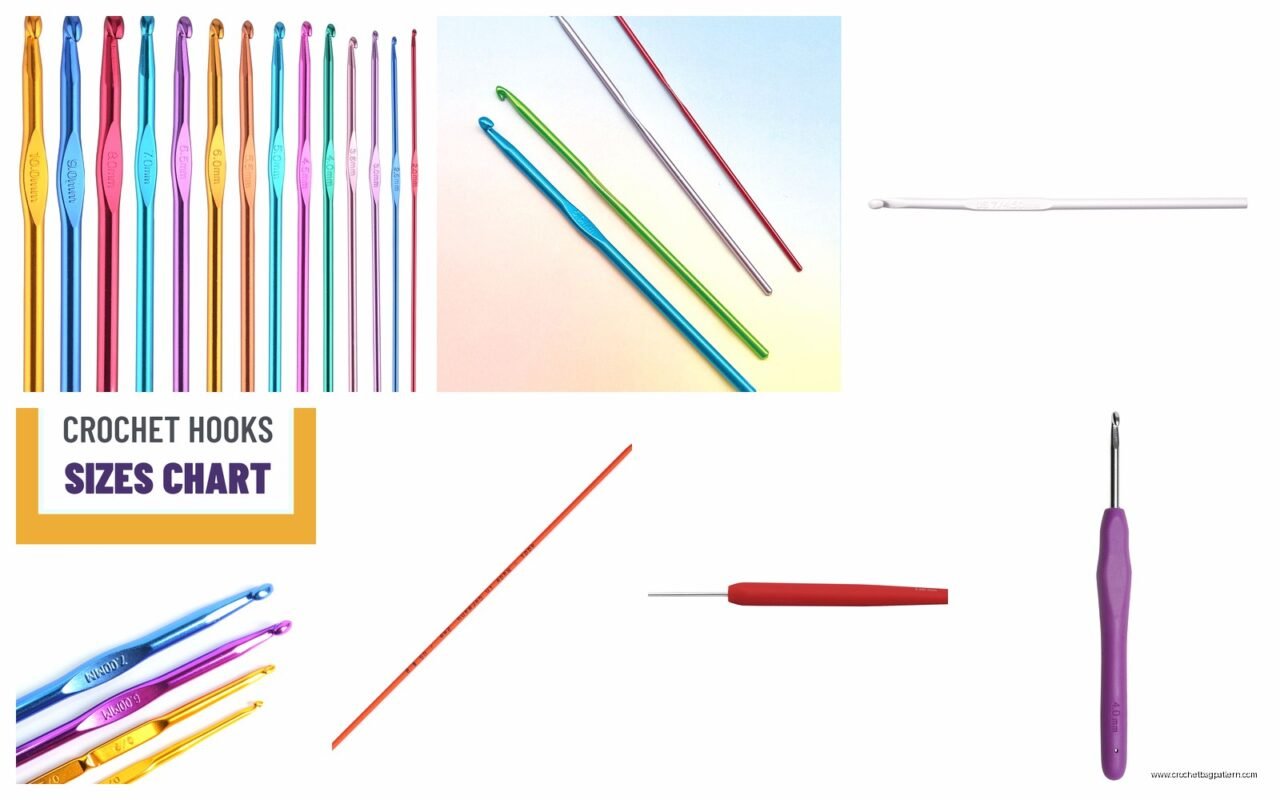
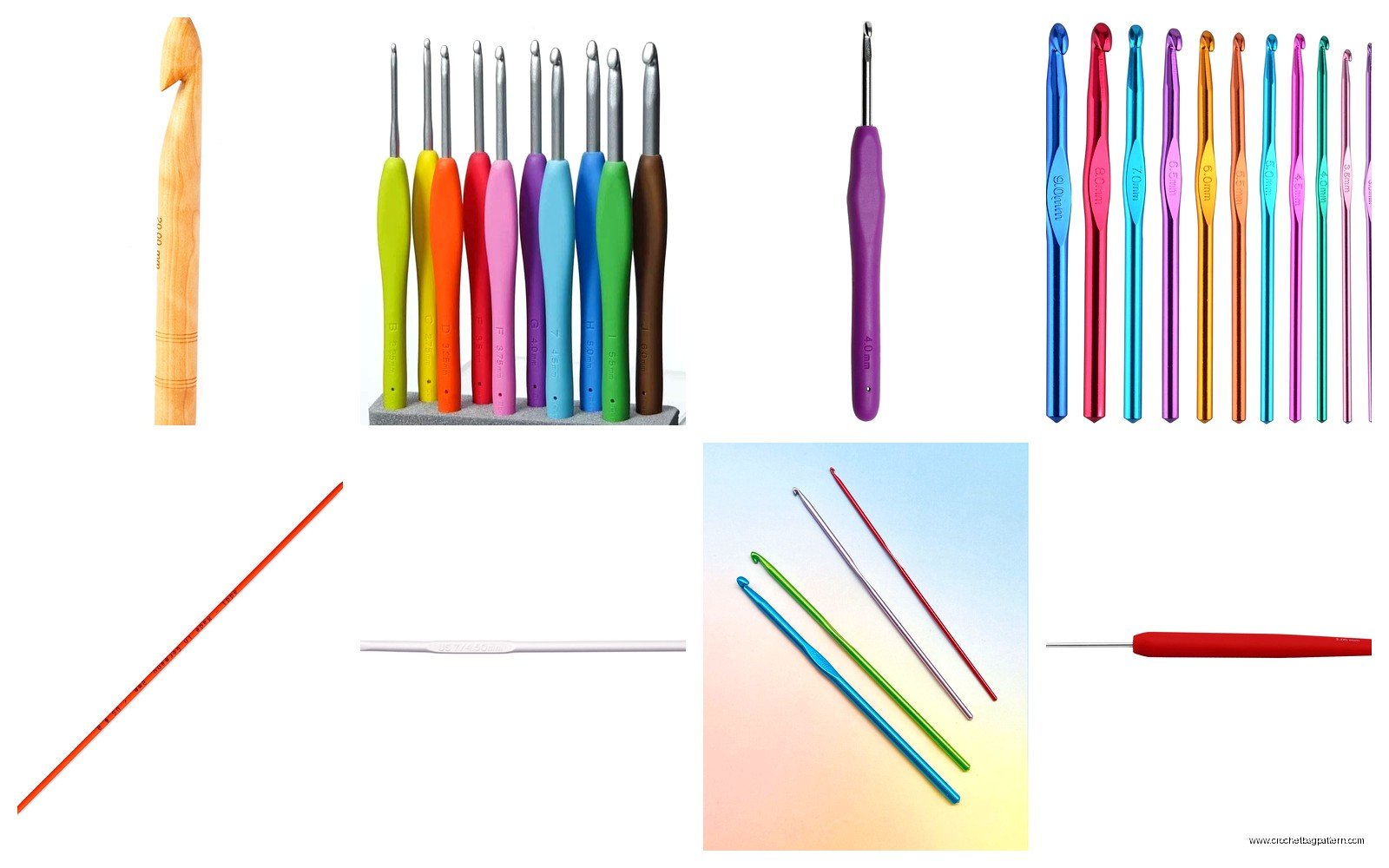
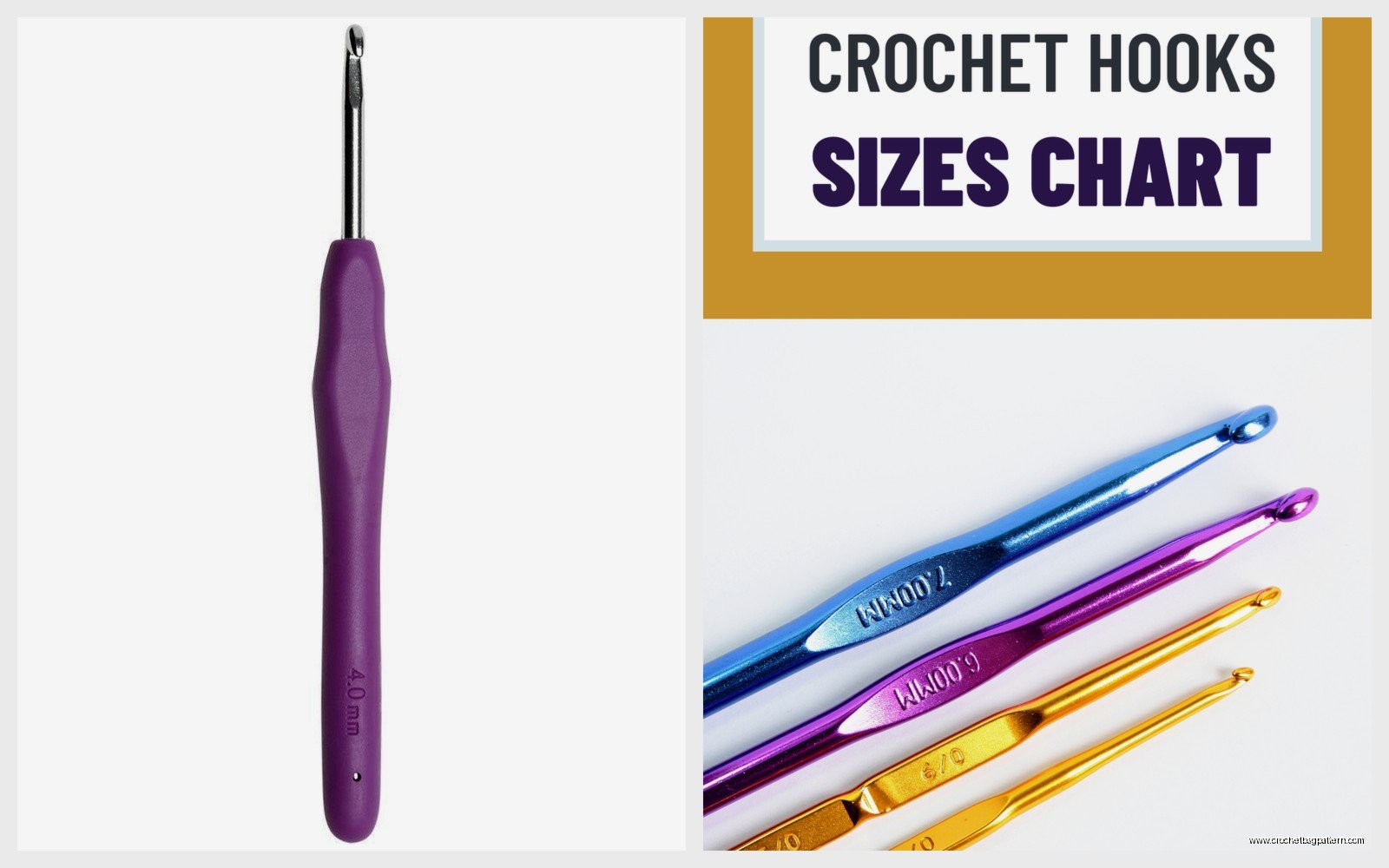
The hook itself looks almost comically small next to regular hooks. I use a Clover Soft Touch 2mm most of the time because the rubber grip actually helps when you’re working with thread for hours. Susan Bates also makes decent steel hooks in this size but they’re slippery and my fingers cramped up after like 20 minutes. The steel ones are cheaper though so if you’re just trying it out maybe start there.
Thread vs Yarn Situation
Okay so with a 2mm hook you’re not really using yarn yarn. You’re using crochet thread which is a whole different thing. The most common stuff is:
- Aunt Lydia’s Classic Crochet Thread in size 10 – this is like the standard everyone uses
- DMC Cebelia which is more expensive but slides better
- Lizbeth thread if you want tons of color options
- J&P Coats which is fine but sometimes splits
Size 10 thread is the most versatile with a 2mm hook. You can technically use size 20 or 30 but honestly those are so fine that you’d probably want an even smaller hook and also why would you do that to yourself unless you’re making like heirloom wedding stuff.
I bought a huge cone of Aunt Lydia’s in white because it was on sale at Joann’s and I’m still working through it two years later. The cones are actually economical if you’re gonna make multiple projects.
The Tension Thing That’ll Drive You Crazy
Here’s what annoyed me SO MUCH about working with thread – the tension has to be way more consistent than with regular yarn. With chunky yarn you can fudge it and nobody notices. With thread every single stitch shows. Every. Single. One.
I had to relearn how I held the thread because my normal yarn tension method made the thread cut into my finger. Some people wrap it around their pinky then over their index finger. I ended up doing this weird thing where I wrap it around my ring finger twice then over my middle finger because that’s the only way it didn’t hurt after an hour.
Your stitches need to be loose enough that you can actually get the hook in but tight enough that you don’t get weird gaps. It’s this annoying balance and honestly the first like 5 rows of any project look bad until your hands remember what they’re doing.
Actually Making Stuff
Most patterns for 2mm hooks are gonna be:
- Doilies obviously
- Snowflakes for Christmas
- Lace edging for pillowcases or whatever
- Really delicate bookmarks
- Tiny amigurumi if you’re patient
- Irish crochet motifs
That doily I made for my aunt started as a simple pattern I found on some blog that doesn’t exist anymore. It was supposed to be a pineapple pattern which is classic doily stuff. Lots of chain spaces and double crochets arranged in a way that looks like pineapples I guess if you squint.
The pattern was written in old notation which was confusing because instead of saying “dc” it said “tr” because British terms are different and whoever wrote it didn’t specify. So my first attempt was completely wrong and too tall and I had to frog like 15 rounds which with thread is its own special nightmare because it tangles.
Reading Patterns For Thread Work
Thread patterns are usually written assuming you know what you’re doing. They’ll say stuff like “work in established pattern” without explaining what that means. Or they’ll have a stitch count at the end of a round and if you don’t match it you gotta figure out where you messed up among like 200 tiny stitches.
I started marking every 10th stitch with a different colored thread just to keep track. Some people use stitch markers but those kept falling out for me because the stitches are so small.
Also patterns will say things like “block to 12 inches” and blocking is actually critical with thread work because it looks like a crumpled mess until you block it. You need:
- Foam boards or blocking mats
- Stainless steel pins (regular pins rust)
- Spray starch or sugar water solution
The sugar water thing sounds weird but it’s traditional. You mix like 1 part sugar to 2 parts water, heat it til the sugar dissolves, let it cool, then soak your piece in it and pin it out. When it dries it’s stiff. I used spray starch from the laundry aisle because I’m lazy and it worked fine.
Common Stitches You’ll Use
Most thread patterns use basic stitches but combined in ways that look complicated:
Chain spaces – you’ll make a million of these. Ch-3 sp, ch-5 sp, whatever. You chain the number then skip stitches and work into a specific spot.
Picots – these are those little bumps on the edge of lace. Usually ch-3, slip stitch back into first chain. They’re fiddly but they look fancy.
Shells – multiple stitches in the same space. Like 5 dc in one chain space makes a shell shape.
Clusters – the opposite where you work multiple stitches that join at the top. These make the lacework look more complex.
I was watching The Great British Baking Show while working on that doily and I kept losing count during the technical challenge parts because I’d get distracted. Had to redo round 8 like four times because I kept putting shells in the wrong spots.
The Actual Process Of Working
You gotta work in good light. I’m serious about this. I tried working on thread stuff in the evening with just a lamp and gave myself a headache. Now I only do it during the day near a window or I use this bright LED craft light I got from Amazon.
Your hands will cramp. Take breaks every 20 minutes or so and stretch your fingers. I didn’t do this at first and my right hand was sore for like three days after a long session.
The hook movement is basically the same as with regular crochet but smaller. Everything is just… more precise. You can’t muscle through stitches like you might with bulky yarn. If the hook doesn’t want to go through you need to check your tension not force it.
Starting a thread project usually means making a slip knot and chaining. For doilies you often start with a foundation ring – like ch 8, slip stitch to join. Then you work rounds into that center ring. Some patterns have you start with a magic ring but honestly with thread I find that harder to control.
Specific Project Notes
That doily ended up being like 14 inches across after blocking. It took me probably 20 hours total spread across two weeks. My aunt loved it though she immediately put it under a plant which kind of defeated the purpose of seeing the lace pattern but whatever.
Summer 2024 I tried making thread amigurumi which is a different beast entirely. I used Lizbeth size 10 in this coral color (I think it was called Coral Reef #698 or something). The pattern was for a tiny bear about 2 inches tall.
Working in rounds with thread is harder than flat work because you can’t really see what you’re doing as well. The piece is so small it just sits on your fingertip. I had to use a different hook – went down to a 1.5mm because amigurumi needs to be tight so the stuffing doesn’t show through.
The bear took like 6 hours and my cat knocked it off the table twice. Second time she actually bit it because she thought it was a toy. There’s still a tiny fang mark on its head but you can barely see it unless you know it’s there.
Thread Colors And Dye Lots
This matters more than you’d think. I ran out of white thread halfway through a tablecloth edging project and bought another ball of Aunt Lydia’s white. Except it wasn’t the same white. One was bright white and one was more cream. You could totally see the difference where I joined the new thread.
Now I buy extra at the start and check dye lots if there are any. Not all thread has dye lot numbers printed on it which is annoying but if it does make sure they match.
Colored thread shows mistakes less than white. That coral bear had some tension issues in the head shaping but the color variation kind of hid it. White shows everything – every uneven stitch, every time you accidentally worked into the wrong loop.
Troubleshooting Common Problems
Thread keeps splitting – your hook might have a rough spot. Run your fingernail along the hook tip and if you feel anything sharp you can smooth it with very fine sandpaper or just get a new hook. Also some thread is just splitty (looking at you J&P Coats).
Stitches are too tight – loosen your grip on the working thread. With regular yarn you can pull tight but thread needs to move more freely or you’ll never get the hook through.
Can’t see what you’re doing – better light or magnification. Those clip-on magnifying glasses look dorky but they work. Or hold the work against a dark background so the white thread shows up better.
Pattern makes no sense – old patterns are weird. Modern patterns say things like “dc in next st” but vintage ones might say “tr in next tr” or use asterisks in confusing ways. Sometimes you just gotta work a few stitches and see if the pattern emerges.
Edges are ruffling – you’re probably increasing too much or your tension is inconsistent. With thread work the math has to be exact or it won’t lay flat. If a round should have 96 stitches and you have 98 it’ll ruffle. If you have 94 it’ll cup.
Joining Thread
You will run out of thread in the middle of a project. The proper way to join is to leave like 6 inch tails, work them in later by weaving through the back of stitches. Some people do a weavers knot but I don’t trust knots in thread – they can show through or come loose.
I join at the end of a round when possible or in a spot that’ll be hidden. Work the tails in with a yarn needle when you’re done. With thread you use a steel yarn needle because regular ones have eyes too big.
Is It Worth It Though
Honestly thread work is slow and requires patience and good lighting and your hands will hurt if you do too much at once. But the finished pieces do look impressive and they last basically forever if you take care of them.
That doily from 2022 is still in perfect shape even though it’s under a plant that gets watered weekly. The thread doesn’t pill or wear out like yarn does.
If you’re used to finishing a chunky blanket in a weekend this is gonna feel frustrating because you’ll work for 3 hours and have like 4 inches of lace. But if you’re into detailed work and don’t mind the slower pace it’s pretty satisfying.
I keep thread projects around for when I’m watching TV or want something to do with my hands that doesn’t require much thought once you get the pattern down. The first few rounds need concentration but after that it’s kind of meditative even if meditative isn’t really my style.
Just start with something small like a bookmark or snowflake before you commit to a whole tablecloth because you need to know if you even like working at this scale. Some people hate it and that’s fine. I thought I’d hate it but it turns out I like having the fancy projects even if making them is occasionally annoying.
