
May
Cotton Thread Brands That Actually Work
So the thing about cotton thread is that not all of it behaves the same and honestly I learned that the hard way back in spring 2022 when I tried making doilies for my mom’s birthday. I grabbed whatever was cheapest at the craft store and it was this nightmare scratchy stuff that kept splitting every five minutes. Total waste of time.
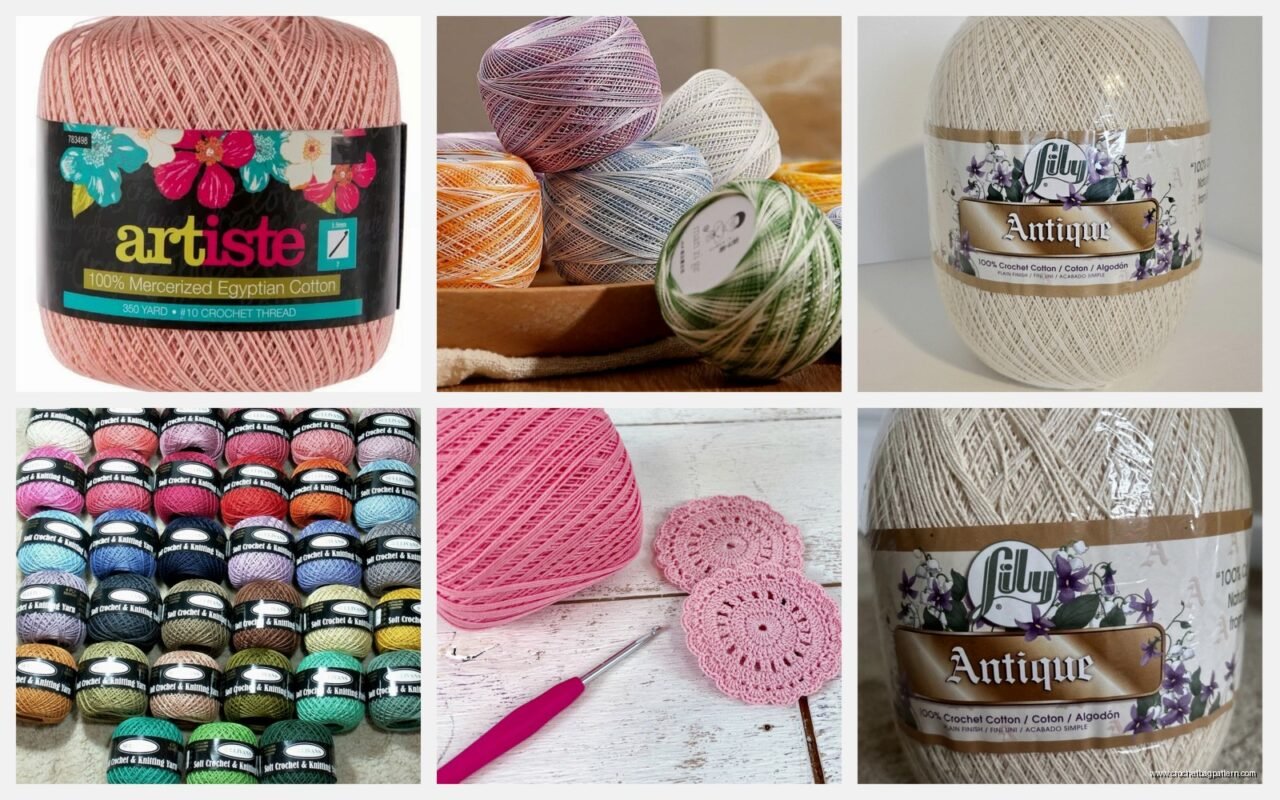
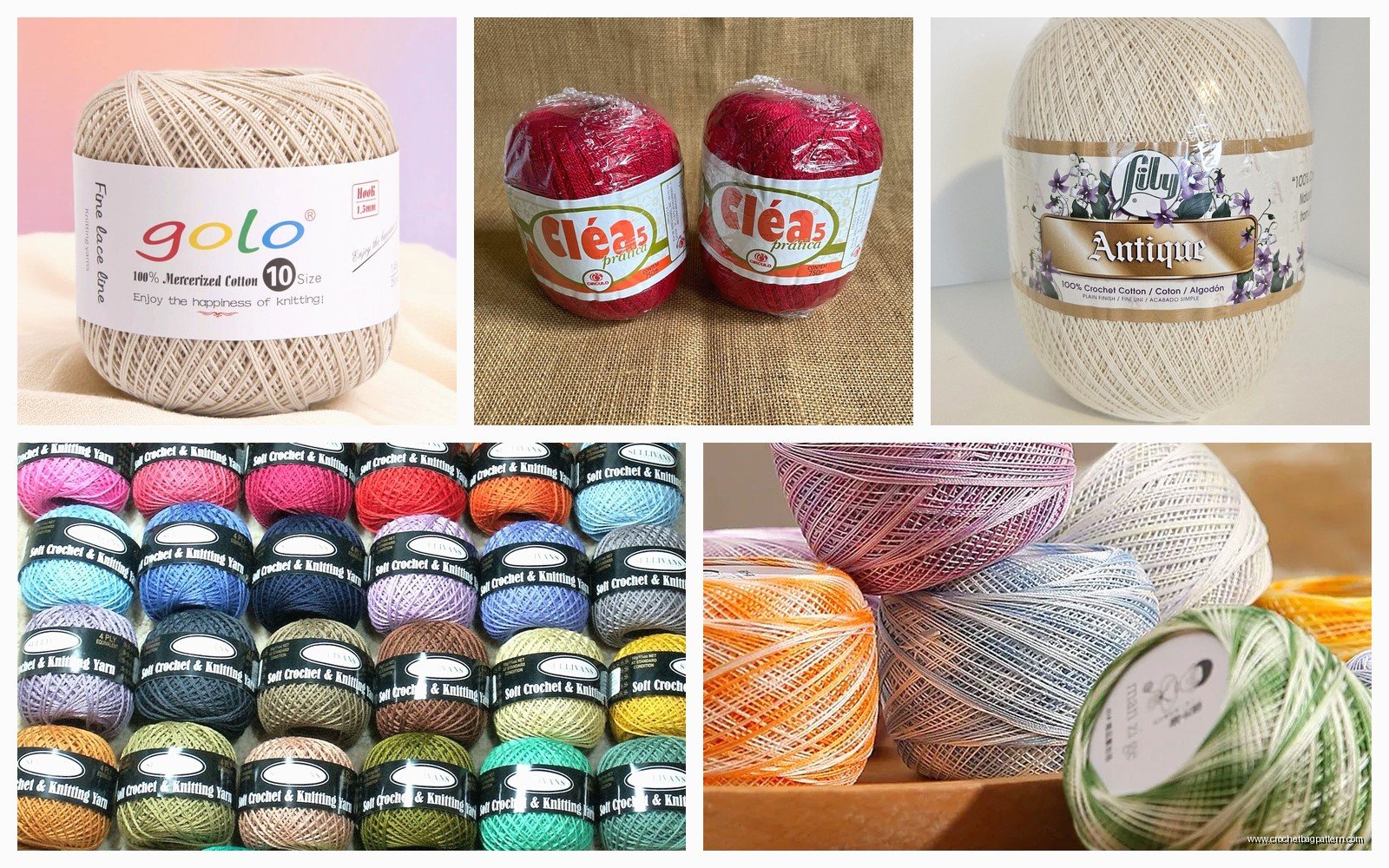
The brands I actually use now are mostly Aunt Lydia’s Classic Crochet Thread because you can find it literally everywhere and it comes in a ton of colors. Size 10 is what I use most – it’s thick enough that you don’t go blind working with it but still looks delicate when you’re done. DMC Cebelia is really nice too if you can find it, super smooth and the stitches look really crisp. There’s also Lizbeth which some people swear by but I’ve only used it a couple times. It’s mercerized which means it has this slight sheen to it that looks fancy.
Size 10 is good for beginners honestly. Size 3 is thicker and easier to see what you’re doing but then your finished projects look kinda chunky. Size 20 and beyond gets into the territory where you need good lighting and patience because one mistake and you’re squinting trying to figure out where you went wrong.
What The Numbers Actually Mean
The sizing is backwards from regular yarn which confused me forever. Higher numbers mean thinner thread. So:
- Size 3 – thickest, easiest to work with
- Size 5 – still pretty manageable
- Size 10 – the sweet spot for most stuff
- Size 20 – getting delicate
- Size 30, 40, 50+ – tiny detailed work that takes forever
I pretty much stick to size 10 for everything unless I’m making something specific that needs to be really fine. My hands don’t have the patience for size 30 anymore.
Hooks For Cotton Thread
You need steel hooks for this stuff not the regular aluminum ones. They’re numbered differently too just to make everything confusing. The higher the number the smaller the hook which is also backwards from regular crochet hooks.
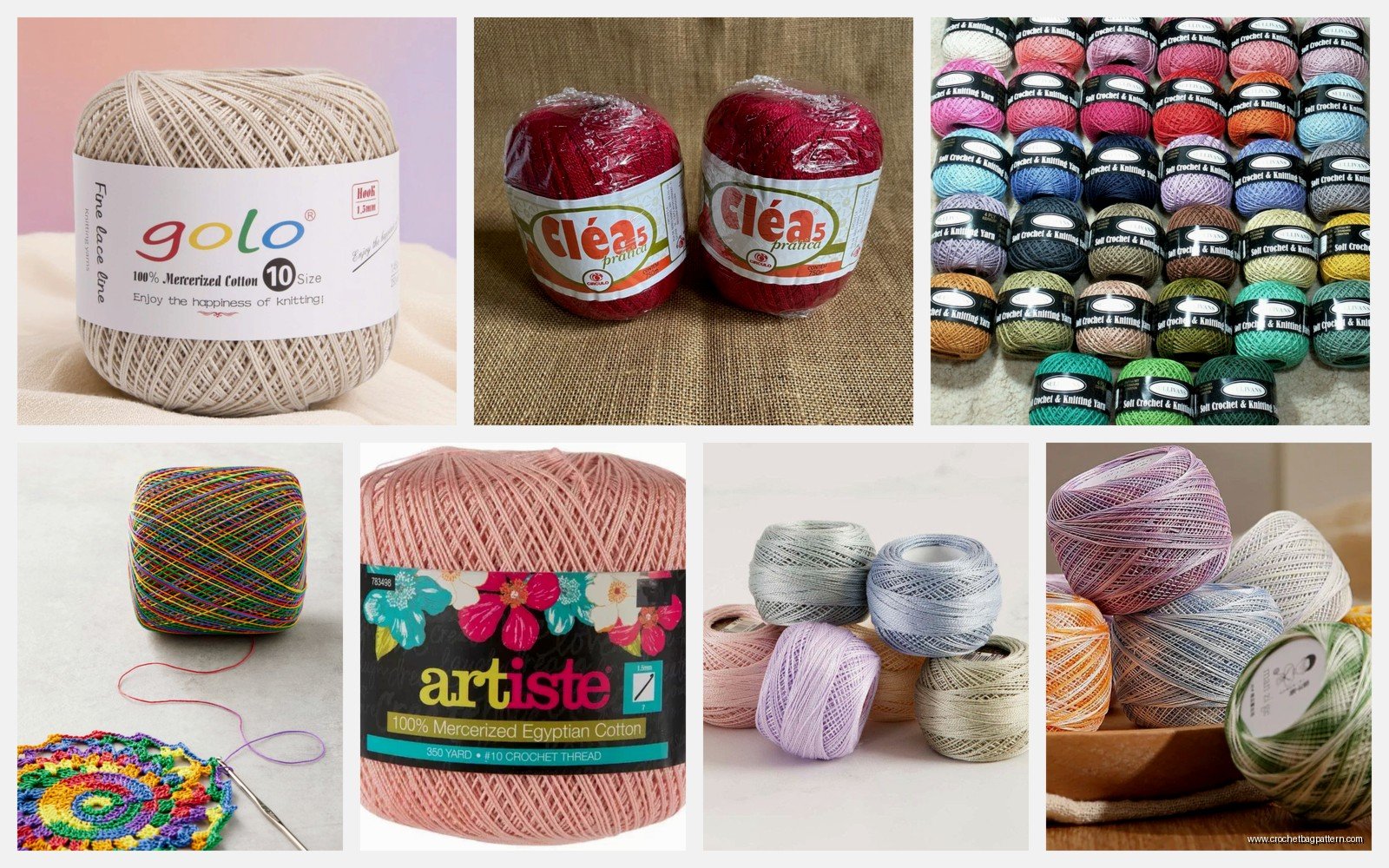
For size 10 thread I usually use a 1.5mm or 1.75mm hook (that’s around size 7 or 6 in steel hook sizes). The thread wrapper sometimes suggests a hook size but honestly it depends on how tight you crochet. I tend to crochet pretty loose so I go down a size from what’s recommended or everything looks sloppy.
Clover makes good steel hooks that don’t cost a fortune. The handles are decent and they don’t snag the thread. I also have some Susan Bates ones that are fine. Just make sure the hook itself is smooth because any rough spot will catch on cotton thread constantly and drive you crazy.
Patterns That Don’t Make You Want To Quit
Starting with doilies makes sense because that’s what everyone thinks of with cotton thread but honestly doilies can be boring. I made like six of them in summer 2024 while watching this entire true crime series and by the end I was so sick of pineapple stitches I could scream.
Bookmarks
These are actually the perfect first project. They work up fast, you only need a little bit of thread, and if you mess up it’s not this huge time investment lost. Just chain however long you want it, then do rows of single crochet or double crochet with some shells or picots on the edges. Add a tassel at the end with the same thread.
I made probably twenty bookmarks before I moved on to bigger stuff because it let me practice keeping tension even without committing to something that takes weeks.
Snowflakes
These are fun because they’re small and you can make them all different. There’s a million free patterns online – just search “crochet snowflake pattern” and you’ll find enough to keep you busy forever. They work up in like an hour or two depending on how complicated they are.
The trick with snowflakes is starching them after or they just look like weird blobs. I use fabric stiffener spray or you can make your own with sugar water or cornstarch but honestly the spray is easier. Pin them out on a foam board or cardboard covered with wax paper, spray the heck out of them, let them dry completely. Then they hold their shape and actually look like snowflakes.
Lace Edging
This is really satisfying once you get the hang of it. You can add crocheted lace edges to pillowcases, dish towels, handkerchiefs, whatever. It’s just working in rows instead of rounds usually.
The annoying thing about lace edging is attaching it to fabric. Some people crochet directly onto the fabric which I can never get to look right. I usually crochet the edging separately then hand-stitch it on which takes forever but looks better. Or sometimes I’ll – wait actually there are patterns where you can incorporate fabric into the crochet itself but I haven’t figured those out yet.
Coasters
Super practical and they don’t take long. Round ones are easiest, just increase evenly until it’s the size you want. Make them in colors that match someone’s kitchen and suddenly you have gifts for every occasion.
I made a set of six coasters for my friend’s wedding gift and paired them with some nice cocktail glasses. Cost me maybe eight dollars in thread and looked way more expensive than it was.
The Thing That’s Gonna Annoy You
Thread tangles. Oh my god does it tangle. Regular yarn pulls from the center of the skein pretty smoothly but cotton thread is wound differently and it loves to create these massive knots that take twenty minutes to untangle. This drove me absolutely insane when I was making a table runner last fall because I’d get into a rhythm and then have to stop and fight with a knot for ages.
Some people wind their thread into balls before using it which supposedly helps but I’m too impatient for that. I just deal with the tangles and mutter under my breath about it. My cat thinks it’s a game when thread gets tangled and tries to “help” which makes everything worse.
Also the thread can cut into your fingers if you’re tensioning it too tight. Your index finger where the thread runs across will get sore after a while. Some people use finger guards or tape but I just take breaks.
Reading Patterns For Thread Crochet
A lot of older patterns for cotton thread are written in vintage terminology which is confusing because they call things different names. What they call “double crochet” might actually be single crochet in modern terms. British vs American terminology is also different.
I usually look for modern patterns or video tutorials now because trying to decipher a pattern from 1950 is not worth the headache. There’s plenty of people sharing free patterns online that use current terminology and actually make sense.
The diagrams help more than written instructions sometimes. If you can follow a symbol chart you can figure out most patterns even if the written part is confusing.
Actual Patterns I’ve Made
That table runner I mentioned was this long rectangular thing with a pineapple motif down the center. Took me probably thirty hours total? It was for my dining table and I used white Aunt Lydia’s size 10. Looked really nice when it was done but honestly I don’t use it much because I’m always worried about spilling something on it.
The doilies from 2022 were various patterns I found free online. The biggest one was maybe fourteen inches across and took forever. Lots of treble crochets and chains making this lacy design that looked complicated but was actually pretty repetitive once you got the hang of the repeat.
I made a bunch of little motifs last year – squares and hexagons and circles – thinking I’d join them into something bigger eventually but they’re still in a bag somewhere. That’s the problem with thread crochet sometimes, you make all these little things and then the joining process seems overwhelming so you just… don’t.
Ornament covers are fun. You get those clear plastic or glass ball ornaments and crochet a cover that fits over them. Makes nice Christmas gifts and you can use up little bits of leftover thread in different colors.
Color Stuff
White and ecru are classic for cotton thread but working with white for hours will hurt your eyes. I like using colors because it’s easier to see your stitches and the finished thing feels more modern and less grandma-ish.
Aunt Lydia’s has tons of colors. Some are variegated which can look cool or can look messy depending on the pattern. Solid colors show off stitch definition better.
Pastels are nice for baby stuff. I made some little baby booties with pink thread once and they were adorable but also completely impractical because babies don’t keep booties on for more than thirty seconds.
Washing And Caring For Thread Projects
Cotton thread stuff can be washed which is nice. Hand wash in cool water with mild soap, roll it in a towel to get excess water out, then reshape it and let it dry flat. If it’s starched you’ll need to re-starch it after washing.
I usually don’t wash mine unless they actually get dirty because the reshaping and re-starching is a whole process. The snowflakes and bookmarks don’t really need washing anyway.
Where To Find Patterns
Ravelry has thousands of free patterns for cotton thread. Just search for “thread crochet” or “doily” or whatever you want to make and filter by free patterns. Some are better than others obviously.
YouTube is great for learning new stitches or techniques. Watching someone actually do it is way easier than trying to figure it out from a written pattern sometimes.
Old pattern books from thrift stores can be good if you don’t mind the vintage terminology. I got a book from the 1970s for like two bucks that has some interesting patterns even though the photos are hilarious.
Blocking And Finishing
This is kinda the most important part that a lot of people skip. Your finished piece will look wrinkled and sad until you block it. For cotton thread work blocking usually means pinning it out to the right shape and starching it.
Get a foam board or blocking board, cover it with wax paper or plastic wrap, pin your piece out using rust-proof pins (regular pins can leave rust marks), spray with starch or fabric stiffener until it’s pretty wet, let it dry completely before unpinning. This can take overnight or longer.
The transformation is honestly dramatic. Something that looked like a crumpled mess becomes this crisp beautiful thing. It’s worth the effort even though pinning out a big doily with like a hundred pins is tedious.
Is It Worth It
Thread crochet takes longer than regular crochet and requires more focus. You can’t really zone out and watch TV the same way because the stitches are smaller and easier to mess up. But the finished projects have this delicate detailed look that you can’t get with regular yarn.
It’s cheaper than buying vintage linens if that’s the look you want. A ball of size 10 thread costs maybe three or four dollars and will make several small projects.
Some people find it meditative. I find it slightly frustrating but satisfying when it’s done. Your mileage will vary depending on your patience level and eyesight.
Just start with something small like a bookmark or coaster. If you hate it you haven’t invested much time or money. If you like it then you can work up to bigger more complicated stuff. Don’t start with a tablecloth is what I’m saying. Start small and see how it goes.
