
May
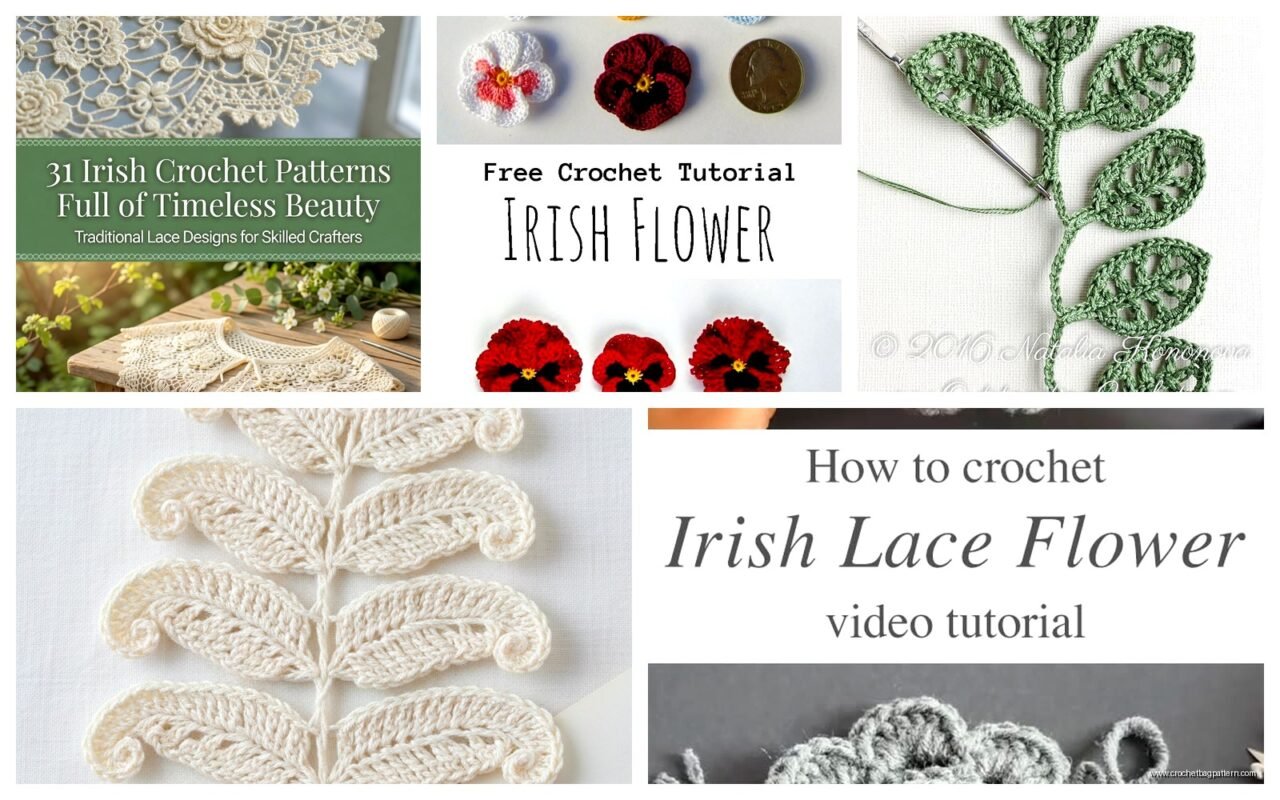
okay so irish crochet is basically making individual motifs and then connecting them
The whole thing is different from regular crochet because you’re not making one continuous piece. You make a bunch of flowers or leaves or whatever separately and then join them with mesh backgrounds or bars. I got into this in spring 2022 when I was stuck at home with nothing to do and found this old irish crochet collar pattern at an estate sale.
First thing you gotta know is the thread size matters SO much. Like way more than with regular crochet projects. Most traditional Irish crochet uses really fine cotton thread – usually size 10 or 20. I’ve used Aunt Lydia’s Classic Crochet Thread size 10 the most because it’s easy to find at basically any craft store. DMC Cordonnet Special is really nice too if you want something that holds its shape better but it’s pricier.
The Basic Motifs You’ll Be Making
Irish crochet is all about roses, shamrocks, and leaves mostly. The roses are the iconic thing everyone thinks of. To make a basic rose you start with a small ring – I usually chain 6 and slip stitch to form a circle but some people use those plastic rings which honestly I find annoying because then you’re stuck with plastic in your lace forever.
For the first round of petals you’re doing like chain 3, then 2 double crochets in the ring, chain 3 again, slip stitch. Repeat that 5 times around. That gives you the tiny inner petals. Then for the next layer you work BEHIND those petals – you slip your hook behind and chain longer, maybe 5 chains, and make bigger petals with more double crochets. Usually 4 or 5 dc per petal.
The thing that really annoyed me about Irish crochet when I started was how the motifs would curl up on themselves while you’re working. Especially the roses. The outer petals want to fold forward and it makes it hard to see what you’re doing. You kind of have to block each motif as you go or at least press it flat with your fingers constantly while working.
Leaves Are Actually Easier Than They Look
The leaves usually start with a foundation chain – maybe 10 or 12 chains depending on how big you want it. Then you work back down the chain doing single crochet, half double crochet, double crochet in the middle to make it wider, then back down to half double and single crochet at the tip. The trick is working around the starting chain tip and coming back up the other side to make it symmetrical.
For the vein down the middle some patterns have you chain stitch over the center after you finish or you can just work your stitches tighter down the center line. I usually skip the chain stitch vein because it’s fussy and you can barely see it anyway once everything’s assembled.
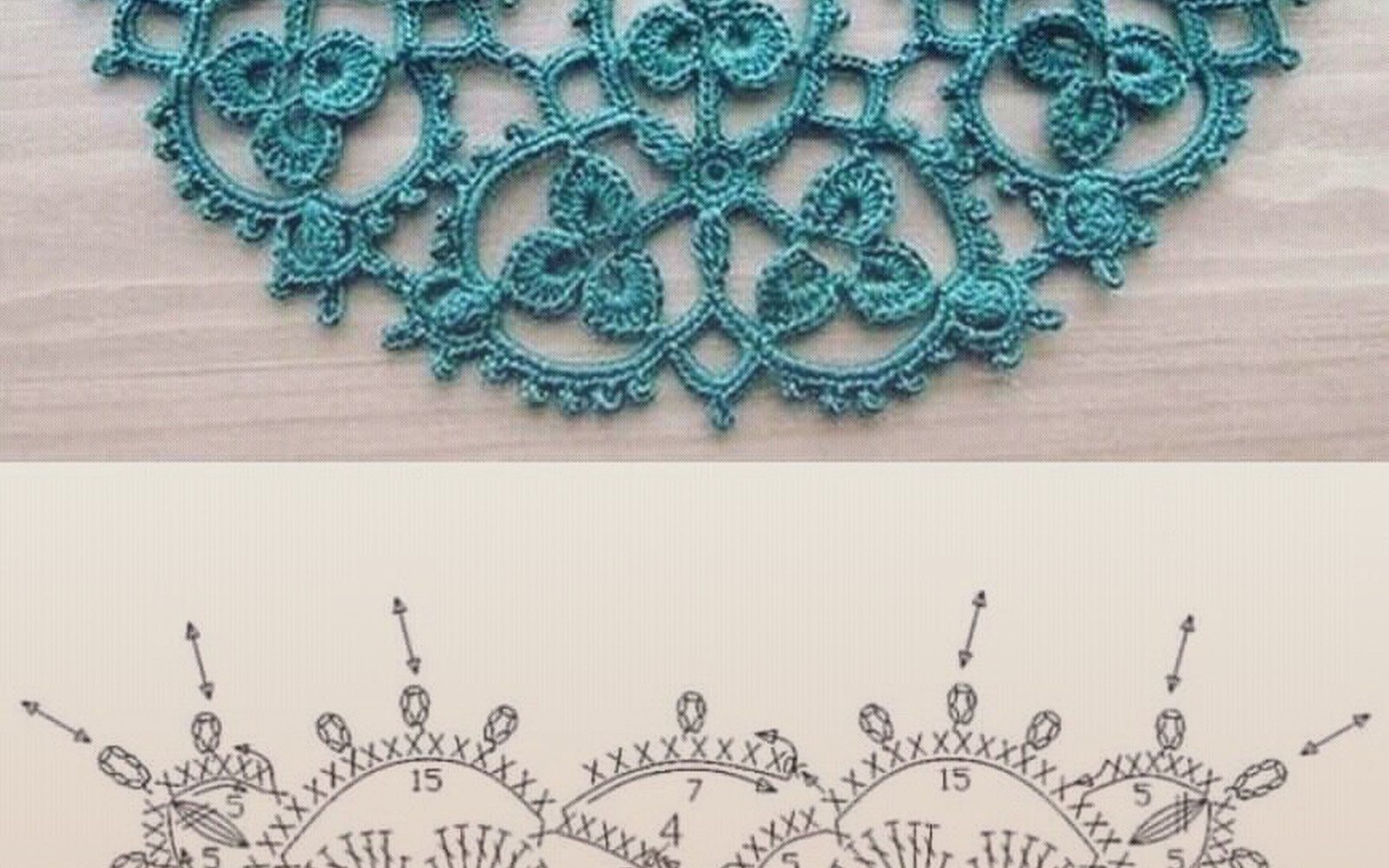
Shamrocks are just three heart-shaped petals joined at the bottom. Each heart is like a leaf but rounder. You make three of them and join them with slip stitches at the base then add a little stem with chain stitches.
The Padding Technique That Makes It Look Actually Irish
This is the part that makes Irish crochet look raised and dimensional instead of flat. You’re literally wrapping your working thread around a separate cord as you crochet. The cord is usually regular crochet cotton but thicker – like size 3 or even yarn weight.
So you lay the padding cord along the edge where you’re working and then do your stitches OVER the cord, trapping it inside. For rose petals you pad the outer edge to make them stand up and curve. For leaves you pad the entire outer edge. It’s weird at first because you’re managing two threads at once but you get used to it.
I remember in summer 2024 I was making this collar piece while watching that show about the restaurant – The Bear – and I kept having to pause it because the padding technique needs both hands and actual attention. My cat kept sitting on my work too which didn’t help.
Some people use buttonhole thread for padding because it’s smooth and doesn’t catch. I’ve used Red Heart Super Saver just cut into single plies when I’m being cheap. Works fine honestly.
Connecting Everything Is Where It Gets Tricky
Once you have all your motifs made you need to arrange them. This is part design, part puzzle. Traditional Irish crochet has the motifs pretty close together with the background mesh filling small irregular spaces between them.
You can pin everything to a pillow or foam board. I use a cork board from the dollar store. Arrange your roses and leaves in a pattern – there’s traditional layouts but honestly you can just make it look balanced. The vintage pieces usually have larger motifs in the center and smaller ones around the edges.
The mesh background is usually made with chain spaces and double crochets. You’re literally crocheting from one motif to another, joining as you go. Start at one motif, chain across to the next, dc into the edge of that motif, chain back. It’s like building a bridge between islands.
For really fine work the mesh is made with picots and chain loops that are only like 3 or 4 chains long. For larger pieces or if you’re gonna use it as something that needs to be sturdier the mesh can be… wait I’m getting ahead of myself.
Thread Tension Will Make You Want To Scream
Working with size 10 thread is not like working with yarn. Your hands will cramp up. The thread is thin and it cuts into your fingers if you tension it the way you would with yarn. I had to learn to hold it more loosely and let it slide through my fingers instead of gripping tight.
Also the hooks are TINY. Like 1.5mm or 1.75mm steel hooks. They’re slippery and easy to drop. I prefer the Boye steel hooks over the Susan Bates ones because they have a slightly deeper hook throat but that’s personal preference. Some people love the really expensive tulip hooks but I’ve never tried them.
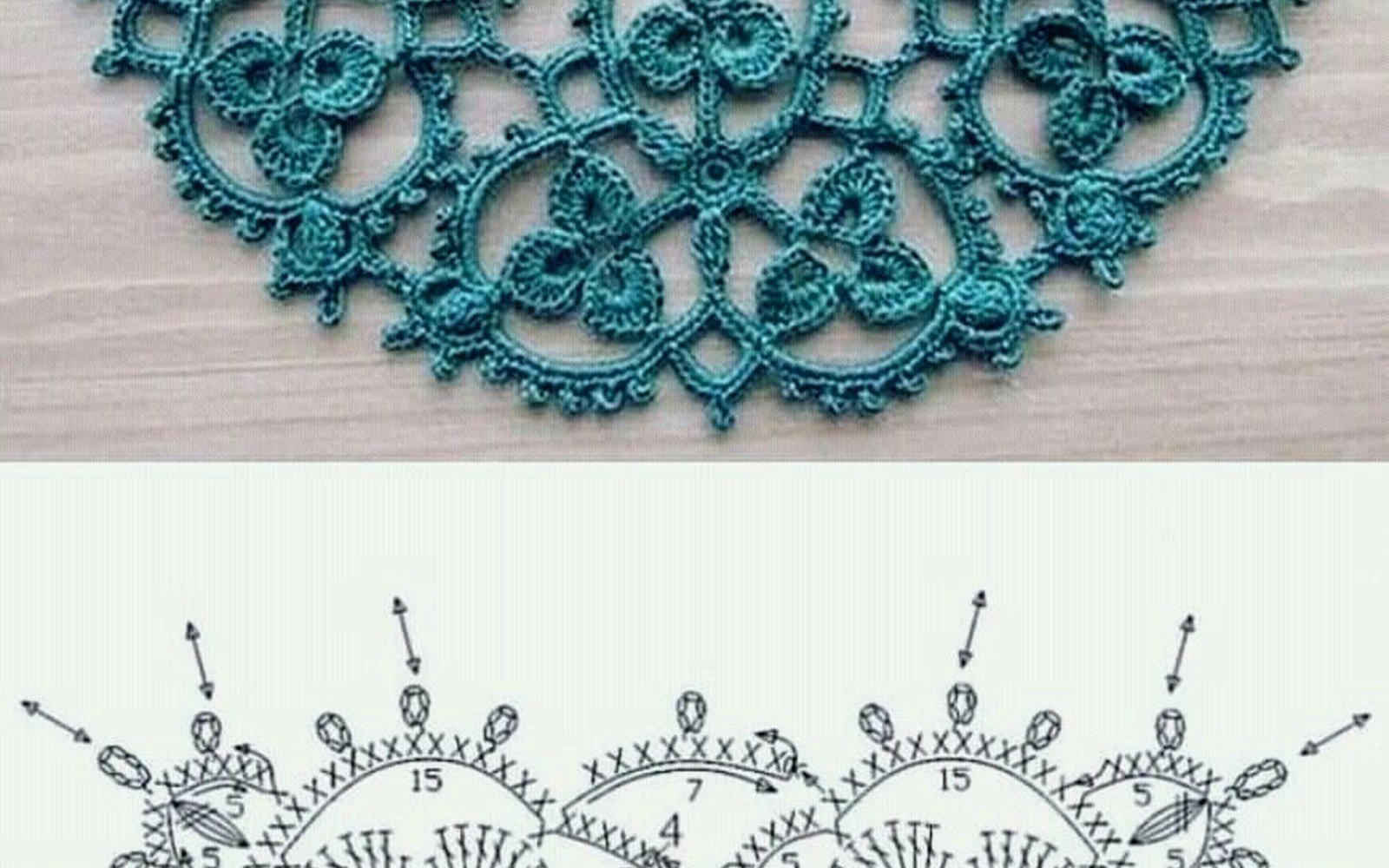
Your tension has to be consistent or the motifs will be different sizes and then they won’t fit together right when you’re assembling. I made like 15 roses for a project once and three of them were noticeably smaller because I was tense that day and crocheting tighter without realizing it. Had to remake them.
Patterns Are Written Weird
Old Irish crochet patterns from like the 1920s or whatever are written in this verbose style that’s hard to follow. They say things like “work 5 trebles into the space” instead of just using abbreviations. And they assume you know techniques without explaining them.
Modern patterns are better but Irish crochet patterns still tend to be more complicated than regular crochet patterns because there’s so much joining and connecting. You’ll see instructions like “attach thread to 3rd petal of rose A, chain 7, join to 2nd leaf” and you have to keep track of which motif is which.
I usually photocopy the pattern or print it out and mark it up with pen as I go. Cross off each motif as I finish it, write notes about which ones go where.
Blocking Is Not Optional
You absolutely have to block Irish crochet when you’re done. The motifs are curled and wonky, the mesh is uneven, everything looks like a mess until you block it. I use rust-proof pins and pin everything to a blocking board – you can use a foam mat or even a folded towel over cardboard.
Spray it with water or use a spray starch solution. Some people use diluted white glue for really stiff lace but that seems excessive to me. Pin out each motif so it’s flat and shaped right. Pin the mesh so the chain spaces are even. Let it dry completely – like 24 hours.
When you unpin it the lace will actually look like lace instead of a crumpled mess. It’s honestly magical how much difference it makes. That’s when you can actually see the pattern and all your work pays off.
What To Actually Make With It
Collars are traditional and they’re a good first project because they’re small. You make a curved shape that sits around your neck. Takes maybe 20-30 motifs depending on size. You can sew it onto a dress or blouse or just wear it as a statement piece.
Doilies are another option though I don’t know anyone who actually uses doilies anymore. But they’re good for practicing because they’re flat and you can really see your work. Usually circular with a rose in the center and rings of leaves and smaller flowers radiating out.
Larger pieces like tablecloths or bedspreads are INTENSE. Like months of work. The famous Irish crochet bedspreads from the 1800s took years to make. I’m never doing that.
Modern people make Irish crochet jewelry – like pendant necklaces with a single rose motif stiffened with glue. Or bookmarks. Or trim for clothing. You can add it to the hem of a skirt or around the neckline of a plain top.
I made a small wall hanging in summer 2024 with roses and leaves arranged in a rectangular frame shape. Used Aunt Lydia’s in ecru which is that off-white color. Took about three weeks working on it most evenings. The planning took longer than the actual crocheting honestly.
Mistakes You’re Gonna Make
You’ll make motifs that are too loose or too tight. You’ll lose track of which round you’re on. You’ll forget to pad an edge and have to rip it out. The mesh background will have holes that are too big or too small.
One time I sewed a finished collar onto a shirt and then realized I’d attached it upside down. Had to pick out all the sewing stitches with a seam ripper. Another time I used thread that wasn’t colorfast and it bled when I blocked it with water. Always test your thread first if it’s colored.
The biggest mistake is not making enough motifs before you start connecting. You’ll think you have enough and then you start laying them out and there are these big gaps. Always make extra leaves especially. Leaves are the filler pieces.
Where To Find Patterns
There are vintage pattern books you can find as PDFs online – search for “Irish crochet patterns 1920s” or similar. The Priscilla Irish Crochet Book is public domain now and has tons of motifs and project ideas. Annie’s has some modern Irish crochet patterns but they’re simplified versions usually.
YouTube has some tutorials but not as many as you’d think. It’s not a super popular technique anymore. The videos that exist are helpful for seeing the padding technique in action though. Reading about it doesn’t really make sense until you watch someone do it.
Ravelry has some patterns tagged as Irish crochet though a lot of them are more “inspired by” than actual traditional technique. Still worth browsing for ideas.
Estate sales and antique stores sometimes have actual vintage Irish crochet pieces you can examine. That’s honestly the best way to learn – looking at real pieces and figuring out how they’re constructed. You can see exactly where the padding is, how the motifs are joined, what the mesh pattern looks like up close.
The whole process is fiddly and slow but there’s something satisfying about making these tiny perfect flowers and then seeing them all come together into an actual piece of lace. Just don’t expect to finish anything quickly. This is not a weekend project situation. More like a “work on it while watching TV for a month” situation.
