
Apr
okay so basketweave stitch
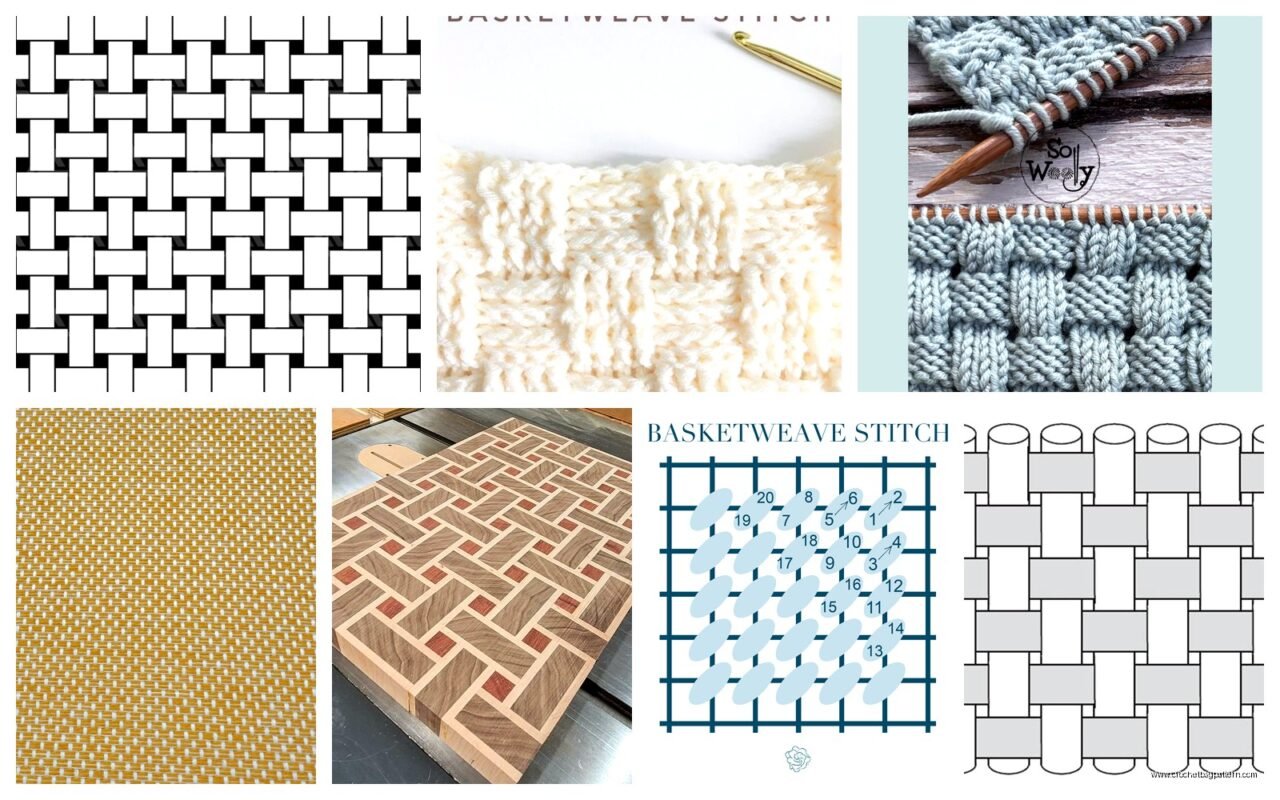
So basically I made this baby blanket back in spring 2022 and used the basketweave stitch because I thought it’d look nice and textured without being too complicated, and honestly it worked out pretty well but I’m getting ahead of myself. The basketweave stitch is just front post and back post double crochets arranged in a way that makes it look like you literally wove the fabric together. It’s not actually that hard once you get the rhythm down.
The thing is you gotta understand front post and back post double crochet first. FP and BP for short because I’m not typing that out every single time. Front post means you insert your hook from the front, go around the post of the stitch from the previous row, and come back out the front. Back post is the same but you go in from the back. This makes some stitches puff forward and some sink back, which creates that woven texture.
what you actually need to start
Any yarn works but I used Caron Simply Soft in that light gray color for the baby blanket and it looked really clean. The stitch pattern shows up better with solid colors honestly, variegated yarn kind of hides the texture. You want a hook that matches your yarn weight obviously, I think I used a 5mm hook for that project but don’t quote me on that.
The pattern repeat is usually done in blocks. Like you’ll do 4 front post double crochets, then 4 back post double crochets, and alternate across the row. Then on the next few rows you work the front posts where the front posts are, back posts where the back posts are. After about 4 rows, you switch it up and do front posts where the back posts were and vice versa. That’s what creates the basketweave look.
foundation and first rows
Chain a multiple of 8 plus 2 for turning chain. So like 34 stitches or 42 or whatever size you want. First row is just regular double crochet across because you need something to work into for the post stitches. Some people do 2 rows of regular dc before starting the pattern, I usually just do one because I’m impatient.
Row 2 is where it starts getting interesting. Chain 2, then you’re gonna do your first block of front post double crochets. So FPdc around the first 4 stitches from the previous row. Then BPdc around the next 4 stitches. Keep alternating FPdc4, BPdc4 across the whole row. The last stitch is usually just a regular dc into the turning chain.
Rows 3 and 4 you just work the stitches as they appear. If you see a front post stitch below, you do another front post. If you see a back post, do another back post. This builds up your blocks and makes them more defined.
the annoying part nobody tells you
Here’s what drove me crazy when I was making that blanket while watching The Bear season 1 – the edges get wonky if you’re not careful. Like the first and last stitches of each row can get loose or tight depending on how you handle the turning chain. I kept having to undo rows because one edge was ruffling and the other was pulling in tight. Eventually I just started doing the first stitch of each row as a regular dc instead of following the pattern exactly, and that helped stabilize things.
Also your tension has to be pretty consistent with post stitches or it looks messy. If you crochet tight like I do sometimes when I’m stressed, the back post stitches can get super compressed and the front posts stick out too much. You want it to look woven, not like… I don’t know, weird lumpy fabric.
switching the blocks
After you’ve done 4 rows with the blocks in one position, row 5 is where you flip everything. Now you’re gonna do BPdc where you were doing FPdc, and FPdc where you were doing BPdc. So if your row 4 was FPdc4, BPdc4 across, then row 5 becomes BPdc4, FPdc4 across. This is what makes the weave pattern actually look like it’s going over and under.
You do another 4 rows with this new arrangement, then switch back on row 9. Keep alternating every 4 rows. Some patterns do it every 3 rows or every 5 rows depending on how tight they want the weave to look, but 4 is pretty standard.
actual projects I’ve made
Besides that baby blanket I made a throw pillow cover in summer 2024 using Red Heart Super Saver in burgundy. It was for my couch and I wanted something that had texture but wasn’t gonna show cat hair too much (my cat Miso sheds like crazy). The basketweave worked perfect for that because the texture kind of camouflages the hair between vacuuming.
For the pillow I just made a rectangle that was about 16 inches square, well technically I made two rectangles and seamed them together. Left one side open to stuff a pillow form in there. Used the same basketweave pattern but with a 4.5mm hook because Super Saver is a bit thinner than Simply Soft.
The rhythm of basketweave is actually pretty meditative once you get going. You don’t have to count much after the first row of each block section because you can just see what stitch you need to do next. That’s why it’s good for blankets or bigger projects where you want something interesting but not so complicated that you have to follow a chart or…
common mistakes
Losing track of which row you’re on happens all the time. I started using a row counter app on my phone for the baby blanket because I kept forgetting if I was on row 3 or 4 of a block section. Missing the switch row means your pattern gets messed up and you don’t get the basketweave effect, it just looks like vertical ribbing.
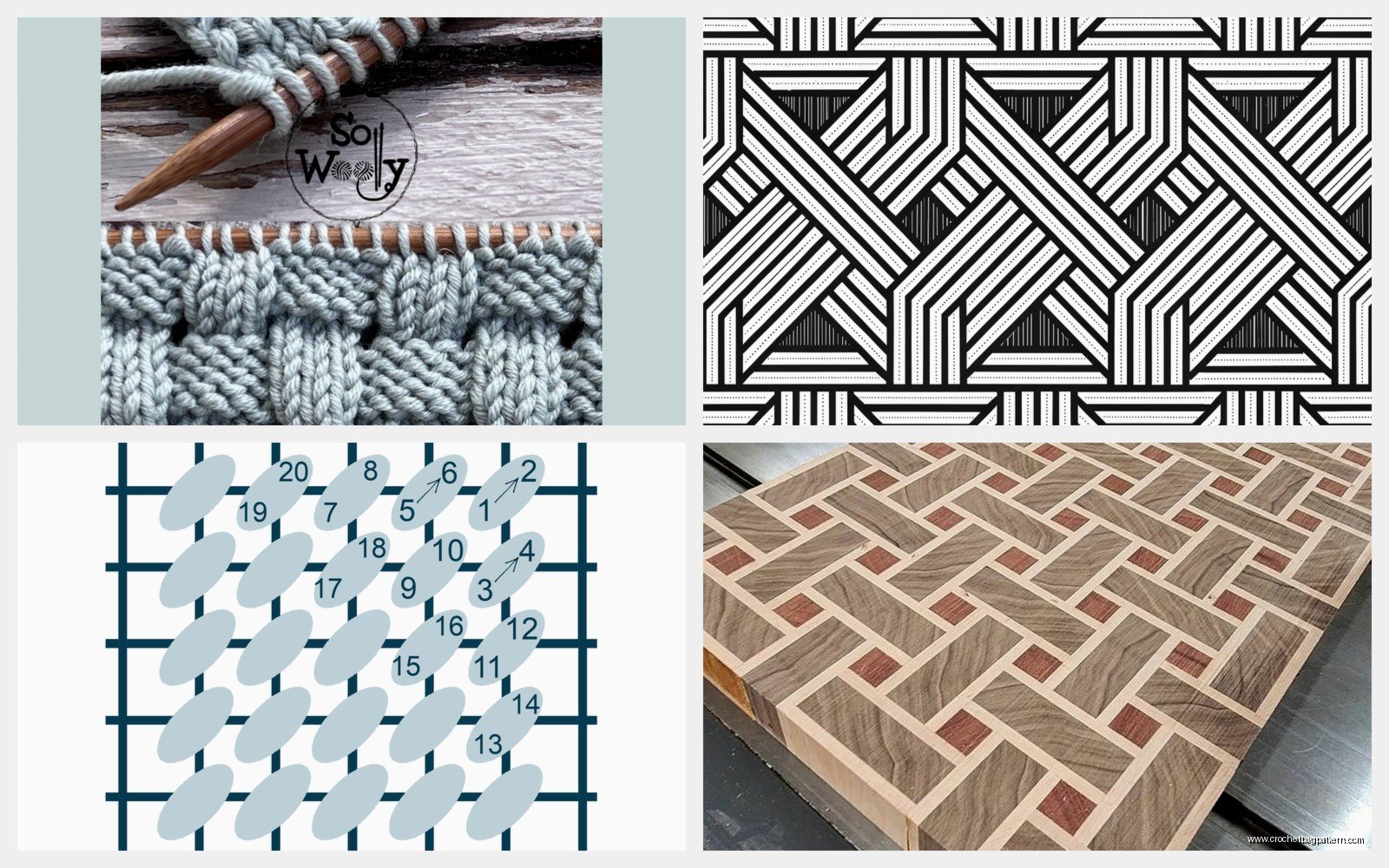
Another thing is accidentally doing a regular dc instead of a post stitch. This happens when you’re tired or distracted and you just auto-pilot through a stitch. It creates a flat spot in your texture that’s super obvious once you notice it. Sometimes I’d leave it if it was in the middle of a big blanket because honestly who’s gonna see it, but if it’s near an edge it bugs me and I have to fix it.
Not going around the entire post is a mistake beginners make. You gotta make sure your hook actually goes around the post of the stitch, not just through the loops. Otherwise it’s just a weird regular stitch and doesn’t create the texture.
variations you can try
Instead of doing blocks of 4, you can do blocks of 6 or 8 for a chunkier weave pattern. I did a scarf once with blocks of 3 and it was too tight and small-looking, didn’t really read as basketweave from a distance. Bigger blocks show up better.
You can also do this with half double crochet instead of double crochet. Front post hdc and back post hdc make a tighter, denser fabric that’s good for things like pot holders or trivets. I made coasters with that variation using Lily Sugar’n Cream cotton yarn and they turned out pretty sturdy.
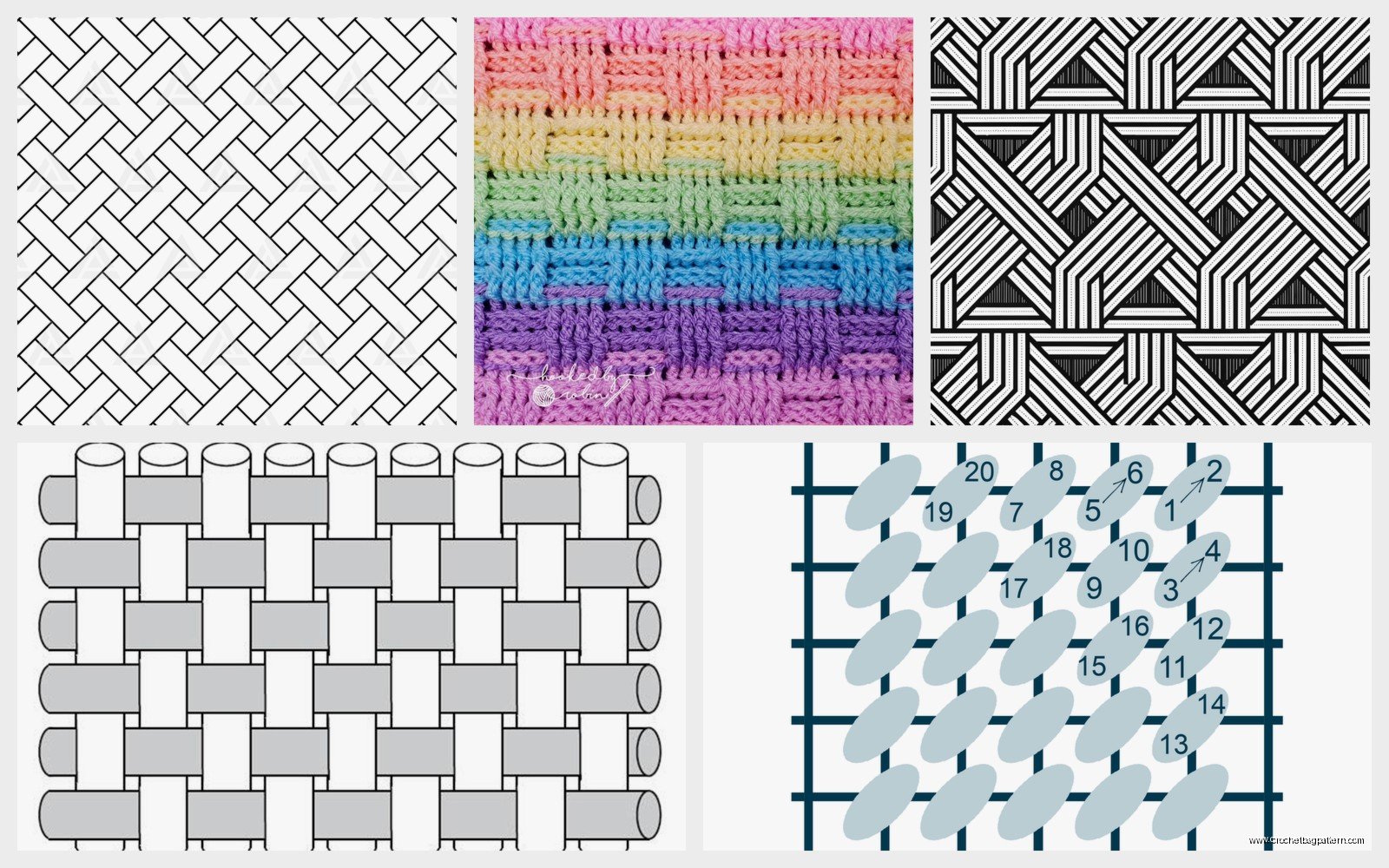
There’s also a diagonal basketweave where you offset the blocks by one or two stitches each row instead of stacking them directly on top of each other. Creates a diagonal pattern that looks cool but is harder to keep track of. I tried it once and gave up halfway through because I kept losing my place.
yarn recommendations based on what I’ve used
Caron Simply Soft like I mentioned is great for blankets and baby stuff because it’s soft and the stitch definition is really clear. Comes in a million colors too.
Red Heart Super Saver is cheap and works fine for practice or things that need to be durable like pillows or bags. The texture is a bit scratchy but it softens up after washing. Good stitch definition though.
Lion Brand Wool-Ease is nice if you want something warmer. I made a lap blanket with it in their “Fisherman” color which is like an off-white cream color. The wool blend makes the stitches pop really nicely and it’s got good drape.
For cotton projects Lily Sugar’n Cream is the standard. I’ve also used Bernat Handicrafter Cotton which is basically the same thing. Both work well for kitchen items or summer blankets.
sizing and gauge stuff
Gauge matters more for clothing than it does for blankets obviously, but you should still do a swatch if you’re making something that needs to be a specific size. My gauge with worsted weight yarn and a 5mm hook usually comes out to about 14 stitches and 8 rows per 4 inches in basketweave, but that’s gonna vary based on your tension.
The fabric you get with basketweave is thicker than regular double crochet because of all the post stitches. It doesn’t have as much drape, it’s stiffer and holds its shape better. Good for structured things, not so good for flowy garments.
If you want a blanket that’s 40 inches wide, you’d need like 140 stitches in your foundation chain (that’s 17 repeats of 8 plus 2 for turning, roughly). But honestly I usually just chain until it looks about the right width and then count to make sure it’s a multiple of 8.
finishing and blocking
Blocking basketweave doesn’t do a ton because the texture is so dimensional. I usually just wash and lay flat to dry. If the edges are curling you can pin them out while it dries but the post stitches kind of prevent it from laying completely flat anyway.
For seaming pieces together like with that pillow cover, I just used whip stitch with the same yarn. Tried to match up the blocks so the pattern continued across the seam but honestly it’s not that noticeable if you’re off by a stitch or two.
Weaving in ends is annoying with this stitch because there’s so much texture. I usually weave them horizontally through the back posts for a few inches and then trim. They stay put pretty well because the fabric is so dense.
pattern example for a dishcloth
This is a small project that’s good for practicing the stitch. Chain 34 with worsted weight cotton yarn and a 5mm hook.
Row 1: dc in 3rd chain from hook and across. You should have 32 dc.
Row 2: ch 2, turn. FPdc around first 4 stitches, BPdc around next 4 stitches. Repeat across, ending with regular dc in turning chain.
Rows 3-4: ch 2, turn. Work FPdc around FPdc and BPdc around BPdc from previous row.
Row 5: ch 2, turn. BPdc around first 4 stitches, FPdc around next 4 stitches. Repeat across, ending with regular dc in turning chain.
Rows 6-8: ch 2, turn. Work BPdc around BPdc and FPdc around FPdc from previous row.
Repeat rows 2-8 until your dishcloth is square, probably around 24-28 rows total. Fasten off and weave in ends.
troubleshooting when it looks wrong
If your blocks aren’t lining up and the pattern looks scattered, you probably miscounted your foundation chain. It has to be a multiple of 8 or the blocks won’t stack properly.
If it’s pulling in on the sides and getting narrower as you go, your tension is too tight on the post stitches. Try to keep them loose, especially the back post ones.
If there are gaps or holes in the fabric, you might be missing stitches or not completing the post stitches fully. Make sure you’re yarning over and pulling through all the loops like you would for a regular dc.
Sometimes the first few rows look kinda rough and then it evens out as you get into the rhythm. Don’t judge your project too harshly until you’ve done at least 2 full pattern repeats which would be like 16 rows.
The thing about basketweave is it’s really forgiving in terms of small mistakes because there’s so much texture happening that minor inconsistencies blend in. It’s not like a lace pattern where one missed stitch ruins the whole thing. That’s probably why I keep coming back to it for projects where I wanna watch TV or just zone out while crocheting.
