
Jun
okay so triangle shawls are actually way easier than they look
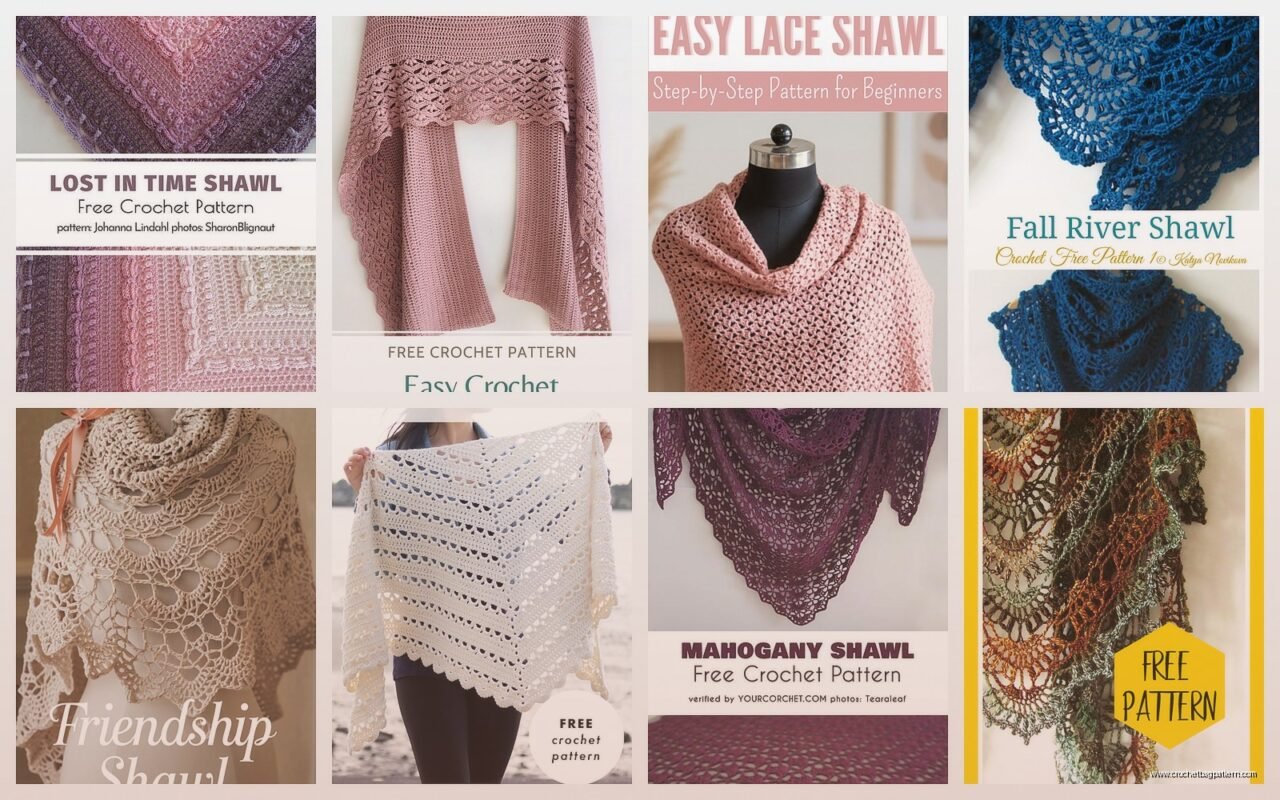
I made my first real triangle shawl in spring 2022 when I was supposed to be organizing my closet but instead just sat on the couch for like three days straight. The thing about triangle shawls is they’re basically just increasing rows over and over until you decide you’re done, which is honestly kind of perfect if you don’t want to think too much.
So you’re gonna start with a few chain stitches. Most patterns say like 4 or 5 chains. Then you work back across those chains and here’s where it gets—well, there are different methods but the easiest one I found is just doing increases on both ends of every row OR every other row depending on how wide you want the angle to be. I usually do every other row because it looks more balanced and doesn’t eat through yarn as fast.
the basic triangle construction thing
You chain 4, then turn and work 2 double crochet in the same stitch. That gives you your first little corner. Next row you chain 3 (counts as first dc), then work across until the last stitch, and in that last stitch you do 2 dc. So you’re adding one stitch per row on one side. But wait that makes a right triangle not an even triangle, so actually most people do the increase in the CENTER of the row instead.
Let me back up because I’m explaining this backwards probably. The method I actually use now is: chain 4, turn, work 3 dc into the 4th chain from hook. That’s your starting point. Then each row you’re gonna chain 3, work dc across until you hit the middle stitch (you’ll mark it with a stitch marker trust me), and in that middle stitch you do 3 dc instead of 1. Then continue working dc to the end. This creates increases on both sides evenly.
I used Caron Simply Soft for that first shawl in spring 2022 and it was the “Plum Wine” color which looked way prettier in the skein than it did worked up honestly. The yarn itself was fine, really smooth to work with, but the color just looked kinda flat. My cat kept attacking the ball of yarn every time I set it down which added like an hour to the whole project.
wrap shawls are different and also not different
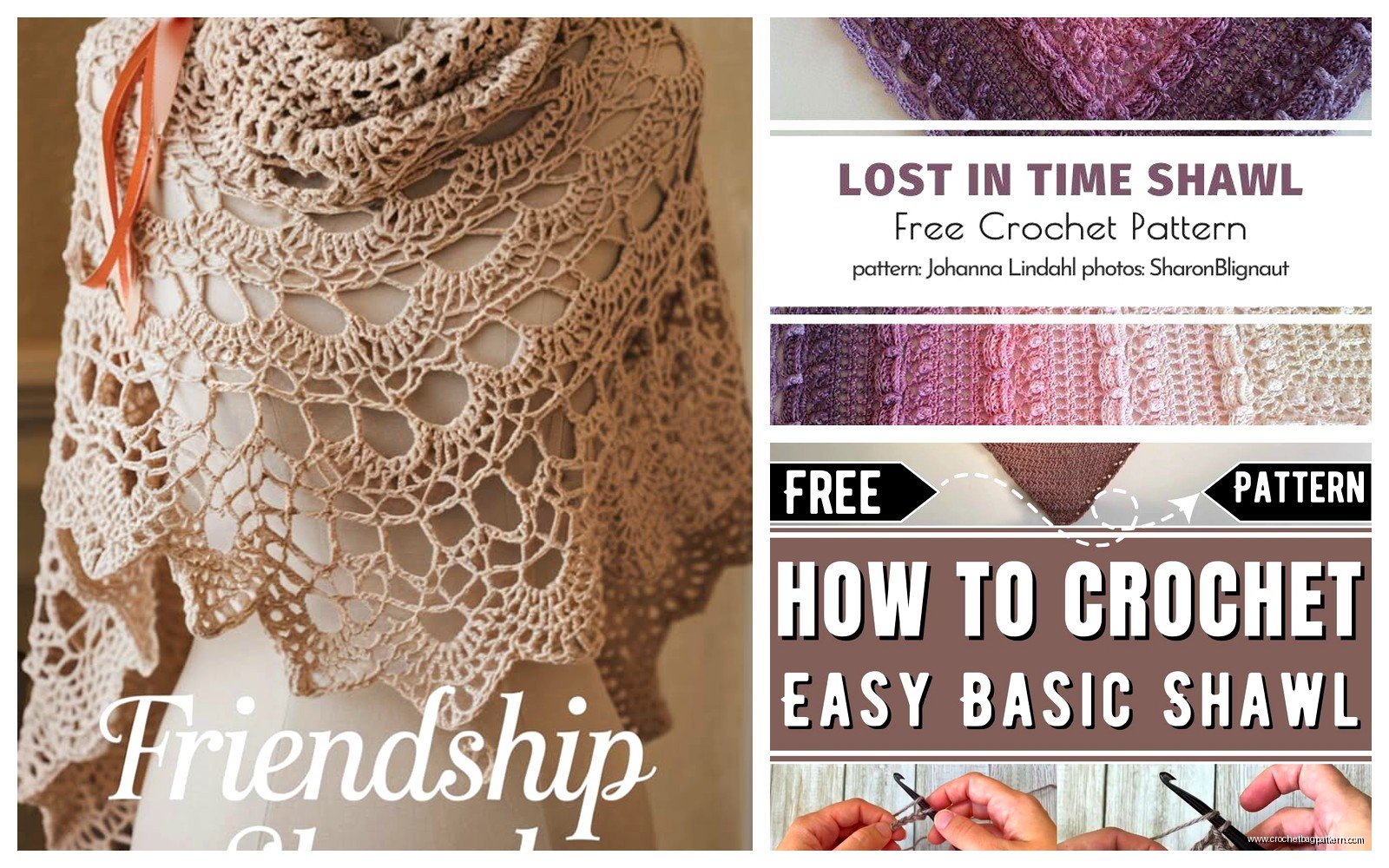
Okay so wrap shawls or rectangular shawls are literally just making a really long rectangle. You chain however wide you want it—I usually do like 200-250 chains for an adult wrap—and then you just work rows back and forth forever until it’s long enough to wrap around your shoulders twice or whatever.
The annoying thing about wraps is that they take SO MUCH YARN and you don’t realize it until you’re like halfway through and you’re on your third skein and wondering if you have enough. I always buy an extra skein now because I got burned on this in summer 2024 when I was making one as a gift and ran out with like 10 rows left to go. Had to wait four days for the yarn store to restock that color (it was Red Heart Super Saver in “Coffee” I think? or maybe “Cafe Latte” one of those brown ones).
For wrap shawls you can do literally any stitch pattern. I like doing:
- all double crochet because it works up fast and has nice drape
- granny stripe which is just dc, chain 1, skip 1, dc repeated forever
- moss stitch which is single crochet and chain 1 alternating but it takes FOREVER
- shell stitch if I’m feeling fancy but honestly it eats yarn like crazy
the thing that actually annoyed me most
The most annoying part of making shawls is the weird curling thing that happens at the edges. Like you’re working along and everything looks fine but then you lay it flat and the edges are all wavy or curled under. This happens because of tension usually or because the foundation chain is too tight. I fixed this by going up a hook size JUST for the foundation chain, then switching back to my normal hook for the rest. Game changer honestly.
Also blocking. Everyone talks about blocking like it’s optional but it’s really not if you want your shawl to look like an actual shawl and not a lumpy blanket scarf. I didn’t block my first few projects because I didn’t have blocking mats or pins and they just looked… sad. You can use foam floor tiles from the dollar store though, that works fine. Get your shawl damp (not soaking), pin it out to the shape you want, and let it dry. For triangle shawls you’re gonna need a LOT of pins to get those edges straight.
yarn choices matter more than you think
So I’ve used a bunch of different yarns for shawls and here’s what I figured out. Acrylic yarn like Red Heart or Caron is cheap and easy to care for but it doesn’t have the same drape as natural fibers. Your shawl will be more stiff and structured. Which is fine for some things! But if you want that flowy elegant look you see in pictures you gotta use something with wool or cotton or bamboo in it.
I made a shawl with Lion Brand Wool-Ease in fall 2023 and the drape was SO much better than acrylic. It was the “Fisherman” color which is just white basically but it looked really nice. The wool blend made it warm but not heavy. Only problem is you can’t just throw it in the washing machine, you gotta hand wash it or at least use delicate cycle which I forget to do half the time.
Bernat Softee Chunky is good if you want to make something fast because the chunky weight works up quick. I made a wrap shawl in like two evenings while binging that show—what was it called—The Bear I think? Anyway chunky yarn makes a bulkier finished project which some people like for winter but it’s not as versatile.
pattern variations because the basic triangle gets boring
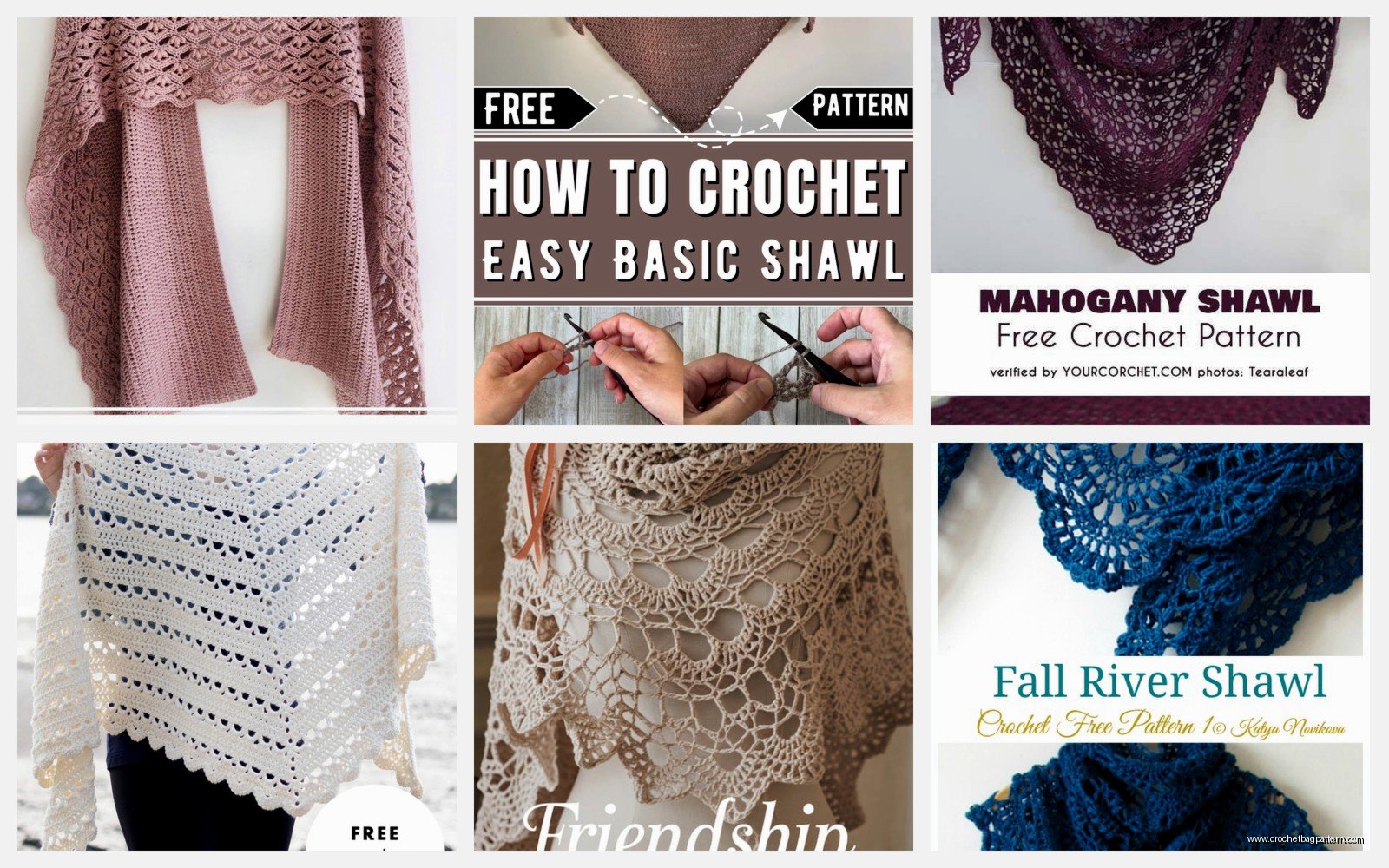
Once you’ve made like one basic triangle shawl you’re gonna want to do something more interesting probably. Here are some variations I’ve tried:
Granny triangle: Instead of working solid dc, you do clusters of dc separated by chains. Like (3dc, chain 2, 3dc) for the center increase. Makes a lacier look and uses less yarn. I used Hobby Lobby’s I Love This Yarn for one of these and it actually turned out really nice even though that yarn gets a lot of hate online.
Virus shawl: This is a specific pattern that went viral (haha) a few years ago. It’s got this cool geometric look with increases and decreases creating points. It’s not actually that hard but it LOOKS impressive. You need to follow the actual pattern for this one though, can’t really wing it.
C2C triangle: Corner to corner technique but stop increasing at some point so it forms a triangle instead of a square. This creates a diagonal texture which looks cool. Takes longer than regular rows though because you’re constantly starting and stopping little squares.
actual measurements and math stuff
Okay so if you want your triangle shawl to be a specific size you gotta do a little math which I hate but whatever. Measure across your shoulders—like from wrist to wrist when your arms are out. That’s roughly how wide your shawl should be at the widest point. Usually that’s like 60-70 inches for an adult.
For the depth (how far down your back it hangs), most people like 24-30 inches. You can measure as you go. Just literally hold it up to yourself every once in a while and see if it looks right.
Rectangular wraps I usually make about 20-24 inches wide and 60-80 inches long. The longer ones can wrap around twice which is nice. But honestly I just make them until I run out of yarn or get bored, whichever comes first.
border situation
You don’t HAVE to put a border on a shawl but it does make it look more finished. The easiest border is just single crochet all the way around the edge. This also helps keep the edges from curling which I mentioned before.
If you want something fancier you can do a shell border—like (sc, skip 2, 5dc in next stitch, skip 2) repeated around. Or picot border which is just (sc, chain 3, slip stitch back into the sc) for little bumps all along the edge.
I made a triangle shawl in winter 2023 with this really elaborate border I found on YouTube and it took longer than the actual shawl body. It looked amazing but was it worth the extra 4 hours? Questionable. The yarn was Paintbox Yarns Cotton DK in some purple shade, really nice yarn actually but kinda pricey.
troubleshooting common problems
If your triangle is coming out lopsided, you’re probably missing the center stitch marker and putting your increases in the wrong spot. Count your stitches every few rows until you get the hang of it. Or you’re adding stitches accidentally at the ends of rows which I do ALL THE TIME when I’m watching TV and not paying attention.
If your wrap shawl is getting wider as you go, your tension is loosening up. Try to keep consistent tension or go down a hook size partway through. You can also block it aggressively to even things out.
If the yarn keeps splitting, you’re either using cheap yarn with a loose twist or your hook has a rough spot. I had a Boye hook that kept catching and splitting my yarn until I noticed there was a tiny burr on the tip. Sanded it down with a nail file and it was fine after that.
how much yarn you actually need
This depends on size and stitch pattern obviously but here’s my rough estimates:
- Small triangle shawl (like 50 inches wide): 400-600 yards of worsted weight
- Large triangle shawl (70+ inches wide): 800-1200 yards
- Rectangular wrap in worsted weight: 1000-1500 yards depending on length
- Chunky weight anything: less yardage but more skeins because chunky comes in smaller amounts usually
Always buy more than you think you need because dye lots are a thing and if you run out you might not be able to match it exactly. I learned this the hard way multiple times before it stuck in my brain.
fringe or no fringe
Some people love fringe on shawls and some people think it looks dated. I’m whatever about it honestly. If you want to add fringe it’s easy—cut a bunch of yarn pieces twice as long as you want the fringe to be, fold them in half, pull the loop through the edge of your shawl with your hook, then pull the ends through the loop. Tighten it up. Repeat every inch or so along the edge.
I added fringe to a wrap shawl once using this really pretty variegated yarn (I think it was Loops & Threads Impeccable in “Stonewash” maybe?) and it looked good but the fringe got tangled constantly. So now I usually skip it unless someone specifically asks for it.
the reality of how long this takes
A basic triangle shawl takes me maybe 8-12 hours total if I’m not doing anything complicated. Spread that over a few days or a week depending on how much time I have. Rectangular wraps take longer, more like 15-20 hours because there’s just more area to cover.
If you’re new to crochet it’ll take longer because you’re still building muscle memory and speed. That’s totally fine, don’t rush it. I’ve been doing this for years and I’m still not like super fast or anything. Just steady.
The spring 2022 shawl I mentioned at the beginning took me almost two weeks because I kept messing up the increases and having to frog back rows. Frogging is when you rip out your work btw, like “rip it rip it” sounds like ribbit like a frog… anyway that’s where the term comes from apparently.
Okay I think that covers most of the important stuff about making shawls. The main thing is just start with a simple pattern, use yarn you can afford to mess up with, and don’t stress too much about it being perfect because handmade stuff is supposed to look handmade you know
