
Apr
okay so pineapple stitch
so you wanna learn pineapple stitch right? i made this ridiculous table runner back in spring 2022 when my sister was getting married and i thought i’d be all fancy about it. used Red Heart Aunt Lydia’s Classic Crochet Thread in white because that’s what they had at the craft store and honestly it was fine, worked up pretty nicely even though my hands were cramping after like hour two.
the thing about pineapple stitch is it LOOKS super complicated but it’s really just a bunch of shells and chains arranged in a specific way. like once you get the rhythm you’re basically just repeating the same stuff over and over. the pattern creates these fan shapes that stack on top of each other and they’re supposed to look like pineapples i guess? i mean if you squint.
what you actually need
grab some thread or fine yarn – i’ve used Aunt Lydia’s like i said, also tried it with some Bernat Handicrafter Cotton one time and that worked too. you want something with decent drape because if your yarn is too stiff the whole lace thing just looks weird and crunchy. hook size depends on your yarn but usually you’re looking at like a 2.5mm or 3mm for thread, maybe up to 4mm for a sportweight yarn.
you’re gonna need to know basic stitches – chains, double crochet, treble crochet sometimes depending on which pineapple variation you’re doing. if you don’t know these already maybe start with something else first because jumping straight into lace patterns without the basics is just asking for frustration.
the basic pineapple setup
okay so the foundation of pineapple stitch is shells. a shell is usually like 5 or 7 double crochets all worked into the same stitch or space. you chain between shells to create the gaps that make it look lacey. the classic pineapple starts wide at the top and decreases as you work down – that’s what creates the pineapple shape.
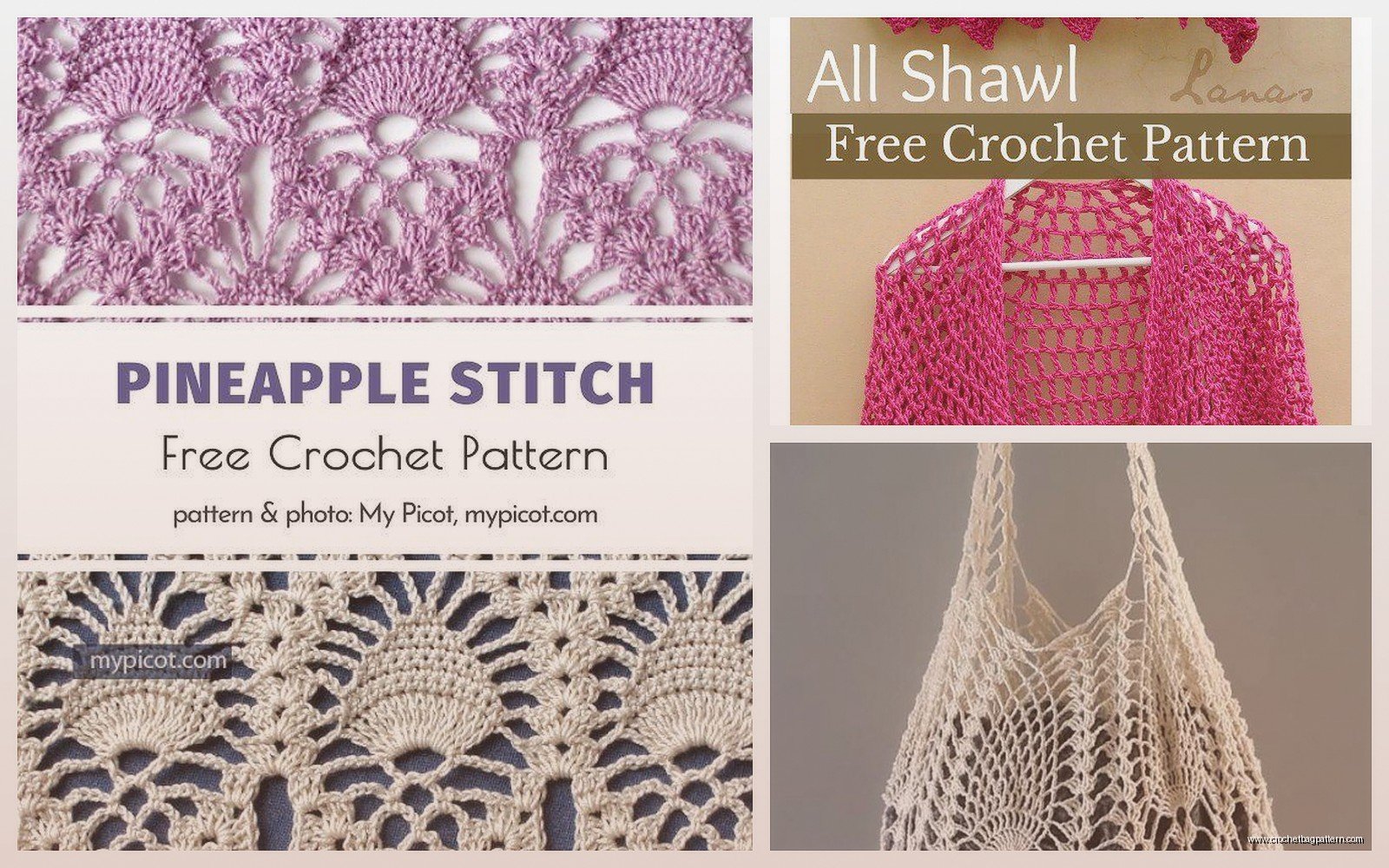
here’s how i usually start one:
foundation row: chain a multiple of whatever your pattern says – usually it’s like chain 10 plus 3 or something, depends on how wide you want it. for my table runner i chained like 200 stitches because i wasn’t thinking clearly and my table is huge.
first row: this is where you establish your shells. skip a few chains, work a shell (let’s say 5 dc) into one chain, then skip some chains, work a single crochet, skip more chains, another shell. you’re spacing them out evenly across. the skipped chains create the openwork.
building the pineapple shape
so once you have your foundation shells set up, the next rows are where the pineapple actually happens. each row you’re working into the previous row’s shells but you’re DECREASING the number of stitches in each shell as you go down.
like row 2 might be: chain 3, work 5 dc into the center stitch of the shell below, chain 2, skip to next shell, repeat. you’re creating these little chain spaces between shells.
row 3: now you work into those chain spaces AND you might reduce your shell to like 4 dc instead of 5. chain 3, work 4 dc into the chain-2 space, chain 3, single crochet into the next chain space, chain 3, next shell.
row 4: getting narrower – maybe 3 dc per shell now, chain spaces getting longer like chain 5 between elements.
you keep decreasing until you’re down to just like one or two double crochets at the bottom point of the pineapple. that’s your pineapple done. then you start the next one right above it or beside it depending on if you’re working in rows or rounds.
the annoying parts nobody tells you
okay real talk – counting chain spaces is THE WORST part of pineapple stitch. i cannot tell you how many times i got to the end of a row and realized i was off by one shell because i miscounted somewhere in the middle. with that table runner i literally had to frog back like six entire rows at one point because my pineapples weren’t lining up and it was driving me insane. my cat knocked my stitch marker off the table right in the middle of trying to figure out where i went wrong and i just… anyway.
use stitch markers. seriously. mark the center of each shell, mark your chain spaces, mark whatever you need to mark. i didn’t do this at first because i thought i was too cool for markers or whatever and i paid for it.
variations and different approaches
there’s like a million pineapple patterns out there. some people do pineapples in rounds for doilies – you start with a ring in the center and work your pineapples radiating outward. some do them in straight rows for edgings or runners like i did. there’s also pineapple motifs that you can join together to make bigger projects like tablecloths or shawls.
i tried a circular doily pattern once using some DMC Cebelia thread (size 10 i think?) and that was actually easier to keep track of than the rows because you’re just going around and around. plus you can see the pineapples forming more clearly as you work which is satisfying.
some patterns use treble crochet instead of double crochet for taller pineapples. those look more dramatic but they also use more yarn and take longer. i was watching Love Island while working on a treble crochet pineapple edging once and i got so distracted by the drama that i worked like three extra rows without realizing and had to undo it all.
tension and blocking
your tension matters SO MUCH with lace. if you crochet tight normally you gotta loosen up for pineapple stitch or it won’t have that flowy lacey look. if you crochet loose you might need to go down a hook size. i crochet pretty tight so i usually go up half a size from what the pattern recommends.
and blocking – you basically HAVE to block pineapple lace or it looks like a wrinkly mess. i pin mine out on those foam blocking mats (got mine from Joann’s on sale), spray it with water or use a spray starch if you want it really stiff, and let it dry completely. the difference between blocked and unblocked pineapple is like… it’s not even the same project honestly.
for that table runner i used heavy duty pins and stretched it out to like twice the size it was originally. the pineapples opened up, you could actually see the pattern, it looked intentional instead of like a lumpy mistake.
reading pineapple patterns
vintage pineapple patterns are written in the most confusing way possible i swear. they’ll say stuff like “work pineapple motif as established” without explaining what that means. or they use abbreviations that aren’t standard anymore. i found this gorgeous pattern from like the 1950s and it took me an hour just to decode what they meant by “tr tr” – turned out it was just triple treble crochet but they abbreviated it weird.
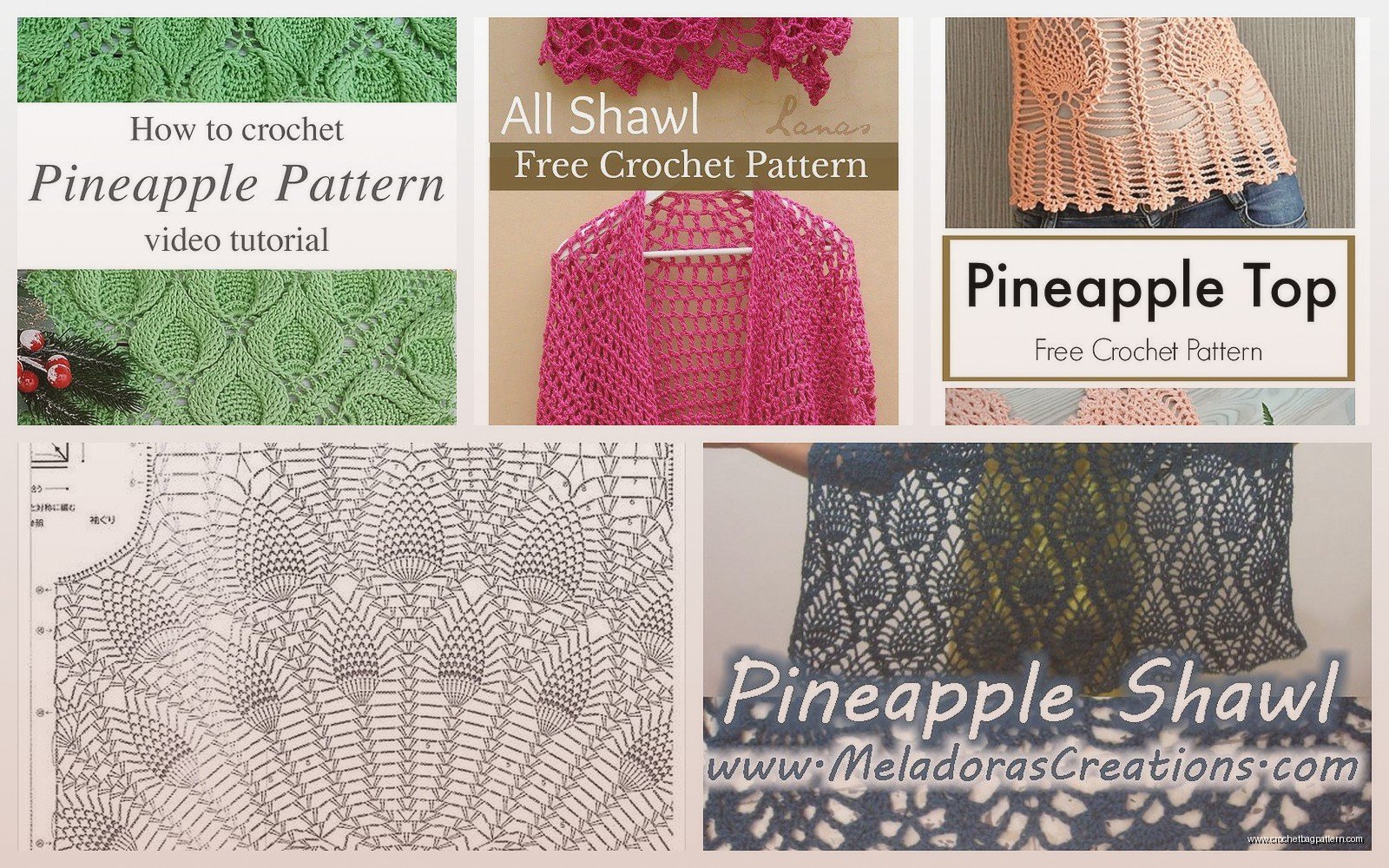
modern patterns are better usually. they break it down row by row and sometimes include charts. if you can read crochet charts the pineapple pattern is actually pretty clear visually – you can see exactly where each shell goes and how they stack.
i prefer charts now honestly because the written instructions for pineapple get SO repetitive. like “chain 3, 5 dc in next chain space, chain 2, skip next dc, dc in next dc, chain 2” times fifty… my eyes glaze over. charts just show you the structure.
project ideas beyond doilies
everyone thinks pineapple = doily but you can do other stuff. i made a really pretty shawl using Caron Simply Soft in like a light grey color, worked pineapples along the bottom edge as a border. took forever but it looked expensive when i was done.
you can also do pineapple inserts in other projects – like work a square with a pineapple motif in the center and use it as a panel in a blanket or pillow cover. mix it with solid granny squares or whatever.
curtain panels with pineapple borders look nice if you’re into that vintage cottage vibe. i haven’t made those myself but i’ve seen pictures and they’re pretty. you’d need a LOT of thread though and honestly the commitment required… i don’t know if i’m there yet.
fixing mistakes
when you mess up in pineapple stitch it’s usually pretty obvious because the symmetry gets thrown off. if you notice it right away just tink back (that’s unknitting/uncrocheting stitch by stitch) to where the mistake is.
if you don’t notice until later which honestly happens to me all the time, you gotta decide if it’s worth frogging back or if you can just… live with it. sometimes a pineapple that’s slightly wonky isn’t that noticeable in the finished piece. sometimes it bugs you forever and you have to fix it or you’ll never use the thing.
i had one pineapple on that table runner that was definitely off – one of the shells had 6 dc instead of 5 or something – and i left it because i was NOT ripping back eight rows. my sister never noticed. i know it’s there though. it haunts me.
combining pineapples with other stitches
pineapple stitch plays nice with other lace stitches usually. you can do a section of pineapples then switch to like a mesh stitch or a fan stitch. i’ve seen patterns that alternate pineapple rows with plain filet crochet rows and that looks really elegant.
you can also work pineapples on a solid background – like crochet a rectangle in single crochet or half double crochet, then applique a pineapple motif on top. that’s more advanced because you’re working in two layers basically but the effect is cool, very dimensional.
or go the other way and work solid elements INTO your pineapple lace. some patterns have you fill in certain spaces with clusters or popcorn stitches to create texture variation. i tried this once with some Lily Sugar’n Cream cotton yarn for a dishcloth (yes a pineapple dishcloth, i was bored) and it was actually really cute even though it’s probably too fancy for washing dishes.
yarn choices that worked for me
besides the ones i already mentioned – Aunt Lydia’s, DMC Cebelia, Bernat Handicrafter – i’ve also used:
- Knit Picks Curio – this is a laceweight yarn that comes in pretty colors and it’s cheap. worked great for a pineapple scarf i made
- Omega size 10 thread – bought this at a yarn shop that was going out of business, it’s nice thread, very smooth
- random acrylic sport weight from Michael’s (i think Loops & Threads Impeccable?) – used this for practicing because it was on clearance and i didn’t wanna waste good thread while learning
cotton is traditional for pineapple because it blocks well and holds its shape. acrylic works fine though, just doesn’t get quite as crisp when you block it. i haven’t tried wool for pineapple lace because it seems like it would be too… fluffy? like the stitch definition wouldn’t be as clear. but maybe with a wool-silk blend or something it could work.
how long does it take
depends completely on the size of your project and how detailed the pattern is. that table runner took me like three weeks of working on it most evenings. a simple pineapple doily might take one evening or a weekend. a full tablecloth would take months probably, i’ve never attempted one because that’s just too much commitment for me right now.
the thread-weight projects take longer because you’re working with tiny stitches. but they also look more delicate and impressive when done. it’s a tradeoff – time versus impact i guess.
why pineapples anyway
i looked this up once when i couldn’t sleep – apparently pineapples were like a symbol of hospitality in colonial America because they were exotic and expensive. people would literally rent pineapples to display at parties. so pineapple motifs on linens and stuff was showing off basically. now we just do it because it looks pretty and it’s traditional.
the pattern itself is old – like victorian era or maybe earlier? it’s been passed down and adapted so many times that there’s no one “correct” pineapple stitch, just variations on the same basic concept of shells decreasing to create that tapered shape.
tips that actually help
work in good light because counting stitches in thread-weight crochet with bad lighting is a recipe for headaches. i have a desk lamp that i specifically use for crochet now.
keep notes as you go especially if you’re modifying a pattern or working from a vague vintage pattern. i write down what row i’m on, how many stitches per shell, anything that’s different from the standard pattern. saves so much confusion later.
don’t start a pineapple project the night before you need it finished. just don’t. build in way more time than you think you’ll need because you WILL make mistakes and you WILL have to redo sections.
take breaks. your hands will cramp especially with thread and small hooks. i learned this the hard way and now i try to stop every hour or so and do something else for a bit.
if a pattern isn’t making sense after you’ve tried it a few times, find a different pattern. there’s enough pineapple patterns out there that you don’t have to struggle with one that’s poorly written or just doesn’t click with how your brain works. i spent way too long trying to force a pattern once when i should’ve just found a different version of the same basic design.
and yeah that’s pretty much pineapple stitch. it’s repetitive, it’s fiddly, counting is annoying, but when it’s done and blocked it looks really impressive and people think you’re some kind of crochet genius even though it’s mostly just patience and being able to count to five repeatedly.
