
May
Getting Started with 3mm Hooks and Thread
So you wanna work with a 3mm hook which honestly is kinda my favorite size for thread work even though it’s not technically the “right” size for a lot of lace patterns but whatever. I started using 3mm hooks back in spring 2022 when I was making this ridiculous doily for my mom’s birthday and I’d bought the wrong size thread – got size 10 when I should’ve gotten size 20 or something – and just grabbed a bigger hook to compensate.
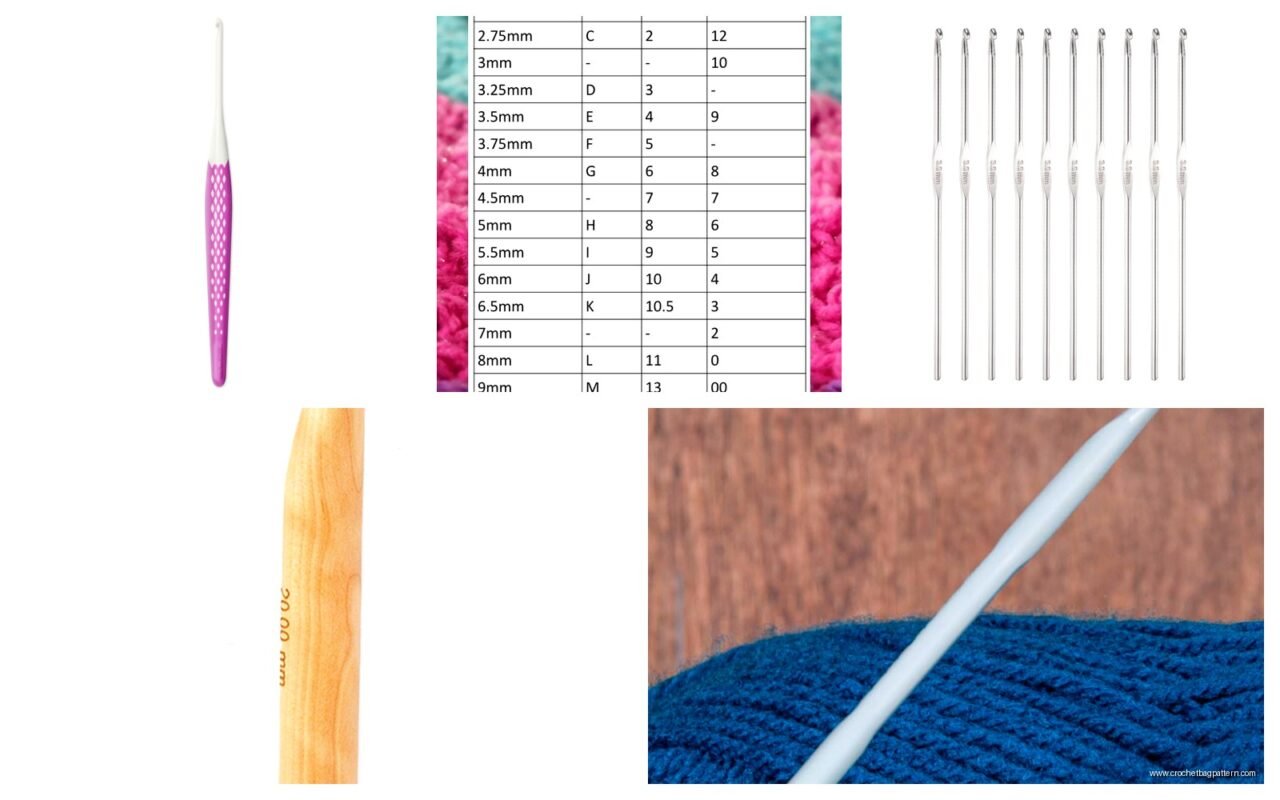
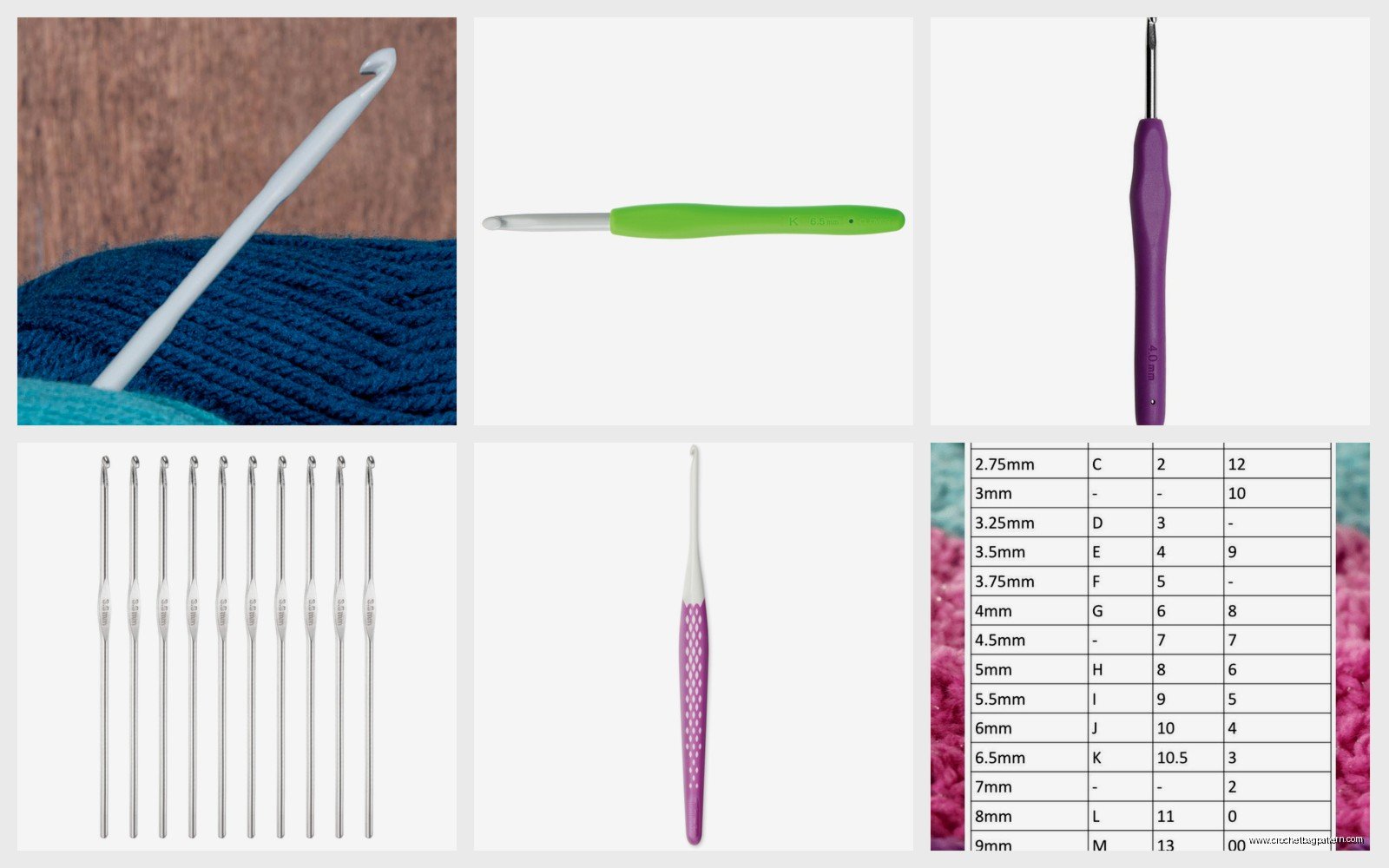
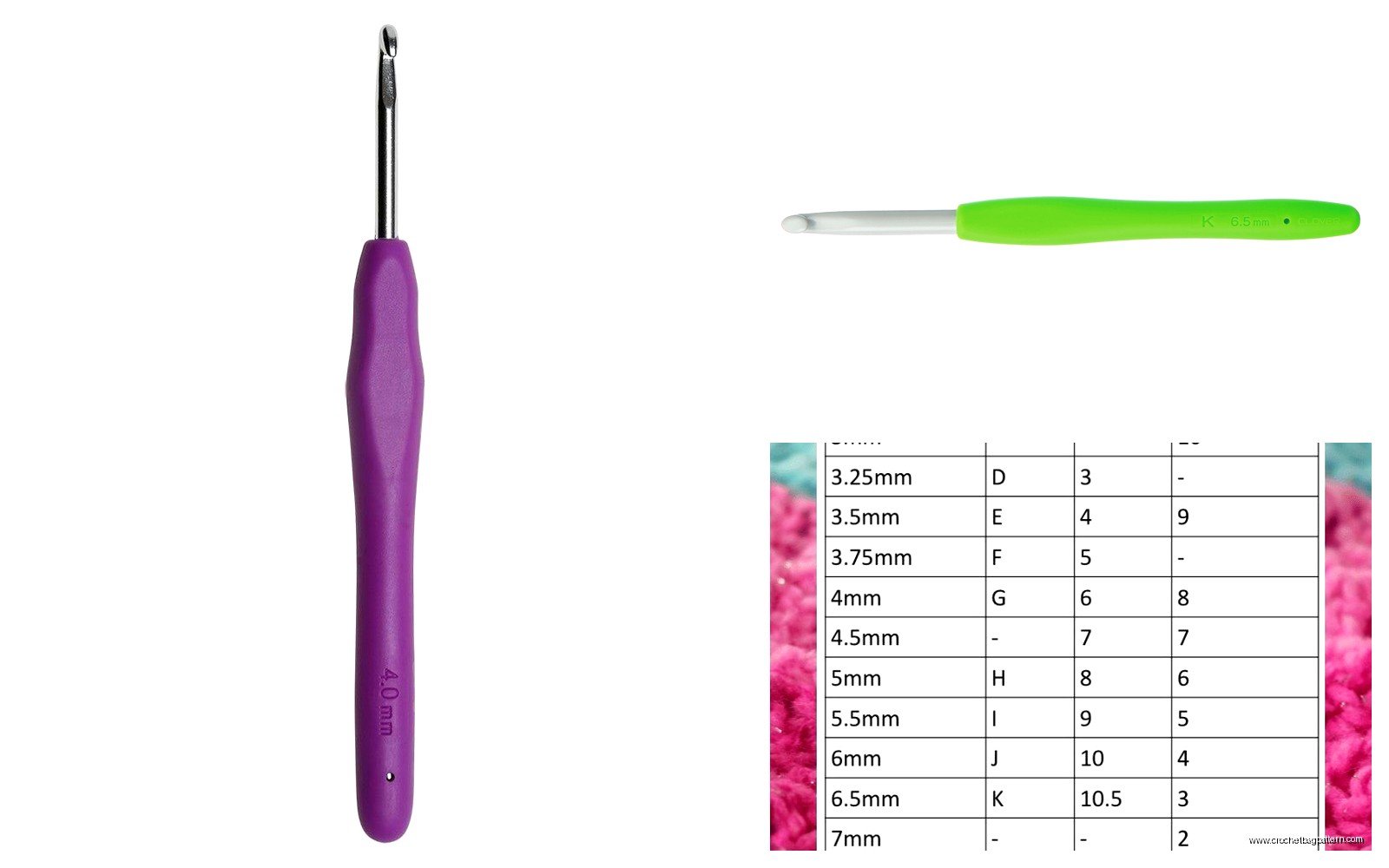
The thing about 3mm is it’s like this weird in-between size. It’s labeled as a C or D hook depending on the brand which is annoying because there’s no consistency. I have a Clover Amour 3mm that I love because the handle is actually comfortable, and then a random Susan Bates one that’s fine but the throat is shaped slightly different so my tension changes between them.
Thread Weights That Actually Work
Okay so with a 3mm you’re mostly looking at size 10 or size 5 crochet thread. Size 3 works too but it gets bulky fast. I’ve used Aunt Lydia’s Classic Crochet Thread size 10 a ton – they have it at basically every craft store and it comes in like a million colors. The white and cream are slightly different textures for some reason, the cream is a bit softer.
DMC Cebelia is another one I’ve tried, it’s a little more expensive but the twist is tighter so it doesn’t split as much. That was actually a huge problem I had with the cheaper threads – they’d split constantly and I’d end up crocheting through only part of the thread and my stitches would look messy. Super annoying when you’re trying to make something delicate and every fifth stitch is wonky because the hook grabbed wrong.
Size 5 thread with a 3mm hook gives you a more substantial fabric. I made a market bag in summer 2024 using Lily Sugar’n Cream which isn’t technically thread but it’s that really thin cotton yarn that’s almost thread-weight. Used the Warm Brown color because I was watching Bridgerton at the time and wanted everything to look vintage I guess? My cat kept attacking the ball of yarn while I worked on it so there’s probably cat hair embedded in that bag forever.
Gauge Doesn’t Really Matter Until It Does
Nobody really talks about gauge with thread crochet because most people are making decorative stuff where exact size doesn’t matter. But if you’re making wearables or something that needs to fit, you gotta actually check. My general gauge with size 10 thread and a 3mm hook is like 8-9 stitches per inch in single crochet, but that changes depending on how tight I’m working that day.
Tension is weird with thread because it’s so thin that you don’t realize you’re strangling it until your hand cramps up. I hold thread differently than regular yarn – it wraps around my pinky twice instead of once because otherwise it just slides through too fast.
Basic Lace Patterns
Most lace patterns are just combinations of chains and double crochets with some triple crochets thrown in. The main stitches you need are:
- Chain stitch obviously
- Slip stitch for joining
- Single crochet but you won’t use it as much as you think
- Double crochet which is like 80% of lace patterns
- Triple crochet for the really open lacey parts
- Picots which are just chain-3 slip stitch back into the first chain
The annoying thing about lace patterns is they’re written in this old-fashioned way with abbreviations that aren’t standardized. One pattern will say “dc” and mean double crochet, another pattern from a UK designer means single crochet because they use different terminology. Always check where the pattern is from.
Shell Stitch Patterns
Shell stitches are your friend with thread work. Basic shell is usually 5 dc in the same stitch, skip 2, sc, skip 2, repeat. With a 3mm hook and size 10 thread this creates a nice drape without being too stiff. I made a bookmark using this pattern and it actually stays flat instead of curling which most of my bookmarks don’t do.
You can vary shells by changing the number of dc – 3 dc makes a smaller shell, 7 dc makes it more dramatic. Or do (2dc, ch1, 2dc) in the same stitch for a split shell that has a little hole in the middle.
Filet Crochet
Filet is that grid-looking lace where you fill in squares to make pictures or patterns. It’s all double crochet and chains. An open square is usually dc, ch2, skip 2, dc. A filled square is 4 dc. You follow a chart instead of written instructions which is either way easier or completely confusing depending on how your brain works.
I tried making a filet table runner with Red Heart Aunt Lydia’s in Bridal White and gave up after like 12 rows because counting squares made my eyes cross. Still have that unfinished thing in a bag somewhere. The problem with filet is one mistake early on throws off your entire count and you don’t notice until you’re 50 rows in.
Working in Rounds vs Rows
Most lace stuff is worked in rounds – doilies, mandalas, coasters, that kind of thing. You start with a center ring, either a magic ring or chain-6 joined into a circle. Magic ring is better because you can tighten it so there’s no hole in the middle, but with thread it’s tricky because the thread can cut into your finger when you pull it tight.
Each round usually starts with chains that count as the first stitch. So if the pattern says “ch3 (counts as dc)” that means your chain-3 IS your first double crochet, don’t work another dc in that same space. At the end of the round you slip stitch into the top chain of that beginning chain-3. This creates a seam that’s visible if you look close but it’s just how it works.
Working in rows is more like regular crochet but you need to pay attention to your turning chains. Thread shows every mistake so if you forget to work into the turning chain at the end of a row, that edge is gonna look wonky.
Increasing in Lace
Lace patterns increase by adding more stitches or spaces in each round. A common pattern is:
Round 1: 12 dc in ring
Round 2: 2 dc in each dc (24 dc)
Round 3: *dc, 2dc in next* repeat (36 dc)
Round 4: *dc in 2, 2dc in next* repeat (48 dc)
But usually there are chains and spaces involved so it’s more like increasing the number of shells or fans instead of individual stitches. The math is the same concept though – you’re adding more repeats as you go outward.
Blocking Is Actually Necessary
I hate blocking but with thread lace you really gotta do it or it looks crumpled and sad. Thread needs to be stretched and pinned to show the pattern properly. I use those foam tiles that interlock – got them at Harbor Freight for like $10 – and a million straight pins.
Wet blocking works better than steam for thread. Soak your finished piece in water with a tiny bit of fabric softener for 15 minutes, squeeze out excess water in a towel, then pin it out on the foam. Pull it into shape and pin every point and scallop. Let it dry completely which takes forever, like overnight at least.
The annoying thing I mentioned earlier? Pinning out a doily with like 80 points around the edge takes SO LONG and my back hurts from leaning over and you have to get them evenly spaced or it looks lopsided. That spring 2022 doily took me probably 45 minutes just to pin out.
Common Pattern Elements
Once you’ve made a few lace things you start recognizing the same elements repeated:
Clusters
A cluster is multiple stitches worked partway then joined at the top. Like a 3-dc cluster: yo, insert hook, pull up loop, yo pull through 2 (2 loops on hook), do that same thing 2 more times in different stitches, then yo and pull through all 4 loops. Creates a decrease or a textured bump.
V-Stitch
V-stitch is (dc, ch1, dc) in the same stitch or space. Makes a V shape obviously. These are everywhere in lace patterns. Sometimes it’s (dc, ch2, dc) for a wider V.
Fan Stitch
Similar to shell but usually has chains between the dc. Like (2dc, ch1, 2dc, ch1, 2dc) all in the same spot. More open and lacey than a regular shell.
Pineapple Motif
Pineapples are that classic lace shape that’s wide at top and tapers down. It’s usually a series of shells or clusters that decrease in size. Pineapple patterns are really popular for table runners and shawls. They look complicated but it’s just following the same decrease pattern over several rows.
Thread Colors and Combinations
White and cream are traditional for lace but honestly colored thread is more fun. Aunt Lydia’s has colors like Orchid Pink and Warm Teal that are really pretty. The darker colors show stitch definition better which is good when you’re learning because you can see what you’re doing.
I wouldn’t recommend black thread for beginners because you literally cannot see your stitches. It’s like crocheting in the dark. Even with good lighting it’s hard to find where to insert your hook.
Variegated thread can be cool but it hides the pattern. That ombre effect looks nice in simple stitches but if you’re doing complex lace the color changes distract from the design. Solid colors show off lacework better.
Actual Project Ideas
Coasters are a good starting point because they’re small and if you mess up it’s not a huge time investment. Make them 4-5 inches across. I use mine under cold drinks because the thread soaks up condensation… which probably means I should’ve used acrylic thread instead of cotton but whatever.
Bookmarks are even simpler – just a strip of lace pattern 2-3 inches wide and 8 inches long. Add a tassel at one end by wrapping thread around a piece of cardboard 20 times, tying it at the top, cutting the bottom loops.
Doilies are the classic thread crochet project but they’re kinda old-fashioned. I mean they’re beautiful but what do you actually do with a doily in 2024? I made one that’s like 18 inches across and it’s currently under a plant on my coffee table.
Snowflakes for Christmas ornaments are fun – small medallions that you stiffen with sugar water or fabric stiffener. Thread a ribbon through and hang them.
Edgings for pillowcases or towels if you want something practical. Work a strip of lace and sew it onto fabric. Gives plain linens a fancy look.
Troubleshooting Common Issues
If your thread keeps splitting, try a hook with a smoother throat or a different thread brand. Sometimes the hook has a rough spot that catches – you can smooth it with very fine sandpaper if it’s metal.
If your tension is too tight and the fabric is stiff, consciously loosen your grip. Thread doesn’t need as much tension as regular yarn. Let it flow through your fingers more.
If you lose your place in a pattern, use stitch markers every repeat. With lace you can’t really see individual stitches as easily as with regular yarn so markers help track where you are.
If your rounds are spiraling instead of staying flat, you might be working continuously instead of joining each round. Most lace patterns join at the end of each round with a slip stitch. Check the pattern instructions.
Random Tips
Work in good lighting. Natural light is best but a bright lamp works. Thread is thin and you need to see clearly.
Take breaks because your eyes will get tired. I can only do like an hour of thread work before I need to look at something far away for a while.
Keep your thread clean – hands get oily and dirt shows on white thread. I wash my hands before starting and try not to eat chips while crocheting or anything.
Store finished pieces flat between tissue paper so they don’t get crushed. Or frame them if they’re decorative.
Don’t be afraid to go off pattern – once you understand the basic structure you can add extra rounds or change colors or modify the design. Thread crochet seems precious and exact but it’s still just loops of thread, you can do whatever you want with it really.
