
May
Starting With Pineapple Patterns
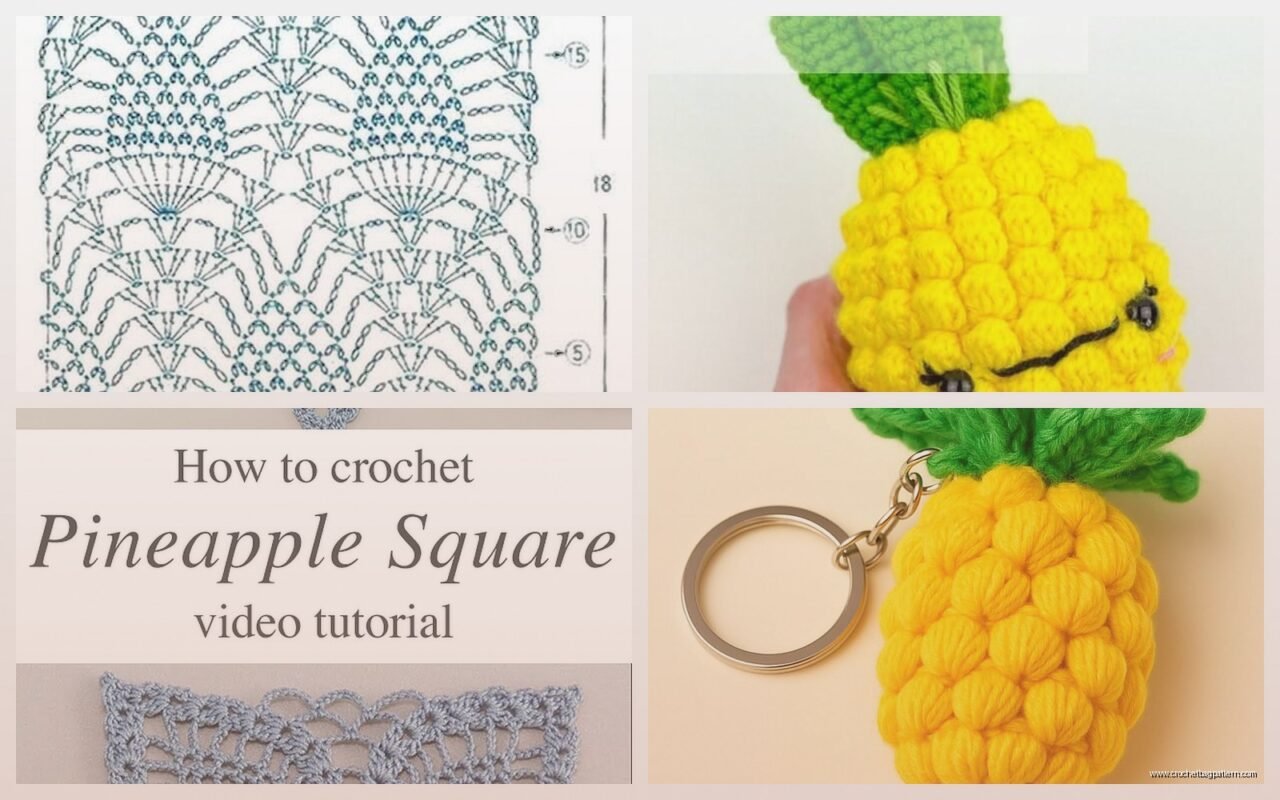
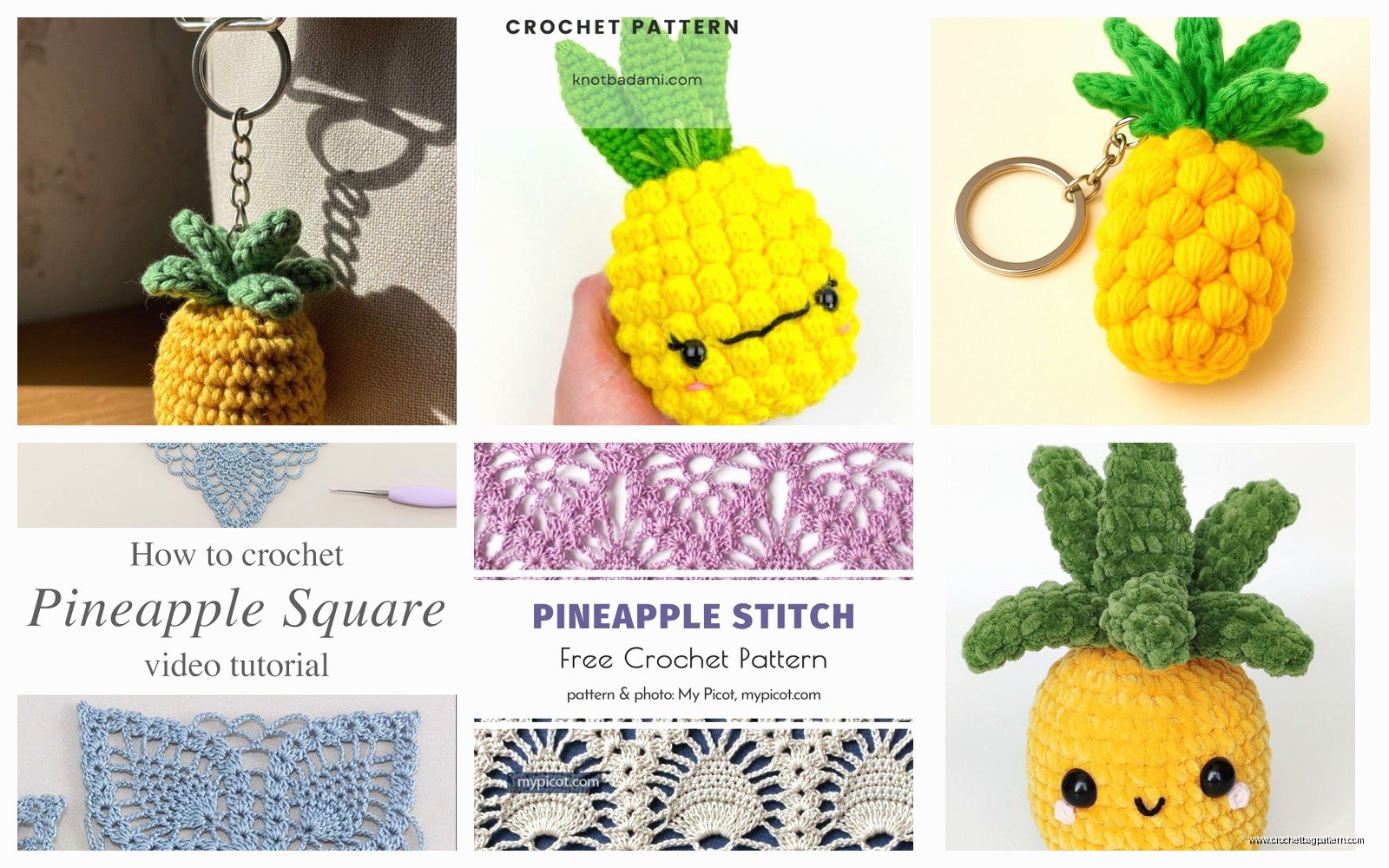
So pineapple crochet is basically those lacy designs where you’ve got this fan shape that looks like pineapple skin if you squint at it. I made my first real pineapple doily back in spring 2022 when I was stuck at home with nothing to do and my sister kept sending me these vintage pattern photos on Pinterest. The pattern uses a lot of chain stitches and double crochets arranged in a way that creates these oval or teardrop shapes that radiate outward.
You’re gonna need thin thread usually, not regular yarn. Most pineapple stuff uses crochet thread which is different from the chunky yarn you’d use for a blanket or whatever. I used Aunt Lydia’s Classic Crochet Thread size 10 in white for that first doily because that’s what they had at the craft store and honestly it was fine. Some people swear by DMC Cora but I haven’t noticed a huge difference myself.
Understanding The Basic Pineapple Shape
The pineapple motif starts with a base of chains and then you work upward in rounds or rows depending on the pattern. Each “pineapple” section has a beginning that’s narrow, then it fans out wider in the middle, then tapers back down at the tip. The way you make this happen is by increasing the number of chain spaces in the middle rows and then decreasing them again.
A typical pineapple section might look like this: you start with maybe 3 chain spaces at the base, then work up to 5 or 7 in the middle section, then back down to 3 or 1 at the top. Between each chain space you’re usually doing a single crochet or slip stitch to anchor it. The chain spaces themselves are often ch-3 or ch-5 depending on how open and lacy you want it.
Reading Vintage Patterns vs Modern Ones
Okay so one thing that really annoyed me about pineapple patterns is that so many of the prettiest ones are vintage patterns from like the 1940s or 50s and the instructions are written in this old style that’s hard to follow. They don’t use the same abbreviations we use now and they assume you already know what they’re talking about. Modern patterns at least have stitch counts and clearer round-by-round instructions.
Vintage patterns will say stuff like “work pineapple in usual manner” and you’re supposed to just know what that means. Or they’ll give you a diagram but no written instructions at all which is actually sometimes easier if you can read crochet diagrams but I didn’t learn that way so it took me forever to figure out.
Choosing Your Project
Pineapple patterns show up in a bunch of different projects. Doilies are the most common obviously but you also see pineapple lace in table runners, bedspreads, shawls, even dress inserts or trim. I’d say start with something small like a doily or maybe a bookmark if you can find that pattern because committing to a bedspread when you’ve never done pineapple before is just setting yourself up to have a UFO (unfinished object) sitting in your closet for three years.
The doily I made in 2022 was about 14 inches across when I finished it and blocked it. Blocking is super important with pineapple lace by the way, like you can’t really see the pattern properly until you block it. More on that later.
What Size Hook and Thread
Most pineapple patterns use a steel hook which is different from regular aluminum hooks. Steel hooks go by different numbers – the higher the number, the smaller the hook. So a size 7 steel hook is bigger than a size 9. I used a size 7 steel hook with that Aunt Lydia’s size 10 thread which is pretty standard.
If you use thicker thread like a size 3, you’d use a bigger hook, maybe a size 5 or even a regular aluminum hook in size B or C. The thread label usually tells you what hook size to use but honestly I just go with what feels right. If your stitches are too tight and hard to work into, go up a hook size. If they’re too loose and floppy, go down a size.
Basic Stitches You Need To Know
Pineapple patterns mostly use chains, single crochet, and double crochet. Sometimes you’ll see treble crochet too but not as much. The trick is that you’re working into chain spaces a lot, not into individual stitches like you would with regular crochet.
When the pattern says “sc in ch-sp” that means you put your single crochet anywhere in that chain space, not into a specific stitch. This makes it easier actually because you don’t have to be super precise about where your hook goes.
Chain Spaces and Arches
The lacy look comes from all those chain spaces creating arches between the solid stitches. A typical row might be something like: sc in first ch-sp, ch 5, sc in next ch-sp, ch 5, sc in next ch-sp, and so on. Those ch-5 loops create the openwork.
In the next row you’d work into those ch-5 spaces, maybe doing something like: sc in first ch-5 sp, ch 3, sc in same space, ch 3, sc in next ch-5 sp. This creates smaller chain spaces and that’s how you start to taper the pineapple shape.
Starting Your First Pineapple Project
Most pineapple doilies start with a center medallion or ring. You might chain 8 and join with a slip stitch to form a ring, or you could do a magic ring if you know how. Then you work rounds around that center, building outward.
The first few rounds are usually pretty straightforward – just establishing the base structure. You might do a round of double crochets and chains to create the foundation for where your pineapples will go. The pattern will tell you how many pineapple sections you’re making. Like you might have 8 pineapples radiating out from the center, or 6, or 12.
I was watching this terrible reality show the whole time I was working on mine in 2022, something about people buying houses in tropical locations, and I kept losing count because I’d get distracted by whatever drama was happening on screen. That’s actually another annoying thing about pineapple crochet – you really gotta pay attention or you’ll mess up the stitch count and not realize it until three rounds later.
Working In Rounds vs Rows
Some pineapple patterns work in continuous rounds, others work in rows that you turn. Doilies are usually worked in rounds. You complete each round and join with a slip stitch to the beginning, then chain up and start the next round.
Table runners or rectangular projects work in rows. You’d establish your base chain, work the first row, turn your work, and work back. The pineapples might be arranged in a line down the center or along the edges.
Following The Pattern
Okay so when you’re actually working from a pattern, it helps to mark where you are. I use a magnetic board with a ruler thing that moves down the page but honestly a piece of paper works too. Cross off each row or round as you complete it.
Pineapple patterns tend to be repetitive which is good and bad. Good because once you learn the repeat you can almost do it without looking at the pattern. Bad because it’s easy to zone out and do the wrong repeat or skip something.
The pattern will usually establish the pineapple section over several rounds. Like round 5 might be where you start the actual pineapple shape, and it continues through round 12 or whatever. Each round builds on the previous one, adding or subtracting chain spaces to create that characteristic shape.
Common Pattern Abbreviations
ch = chain, sc = single crochet, dc = double crochet, tr = treble crochet, sl st = slip stitch, sp = space. These are pretty standard. Some patterns use “sk” for skip, others might write it out.
The number in parentheses at the end of a round tells you how many stitches or spaces you should have. Like (48 dc) means you should have 48 double crochets in that round. Actually count them because it’s way easier to fix a mistake now than later.
Dealing With Mistakes
If you mess up in pineapple lace you pretty much have to rip back to where the mistake is. Because everything is connected and built on previous rounds, you can’t really fudge it like you might with a simple blanket or something.
I’ve found the most common mistakes are missing a chain space or working into the wrong space. This throws off your count and makes the pineapple shape look wonky. If you notice your pineapple leaning to one side or the spaces looking uneven, count back through the previous round and see if you skipped something.
Thread Management
With thin crochet thread you’ll need to join new thread at some point because the balls aren’t huge. Try to join at the beginning of a round if possible, not in the middle of a pineapple section where it’ll be more visible.
I just tie the new thread onto the old thread with a square knot, leave tails of a few inches, and weave them in later. Some people use a Russian join or spit splice but that seems like overkill for thread. Just make sure your knot is tight and won’t come loose.
Oh and crochet thread tangles like crazy. I learned to keep the ball in a small container or bag with just the working end coming out because my cat kept attacking the ball and getting thread everywhere. That was actually more annoying than the pattern itself honestly.
Tension and Consistency
Your tension matters more with lace than with regular crochet because uneven stitches are super obvious in openwork. Try to keep your chains consistent – they should all be about the same looseness. If some chains are tight and others are loose, the pattern won’t look right.
This takes practice. My first pineapple doily had some sections that were tighter than others and you could totally tell even after blocking. But nobody else noticed so whatever I guess it’s fine.
Blocking Your Finished Piece
So blocking is basically mandatory for pineapple lace. Before blocking it just looks like a crumpled mess of thread. After blocking it looks like actual lace with distinct pineapple shapes.
You need a blocking board or just use your ironing board or a piece of foam board covered with a towel. Get the piece wet – either wash it in gentle detergent and rinse it, or just spray it thoroughly with water. Some people use starch or fabric stiffener if they want it really crisp but I didn’t bother.
Pin the piece out to the correct size and shape. For a round doily, pin the outer edge at even intervals to make it circular. Pull those pineapple points out and pin them so they’re distinct. You’ll use a lot of pins. I mean a lot. Like probably 50+ pins for a medium doily.
Let it dry completely before unpinning. This might take overnight or longer depending on humidity. Once it’s dry the piece will hold that shape.
Variations and Modifications
You can mess around with pineapple patterns once you understand how they work. Use different thread colors – I’ve seen really pretty ones with a colored center and white outer rounds, or alternating colors in the pineapple sections.
Or change the size by using thicker thread and a bigger hook. A pattern written for size 10 thread could be worked in size 3 thread for a much larger piece. You’d need to figure out gauge and probably adjust stitch counts but it’s doable.
Some people add beads to pineapple lace which looks fancy. You’d thread the beads onto your thread before starting and slide them into position as you work. I haven’t tried this because it seems fussy but I’ve seen photos and it does look nice.
Resources and Where To Find Patterns
Free patterns are all over the internet. Ravelry has tons of pineapple patterns, both vintage and modern. The Antique Pattern Library has scanned vintage magazines with old pineapple patterns if you want that authentic 1940s look.
I also found patterns on Pinterest but be careful because sometimes they link to sites that don’t actually have the full pattern or want you to pay for something that’s available free elsewhere.
Pattern books exist too – there’s one called “99 Pineapples” or something like that which is literally just 99 different pineapple doily patterns. I haven’t bought it but I’ve heard it’s good if you really get into pineapple crochet.
Thread Brands Worth Trying
Besides Aunt Lydia’s I’ve used Red Heart Crochet Thread which works fine. It’s a little splitty sometimes but it’s cheaper than some other brands. Lizbeth thread is supposed to be really nice – it’s mercerized and comes in tons of colors. I got some in a dusty purple color for a project I never finished because the pattern was way more complicated than I thought when I started it.
DMC Cebelia is another option, a bit thicker than size 10 thread. Good for projects where you want the lace to be a bit sturdier or more visible. I used it once for a bookmark pattern that had pineapple edging.
Avoid the really cheap no-name thread because it can be rough and splitty and just not pleasant to work with. You’re gonna be handling this thread for hours so might as well get something decent.
Time Investment
A small pineapple doily might take 8-10 hours of actual crocheting time, spread over a few days or weeks depending on how much you work on it. Bigger projects obviously take longer. That bedspread people keep pinning on Pinterest? Yeah that’s like 100+ hours easy, probably more.
I’m a slow crocheter though, I like to watch TV or listen to podcasts while I work so I’m not rushing. If you’re faster or more focused you could definitely finish a doily in less time.
Common Problems and Solutions
Pineapples looking lopsided: count your stitches and chain spaces, you probably missed one somewhere. Piece curling or ruffling: your tension might be off, or the pattern might need blocking to lay flat. Threads getting tangled: work from a container and don’t let your project dangle and spin while you work.
Can’t see your stitches: get better lighting or use a lighter colored thread for your first project. White or cream shows stitches better than dark colors. Pattern doesn’t make sense: check if it’s a vintage pattern with old terminology, or look for a YouTube video of someone working the same pattern.
When To Give Up On A Pattern
Sometimes a pattern just doesn’t work. Maybe it’s poorly written or has errors, or maybe it’s too advanced for where you’re at. I started a pineapple shawl pattern in summer 2024 and got like six rows in before I realized I hated everything about it – the pattern was confusing, I didn’t like how the shaping was working out, and honestly I didn’t even want a shawl that much. So I ripped it out and used the thread for something else.
Don’t feel bad about abandoning a project that’s not working. Life’s too short to crochet things you’re not enjoying, even though there’s this weird pressure in the crafting community to finish everything you start or… I dunno actually nobody cares if you finish things or not but it feels like they might?
Anyway pineapple crochet is one of those things that looks way more complicated than it actually is once you understand the basic structure. The patterns can be intimidating but they’re mostly just repetition with some increasing and decreasing. Start small, use decent thread, count your stitches, and block your finished piece. That’s basically it.
