
May
okay so tunisian crochet hooks are basically these long hooks
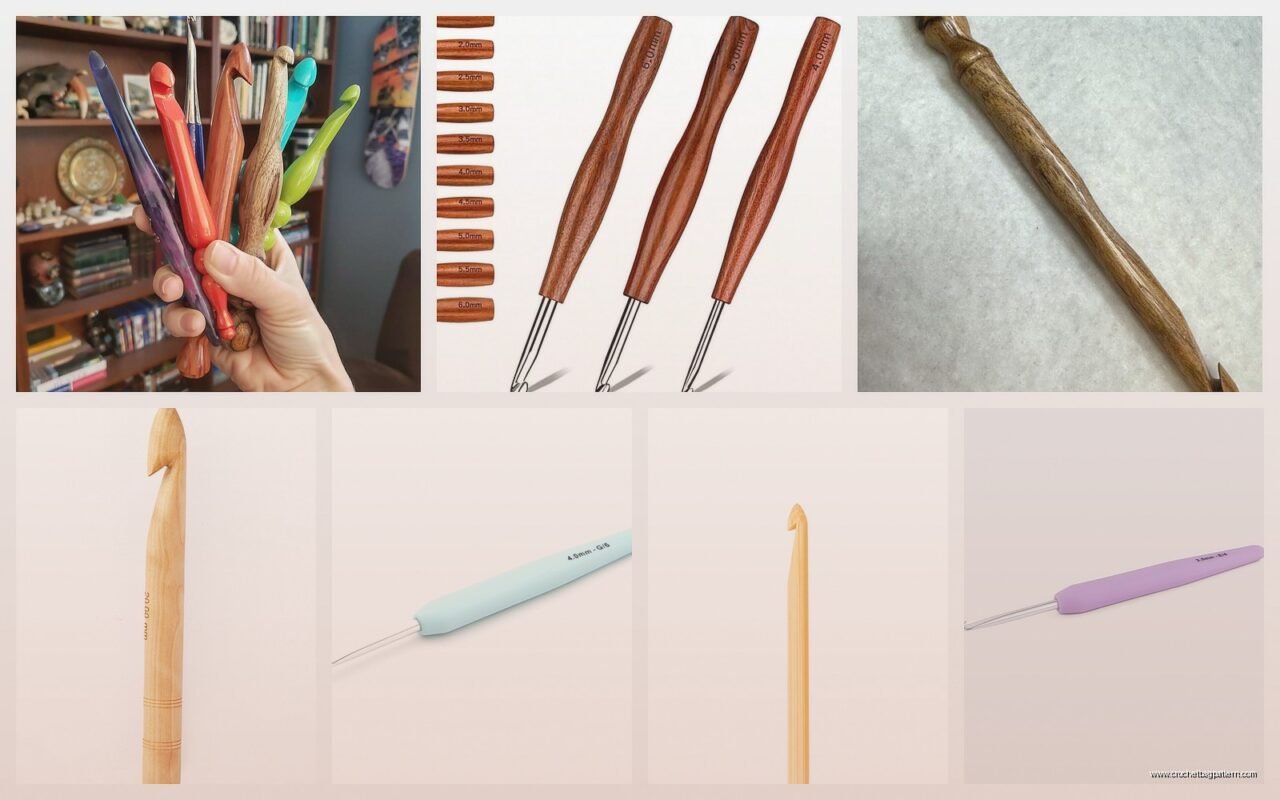
Right so you asked about long crochet hooks and I’m guessing you mean Tunisian or Afghan hooks because those are the main ones that are actually long. They look kinda weird when you first see them – like someone stretched out a regular crochet hook but kept the same thickness or sometimes they have a stopper bead on the end or they’re actually flexible cables with hooks on the ends.
I first tried one in spring 2022 when I was making this blanket and honestly I picked it up because I saw someone on Instagram using one and thought it looked cool. Had no idea what I was doing. The hook I got was from Clover and it was like 14 inches long, size H I think? Maybe I? One of those.
what makes them different from regular hooks
So the whole point is you’re gonna keep stitches on the hook instead of working them off immediately like normal crochet. You do a forward pass where you pick up loops and they all stay on the hook, then a return pass where you work them back off. It’s weird at first because you’re holding this long stick with like 40 stitches just chilling there.
There’s different types and I’ll be honest I don’t remember all the official names but:
- straight single-ended ones that are just long (10-14 inches usually)
- double-ended ones with a hook on each end for doing stuff in the round or two-color work
- the ones with flexible cables attached which are basically like circular knitting needles but for crochet
- some have those cord attachments you can screw on to make them longer
The straight ones are fine for smaller projects like scarves or dishcloths but if you’re doing a blanket you’re gonna run out of room real quick. That’s what annoyed me SO MUCH when I was making that first blanket – I kept having to squish all the stitches together and they’d slide off the end and I’d lose count. Should’ve just bought the cable version from the start but I was being cheap.
picking the right hook size and length
Size works the same as regular crochet hooks. I mostly use H through K depending on the yarn weight. For the length though you gotta think about how many stitches you need to fit on there. A 10-inch hook holds maybe 30-40 stitches comfortably depending on your yarn thickness. 14-inch holds more obviously.
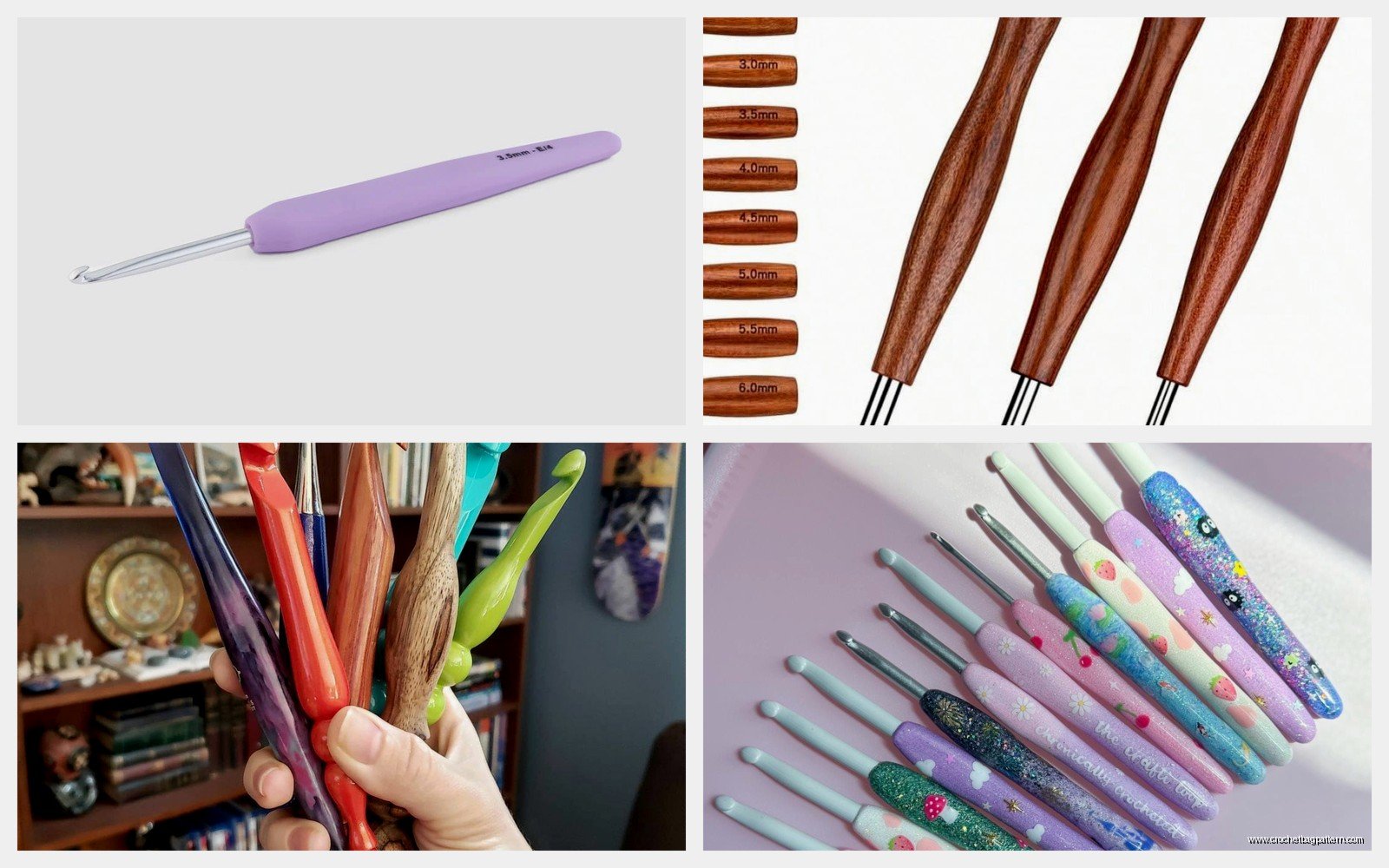
If you’re doing anything wider than like 50 stitches just get the cable one. Trust me. The Clover Takumi ones with the bamboo are nice, or ChiaoGoo makes them too – those are the red ones. I borrowed one from my friend Sarah and it was way smoother than my Clover.
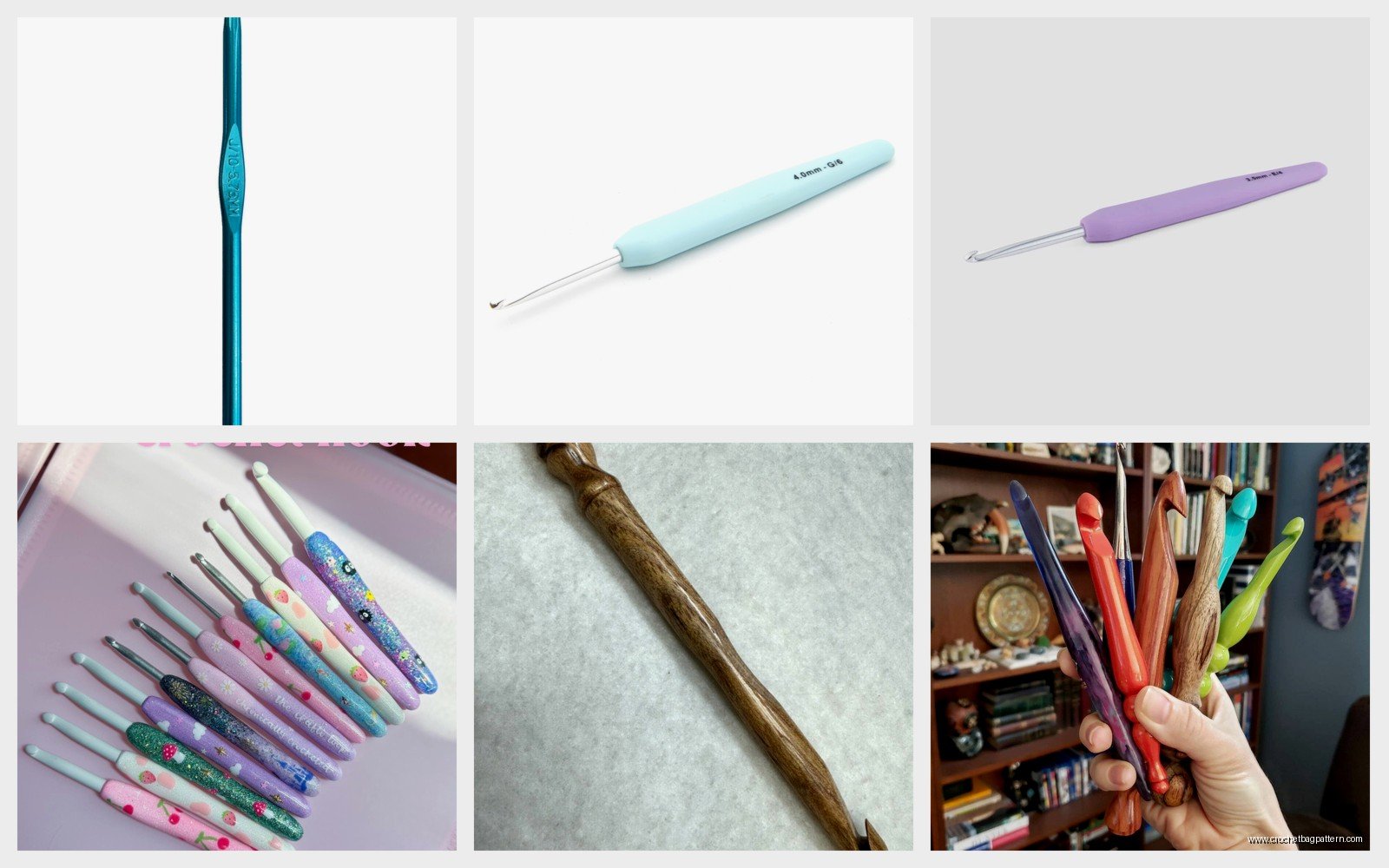
For double-ended hooks I have a set of Knitter’s Pride ones that came in different sizes. They’re fine. The ends have different size hooks sometimes which is supposed to be useful for something but I haven’t really figured out what yet.
basic tunisian simple stitch because you gotta start somewhere
Okay so the most basic stitch is Tunisian Simple Stitch or TSS. You start with a foundation chain like normal crochet – this doesn’t stay on the hook, you’re just chaining like usual.
Then the forward pass: you insert your hook under the second chain from the hook (or through the back bump if you wanna be fancy), yarn over, pull up a loop. That loop stays on the hook. Then you do the same thing in the next chain, pull up another loop, keep it on the hook. Keep going until you have a loop from every chain sitting on your hook. It looks kinda like knitting at this point which is why some people call it afghan stitch I think? Or maybe afghan stitch is technically different, I’ve seen people argue about this online.
Return pass: yarn over and pull through the first loop on your hook. Then yarn over and pull through TWO loops. Keep doing yarn over, pull through two loops, until you’re back down to one loop on the hook. That one loop counts as your first stitch of the next row.
For the next forward pass you insert your hook under the vertical bars from the previous row – they look like little chains standing up. Pick up a loop from each bar, keep them all on the hook, then do the return pass again.
The fabric you get is really dense and doesn’t curl as much as regular crochet. It’s thick. Good for blankets and bags and stuff that needs structure.
other stitches you can do
There’s a ton of variations and I definitely don’t know all of them but:
Tunisian Knit Stitch (Tks): instead of going under the vertical bar you go through the stitch from front to back like you’re knitting. Makes it look even more like knitting. I used this for a scarf in summer 2024 with some Red Heart Super Saver in that grey color – what’s it called, Grey Heather maybe? – and people kept asking if I knitted it.
Tunisian Purl Stitch (Tps): you bring the yarn to the front before picking up the loop. Creates a bumpy texture. Combining knit and purl stitches you can make ribbing and all sorts of patterns.
Tunisian Full Stitch: you insert the hook under both the vertical bar AND the horizontal thread behind it. Makes a tighter fabric.
You can also do increases and decreases and colorwork. The colorwork thing is actually really cool because you can carry colors up the side and create these geometric patterns that would be annoying in regular crochet.
yarn choices and tension stuff
So here’s the thing – Tunisian crochet eats up more yarn than regular crochet. Like noticeably more. That blanket I made in 2022 took probably 30% more yarn than I expected? I had to order more Lion Brand Wool-Ease partway through which was annoying because the dye lots didn’t match perfectly.
Tension is weird too. If you crochet tight normally you might need to go up a hook size or two. The fabric tends to pull in on itself especially when you’re learning. My first attempts looked like trapezoids instead of rectangles because I was pulling everything too tight on the return pass.
I’ve used a bunch of different yarns for this and honestly most of them work fine. The Red Heart I mentioned, Wool-Ease, I did a baby blanket with Caron Simply Soft in like 2023 sometime. Bernat Blanket is too thick and squishy – the stitches don’t stay put very well. Anything smooth and not too splitty works good.
Variegated yarns look cool because the color pools differently than in regular crochet. I made this thing with some Patons Kroy Socks yarn just to see what would happen and the stripes came out really defined.
that thing where it curls at the bottom
Okay so the bottom edge – your foundation chain – is gonna curl forward. It just does that. Super annoying. There’s ways to fix it or at least make it better:
- use a bigger hook for your foundation chain then switch to your regular size
- do a foundation row of single crochet first then start your Tunisian stitches
- block the finished piece aggressively
- add a border of regular crochet around the whole thing when you’re done
I usually just do the border thing because I’m lazy. A row or two of single crochet around all the edges helps it lay flat and looks more finished anyway.
working in the round which is its own whole situation
You can do Tunisian crochet in the round but you need either a double-ended hook or a really long circular one. The double-ended method is kinda cool – you use one end of the hook for the forward pass, then flip the work and use the other end for the return pass, then flip again. You never turn the actual fabric inside out so the right side always faces you.
I tried this exactly once to make a hat and it was… fine? Honestly it felt more complicated than it needed to be. But some people love it for making seamless projects. You can also do it with two balls of yarn and alternate colors which creates this spiral effect.
The circular cable hooks you just work around and around like knitting in the round. I haven’t done this much because I don’t really make circular things I guess.
finishing edges and binding off
When you get to the end of your project you can’t just cut the yarn and pull it through like regular crochet or everything unravels. You need to bind off. The standard way is to do a row of slip stitches across the top – insert hook under the vertical bar, yarn over, pull through both loops on hook. Keep doing that across.
Or you can do single crochet bind off or even just regular crochet stitches for a border. Whatever makes sense for your project.
Side edges are usually fine but sometimes they look a little messy depending on your tension. I often add a border of single crochet up the sides too just to clean things up.
random tips that might help
The hook can get heavy when you have a full row of stitches on it especially with thick yarn. My wrist would get tired when I was working on that blanket and I’d have to take breaks. Some people rest the end of the hook on their lap or on the arm of a chair.
Count your stitches regularly because it’s easy to accidentally skip one or add an extra. I use stitch markers sometimes on like every 10th or 20th stitch so I can count faster.
If you drop a stitch it’s more of a disaster than in regular crochet because the whole column can unravel down. Keep a smaller regular crochet hook nearby to pick up dropped stitches – you can usually grab them and work them back up.
The first few rows always look weird and wonky. Don’t judge your project until you’re at least 10-15 rows in and can see the actual fabric developing.
Oh and my cat kept trying to bite the hook while I was working because it would wiggle around – this was during that blanket project in 2022 and she was being extra annoying that month for some reason. Had to lock her out of the room eventually.
resources if you wanna learn more patterns or whatever
There’s not as many Tunisian patterns out there as regular crochet but they exist. Ravelry has a bunch obviously. Some designers who do a lot of Tunisian stuff are… honestly I don’t remember names but if you search Tunisian crochet patterns you’ll find them.
YouTube is actually really helpful for this because seeing someone do the stitches makes way more sense than trying to read a description. I learned most of what I know from just watching videos and pausing and rewinding a million times.
There’s also some books – I have one called “Tunisian Crochet” by Sharon Hernes Silverman that’s got good reference stuff in it. Basic stitches and some patterns.
Some people do entrelac with Tunisian crochet which makes these woven-looking squares. I tried it once while watching that show Severance – couldn’t focus on both at the same time so I gave up on the entrelac but the show was good.
compared to regular crochet and knitting
It’s slower than regular crochet because you’re doing two passes for each row. But faster than knitting usually. The fabric is denser than knitting and doesn’t have as much drape. More similar to single crochet fabric but with a different texture.
You get more stitch definition than regular crochet which is nice for colorwork and textured patterns. Cables and things like that show up really clearly.
Some people like it because it’s easier on your hands than regular crochet – the motion is a little different and you’re not making full stitches over and over. Other people find it harder on their hands because of the weight of the hook with all the stitches. Just depends on your body I guess.
projects that work well
Blankets are the obvious one. The dense fabric is warm and doesn’t have holes. Scarves and cowls are good. Dishclohs if you use cotton yarn – they’re really absorbent and scrubby.
Bags and baskets work great because the fabric holds its shape. I made a market bag with some cotton yarn from… Lily Sugar’n Cream I think? It’s held up really well.
Sweaters are possible but you gotta be careful about gauge and drape. The fabric doesn’t stretch much so sizing is important. I haven’t made a full sweater yet but I’ve seen some that look good.
Baby blankets are nice because you can work them in one piece with no seams and the fabric is sturdy enough that little fingers don’t get caught in holes.
Anyway that’s most of what I know about long crochet hooks and Tunisian stuff. It’s worth trying at least once because it’s different enough from regular crochet to be interesting but not so different that you’re starting completely from scratch. Just get a cheap hook first before you invest in expensive ones in case you hate it.
