
May
Getting Started With Free Crochet Home Decor Patterns
So the easiest place to find free patterns is honestly just Ravelry. I know everyone says that but it’s true – you make a free account and there’s literally thousands of home decor patterns. I made this basket thing back in spring 2022 when I was stuck at home with nothing to do and it turned out pretty decent. The pattern was from some blog that doesn’t exist anymore which is super annoying because I wanted to make it again last month.
You’re gonna want to start with something that uses bulky yarn because it works up fast and you can actually see what you’re doing. Red Heart Super Saver is like the standard everyone uses – it’s cheap and it comes in a million colors. I probably have 20 skeins of it in my closet right now. My cat keeps trying to nest in the yarn basket which is… not helpful.
What Actually Works for Home Decor
Pillows are probably the most practical thing you can make. You need a pattern that’s just basically a rectangle or square, then you stuff it or put a pillow form inside. The front can be textured with bobbles or whatever stitch pattern you want. I used Lion Brand Wool-Ease for a pillow cover in summer 2024 and it actually held up really well even though my cat claws at it constantly.
Baskets are the other big thing. They’re useful and people actually want them. You make them with really thick yarn or hold multiple strands together. The annoying part is that you need to keep the tension super tight or they’ll be all floppy and useless. I made one that looked more like a sad bowl because I didn’t realize this until it was too late.
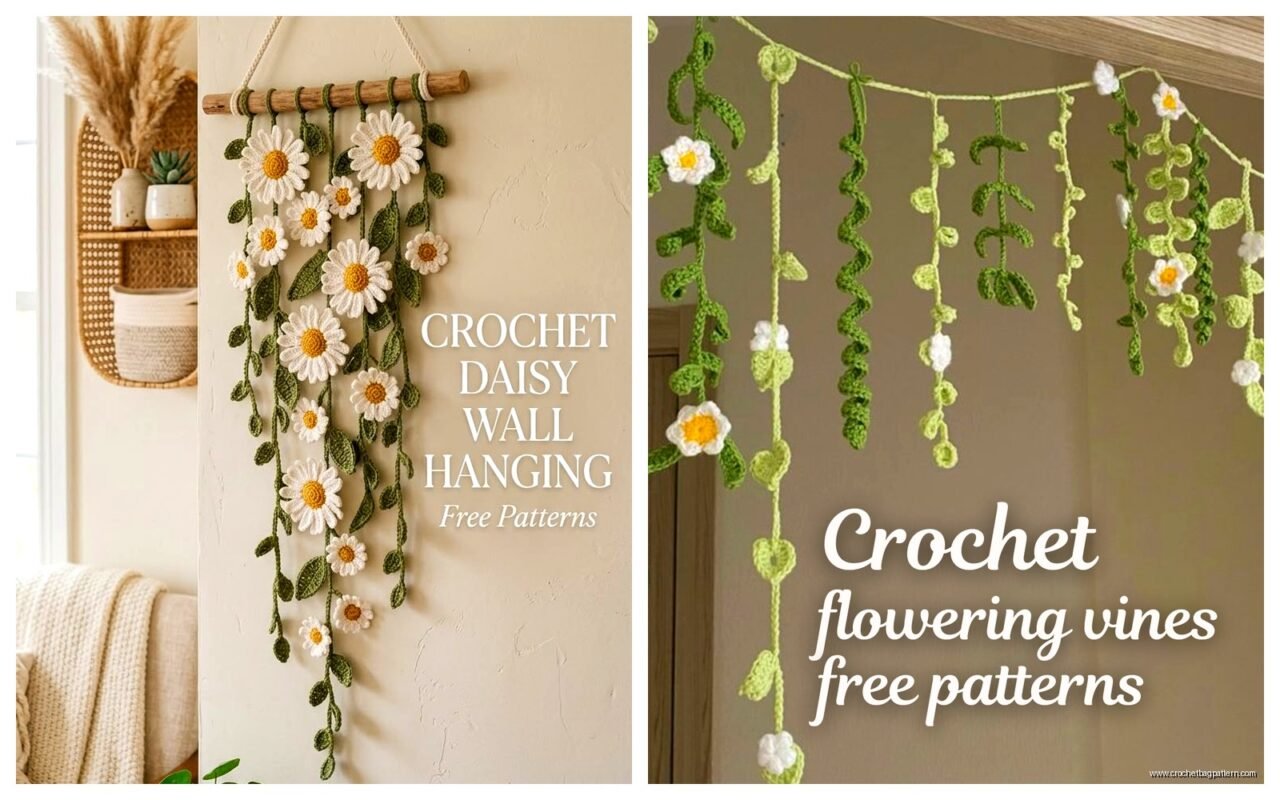
Wall hangings are trendy right now but honestly they just collect dust. If you’re into that aesthetic though, patterns are everywhere. Most of them use cotton yarn in neutral colors – Lily Sugar’n Cream works but it’s kind of scratchy for some projects.
Cotton vs Acrylic for Decor
This is actually important. Cotton holds its shape better for things like baskets and placemats. It’s heavier and stiffer. But acrylic is cheaper and comes in way more colors and it’s easier to wash. For pillows I usually go with acrylic because you’re gonna want to wash those eventually.
I made coasters with cotton yarn (I think it was Bernat Handicrafter Cotton?) and they work fine but they stain really easily. Should’ve made them in darker colors instead of that cream color I thought looked elegant or whatever.
Where to Find Patterns That Don’t Suck
Ravelry like I said. But also YouTube is good because you can actually watch someone make the thing. I learned how to make a chunky blanket from a YouTube video while watching that show Succession, which was a weird combination now that I think about it.
Pinterest links to patterns but half of them are dead links or they take you to sites that want your email address before showing you anything. It’s annoying but sometimes you find good stuff.
Some blogs that have been around forever have free patterns – Moogly, Persia Lou, Make & Do Crew. They’re usually tested which means less chance of errors in the pattern.
Reading Pattern Abbreviations
If you learned casually like me, abbreviations are confusing at first. SC is single crochet, DC is double crochet, HDC is half double. Ch is chain. Sl st is slip stitch. Most patterns have a key at the beginning but some assume you already know this stuff.
The brackets and parentheses tell you what to repeat. Like [sc 2, dc 1] 3 times means you do that sequence three times total. Once you get used to it, it’s fine, but the first few times I just stared at patterns like they were in another language.
Projects That Are Actually Good for Beginners
Start with a simple basket. You make a circle for the bottom (just keep increasing in rounds) and then stop increasing and work straight up for the sides. That’s it. You can find a million variations on this.
Dishcloths or washcloths are good practice and actually useful. They’re small so you finish fast. Just make a square in whatever stitch pattern you want. I made like 15 of these when I was first learning because I kept messing up and starting over.
A simple throw blanket is doable if you have patience. Just chain a long foundation and work back and forth in rows. It takes forever though. I started one in 2022 and it’s still not done because I got bored.
Table Runners and Placemats
These are good if you want something that looks fancy but isn’t actually hard. Most patterns are just rectangles with a decorative stitch. The problem is you need to make your stitches really consistent or it looks sloppy. I made a table runner that’s like three different widths because my tension was all over the place.
Use cotton for these. Acrylic gets weird if something hot touches it. I learned this the hard way with a trivet that basically melted a little when I put a pot on it.
Dealing With Pattern Mistakes
Free patterns have errors sometimes. The pattern writer miscounts or forgets to include a step. If something isn’t working out, check the comments on the pattern page. Usually someone else noticed the same problem and posted about it.
I was making this decorative bowl thing and the sides kept warping and I thought I was doing something wrong. Turns out the pattern had the wrong stitch count for round 8. Someone in the comments had posted the correction but I didn’t see it until I’d frogged the whole thing twice.
When to Give Up on a Pattern
Sometimes a pattern is just bad or it doesn’t match your skill level or the yarn you’re using doesn’t work with it. I spent like six hours on this fancy pillow cover with a cable stitch pattern before I realized I hated it and it looked weird with my yarn choice. Should’ve stopped way earlier.
If you’re not enjoying it and it’s for your own house, just stop. Make something else. There’s too many patterns out there to waste time on one that’s making you frustrated.
Yarn Shopping for Home Decor
Buy more yarn than you think you need. It’s the worst when you run out halfway through a project and the store doesn’t have that dye lot anymore. Dye lots actually matter for big projects – the color can be noticeably different between lots.
Michael’s and Joann’s always have coupons. Sign up for their emails and you’ll get 40% off or whatever. I never buy yarn full price anymore. Hobby Lobby too but their coupon is usually only good for one item.
For chunky blankets or big baskets, you need SO much yarn. Like way more than seems reasonable. I used probably 8 skeins of Bernat Blanket yarn for a medium-sized blanket and that stuff is already pretty thick.
Yarn Substitution
Most patterns tell you what weight yarn to use (like worsted weight or bulky). You can substitute brands as long as the weight is the same. Check the label – it’ll have a number from 0 to 7. Match that number.
The yardage matters more than the weight of the skein. A 100g ball might have different yardage depending on the yarn thickness. I’ve messed this up before and run out of yarn because I bought based on number of skeins instead of total yardage.
Finishing Techniques That Matter
Weaving in ends is tedious but you gotta do it properly or they’ll work loose. I use a yarn needle and weave through several stitches in different directions. Some people use a dab of fabric glue but I’ve never tried that.
Blocking makes a huge difference for things like doilies or lace patterns. You wet the piece, shape it how you want it, and pin it down until it dries. I don’t usually bother for baskets or pillows though.
If you’re making a pillow cover, there’s different ways to close it. You can sew a seam and leave an opening to stuff it, then sew that closed. Or make a button closure or envelope back so you can remove the pillow form to wash the cover. The envelope back is probably the easiest – you just make two pieces that overlap in the back.
What Actually Gets Used vs What Sits There
Baskets get used constantly if they’re sturdy enough. I have one on my bathroom counter for hair ties and stuff and one in the living room for remotes. The decorative ones that are too small to hold anything just sit there looking… decorative I guess.
Pillow covers are good if you change them seasonally or whatever. I made some in different colors and swap them out when I get bored. Way easier than buying new pillows.
Blankets obviously get used if they’re soft and the right size. Those chunky chenille blankets are everywhere now but they’re kind of annoying to make because the yarn splits easily. I tried making one with Bernat Velvet and wanted to throw it across the room multiple times.
Stuff That Just Doesn’t Work
Crochet rugs sound like a good idea but they slip around on the floor unless you put a rug pad under them. And they take forever to make. I started one and gave up after the first three rounds because I realized it was gonna take me six months.
Really delicate doilies or lace things – they look pretty but they’re dust magnets and you can’t really put anything on them. My grandma had these everywhere and I remember her constantly washing them.
Anything white or cream colored for actual use. It’ll get dirty immediately. I made these beautiful cream colored coasters and they looked gross after like two weeks.
Managing Long Projects
Big blankets or afghans take forever. I usually work on them while watching TV or during video calls where I don’t need to look at my hands much. The repetitive stitches are kind of mindless once you get going.
Keep your project in a bag or bin so it doesn’t get cat hair all over it. Or dog hair. Whatever pets you have. I learned this after finding my work-in-progress covered in fur multiple times.
If you get bored with a big project, it’s okay to start something small on the side. I usually have two or three things going – one big mindless project and some smaller stuff that’s more interesting.
Tension Issues and How to Deal
This was the most annoying thing for me when I made that basket in spring 2022 – my tension was way too loose and the basket couldn’t hold its shape. You need to crochet tight for structural things. Like uncomfortably tight.
For pillows and blankets, consistent tension matters more than tight tension. If your stitches are all different sizes, it’ll look wonky. I had to remake a pillow front because it was like… wavy? The edges weren’t straight because my tension varied so much.
Going down a hook size can help if your work is too loose. I usually use a smaller hook than the yarn label recommends for baskets and stuff that needs structure.
Some yarns are harder to maintain tension with. That Bernat Velvet I mentioned is really slippery. Wool-Ease is easier to work with because it has some grip to it.
Making Patterns Work for Your Space
You can adjust colors obviously. If a pattern shows pastels but your house is all dark colors, just use different yarn. The construction is the same.
Size adjustments are trickier. For baskets you can add more increase rounds at the bottom for a wider base, or work more straight rounds for taller sides. For blankets you can just make your starting chain longer or shorter.
Pillows need to match standard pillow form sizes unless you want to stuff them with fiberfill. The common sizes are 12×12, 16×16, 18×18, and 20×20 inches. Measure as you go to make sure you’re hitting the right size.
I made a pillow that ended up being like 14×16 inches which is a weird size and I couldn’t find a form for it. Had to stuff it with fiberfill and it’s kind of lumpy. Would not recommend.
