
Apr
Where to Actually Find Free Patterns That Don’t Suck
So like the first thing you gotta know is that not all free patterns are created equal. I learned this the hard way back in spring 2022 when I was trying to make this supposedly “easy” granny square cardigan and the pattern was just… wrong. The stitch counts didn’t match up and I spent like three hours trying to figure out what I was doing wrong before realizing the pattern itself was garbage.
Ravelry is probably your best bet honestly. Yeah the website looks like it hasn’t been updated since 2009 but there are literally thousands of patterns there and people leave reviews so you can tell if something is actually gonna work or if it’s just pretty pictures with terrible instructions. You can filter by skill level which is super helpful when you’re starting out or if you want something mindless to work on while watching TV.
YouTube is weirdly good too but in a different way. Like you’re not downloading a PDF pattern, you’re just following along with someone. I made this really cute market bag last summer (2024) while binging The Bear and honestly following the video was way easier than trying to read a written pattern. The annoying part though was having to keep pausing and rewinding because my tension was different than hers so my bag was coming out smaller.
Skill Level Actually Means Different Things
Here’s what nobody tells you – “beginner” patterns can still be confusing as hell if the person writing them assumes you know certain things. I’ve seen patterns labeled beginner that use abbreviations without explaining them or expect you to know how to read a chart. Meanwhile some “intermediate” patterns are just repetitive and take longer but aren’t actually harder.
When you’re looking through patterns, beginner usually means basic stitches (single crochet, double crochet, chains) and you’re making something flat or a simple tube. Intermediate adds in stuff like increasing and decreasing, working in the round, maybe some texture stitches. Advanced is where you get into lace, complex colorwork, garments that actually have to fit properly.
But honestly the skill level matters less than whether the pattern is well-written. A good advanced pattern with clear instructions is easier than a poorly written beginner one.
Types of Patterns You’ll Actually Want to Make
There are basically infinite categories but I’ll break down what I’ve actually made and what was worth the yarn:
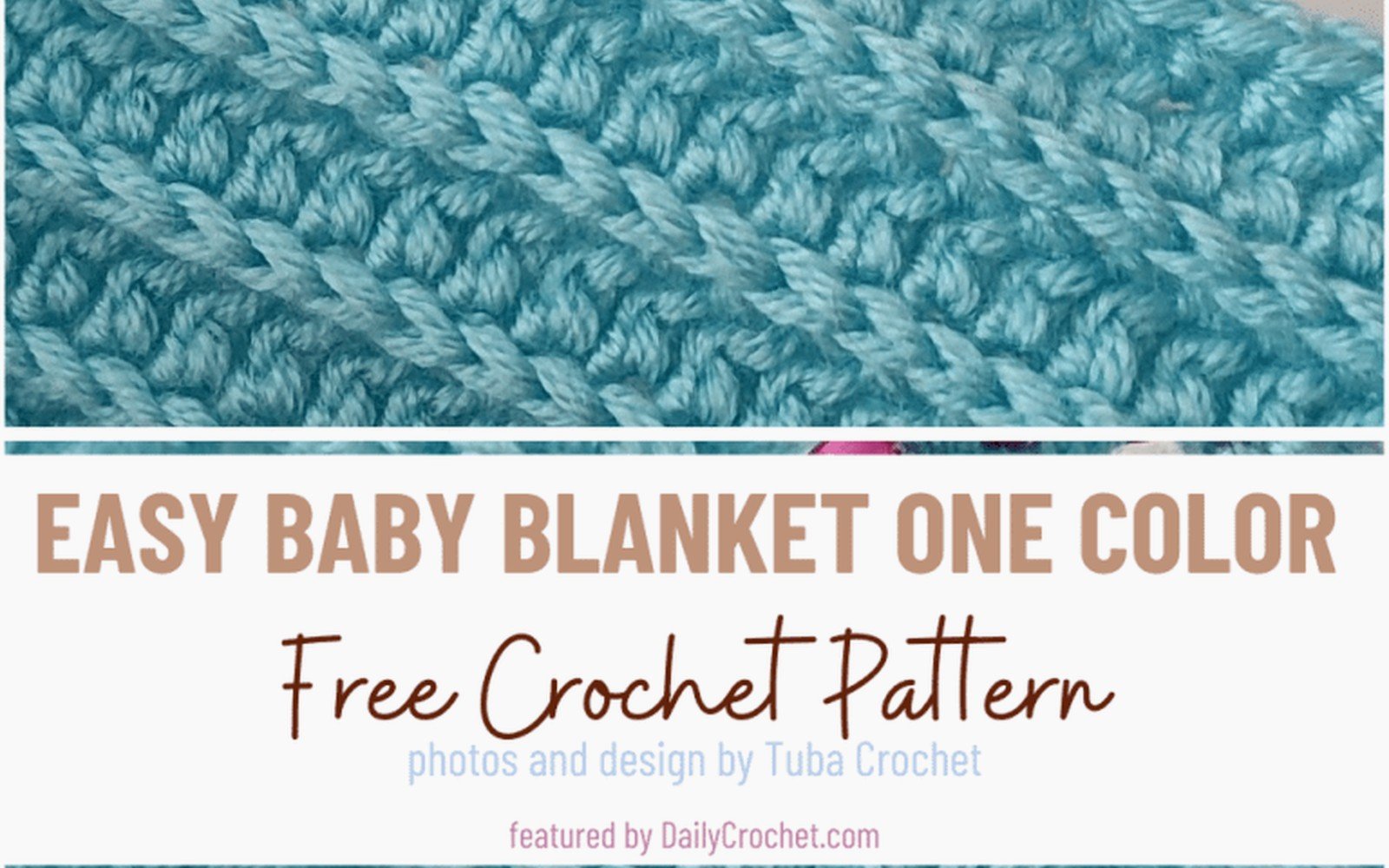
Blankets and Afghans – These are great starter projects because you can’t really mess them up that badly. If your tension is off or you miss a stitch here and there, it still functions as a blanket. I made a corner-to-corner blanket using Red Heart Super Saver (yeah yeah I know it’s acrylic but it’s cheap and washable) and it turned out fine. Took forever though. That’s the thing with blankets – they’re simple but you’re gonna be working on it for weeks or months.
Granny squares are their own whole thing. You can find probably 500+ free granny square patterns and then another 500+ patterns for what to do with granny squares once you make them. Join-as-you-go methods are your friend here because I hate sewing squares together with a burning passion.
Wearables – This is where it gets tricky. Shawls and scarves are pretty forgiving. Sweaters and cardigans need to actually fit which means you gotta pay attention to gauge and probably do math. I made a vest in summer 2024 using Lion Brand Feels Like Butta (stupid name, nice yarn) and I had to rip out the armholes twice because they were too tight. The pattern said it would fit sizes small through large but like… whose small through large, you know?
Tops and tank tops are popular free patterns but you really need to check the reviews because some of them end up see-through or weird-fitting. Cotton yarn works better for these – I like Sugar’n Cream for summer tops even though it’s technically dishcloth yarn.
Bags and Accessories – Market bags, tote bags, coin purses, all that stuff. These are good quick projects when you want to actually finish something. The annoying thing about bag patterns is they often don’t tell you if you need to line them or how to attach handles properly. I made a tote bag that stretched out like crazy after I put my groceries in it because the pattern didn’t mention using a smaller hook or doubling the yarn.
Amigurumi (The Little Stuffed Things)
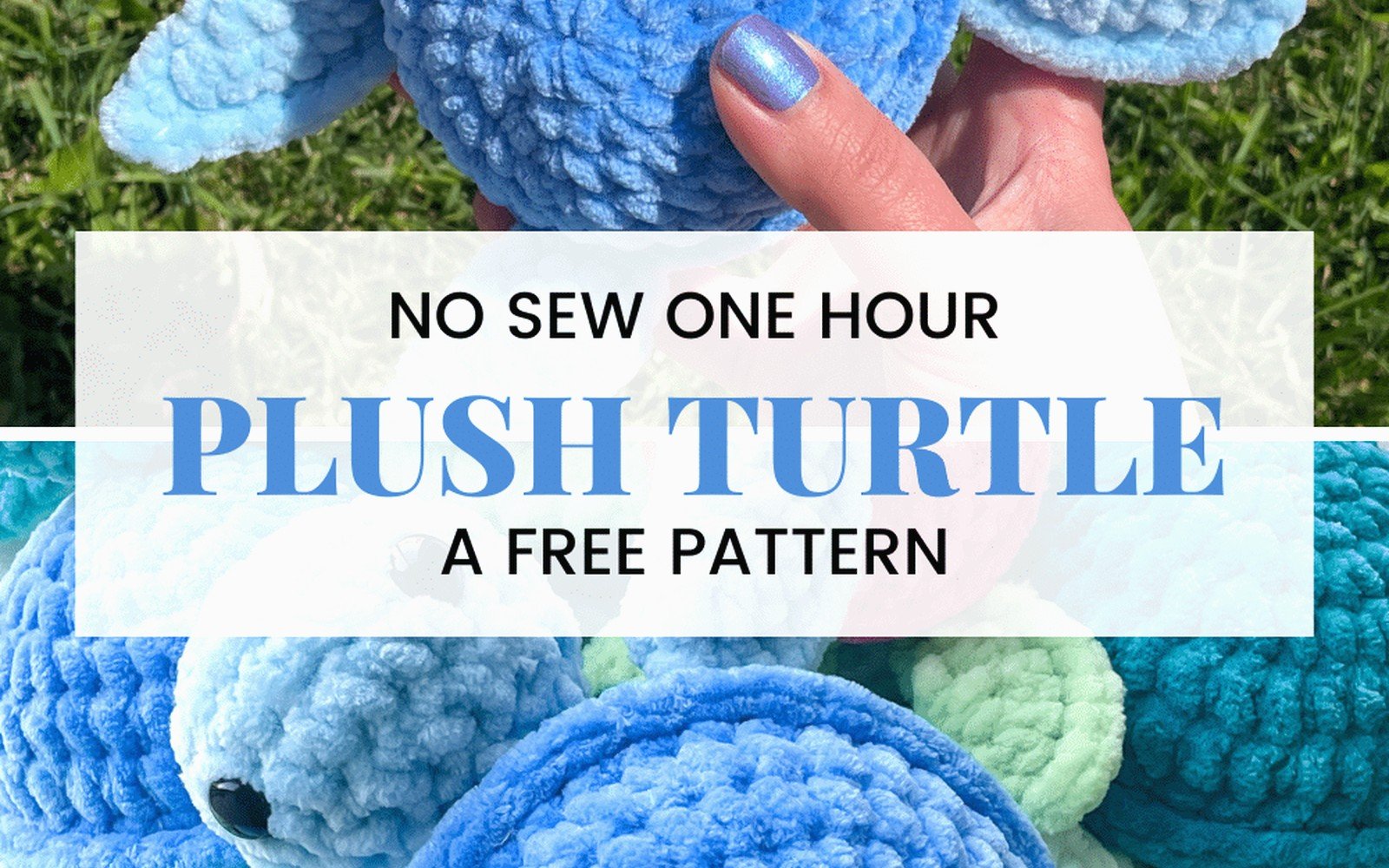
There are SO MANY free amigurumi patterns. Like thousands. Every cartoon character, every animal, every food item you can imagine. These seem easy because they’re small but they’re actually kind of finicky. You’re working in tight spirals with small hooks and if you lose count of your stitches the whole thing gets wonky.
My cat kept attacking the stuffed bee I was making last year and pulling out the stuffing before I could sew it closed which was super annoying.
The good thing about amigurumi is you don’t need much yarn so it’s a good way to use up scraps. But you do need safety eyes which aren’t always included in the “materials needed” section of free patterns, and then you gotta order them from Amazon or wherever.
Reading Patterns vs Watching Videos
Okay so there are two camps of people – those who prefer written patterns and those who need videos. I’m somewhere in the middle but leaning toward videos for anything complicated.
Written patterns are good because you can work at your own pace and you don’t need wifi once you’ve downloaded them. But the abbreviations are insane sometimes. Like sc, dc, hdc are fine but then you get into fpdc (front post double crochet) and bpdc (back post double crochet) and special stitches that the designer made up and you’re constantly scrolling back to the abbreviations key.
Video tutorials are better for visual learners and you can actually see what the stitches are supposed to look like. The problem is finding good ones. Some people film in terrible lighting or don’t explain what they’re doing or go way too fast. Bella Coco and TL Yarn Crafts are pretty reliable on YouTube.
Charts Are Their Own Language
Some patterns use charts instead of written instructions, especially for things like doilies or lace. Each symbol represents a different stitch and you read the chart in a specific direction. I avoid these mostly because my brain doesn’t work that way but some people swear by them. There are free resources that explain what all the symbols mean if you wanna learn.
Yarn Choices for Free Patterns
Most free patterns will suggest a yarn weight (like worsted weight or DK weight) but not a specific brand because they don’t have sponsorship deals or whatever. This means you gotta figure it out yourself.
Acrylic yarn is cheap and practical – Red Heart Super Saver, Caron Simply Soft, Big Twist (from Joann’s). It’s washable and comes in every color but it can be squeaky and some people hate how it feels. I use it for blankets and stuff that’s gonna get dirty.
Cotton is good for summer stuff and dishcloths – Lily Sugar’n Cream is the standard, Hobbii Rainbow Cotton is nice if you order online. Cotton doesn’t have stretch though so keep that in mind.
Wool and wool blends are warmer and have better drape but they’re pricier. Wool-Ease is a good starter wool blend that’s not too expensive. I made a scarf with it during a really bad breakup in 2023 and just worked on it obsessively for like a week straight because I needed something to do with my hands that wasn’t texting my ex.
The thing that really annoyed me about trying different yarns is that your gauge changes with different fibers even if they’re the same weight category. So a pattern that worked perfectly with acrylic might come out totally different with cotton and you won’t know until you’re already into the project.
Where Patterns Go Wrong
Free patterns aren’t edited the same way published ones are so there are gonna be mistakes sometimes. Missing stitch counts, wrong row numbers, steps that are out of order. Always read through the whole pattern before you start and check the comments or reviews if there are any.
Some designers are better than others at writing clear instructions. If you find a designer whose patterns you like and that make sense to your brain, look up their other stuff because you’ll probably like those too.
Gauge is the most important thing that free patterns don’t emphasize enough. If the pattern says “gauge: 16 stitches = 4 inches” you actually need to make a swatch and check this, especially for wearables. I know it’s boring and nobody wants to do it but otherwise your sweater might fit a toddler or a giant.
Substituting Yarn
You can almost always substitute a different yarn than what the pattern suggests but you need to match the weight. There are charts online that show what the different weight categories are – lace, fingering, sport, DK, worsted, bulky, super bulky. If the pattern calls for worsted weight you can use any worsted weight yarn and it should work out roughly the same.
Fiber content matters for drape and stretch though. A cotton sweater hangs different than an acrylic one. Bamboo blends are drapey and slippery, wool has bounce and memory.
Organization Tips Nobody Asked For
Save patterns in a way you’ll actually be able to find them again. I have like 300 patterns bookmarked in random folders and I can never find anything. Ravelry has a library feature where you can save patterns and mark which ones you’ve made or want to make.
Print out patterns if you’re actually gonna make them because scrolling on your phone while trying to crochet is annoying. Or use a tablet if you’re fancy.
Take notes on the pattern itself about what hook size you actually used or if you modified anything. Future you will thank present you when you want to make it again or help someone else make it.
Specific Pattern Sites Worth Checking
Ravelry has the most patterns but the search can be overwhelming. Use the filters – they’re your friend.
AllFreeCrochet has a ton of patterns organized by category. The site is cluttered with ads but the patterns are actually free.
Individual designer blogs often have free patterns – Moogly, Crochet 365 Knit Too, A Crocheted Simplicity. These are usually pretty reliable because the designers are serious about their work.
Pinterest is hit or miss because half the links are broken or lead to paid patterns that were mislabeled as free. But you can find some good stuff if you dig.
Reddit has r/crochet where people share patterns and finished objects and you can ask questions without getting judged… mostly.
The thing about having access to 1000+ free patterns is that it’s actually kind of paralyzing because how do you even choose? I spend more time looking at patterns than actually making things sometimes. You just gotta pick something and start, even if it’s not perfect, because you’ll learn something from every project whether it turns out good or gets shoved in a closet half-finished.
