
May
okay so grid patterns
Right so you’re basically reading a chart instead of written instructions which honestly once you get it makes way more sense than trying to decode “sc in next 3 st, dec, sc in next 2 st” for like forty rows. I first really got into this in spring 2022 when I was making this ridiculous Mario mushroom blanket and my cat kept sitting on the printed charts which was super annoying but whatever.
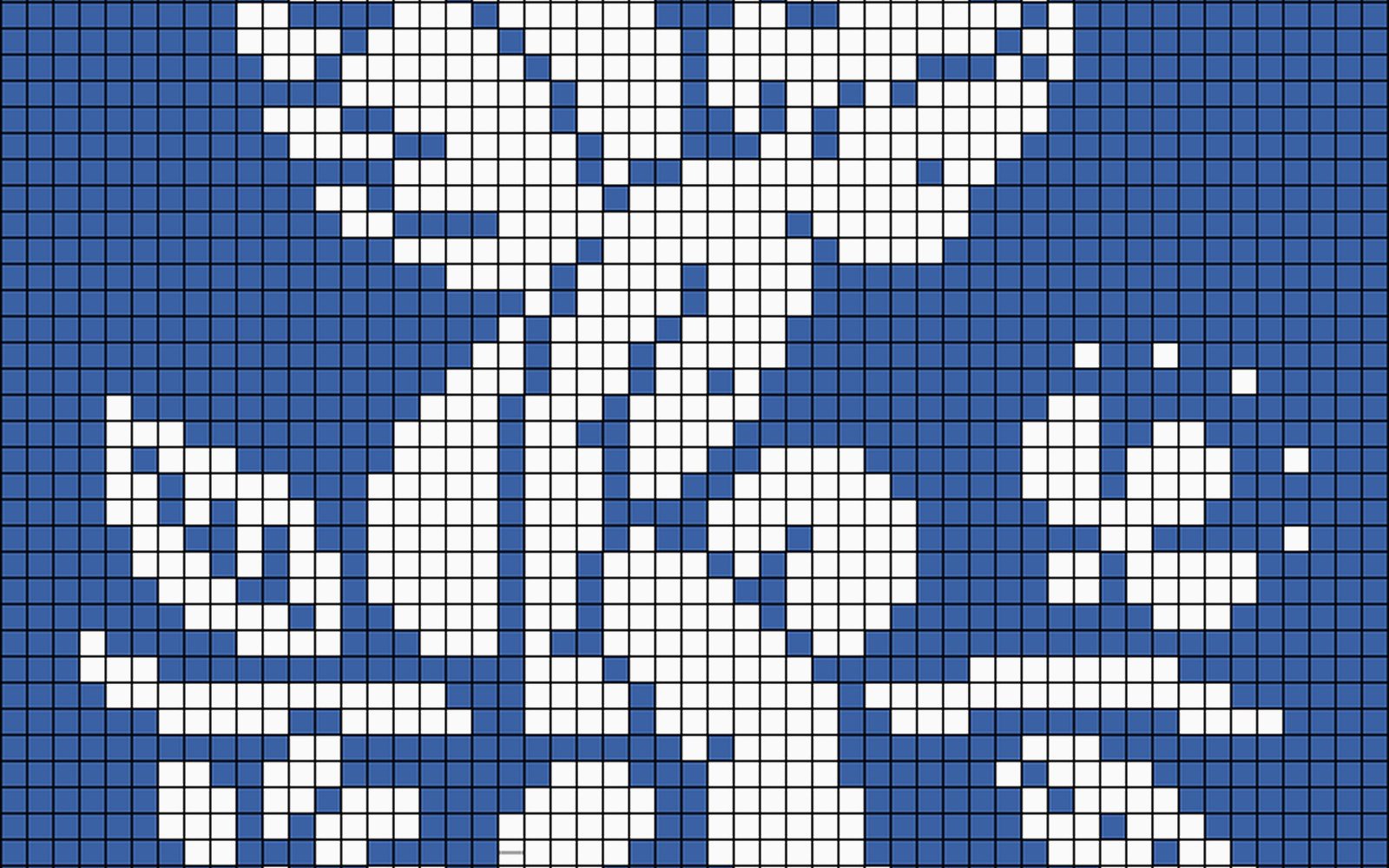
The main thing is each square on the graph equals one stitch. Usually one square is one single crochet if you’re doing something flat like a graphgan or tapestry crochet. The rows go from bottom to top because that’s how you crochet obviously and then you read right to left on one row and left to right on the next because you’re turning your work.
Reading the actual grid
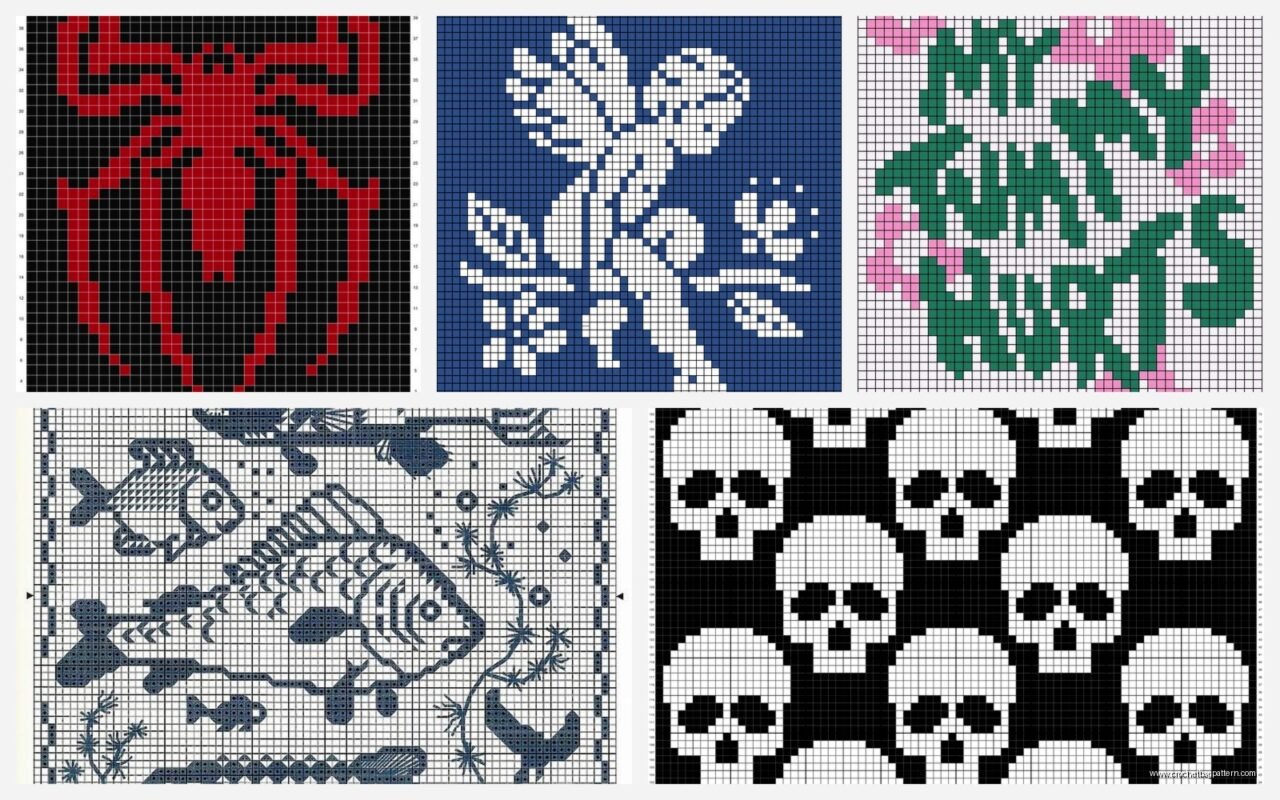
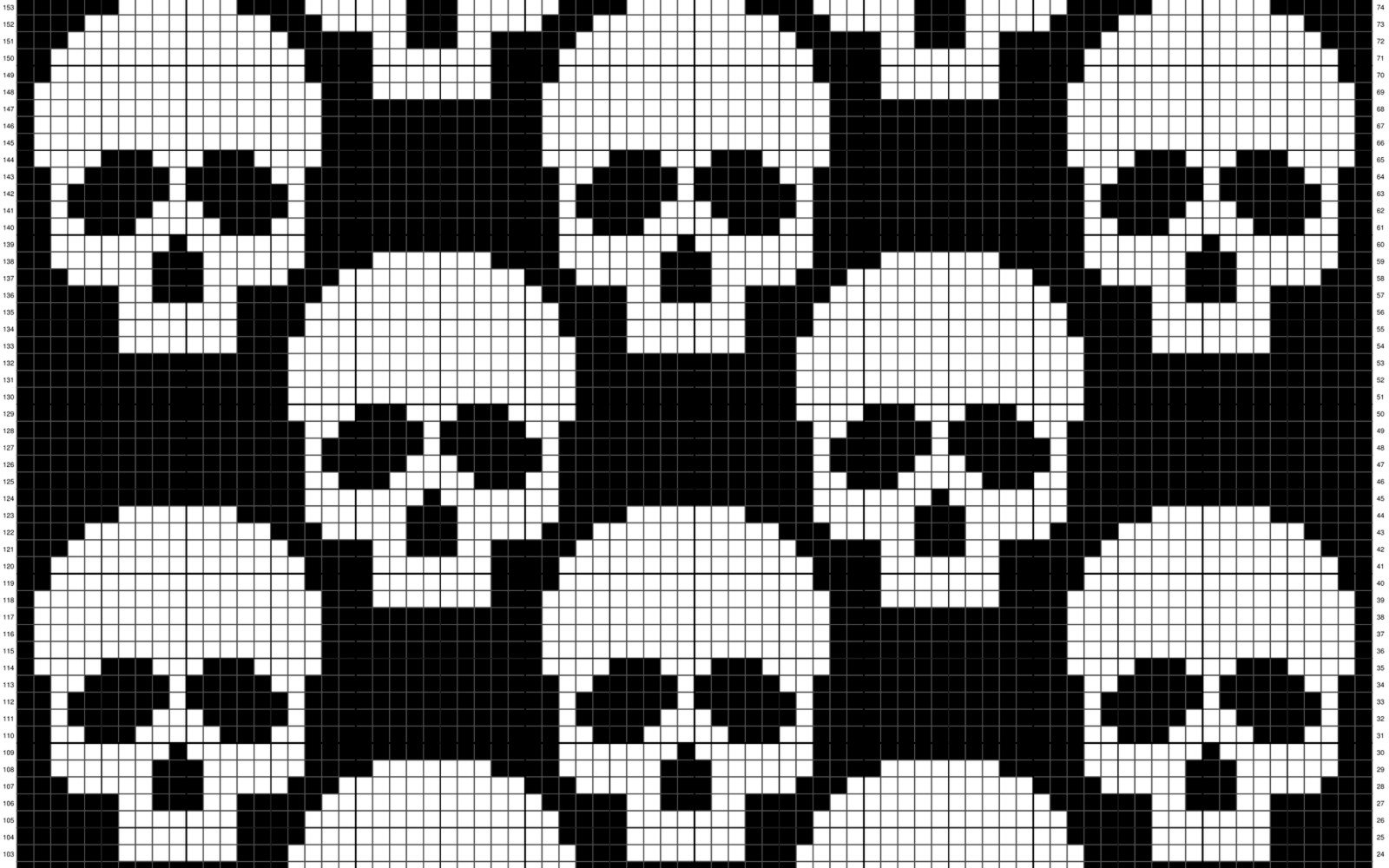
So when you look at a crochet graph it’s literally just boxes. Each box has a color or a symbol. Color charts are easier for colorwork projects and symbol charts are better for stitch patterns like different textures or lacework or whatever. I mostly do color charts because I make a lot of graphic stuff like video game characters and geometric patterns.
Start at the bottom right corner. That’s your first stitch of row 1. Work across to the left. Then row 2 starts at the left side and goes right. It’s like reading but backwards and also alternating which is gonna mess with your head at first not gonna lie.
Some people mark off their rows with a ruler or a Post-it note as they go. I usually just lose track and have to count like three times to figure out where I am. Super efficient system there.
The color situation
If you’re doing a pattern with multiple colors you’ve got two main approaches. Tapestry crochet where you carry the yarn you’re not using along the back of the work or intarsia where you use separate balls for each color section and twist them together when you change colors.
Tapestry crochet is what I usually do because I’m lazy and don’t want to deal with a million yarn ends. You basically crochet over the unused color as you go. So if you’re working with white and blue you hold both strands and when you’re making white stitches you pull through with white but the blue is getting crocheted over inside the stitches. Then when you need blue you switch which one you’re pulling through with.
The thing that annoyed me SO MUCH about this when I made that mushroom blanket was that the tension on the carried yarn matters a lot. If you pull it too tight your whole piece puckers and warps. If it’s too loose you get these saggy loops on the back and the fabric gets weird and lumpy. I had to frog like six rows at one point because it was pulling so bad the thing was literally curving.
Yarn weight and hook size stuff
Your squares are only gonna be actual squares if your gauge is right. Like if you crochet really loose or really tight the boxes will turn into rectangles and your whole design gets stretched. I usually use worsted weight yarn with a 5mm hook for graphgans. Red Heart Super Saver works fine for this honestly even though people are snobby about it. It’s cheap and it comes in a billion colors and for something like a grid pattern where you need multiple colors that matters.
I also like Caron Simply Soft for this kind of project. It’s a little nicer feeling than Red Heart and the color selection is good. Used that for a baby blanket with little hearts on it that actually turned out pretty cute.
For bigger projects some people use corner to corner which is technically a grid pattern but diagonal. Each square is made with like 4 or 5 stitches in a little block and you build it up diagonally. I find that harder to visualize though when you’re following a chart because you’re not working in regular rows.
Making your own charts
You can literally use Excel or Google Sheets for this. Just make the columns really narrow so the cells look square. Color them in with the paint bucket tool. Done. There are also websites like stitch fiddle or whatever it’s called that are specifically for making crochet and cross stitch charts.
If you want to turn a picture into a chart you can use photo editing software or those chart maker sites. You upload an image and it converts it to a grid with a certain number of stitches. The tricky part is getting the right level of detail. Too many squares and your project takes five years. Too few and you can’t tell what it’s supposed to be.
I made a chart of my dog once and it was supposed to be like 80 stitches wide but his face just looked like brown blobs so I had to increase it to 120 stitches wide and then I never actually finished making it because that’s enormous.
Symbol charts for texture patterns
Okay so if you’re doing a stitch pattern instead of colors the chart uses symbols. There’s like a standard set of symbols where X is single crochet, T is double crochet, a circle is chain, stuff like that. Every pattern should have a key that tells you what each symbol means.
These are read the same way bottom to top but you gotta pay attention to whether it’s worked in rows or in the round because that changes the direction. In the round you usually always read counterclockwise or… wait no clockwise? I always have to think about this. You’re always reading the right side of the work basically.
Symbol charts are good for lace patterns and cables and popcorn stitches and that kind of thing where the texture is the point. I don’t use them as much because I’m more into graphic image type stuff but they’re useful for edgings and borders.
Common problems I’ve run into
The color changes looking messy is a big one. When you switch colors in the middle of a row you’re supposed to do the last yarn over of the previous stitch in the new color. So like if you’re finishing a white single crochet and the next stitch is blue you insert the hook for the white stitch, yarn over with white and pull through, then yarn over with BLUE and pull through both loops. That makes the top of the stitch the right color.
If you don’t do that you get little dots of the wrong color poking up and it looks sloppy. I definitely forgot this constantly when I first started and had to go back and fix stitches.
Another thing is counting. You will miscount. Just accept it now. I literally had to use stitch markers every 10 stitches on wider projects because I kept losing track. Those little plastic ones from Clover or whatever brand they sell at Michaels. They’re like three dollars for a million of them.
Also charts printed from online can have errors. I’ve followed patterns where the chart just had mistakes in it and you don’t realize until you’re halfway through and suddenly your Mario has three eyes or whatever. Always look at the finished project photos if they’re available to check if it looks right.
Managing multiple colors at once
If your pattern has like five different colors happening in one row it gets chaotic. I usually keep the yarn balls in a box or bag next to me so they don’t roll away. My cat learned that yarn balls rolling across the floor means playtime which was cute exactly once and then just annoying.
Some people use those yarn bowl things or they wind the yarn into center pull balls so it doesn’t tangle as much. I’m usually just dealing with a tangled mess honestly. Part of the process.
You can also use bobbins for small amounts of color. Like if you only need blue for a tiny section you don’t need the whole skein there. Wind some onto a bobbin or even just a clothespin and let it hang. Less stuff to manage.
Tension and gauge swatching
I know everyone says to make a gauge swatch and everyone ignores it but for grid patterns it actually matters. If your stitches are taller than they are wide your whole picture will be stretched vertically. Make a little 20×20 square and measure it. If it’s not actually square you need to adjust your hook size or your tension or accept that your design will be elongated.
Some people just adjust their patterns to account for this like making the chart wider than it is tall so when you crochet it it evens out. That requires math though and I was watching The Office for the seventh time while working on my last project so math was not happening.
Finishing and weaving in ends
Oh man the ends. Every color change creates two ends minimum. A big colorwork project will have like hundreds of ends to weave in. I use a tapestry needle and weave them through the backs of stitches in the same color so they don’t show through.
Some people weave as they go. I am not that organized so I end up with a project that’s done except for like three hours of weaving in ends while watching TV. It’s boring but it has to be done or your whole thing will fall apart.
You can also crochet over the ends as you work on the next row which hides them automatically but you have to remember to do it and position them right. I forget constantly.
Software and apps
There’s apps for following charts on your phone or tablet which is nice because you can mark off rows as you go. Stitch Sketch or Knit Companion or whatever they’re called. Some are free some cost money. I usually just use a printed chart and cross off rows with a pen like it’s 1997 but the apps are probably smarter.
You can also get patterns on Ravelry or Etsy that come as PDFs with charts already made. Way easier than designing your own if you just want to make something specific. I bought a pattern for a Legend of Zelda blanket once that had really clear charts with color codes matched to specific Red Heart Super Saver colors which was super helpful.
Actual project example from summer 2024
So I made this geometric wall hanging thing in summer 2024 with a triangle pattern. Used Caron Simply Soft in like cream, grey, and mustard yellow. The chart was only 45 stitches wide so it went pretty fast. Took maybe two weeks working on it off and on.
The annoying part was that the mustard yellow was discontinued or out of stock everywhere so I had to order it from three different stores online to get enough skeins. And then of course I had extra at the end because I overestimated.
I used tapestry crochet for the color changes and the back looked absolutely terrible with all the carried yarn but the front turned out clean. Mounted it on a piece of wood dowel and it’s hanging in my hallway now. People always ask if it’s cross stitch which is kind of annoying but whatever.
Tips that actually help
Use good lighting. Sounds obvious but counting tiny squares on a chart in bad light will give you a headache and you’ll make mistakes.
Take breaks. Your hands will cramp and your eyes will get tired. I usually do like an hour at a time max before I gotta stand up and do something else.
If you’re doing a big project take progress photos so you can see it coming together. It’s motivating when you’re only on row 40 of 200 and you want to quit.
Don’t be afraid to modify patterns. If a chart has colors you don’t like just swap them. If it’s too big make it smaller. It’s your project.
Mark your place on the chart clearly. I use a magnetic board with magnetic strips to hold the chart and a ruler that I move up row by row. Sticky notes work too but they fall off.
Anyway that’s pretty much the whole deal with grid patterns and charts. It’s really just following boxes and counting a lot. You’ll mess up and have to fix things but that’s just part of it. Once you get used to reading the charts it’s way faster than written patterns for anything with a visual design.
