
Apr
Finding Patterns That Actually Work
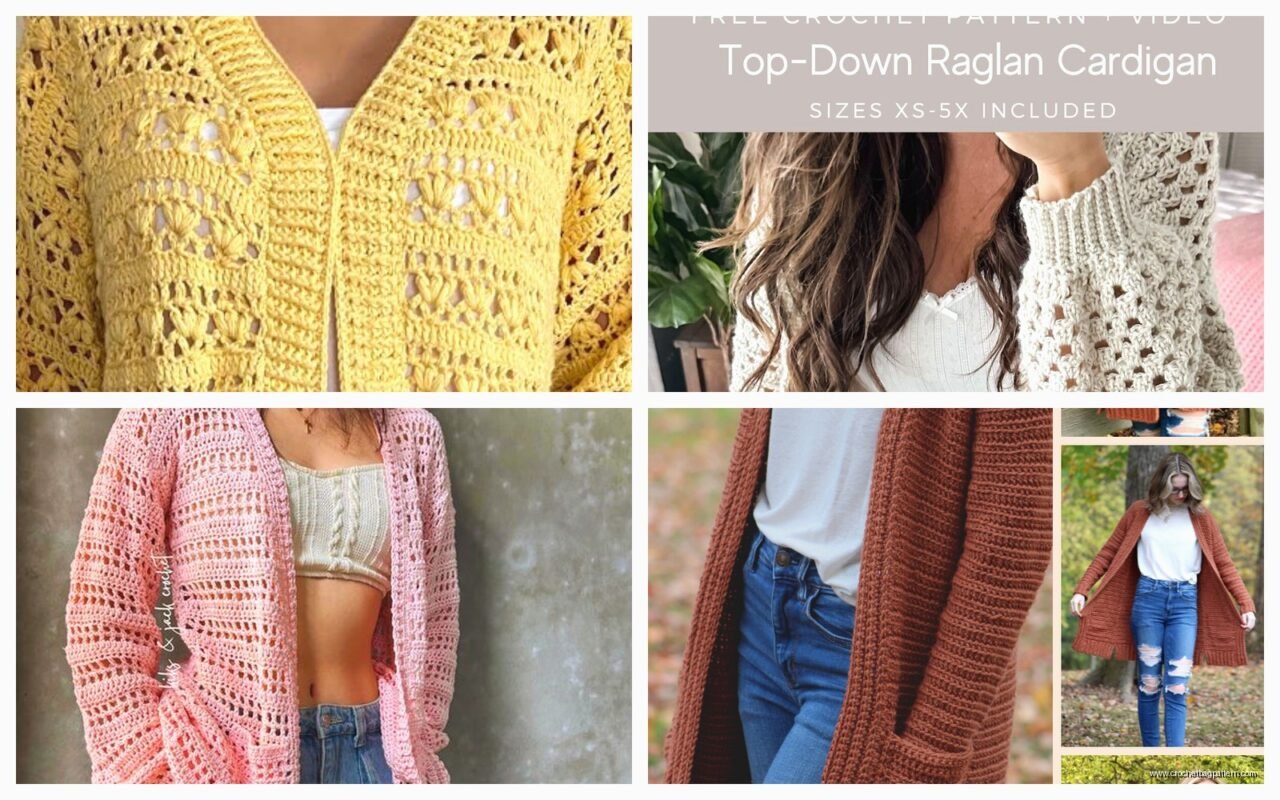
So I made this oversized cardigan in spring 2022 and honestly the pattern hunting part was way more annoying than the actual crocheting. You’re gonna spend like two hours scrolling through Ravelry and Pinterest before you find something that doesn’t look like your grandmother’s couch from 1987. The modern ones usually have clean lines, minimal texture changes, and they don’t do that weird thing with the sleeves that makes you look like you’re wearing a bathrobe.
Best places to look are Ravelry obviously, then there’s this whole community on Instagram where people tag stuff with #moderncrochet or #minimalistcrochet. I found my favorite pattern from a designer called TL Yarn Crafts and it was just a simple rectangle construction which made everything so much easier. The free patterns are definitely out there but you gotta filter through a lot of stuff that’s like… why would anyone make that.
What Makes a Pattern Actually Modern
Okay so modern cardigans usually have these characteristics and once you know what to look for it gets easier:
- Oversized fit or at least relaxed, nothing fitted and structured
- Simple stitch patterns like single crochet, half double crochet, or moss stitch
- Neutral construction methods, lots of rectangles sewn together
- Minimal shaping, maybe just at the armholes
- No weird collars or ruffles or button bands that require 47 steps
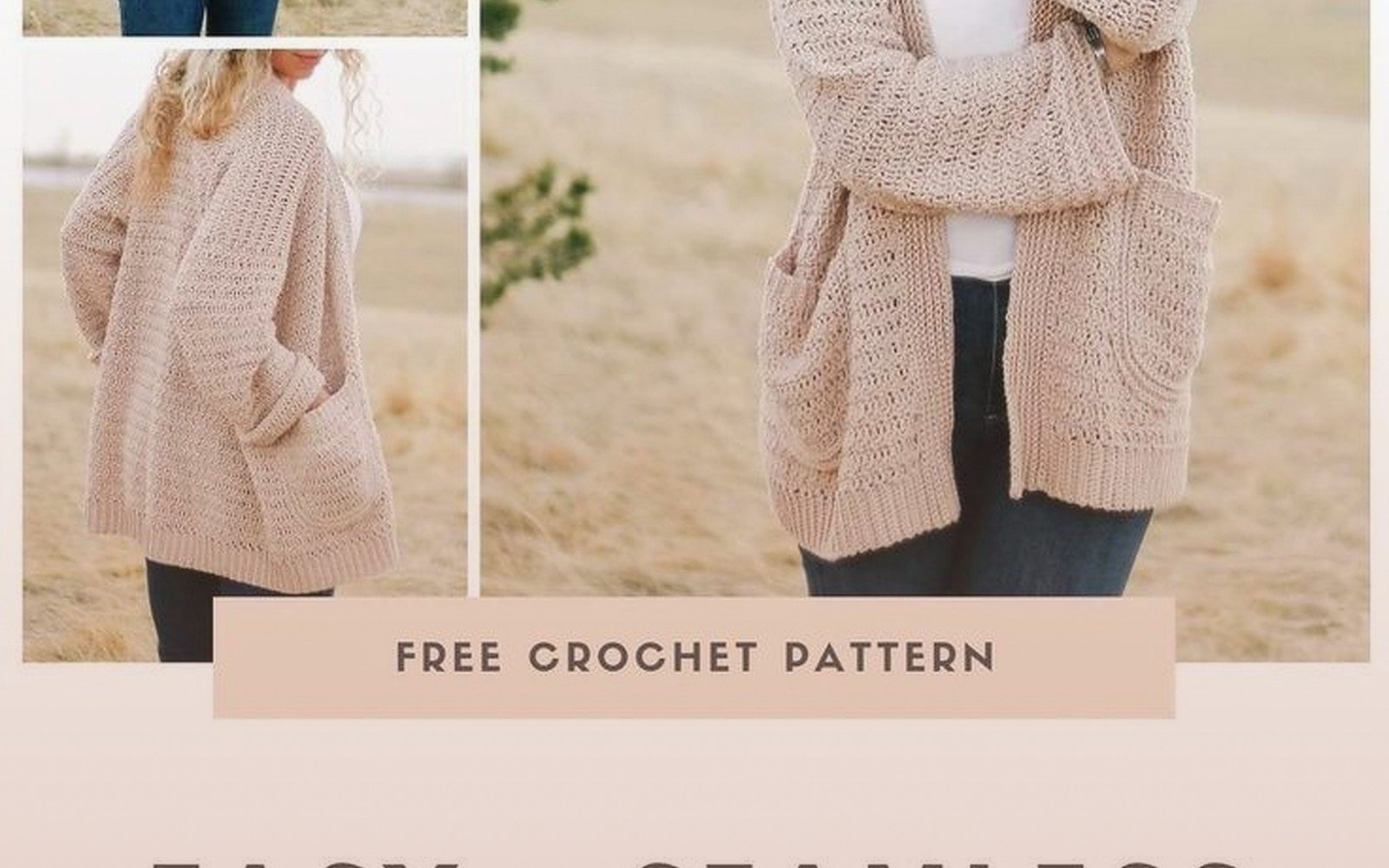
The one I made in 2022 was literally four rectangles. Two for the front panels, one giant one for the back, and then you crochet the sleeves directly onto the body. Used Lion Brand Wool-Ease in like a cream color and it turned out pretty decent even though I screwed up the sleeve length on one side and had to frog it.
Yarn Selection Because It Actually Matters
People always say “just use what you have” but that’s how you end up with a cardigan that weighs nine pounds and makes you sweat through your shirt. For modern cardigans you want something with decent drape. I’ve used:
- Lion Brand Wool-Ease (cheap, accessible, works fine)
- Caron Simply Soft (even cheaper, very drapey but pills like crazy)
- Hobbii Amigo XL for a chunky one (this was summer 2024 which was stupid timing because who needs a chunky cardigan in summer but I was binge-watching The Bear and needed something to do with my hands)
- Red Heart Super Saver which I know everyone hates but if you wash it like three times it softens up
The thing that annoyed me most about the 2022 cardigan was that I used a 5mm hook when the pattern called for 6mm because I didn’t have the right size and I was impatient. The fabric came out way too stiff and it doesn’t have that nice slouchy look. Just buy the correct hook size, they’re like three dollars.
Calculating Yarn Amounts
Most free patterns are terrible at telling you how much yarn you actually need. They’ll say “approximately 1200 yards” but that’s for like a size small and if you’re making anything bigger you’re gonna run out. I always buy an extra skein now because running out of yarn when you’re 80% done is the worst feeling in the world. My cat knocked over my yarn basket once while I was working on sleeves and I didn’t notice one skein rolled under the couch for like three days and I thought I’d lost it forever which was a whole panic situation.
Construction Methods You’ll See
There’s basically three ways modern cardigan patterns are constructed and once you understand this you can kind of modify any pattern or even make up your own:
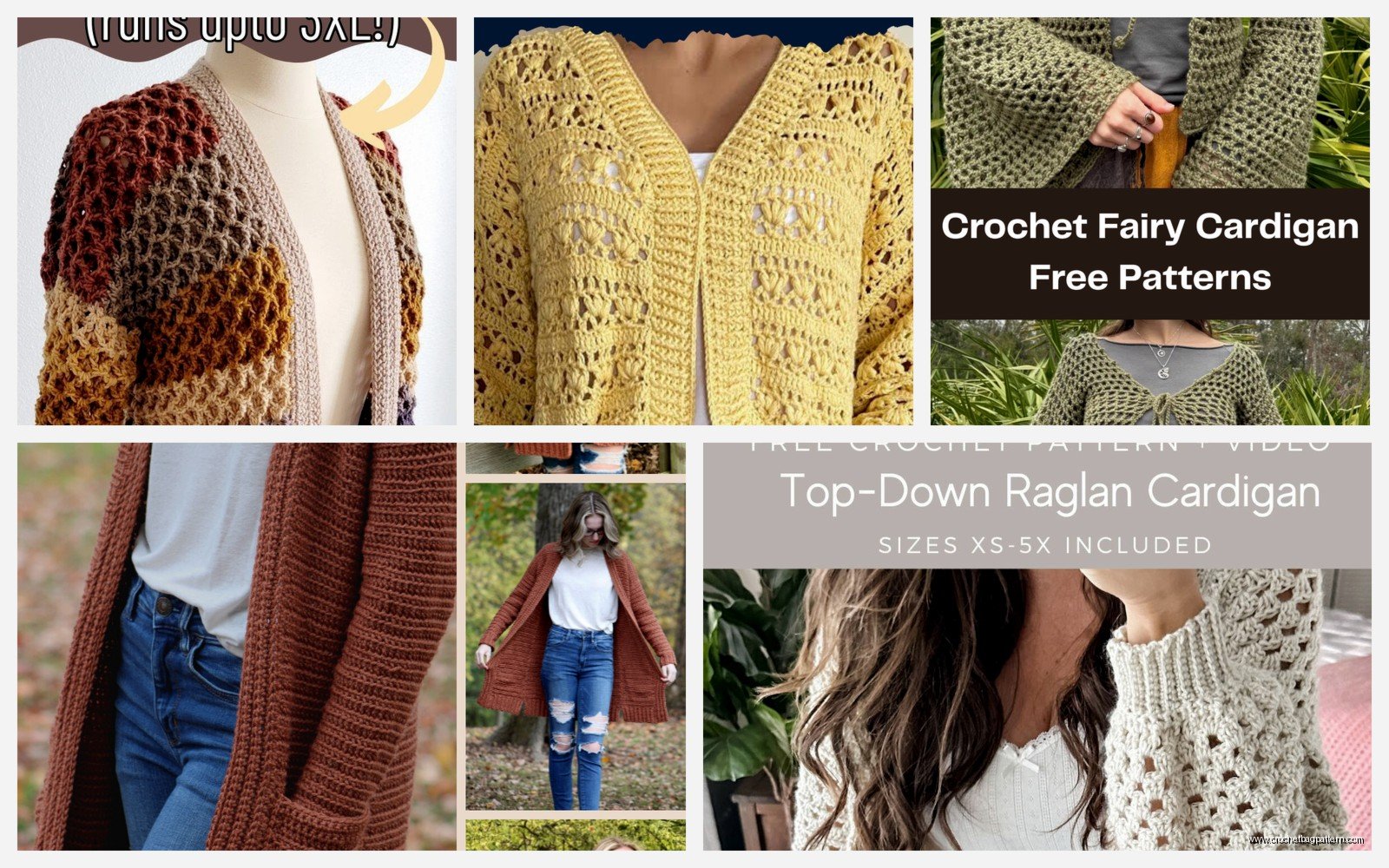
Top-Down Raglan
You start at the neck and work down, increasing at raglan lines to create the sleeves and body. This is cool because you can try it on as you go but it’s also really easy to mess up the increases and end up with weird pulling under the arms. I haven’t actually finished a top-down cardigan because I always get bored during the body section when it’s just endless rounds of the same stitch.
Bottom-Up Panels
Make the back panel, two front panels, sleeves separately then seam everything together. This is what I did for the spring 2022 one and honestly it’s the most forgiving method. If you screw up a panel you just redo that one piece, you don’t have to frog the entire project. Seaming is annoying but you can do it while watching TV so whatever.
Granny Square or Hexagon Construction
Some modern patterns use motifs but arrange them in a way that doesn’t look old-fashioned. I made one in summer 2024 using hexagons and it actually looked pretty cool, very geometric. Used Paintbox Yarns Cotton DK in like four different gray shades. The problem with motif cardigans is you have approximately eight million ends to weave in and I still haven’t woven them all in, it’s been months.
Sizing Issues Because Free Patterns Are Chaos
Free patterns are not great with sizing consistency. You’ll find one that says it fits “S-3X” but when you look at the actual measurements it’s like… those size ranges don’t even make sense. Here’s what I do:
Measure a cardigan you already own that fits how you want. Write down the bust measurement, the length from shoulder to hem, and the sleeve length from armpit to cuff. Then compare those to the pattern measurements, not the size labels. I’ve made “medium” cardigans that were bigger than “XL” ones from different designers.
Also cardigans are supposed to have ease, like 4-6 inches of positive ease usually, so if your bust measurement is 38 inches you want the finished cardigan to measure like 42-44 inches around. Otherwise it’s gonna pull and look weird and not have that nice drapey modern look.
Gauge Is Unfortunately Important
I know everyone says to do a gauge swatch and I know nobody actually does it but for a cardigan you kind of have to. Or at least make a small square and measure it because if your gauge is off by even half a stitch per inch your cardigan could end up being like six inches too wide or too narrow. I learned this the hard way on a pattern that should’ve been a 44-inch bust but came out at 52 inches because my tension was way looser than the designer’s.
You can adjust by going up or down hook sizes. If your gauge is too tight (too many stitches per inch) go up a hook size. If it’s too loose go down. Sometimes you gotta go up or down by two sizes to get it right which feels weird but just do it.
Actually Making The Thing
So you found a pattern, you got your yarn, you did your gauge swatch or at least you measured something. Now you’re actually crocheting and here’s the stuff that comes up:
Keeping Track of Rows
Use a row counter or just make tally marks on paper. I use the Notes app on my phone usually because then I can also write down if I modified anything. For the hexagon cardigan I took notes like “made 47 hexagons in color A, 32 in color B” and that was actually helpful when I was arranging them and realized I needed more of one color.
Dealing With Pattern Errors
Free patterns have errors sometimes, it just happens. If something doesn’t make sense check the comments on Ravelry because usually someone else already figured it out. Or check if there’s an errata posted. One pattern I used had the sleeve instructions completely wrong and like fifteen people had noted it in the comments with the correction.
When to Take Breaks
Cardigans take forever, like you’re looking at probably 30-50 hours of work depending on the size and yarn weight. I usually work on them for an hour or two at a time and then switch to something else for a day. If you try to power through you’ll end up hating it and your tension will get weird because your hands are tired.
Seaming and Finishing
This is the part everyone hates but it makes or breaks the final look. I use mattress stitch for side seams and shoulder seams because it’s invisible and stretchy. For attaching sleeves I usually just whip stitch them because I can’t figure out the proper way and honestly it’s fine, nobody’s looking that closely at your armpit seams.
Weaving in ends takes approximately one million years. I use a tapestry needle and weave them through the back of stitches for like 2-3 inches then double back. Some people use the Russian join to avoid ends in the first place but I always forget to do it until I’ve already started a new ball of yarn.
Blocking Makes a Difference
I didn’t block the 2022 cardigan and I regret it because the edges curl a bit and it just doesn’t look as polished. For the hexagon one I did wet block it, just laid it out flat on towels on my bed and shaped it how I wanted, then let it dry for like two days. It made the hexagons line up better and the whole thing looked more intentional instead of handmade in a bad way.
Modifications You Can Make
Once you’ve made one cardigan from a pattern you can start tweaking things. I added pockets to the hexagon cardigan by just making two more hexagons and sewing them onto the front panels. You can change the length by adding or subtracting rows. You can make sleeves longer or shorter obviously.
Some people add ribbing to the cuffs and bottom edge but I usually skip that because I like the raw edge look better for modern cardigans. If you do want ribbing you can just work in back loops only for like 2-3 inches, it creates a ribbed texture.
Color blocking is pretty easy too, you just switch colors at certain points. I’ve seen patterns where the sleeves are one color and the body is another and it looks really modern and graphic.
What Actually Gets Worn
The truth is I’ve made like five cardigans and I wear maybe two of them regularly. The ones that actually get worn are the simple ones in neutral colors that go with everything. The hexagon one is cool but it’s kind of a statement piece so it just hangs in my closet most of the time. The cream colored one from 2022 gets worn constantly even with the stiff fabric issue because it’s just easy to throw on over anything.
Make something you’ll actually wear, not something that’s just cool looking in photos. Think about your actual wardrobe and what would fit into it. If you wear a lot of black and gray, make a cardigan in those colors. If you’re into colors then go for it but be realistic about whether you’ll actually wear a rainbow cardigan or if it’ll just sit in your closet looking pretty.
The other thing is weight and warmth. That chunky cardigan I made with Amigo XL is so heavy and warm I can only wear it like three months out of the year. A lighter weight one in cotton or a cotton blend would’ve been more practical but I didn’t think about that when I was picking yarn, I just thought it looked cool in the photos.
