
Apr
okay so whirl patterns
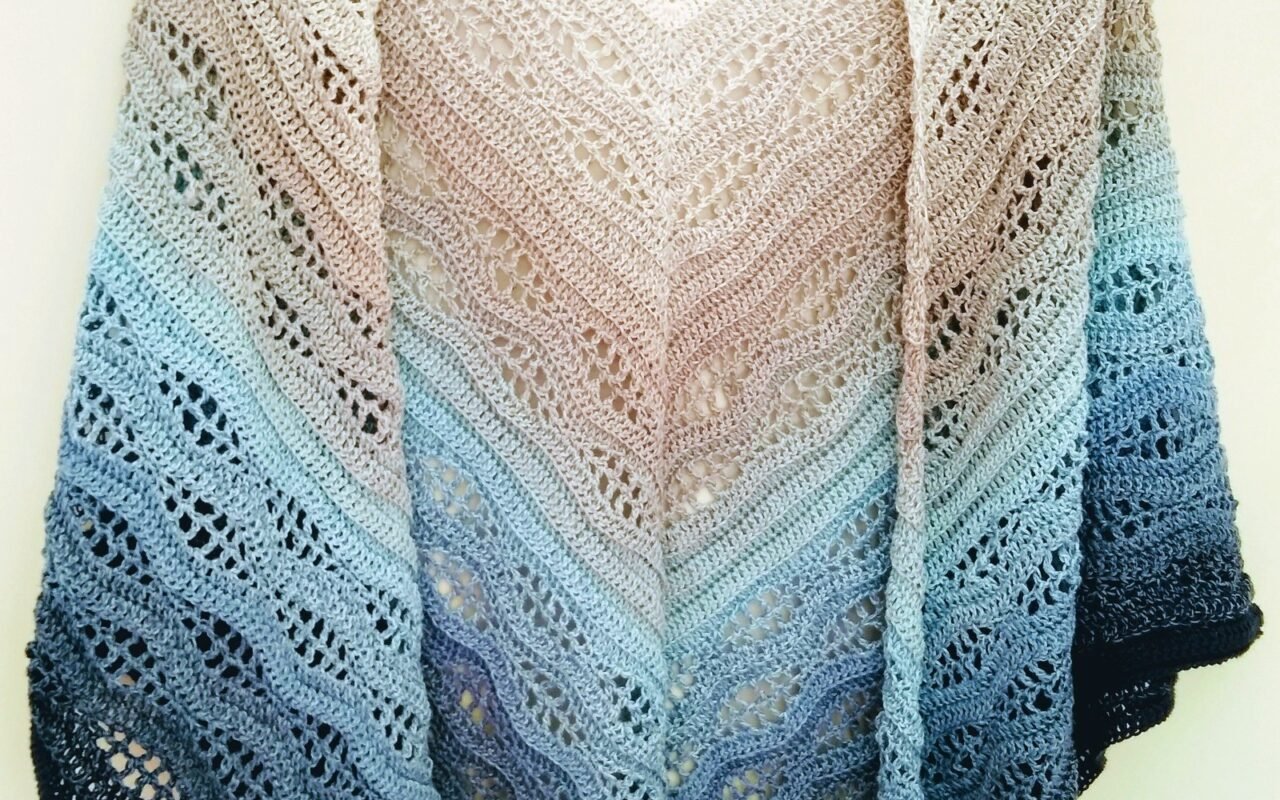
I was making this huge triangle shawl thing back in spring 2022 and honestly I picked up a Scheepjes Whirl because everyone kept posting about them on Instagram and I was like fine whatever let’s see what the fuss is about. Got the colorway Blueberry Bambam because it had those purples and teals I was really into at the time.
The thing with Whirl yarn is it’s basically a giant cake of gradual color changes and you get like 1000 meters in one cake which sounds amazing until you realize you’re gonna be working with the same project for weeks. But also it means you don’t have to weave in a million ends from color changes so there’s that trade-off.
what actually works with this yarn
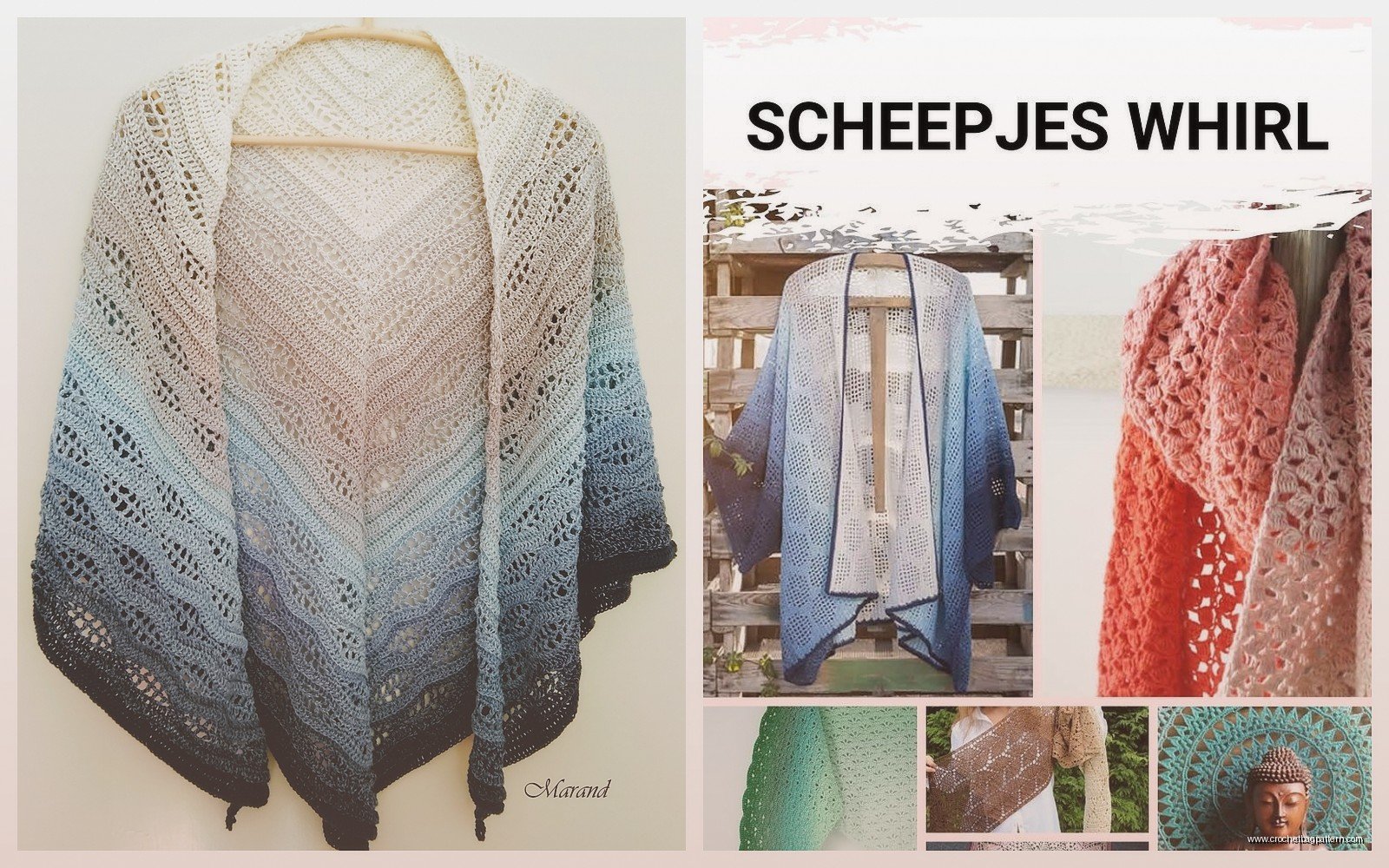
So the most obvious patterns are shawls because the gradient just naturally works when you’re increasing from a center point or doing a triangle. I used a basic garter stitch pattern but in crochet terms that’s just like half double crochet back and forth with increases on the ends. Nothing fancy. The Whirl does all the visual work for you so you don’t need complicated stitches.
Blankets are the other big one. Like those corner-to-corner patterns or just a simple granny stripe situation. I saw someone make a virus shawl with Whirl and it looked incredible but also that pattern makes me want to throw my hook across the room so I’ve never attempted it myself. My cat already knocks enough stuff off tables without me adding to it.
The weight is technically a fingering weight so it’s thinner than what I usually work with. You’re looking at a 3mm or 3.5mm hook usually. Some people size up to 4mm for a more drapey fabric but then you get holes and whether that bothers you is gonna depend on the project.
the annoying part nobody talks about
Here’s what drove me absolutely nuts and I’m still annoyed about it—the yarn splits. Like constantly. Because it’s a thinner ply and I think Scheepjes uses a specific fiber blend that’s like 60% cotton and 40% acrylic, it just catches on itself or your hook if you’re not paying attention. I probably spent an extra hour on that shawl just dealing with split yarn and having to back out stitches.
You gotta make sure your hook doesn’t have any rough spots or burrs because those will make the splitting worse. I actually switched hooks halfway through because my aluminum one was catching too much and I found this clover hook that was smoother and it helped but didn’t eliminate the problem entirely.
actually starting a whirl project
Don’t start from the center of the cake. I know some people do that for other yarns but with Whirl you want to start from the outside because the color sequence is designed that way. The label usually tells you what order the colors come in which is helpful for planning.
Pick a pattern that’s pretty mindless honestly. I was watching Love Island while making mine and I needed something I could do without counting constantly or following a chart. Simple increase patterns work best. V-stitches, basic shells, anything repetitive.
The one I made in spring 2022 was during this whole thing with my job where I was waiting to hear about a promotion and just needed something to do with my hands that wasn’t refreshing my email every five minutes. Crochet projects with gradient yarn are weirdly good for that because you can see the progress in the color changes even when the actual size increase feels slow.
gauge and planning
So here’s the thing about gauge with Whirl—it matters more than usual because you’re working with a set amount of yardage and you can’t just grab another skein in the same dye lot. One cake is what you get. If you’re making a shawl or something where the size is flexible that’s fine but for a blanket or a garment you need to actually do a gauge swatch.
I know I know everyone hates swatching but with this yarn you really should. Make like a 6 inch square in whatever stitch pattern you’re planning and measure it. Do the math on how much yarn that used and extrapolate for your full project. There are calculators online but basically you’re figuring out if 1000 meters is gonna be enough.
For reference my triangle shawl used about 900 meters and it was a decent size like 60 inches across the top edge. Could’ve gone bigger but I actually liked having some yarn left over just in case.
other scheepjes gradient yarns
Whirl isn’t the only option they make. There’s also Whirlette which is the same concept but only 455 meters so it’s better for smaller projects or if you want to combine multiple cakes. And then there’s Colour Crafter which isn’t gradient but comes in a million solid colors if you want to make your own gradient by holding strands together or doing planned pooling or… actually that’s getting too complicated.
I tried a Whirlette in summer 2024 for a baby blanket and honestly I think I liked it better? The shorter color sequence meant I could actually finish the project without losing my mind. Used the colorway Liquorice Yumyum which sounds like a ridiculous name but the colors were these nice neutrals with pops of teal.
Hobbii also makes gradient cakes now and they’re cheaper than Scheepjes. I haven’t used them personally but I’ve heard they’re decent quality just maybe not quite as soft. The colorways have weird names too like everything is “unicorn” this or “mermaid” that.
specific patterns that work
Okay so if you’re looking for actual patterns and not just winging it like I usually do:
- Lost in Time shawl – this one’s free and it’s basically a triangle with a lace border, works perfectly with one Whirl
- Comfort Fade Cardi – technically designed for fingering weight gradient yarn, uses like 3 or 4 Whirls though so it’s an investment
- Any basic C2C blanket pattern – corner to corner just eats up yardage and the diagonal color transitions look cool
- Virus shawl like I mentioned but again I hate that pattern so your mileage may vary
- Granny stripe blankets – dead simple, just chain a bunch and do clusters back and forth
The Lost in Time shawl is probably the most popular Whirl pattern out there. Everyone’s made one. It’s like the basic pumpkin spice latte of crochet patterns which sounds mean but I don’t mean it that way it’s just very accessible and turns out nice every time.
color planning when you’re being extra
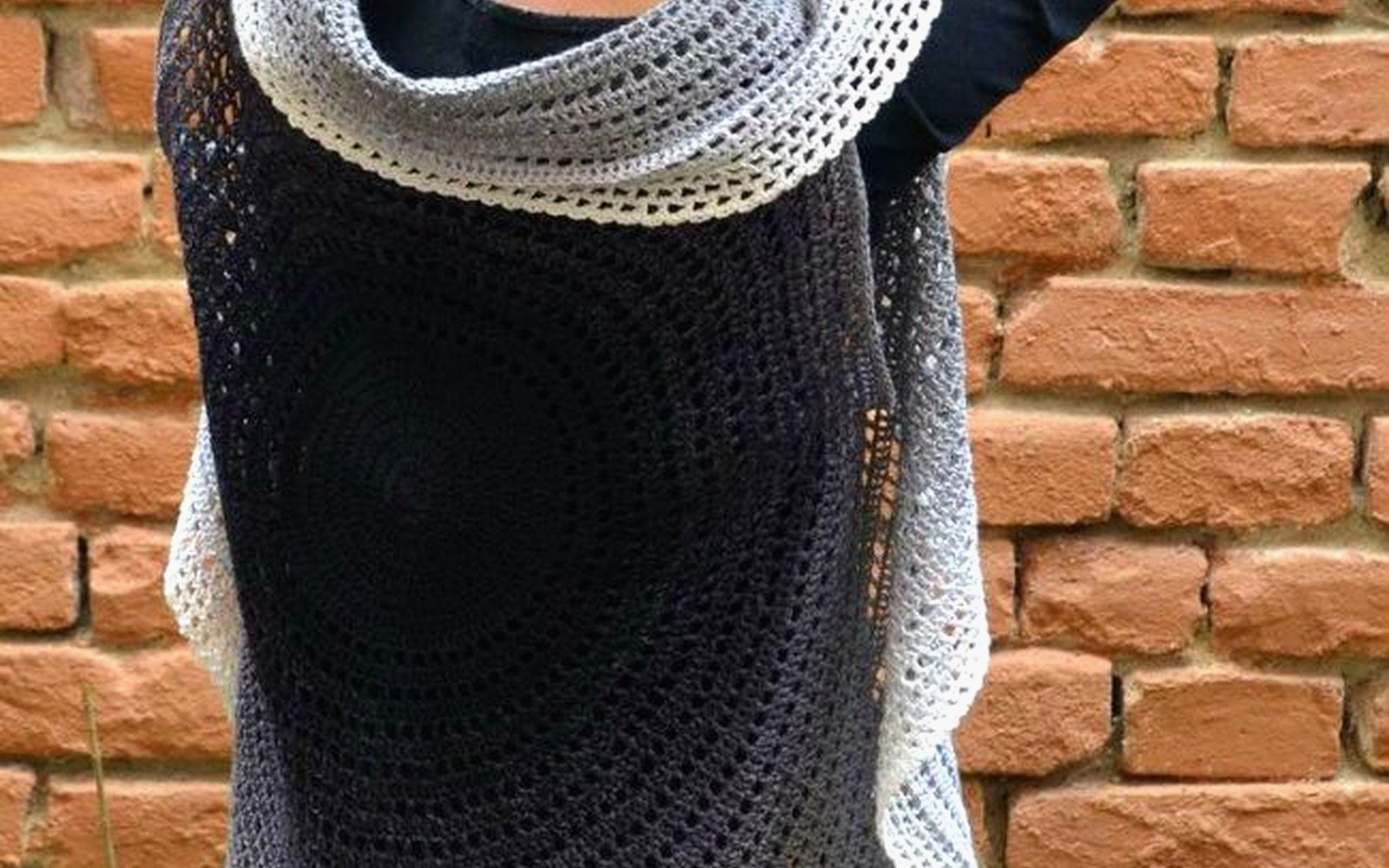
Some people get really into planning where specific colors will land in their project. Like they want the darkest color at the bottom of a shawl or they want the color change to happen at a specific point. You can do this by measuring out your yarn beforehand and doing math about rows and stitches but honestly that sounds exhausting to me.
I just start and let it do whatever it’s gonna do. The color transitions are gradual enough that it’s not like you get harsh lines unless you really try. Each color section is maybe 8-10 meters? Something like that. So it fades pretty naturally as you work.
If you really want control over color placement you’re probably better off buying individual skeins and making your own gradient but then you’re back to weaving in ends and that’s the whole thing we were trying to avoid.
tension stuff
My tension is naturally pretty tight which actually worked okay with Whirl because the thinner yarn can handle being worked up firmly without getting stiff. If you’re a loose crocheter you might want to size down your hook or accept that your fabric is gonna be pretty drapey and open.
The drape is actually really nice for shawls and wraps. The cotton-acrylic blend has good movement without being too heavy. It’s not gonna keep you super warm though because it’s thin and if you make it with open stitches there’s not much insulation happening. More of a spring or fall accessory type situation.
I made the mistake of trying to use Whirl for a summer top once and it was… okay but not great? The cotton content means it doesn’t have much stretch and getting gauge right for a fitted garment was annoying. Stick to accessories or loose garments if you’re gonna make clothing.
blocking is pretty much required
Whatever you make with this yarn is gonna need blocking. It doesn’t have to be aggressive blocking with pins everywhere but at least wet it and lay it flat to dry. The stitches even out so much after blocking and the drape improves.
For my shawl I just soaked it in the bathroom sink with a little wool wash even though it’s not wool, then squeezed out the water in a towel and pinned it out on those foam mats. Left it overnight and it looked way better the next day. The lace opened up more and the points were actually pointy instead of curled.
If you skip blocking it’ll still be fine but it won’t look as professional or polished. Sometimes I skip it on blankets if I’m being lazy because they get used and washed anyway so they kind of block themselves over time.
cost vs value thing
A Scheepjes Whirl runs about $25-30 depending where you buy it which sounds like a lot for one skein of yarn but when you consider it’s 1000 meters and you don’t need anything else for most projects it’s actually pretty reasonable. That’s a complete shawl for $25 which is cheaper than buying 4-5 skeins of regular yarn.
The Whirlettes are cheaper at like $12-15 but obviously less yardage. Good for testing if you like the yarn before committing to a big project.
I usually buy mine from LoveCrochet or sometimes directly from Scheepjes when they have sales. Local yarn stores mark them up more but you can see the colors in person which is helpful because the photos online don’t always match what you actually get.
colorway recommendations from what I’ve tried
Blueberry Bambam like I mentioned has really pretty purples and teals. Watermelon Smoothie is popular and has pinks and greens which sounds weird but looks good. I’ve seen Ombre Peach used a lot for baby stuff because it’s soft pastels.
The darker colorways like Liquorice Yumyum or Black to Blue tend to show stitch definition better if that matters to you. The really light ones like Vanilla Cupcake can wash out detailed stitches but they’re good for simple patterns where you want the color to be the main feature.
Some colorways have more contrast than others. If you look at the Scheepjes website they usually show the full color sequence which helps you decide. High contrast ones are more dramatic but can be harder to work with if you’re trying to see your stitches in dark sections.
working with joins and knots
Sometimes there are knots in the yarn where they joined different dye lots or whatever during manufacturing. This annoyed me so much when I hit one in the middle of a row. You’re supposed to just work through them or untie them and rejoin the yarn yourself but I usually just leave them and deal with it later.
The knots are usually pretty small and once everything’s blocked they kind of disappear into the fabric. If one lands in a really visible spot you can always undo it, overlap the ends, and just crochet over both strands for a few stitches to join them.
I’ve only had like 2 or 3 knots per cake which isn’t terrible but it always seems to happen when you’re in a groove and not expecting it.
washing finished projects
The cotton-acrylic blend is pretty easy care. I’ve machine washed my shawl on delicate and it was fine. Laid flat to dry because I don’t trust putting it in the dryer even though the label says you can on low heat.
Colors have stayed pretty true without much fading. The yarn softens up a bit after washing which is nice. That initial slightly scratchy feeling from the cotton smooths out.
For blankets I’d probably be more aggressive with washing just because they get more use but I haven’t finished a Whirl blanket yet so I can’t speak from experience there. Still working on one that I started in… fall 2023 maybe? It’s been a while. I keep getting distracted by other projects.
Anyway that’s most of what I know about working with Scheepjes Whirl. It’s good yarn for specific types of projects, annoying to work with sometimes because of the splitting, but the color gradients are pretty foolproof even if you’re not great at color theory. Just pick a simple pattern and let the yarn do its thing.
