
May
Getting Started with Chunky Blanket Patterns
So the first chunky blanket I made was in spring 2022 when I was basically living on my couch binge-watching The Crown and needed something mindless to do with my hands. Bulky yarn is honestly the best if you want something done fast because you’re not sitting there for three months working on tiny stitches.
The main thing about chunky blankets is they eat yarn like crazy. I’m talking like 6-10 skeins depending on size and you gotta budget for that. I used Lion Brand Wool-Ease Thick & Quick for that first one because it was on sale at Michaels and I had a coupon. The color was like this heathered gray situation that looked way better in person than online.
Hook Size Matters Way More Than You Think
You need a big hook for bulky yarn obviously but the size makes a huge difference in how the blanket turns out. Most bulky yarn calls for a 9mm or 10mm hook but I’ve used everything from 8mm to 12mm depending on what I’m going for. Smaller hook gives you a tighter fabric that’s heavier and warmer. Larger hook makes it drapier and uses slightly less yarn.
I usually go with a 10mm because it’s like the middle ground and my hands don’t cramp as much. The cramping thing is real by the way—that was the most annoying part when I made my second blanket in summer 2024. My hand was killing me after like an hour because bulky yarn plus big hook equals more weight and tension than regular projects.
Basic Stitch Patterns That Actually Work
The simplest pattern is just single crochet rows back and forth. Chain however many stitches wide you want the blanket, then single crochet across, chain one, turn, repeat until it’s long enough. Done. It’s thick and sturdy and honestly looks pretty good in chunky yarn because the texture shows up nice.
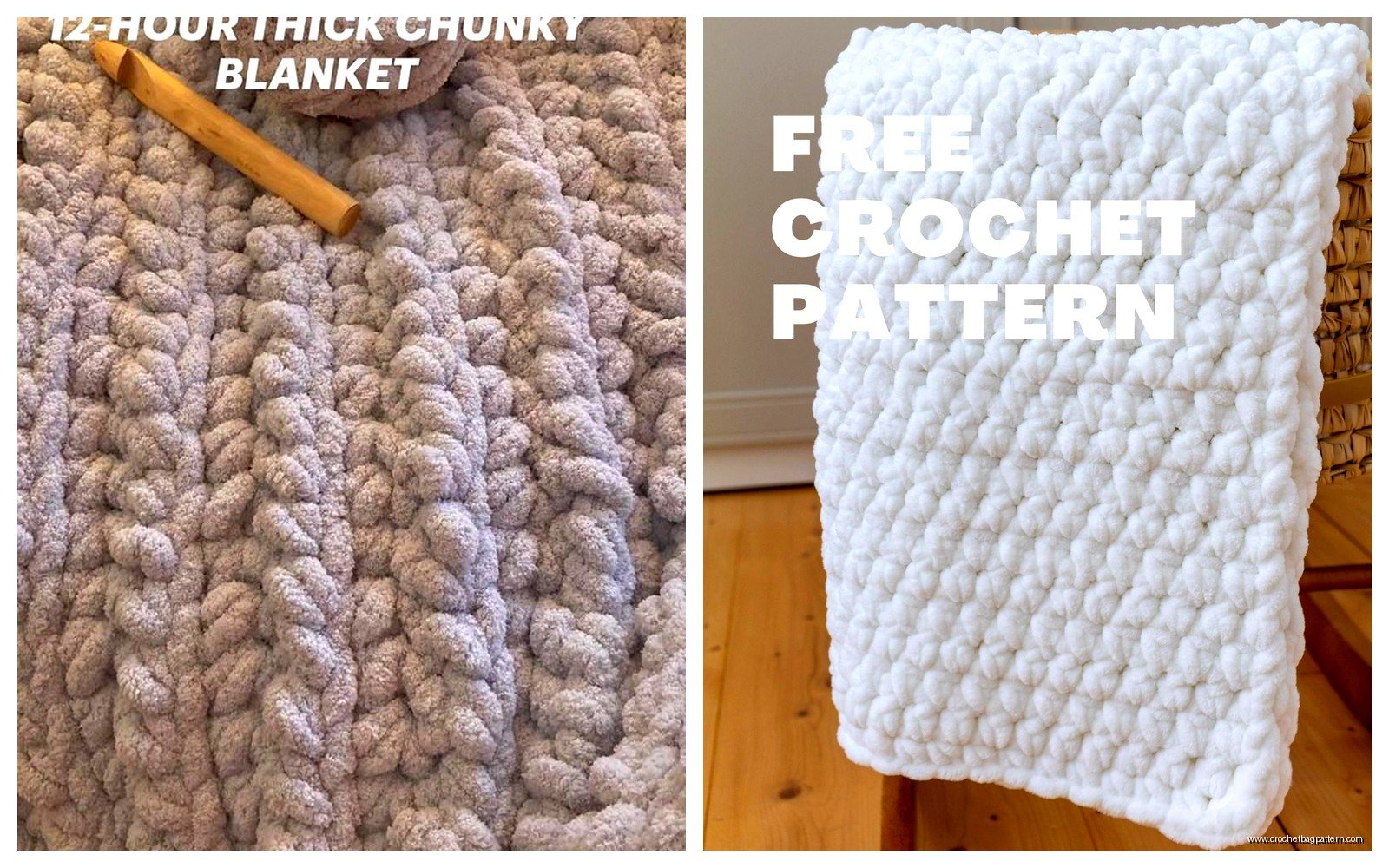
Half double crochet is my go-to though because it works up even faster than single crochet and has this nice sort of woven texture. You chain your starting row, then half double crochet across, chain two, turn, repeat. The chain two at the end of each row counts as your first stitch in the next row which I always forget and end up with weird edges until I remember.
Double crochet is too loose for blankets in my opinion unless you’re using a smaller hook. It gets these big gaps and doesn’t feel as substantial. But some people like that lightweight thing so whatever works.
Moss Stitch Pattern
This one’s really popular for chunky blankets and it’s just alternating single crochet and chain one across the row. So you’d chain an even number, then do single crochet in second chain from hook, chain one, skip one chain, single crochet in next chain, chain one, skip one… you get it. Next row you single crochet into the chain spaces and chain one over the single crochets. It makes this bumpy texture that looks more complicated than it is.
I made one with moss stitch using Bernat Blanket yarn which is like this chenille situation and super soft but also kind of a pain because it splits if you’re not careful with where you put your hook. My cat kept trying to lay on it while I was working and getting hair everywhere which was annoying but also she looked cute so.
Sizing Your Blanket
For a throw blanket you want like 50 inches by 60 inches roughly. That’s big enough to actually cover someone on the couch. Lap blankets can be smaller like 36 by 48 or whatever. Baby blankets are usually around 30 by 36 but I’ve never made one of those because I don’t know any babies.
The tricky part is figuring out your starting chain. You need to make a gauge swatch which everyone hates doing but it actually matters with chunky yarn because being off by even a few stitches means your blanket is way bigger or smaller than you planned. Chain like 20 stitches, work in your pattern for about 6 inches, then measure how many stitches per inch you’re getting.
If you’re getting 2 stitches per inch and you want a 50 inch wide blanket, you need 100 stitches in your starting chain. Then add however many chains your pattern needs for turning—like one extra for single crochet, two for half double crochet, three for double crochet.
Yarn Amounts and Brands
A throw blanket in bulky weight yarn usually takes between 1200-1800 yards total. The skeins are different sizes though so you gotta check. Lion Brand Thick & Quick comes in 106 yard skeins so you’d need like 12-15 of those. Bernat Blanket is 220 yards per skein so maybe 6-8 skeins.
I’ve also used Wool and the Gang Crazy Sexy Wool which is expensive but really nice quality and the colors are gorgeous. That one’s 87 yards per skein so you need a bunch. Definitely calculate before you start because running out of yarn partway through and having to order more is the worst, especially if they discontinued the color or the dye lots don’t match.
Big Twist Value yarn from Joann is cheap and works fine if you’re on a budget. It’s acrylic so it’s washable which is good for blankets. Not as soft as the chenille ones but it holds up better over time.
Acrylic vs Wool Blends
Acrylic is easier to care for and cheaper but it doesn’t breathe as well so it can get hot. Wool blends are more expensive but they regulate temperature better and feel more luxurious I guess. I usually go with acrylic because I’m lazy about handwashing things and acrylic can go in the machine.
Wool-Ease Thick & Quick is a blend that’s like 80% acrylic and 20% wool so you get some of the wool benefits but it’s still machine washable. That’s probably my favorite overall for chunky blankets.
Actually Making the Thing
Chain your starting chain loose enough that it’s not tight and puckered. With bulky yarn this is easier than with regular yarn but still something to watch. If your starting chain is too tight the whole bottom edge of your blanket will pull in and look weird.
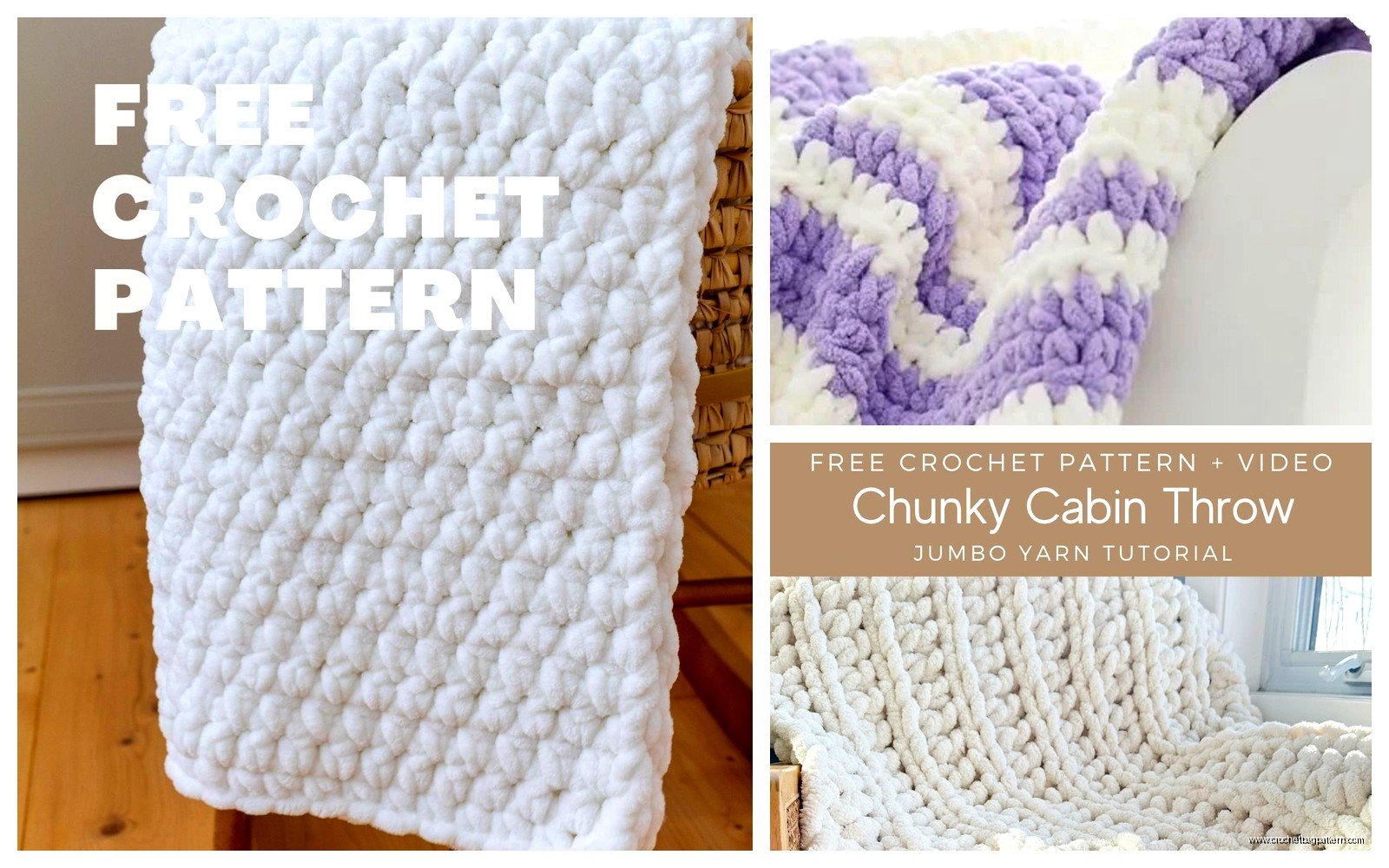
Work your rows back and forth, keeping your tension consistent. This is harder than it sounds because your hands get tired and you start crocheting looser or tighter without realizing. I try to take breaks every like 30 minutes to stretch my hands and check that my stitches still look the same size.
The edges can get wonky if you’re not careful about where you put your first and last stitch of each row. I always mark my first stitch with a little piece of yarn in a different color so I know where to… wait no that’s for working in the round. For flat pieces you just gotta pay attention and not accidentally skip or add stitches at the ends.
Border Options
You don’t technically need a border on a chunky blanket but it makes it look more finished. Simple single crochet border all the way around works fine. Just single crochet evenly along the top and bottom edges, then work down the sides putting three single crochets in each corner so it lays flat.
Or you can do a shell border which is like five double crochets in one stitch, skip two stitches, single crochet, skip two, five double crochets in next stitch… continuing around. That looks fancier but honestly with chunky yarn sometimes simple is better because there’s already so much texture.
Weaving in Ends
This is the annoying part I mentioned earlier. Well one of them. Bulky yarn ends are thick and hard to weave in neatly. You can’t just thread them through a regular yarn needle—you need a big plastic needle with a huge eye. Even then it’s kind of a pain trying to weave the end through the stitches without it being super obvious.
I usually weave in ends as I go instead of saving them all for the end because having like 8-10 thick yarn tails to deal with after you finish is depressing. When you join a new skein, leave like a 6 inch tail, work a few more rows, then go back and weave it through the backs of the stitches in the same row.
Joining New Yarn
Just start the new skein at the beginning of a row. Don’t try to join in the middle because the knot or join will be visible and bumpy. Work the old yarn to the end of the row, then drop it and start your turning chain with the new yarn. You can either tie them together loosely or just start crocheting and weave both ends in later. I usually tie them because I’m paranoid about it coming undone.
Common Problems
Your blanket might start getting wider or narrower as you go if you’re accidentally adding or losing stitches. Count your stitches every few rows to catch this early. With bulky yarn it’s easy to miss a stitch because everything’s so thick and chunky.
The blanket might curl at the edges which usually means your tension is off or you’re using the wrong hook size. Going up a hook size often fixes this. Or adding that border helps weight down the edges so they lay flatter.
Running out of yarn before you finish is the absolute worst. Buy more than you think you need. You can always return unopened skeins but you can’t easily get more if it’s discontinued or sold out.
Washing Your Finished Blanket
Check the yarn label for washing instructions but most acrylic chunky blankets can go in the washing machine on gentle cycle with cold water. I usually put mine in a mesh laundry bag so it doesn’t get stretched out. Then either air dry flat or tumble dry low heat.
Wool blends might need hand washing or dry cleaning depending on the wool content. Bernat Blanket yarn specifically says machine wash and dry which is one reason it’s popular.
The blanket will shed a little bit at first especially if it’s chenille style yarn but that stops after a few washes usually.
Free Pattern Sources
Ravelry has tons of free chunky blanket patterns if you want something more complicated than basic rows. Just search for bulky weight blankets and filter by free patterns. Some of them are actually good quality patterns with clear instructions.
YouTube is honestly better for learning the actual techniques though. Watching someone make the stitches helps way more than reading a written pattern especially if you’re like me and didn’t learn from formal patterns originally. Just search for chunky crochet blanket tutorial and you’ll find a million videos.
Lion Brand and Yarnspirations websites have free patterns too that are specifically designed for their yarn lines. The instructions are usually pretty clear since they’re from actual yarn companies.
Time Investment
A chunky throw blanket takes maybe 10-15 hours total depending on your speed and the stitch pattern. That’s spread over several days obviously unless you’re gonna marathon crochet session it. My first one took longer because I kept messing up and having to rip out rows but once you get the rhythm going it moves fast.
The summer 2024 one I mentioned took me like three weeks but I was only working on it an hour or two at a time because of the hand cramping thing. Probably could’ve finished it in a week if I’d pushed through but whatever, it’s supposed to be relaxing not painful.
