
Mar
okay so neck warmers are actually way easier than you think
I made my first real cowl in spring 2022 when I was binge-watching Succession and needed something to do with my hands because that show stressed me out. Started with what I thought was gonna be a simple infinity scarf but it turned into this bulky neck warmer thing that I actually wore constantly that winter.
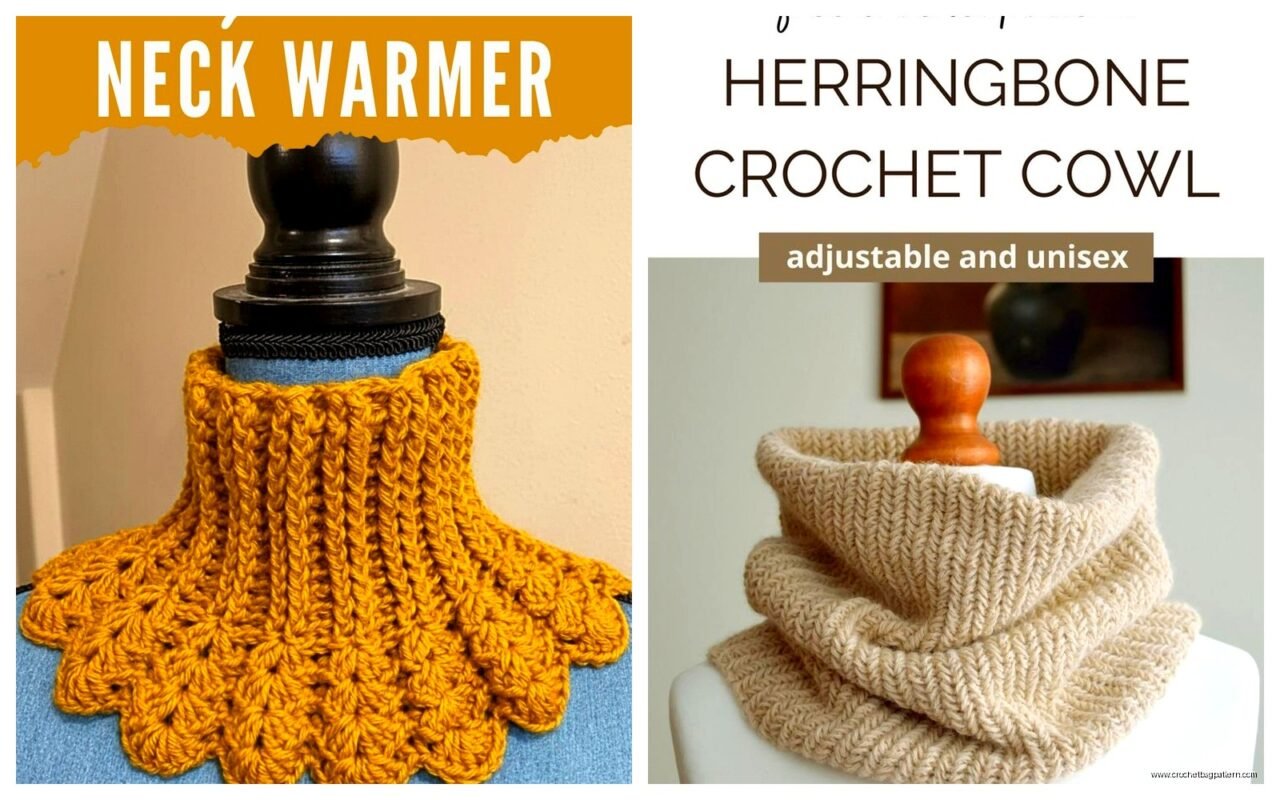
The main thing you gotta know is that cowls and neck warmers are basically the same project with different dimensions. A cowl is shorter and sits closer to your neck, a neck warmer is longer and wraps around more. Some people get really specific about the differences but honestly it’s just how much yarn you feel like using.
starting with the basic circle approach
So the easiest way is to just crochet a rectangle and seam the ends together. I used Lion Brand Wool-Ease Thick & Quick for that first one because it was on sale at Michael’s and I wasn’t trying to spend a ton. You need like one or two skeins depending on how long you want it.
Chain about 60-80 stitches depending on how slouchy you want it. Then just do rows of half double crochet or double crochet until it’s as wide as you want. For a cowl that sits at your neck, maybe 10-12 inches. For something that covers more of your chest, go 14-16 inches. I never measure anything precisely which probably drives pattern people crazy but it works.
The annoying thing about this method is seaming the ends together. I hate seaming. It always looks lumpy when I do it and you have to weave in ends and it’s just tedious. But you slip stitch the short ends together or whip stitch them and then you’ve got a circle.
working in the round is actually better
After making like three of those rectangle ones I figured out you can just work in the round from the start and skip the seaming entirely. This changed everything for me.
Chain enough to go around your head comfortably – usually 80-100 chains depending on your yarn weight. Join with a slip stitch to make a circle. Make sure you don’t twist the chain, I’ve done that so many times and you don’t notice until you’re three rows in.
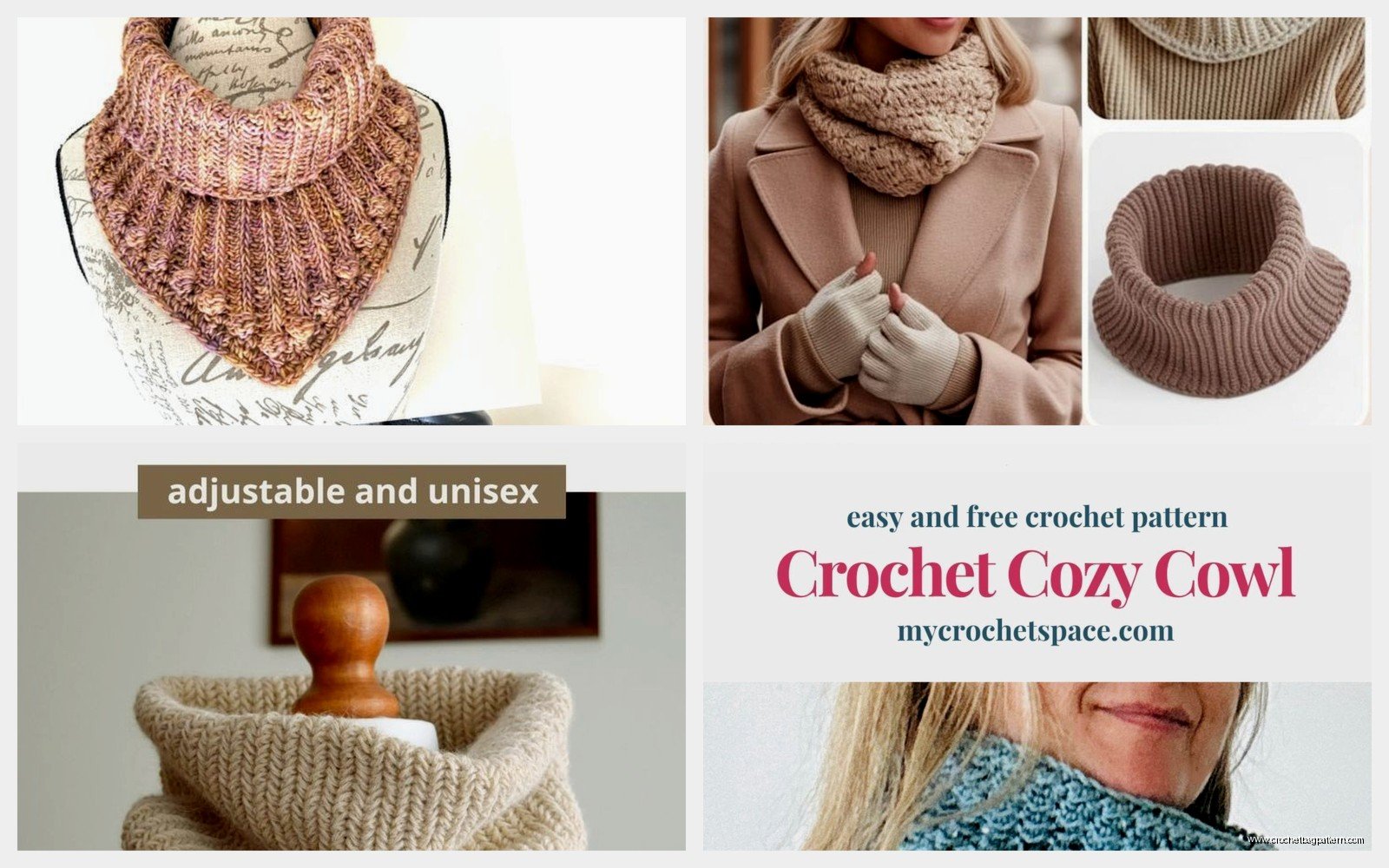
Then you just keep going around and around. I usually do half double crochet because it’s got good texture and works up fast. Every round you chain 2 to start, then hdc in each stitch around, join with slip stitch to the first chain. Repeat until it’s as tall as you want.
I made one last summer (July 2024) even though it was hot because I knew I’d want it in fall and I’m always behind on making winter stuff when winter actually comes. Used Caron Simply Soft in that grey heather color – that yarn is cheap but it’s actually really soft and holds up well in the wash.
yarn weights matter more than patterns admit
Bulky weight yarn (size 5 or 6) is your friend for neck warmers. It works up super fast and has that chunky cozy look. I’ve tried making them with worsted weight (size 4) and it takes forever and you need way more rows to get the same coverage.
Red Heart Super Saver is fine if you’re on a budget but it can be kinda scratchy on your neck. I learned this the hard way after making one for my sister and she never wore it, later admitted it was too itchy. If you’re making something that sits right against your skin, spend a bit more on softer yarn. Bernat Blanket yarn is really plush but almost too thick – your neck warmer ends up being really bulky and stiff.
The sweet spot is bulky yarn that’s got some acrylic and some wool blend. Lion Brand Heartland is good for this, comes in nice colors too.
button cowls are practical but fiddly
Instead of a circle you can make a rectangular piece and add buttons so it wraps and fastens. This is actually more versatile because you can wear it different ways and it’s easier to put on without messing up your hair or… wait I’m getting ahead of myself.
For a button cowl you make a rectangle maybe 6-8 inches wide and 24-30 inches long. The width is what wraps around your neck, the length is what determines how many times you can wrap it.
Add buttonholes on one short end – just chain 3 or 4 in the middle of a row and skip the same number of stitches, then continue your pattern. On the next row, work stitches into those chains. Sew buttons on the other end to match up.
The annoying part here is finding buttons that actually fit through the buttonholes AND look decent. I spent like 20 minutes in Joann’s staring at buttons for one of these. My cat knocked my button box off the table once and I’m still finding buttons under furniture.
stitch patterns that actually work
Half double crochet is my default because it’s mindless and looks fine. But if you want texture, try alternating front post and back post stitches. Front post half double crochet (fphdc) and back post half double crochet (bphdc) in alternating stitches gives you a ribbed look that’s really stretchy.
For that pattern: chain your starting chain, then row 1 is all regular hdc. Starting from row 2, you alternate fphdc and bphdc across. Every row after that you do fpdc where you see a raised stitch and bpdc where you see a recessed stitch. It creates vertical ribs.
Puff stitch cowls look fancy but they eat yarn like crazy. I made one in winter 2023 with some fancy Malabrigo yarn I got as a gift and it used almost three skeins when I thought I’d need two. Puff stitches are basically [yarn over, insert hook, pull up a loop] 3-5 times in the same stitch, then yarn over and pull through all loops. They’re puffy and dimensional but slow going.
infinity scarves vs regular neck warmers
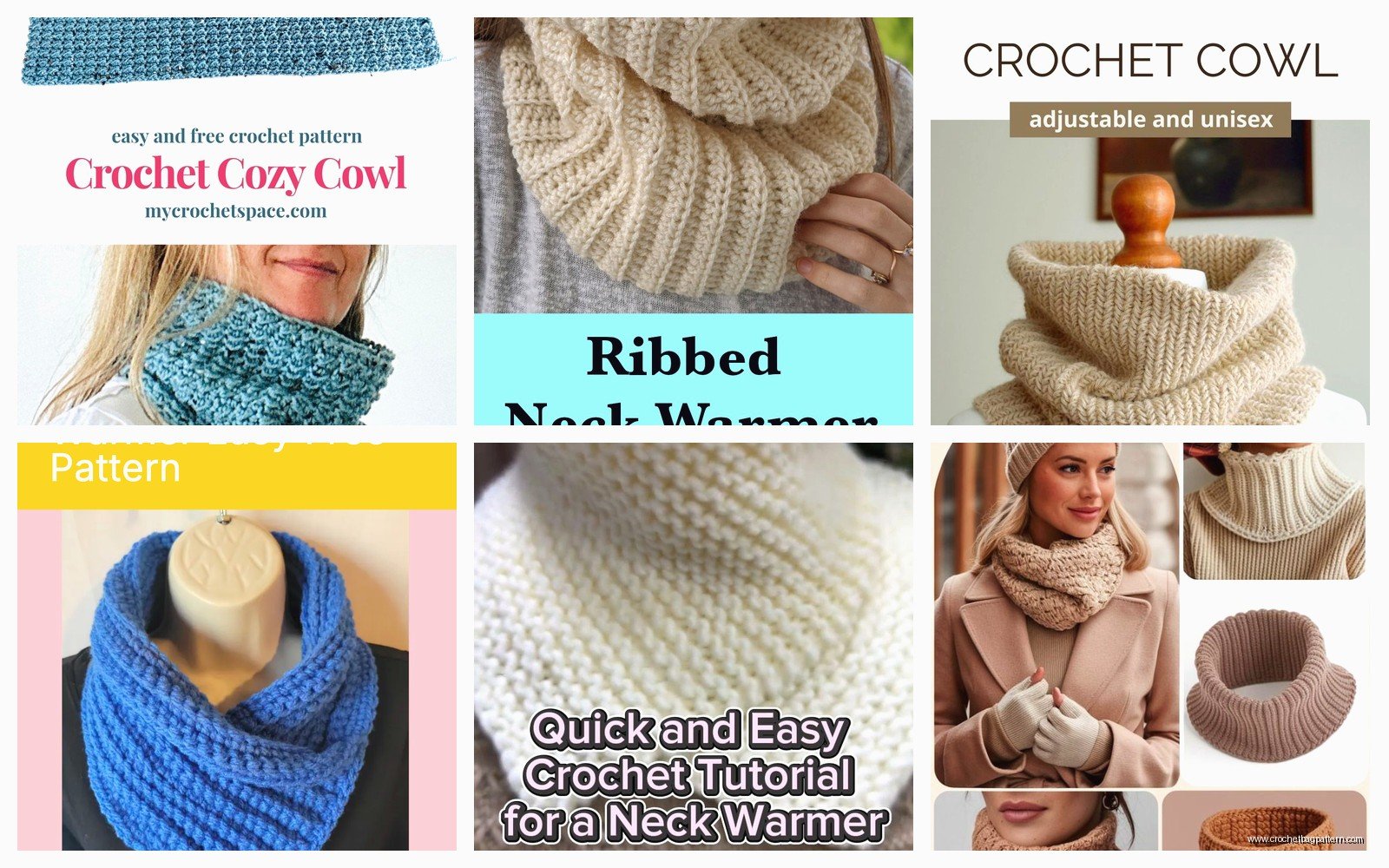
An infinity scarf is just a really long cowl that you can wrap twice around your neck. Some people make them super long, like 60+ inches around, but I think that’s excessive. A 40-50 inch circumference lets you wrap it twice comfortably without having a huge bulky pile of fabric.
For these I usually go thinner – maybe 6-8 inches wide instead of 12. You want enough fabric to wrap but not so much that you look like you’re drowning in scarf.
I made one of these in fall 2023 using I think it was Loops & Threads Impeccable from Michael’s, worked in the round using just single crochet. Took forever because single crochet is slow but it came out with a nice tight fabric that didn’t stretch out weird.
the actual dimensions that work
Okay so here’s what I’ve learned from making probably 15 of these things:
- Short cowl that sits at neck: 22-26 inches around, 8-12 inches tall
- Longer slouchy cowl: 28-32 inches around, 12-16 inches tall
- Infinity scarf (single wrap): 30-36 inches around, 6-10 inches wide
- Infinity scarf (double wrap): 45-55 inches around, 6-8 inches wide
- Button wrap: 6-8 inches wide, 24-32 inches long
These are approximate because everyone’s neck is different and yarn behaves differently. I usually make my starting chain, try it over my head, and adjust from there.
color choices nobody talks about
Neutral colors are practical but boring. I made three grey cowls before I realized I literally never wore them because they disappeared into my winter coat. Bright colors or variegated yarns are way more fun and you’ll actually wear them.
That said, if you’re making something for someone else, neutrals are safer. I made a bright orange one for my mom and she was like thanks but I can tell she’s never wearing it.
Variegated yarn can look really cool in simple stitches – you don’t need fancy stitch patterns when the yarn does the work. Red Heart Unforgettable is nice for this, it’s got long color changes that work well in cowls.
fixing common problems
If your cowl is too tight to get over your head, you need more chains in your starting round. I’ve had to frog entire projects because of this – you can’t really fix it once you’re several rows in.
If it’s too loose and slouchy when you don’t want it to be, go down a hook size. I usually use a hook one size smaller than the yarn label recommends for cowls because I want tighter fabric that holds its shape.
Edges rolling or curling is common with single crochet. Switch to half double crochet or add a border row of slip stitches around the edges to flatten them out.
washing and care
Most acrylic yarn can go in the washing machine on gentle and tumble dry low. Wool blends should be hand washed or at least put in a mesh bag and laid flat to dry. I’ve shrunk exactly one wool cowl by throwing it in the dryer and now I’m paranoid about checking labels.
The nice thing about neck warmers is they don’t need washing that often unless you’re wearing them every single day. I usually wash mine at the end of winter before storing them.
timing and how long these actually take
With bulky yarn and a simple stitch, you can finish a basic cowl in 2-3 hours. I’ve done them in one evening while watching a movie. More complex stitches or thinner yarn takes longer – plan on 5-8 hours for something with a lot of texture or detail.
Infinity scarves take longer just because there’s more surface area. Maybe 4-6 hours for a basic one.
Button wraps are quickest because they’re not that wide, usually 2-3 hours plus time to sew on buttons.
modifications that are easy to do
Add fringe to the ends of a button wrap by cutting strands of yarn about 8 inches long, folding them in half, and pulling them through edge stitches with your hook. Tie a knot to secure. Looks more finished.
Make it reversible by using a stitch pattern that looks the same on both sides – half double crochet, double crochet, or the ribbing pattern I mentioned earlier all work.
Add a contrasting color stripe by switching yarn colors for a few rows then switching back. Just drop the old color, pick up the new one, and carry the unused color up the side of your work.
Put pockets on a button wrap by crocheting small rectangles and sewing them onto the wrap before you add buttons. Not super practical but kinda fun.
gifting these things
Cowls make decent gifts because they’re quick to make and most people can use them. Size isn’t as critical as it would be for a hat or sweater – if it’s a bit big or small it still works.
I made like six of them as Christmas gifts one year and everyone seemed to actually like them. Or they were polite. Hard to tell with family.
If you’re giving one as a gift, wash and block it first so it looks more finished. Blocking just means getting it wet, shaping it how you want it, and letting it dry. Makes a huge difference in how professional it looks.
The one thing that really annoyed me about making multiples is you have to weave in ends for every single one and it’s so tedious. I’ve gotten faster at it but it’s still my least favorite part of any project. Some people weave as they go but I always forget and end up with a pile of cowls that need finishing.
