
Jun
Making the Basic Mouse Shape
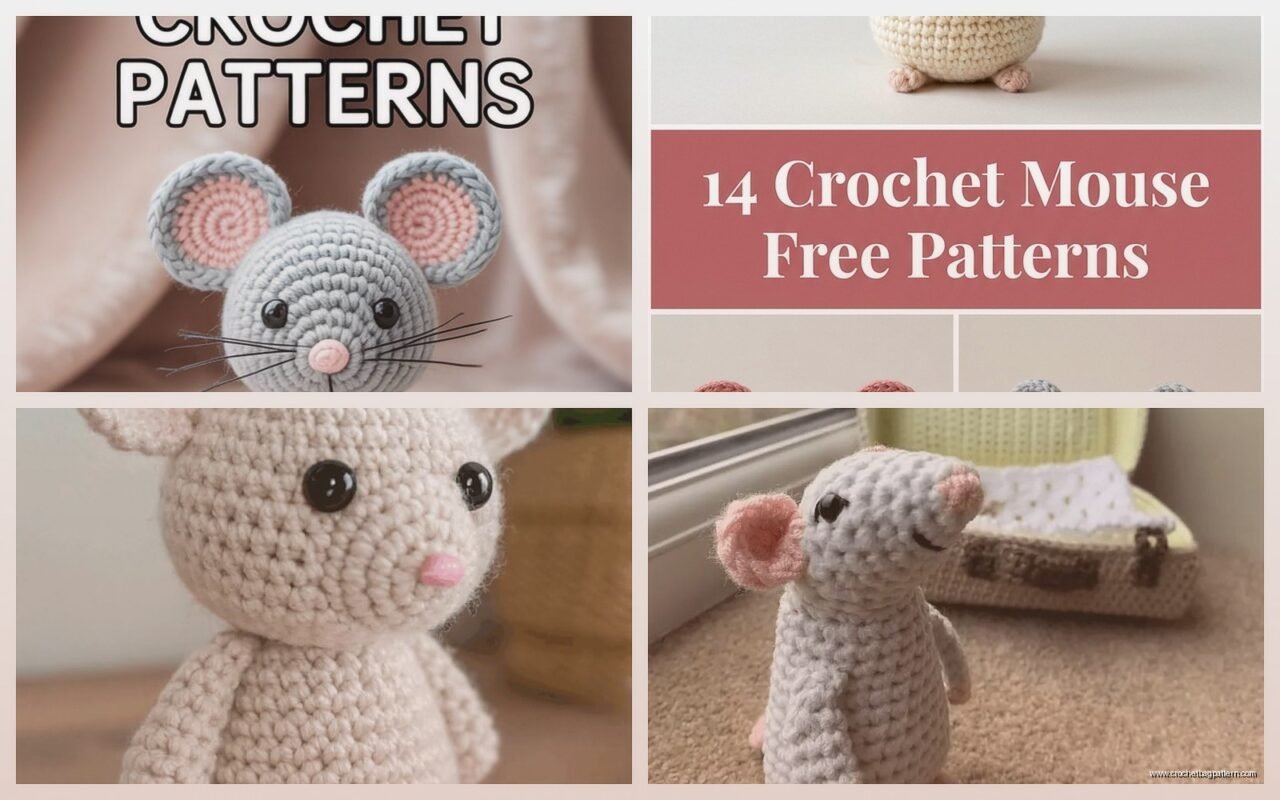
So basically you’re gonna start with the head and work down to the body as one continuous piece which honestly makes it way easier than trying to sew a million parts together later. I made my first mouse in spring 2022 when I was stuck at home with nothing to do except watch old episodes of The Office for the third time, and I just wanted something small and quick.
Start with a magic ring and do 6 single crochets into it. Pull it tight so there’s no hole in the top of the head because mice don’t have holes in their heads obviously. Then you’re gonna increase in every stitch for round 2, so that’s 12 stitches total. Round 3 is the usual pattern – sc 1, increase, repeat around to get 18 stitches.
For the head I usually go up to about 24 or 30 stitches depending on how chubby I want the mouse to look. So round 4 would be sc 2, inc, repeat (24 stitches), and round 5 would be sc 3, inc, repeat (30 stitches). Then work even for like 5-7 rounds without any increases or decreases. This creates the roundness.
Stuffing and Shaping
One thing that really annoyed me was figuring out when to stuff the head because if you wait too long the opening gets too small and you’re trying to shove polyfil through this tiny hole and it just bunches up weird. Start stuffing when you begin the decrease rounds. I use regular polyfil from Walmart or whatever, nothing fancy.
For decreases, do the reverse of what you did going up. So if your last increase round got you to 30 stitches, do sc 3, dec, repeat around. Then sc 2, dec. Then sc 1, dec. The head should be pretty firmly stuffed by now – like actually firm, not squishy, because a squishy mouse head looks kind of sad and deflated.
The Body Part
Don’t fasten off after the head. You’re just gonna keep going and make the body right there attached. Increase back up a little bit – maybe do one round of sc 1, inc to get a wider body. The body should be slightly bigger around than where the neck area is but smaller than the widest part of the head.
Work even on those stitches for about 6-8 rounds depending on if you want a short stubby mouse or a longer one. I made a really long one once that looked more like a rat honestly, it was during summer 2024 when my cat kept knocking my yarn basket off the table and I just kept crocheting longer out of spite or something.
Then decrease the same way you did the head. Stuff as you go – seriously don’t forget this step because you’ll regret it. Close up the bottom with a few decreases until you’ve got just a few stitches left, then fasten off and weave the end inside.
Ears Are Weird But Important
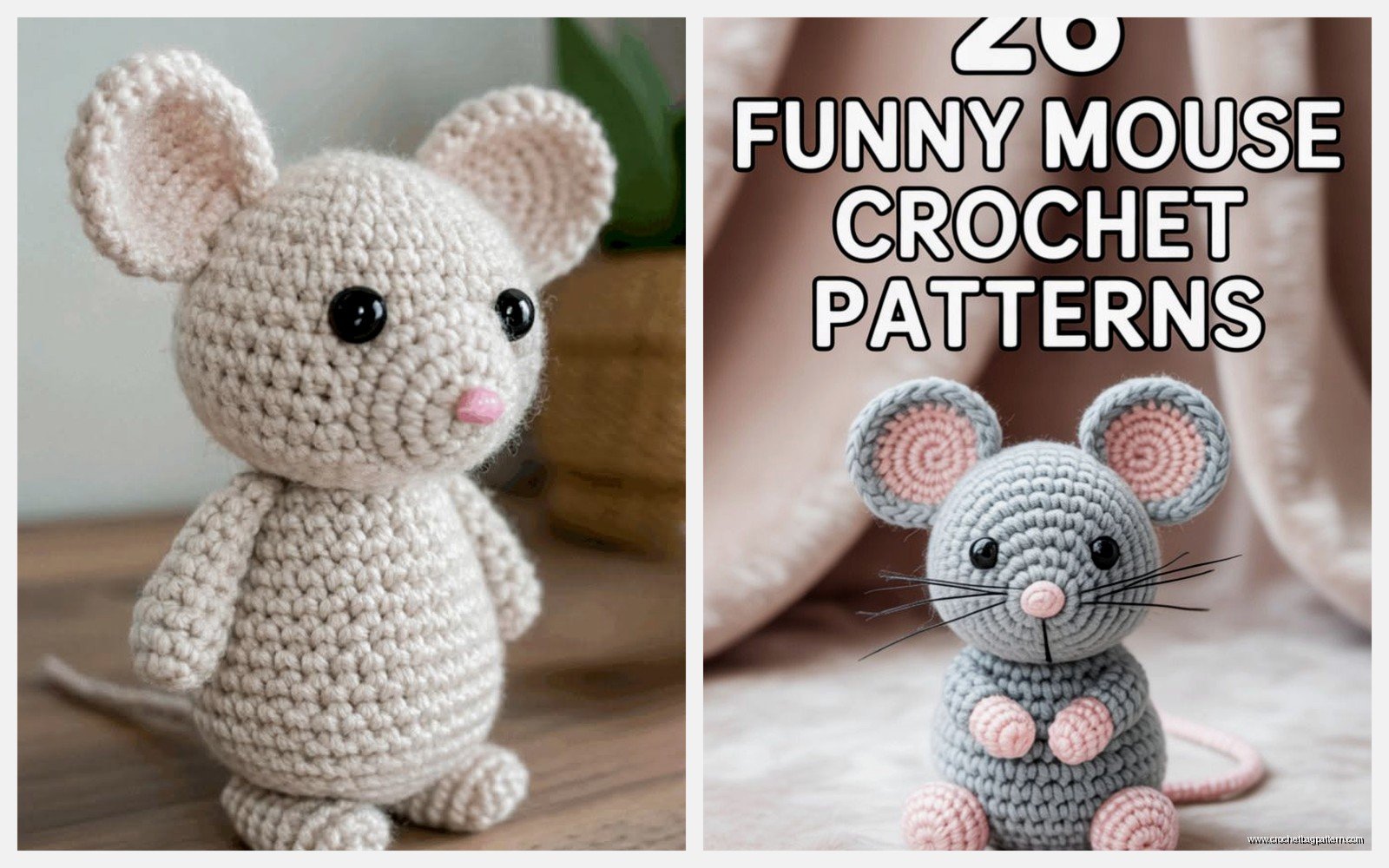
Mouse ears are what make it actually look like a mouse instead of just a gray blob. I usually do them flat in rows instead of rounds because it’s faster and they’re supposed to be thin anyway.
Chain 4, turn, sc in 2nd chain from hook and in next 2 chains (3 sc). Chain 1, turn. Work 2 sc in first stitch, sc 1, 2 sc in last stitch (5 sc). Chain 1, turn. Work 2 sc in first stitch, sc 3, 2 sc in last stitch (7 sc). You can add one more row if you want bigger ears but honestly 7 stitches is usually enough.
Don’t fasten off – just use that working yarn to sew the ear onto the head. Position them kind of on the sides and slightly toward the top. I always do one ear and then hold the mouse up and stare at it for like five minutes trying to figure out where the other ear should go so they’re even. They’re never perfectly even but whatever, adds character.
Yarn Choices That Actually Matter
I’ve used Lily Sugar’n Cream cotton yarn for mice before and it works fine but they come out kind of stiff. Red Heart Super Saver is cheaper and makes a softer mouse – I used their Grey Heather color once and it looked really good, like a realistic mouse color. The Pewter color is good too if you want something darker.
For smaller mice I like Caron Simply Soft because it’s thinner and you can use a smaller hook. A 3.5mm or 4mm hook works good with that. With Red Heart Super Saver I usually use a 5mm hook but some people go smaller – it really just depends on how tight you crochet and whether you want to see the stuffing through the stitches or not.
The Tail Situation
Mouse tails are annoying because they’re supposed to be thin and long but if you crochet a tube it looks too thick and weird. What I do is just chain a bunch of stitches – like 20 or 25 chains – and then slip stitch back down the chain. This makes a thin cord that looks tail-ish enough.
Or you can do the thing where you chain and then sc back but only in the back bump of the chain which makes it even thinner. Either way works. Sew it onto the back bottom of the body. Sometimes I skip the tail entirely if I’m making a cute chunky mouse that doesn’t need to be anatomically correct.
Face Details and Why They’re Stressful
The face is where everything can go wrong real fast. I use black embroidery floss or black yarn for the eyes and nose. For eyes, just do a few stitches in the same spot to make a small circle or you can use safety eyes if you have them – the 6mm size works good for a normal sized mouse.
The nose goes at the front of the face obviously, kind of where the decreases start to pull the head into more of a point. Do a small triangle or oval shape with satin stitches. I’m terrible at embroidery so mine always looks a little wonky but from a distance it’s fine.
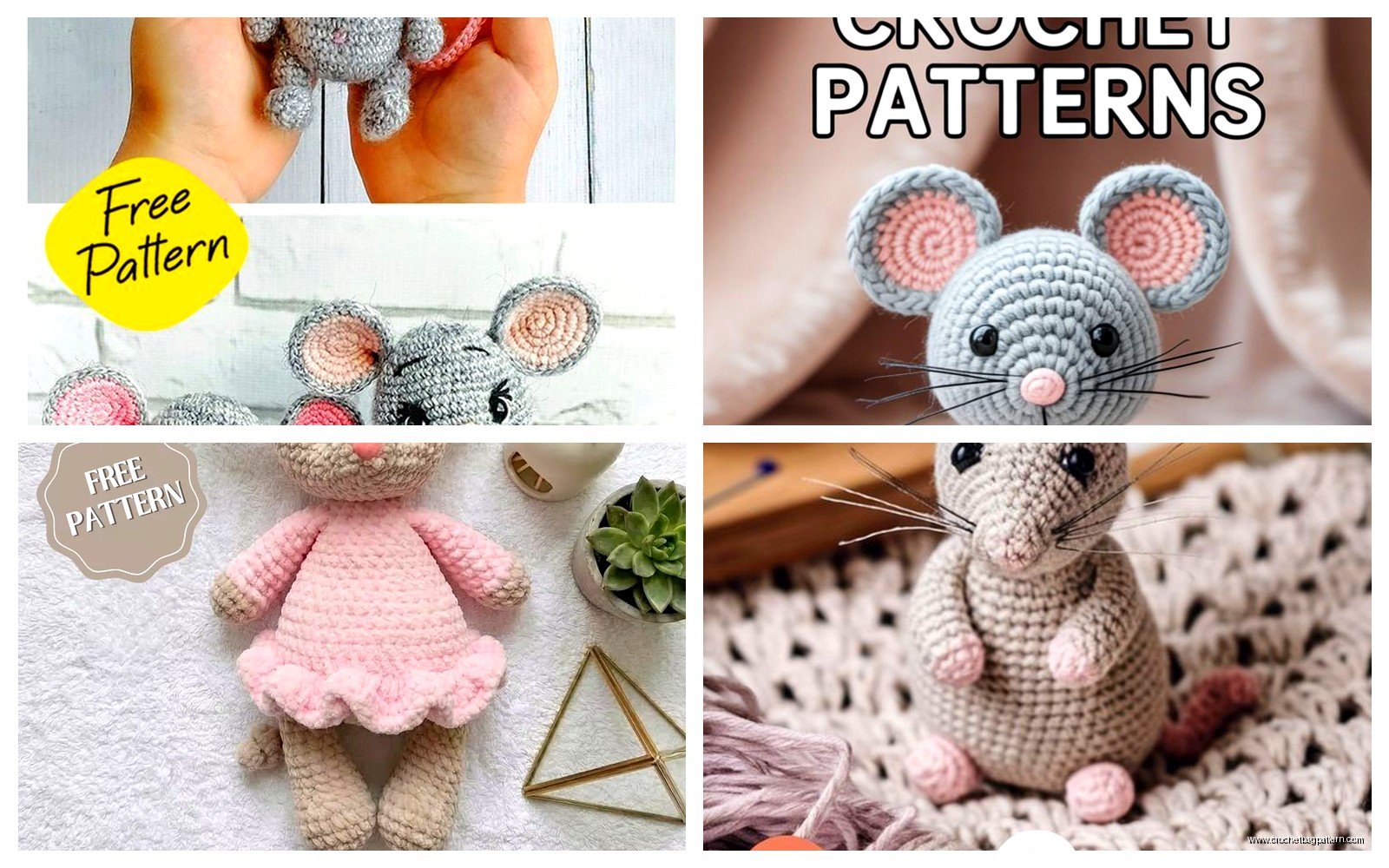
Some patterns tell you to embroider a whole mouth and whiskers and stuff but honestly that’s too much work for a mouse that’s gonna sit on a shelf. If you want whiskers you can thread some clear fishing line through where whiskers would go but I’ve never bothered.
Arms and Legs Maybe
You don’t have to add limbs but if you want to make it more like a realistic mouse or one that can sit up, you need arms and legs. These are basically tiny tubes.
Magic ring, 4 sc into ring. Work even on those 4 stitches for about 6-8 rounds. Don’t stuff them or stuff them very lightly because stuffed limbs on a small amigurumi look like sausages. Make four of these – two slightly longer for back legs, two shorter for arms.
Sew the back legs on the bottom of the body positioned so the mouse can sit. The front arms go on the sides of the body closer to where the head meets the body. I usually sew them flat against the body rather than sticking straight out because mice don’t walk around with their arms up in the air like they’re being arrested.
Color Variations When You’re Bored
Gray is classic mouse color but you can obviously make them whatever color you want. I made a white one once with pink ears using some leftover Bernat Blanket yarn which was way too thick for a mouse but it turned out looking like a cartoon character which was fine.
For the ears in a different color, just switch yarn when you’re making them. Like if your mouse is gray but you want pink inner ears, make the ear in pink. Or make the whole ear pink. There’s no mouse police.
You could also do stripes on the body by changing colors every few rounds but that seems like more effort than necessary for a mouse. Unless you’re making a fancy mouse or like a mouse that’s supposed to be wearing a shirt or something – wait that’s actually kind of cute, you could do a different color for part of the body and make it look like the mouse is wearing clothes.
Size Adjustments and Hook Drama
If you want a bigger mouse, use thicker yarn and a bigger hook. If you want a tiny mouse, use thinner yarn and a smaller hook. Groundbreaking advice I know.
But seriously the pattern is basically the same regardless of size – you just adjust the number of rounds you work even and maybe add one more increase/decrease round if you’re going really big. I made a huge mouse once with Bernat Blanket and a 9mm hook and it was like the size of an actual rat which my cat was very concerned about.
The smallest one I made was with crochet thread and a 2mm hook and it took forever because the stitches are so tiny you can barely see what you’re doing. Would not recommend unless you have amazing eyes or really good lighting or both.
Common Problems I’ve Had
Sometimes the head comes out pointy instead of round and that’s usually because you didn’t work enough even rounds before starting the decreases. You need those middle rounds where you’re not increasing or decreasing to establish the round shape.
If your mouse is lumpy it’s probably your tension being inconsistent or you’re not stuffing it evenly. Push the stuffing into the nose area and the bottom areas, not just the middle.
Ears falling off is gonna happen if you don’t sew them on securely. I go through each ear attachment like three times with the yarn to make sure they’re not going anywhere. Nothing worse than giving someone a handmade mouse and then an ear falls off immediately.
What To Do With Finished Mice
I have like seven mice sitting on my bookshelf now because once you make one it’s easy to just keep making more while you’re watching TV or whatever. They work as cat toys if you don’t use safety eyes – just embroider the eyes instead so there’s no choking hazard. My cat actually ignores the mice I make for her and plays with the cardboard boxes instead so that’s great.
You can make them as gifts I guess, people seem to like handmade stuff even if it’s just a small mouse. Or use them as ornaments, pincushions, decoration, whatever. I saw someone once who made a whole family of mice in different sizes which was cute but also seems like a lot of mice to have around.
The nice thing about mice is they’re small enough that you can finish one in like two hours if you’re not adding a million details. Good for when you want to make something quick and don’t want to commit to a whole blanket or sweater project that’s gonna take months.
