
May
Finding Free Crochet Patterns When You Don’t Really Know What You’re Doing
So the whole free pattern thing is honestly kind of overwhelming because there are literally thousands of them out there and half the time you download something that looks perfect and then realize it’s written in some weird abbreviation system you don’t understand or it’s in UK terms when you learned US terms or whatever. I made this granny square cardigan back in spring 2022 and I must have looked through like 50 different patterns before finding one that actually made sense to my brain.
The main places I find patterns are Ravelry obviously, then there’s a bunch of blogger sites, YouTube if you’re more of a visual person, and Pinterest but Pinterest is gonna link you back to those same blogs half the time anyway. Ravelry is free to join and you can filter by like everything – skill level, yarn weight, free vs paid, how much yardage you need. The search function is actually pretty good once you figure out how to use it.
Skill Level Stuff That Actually Matters
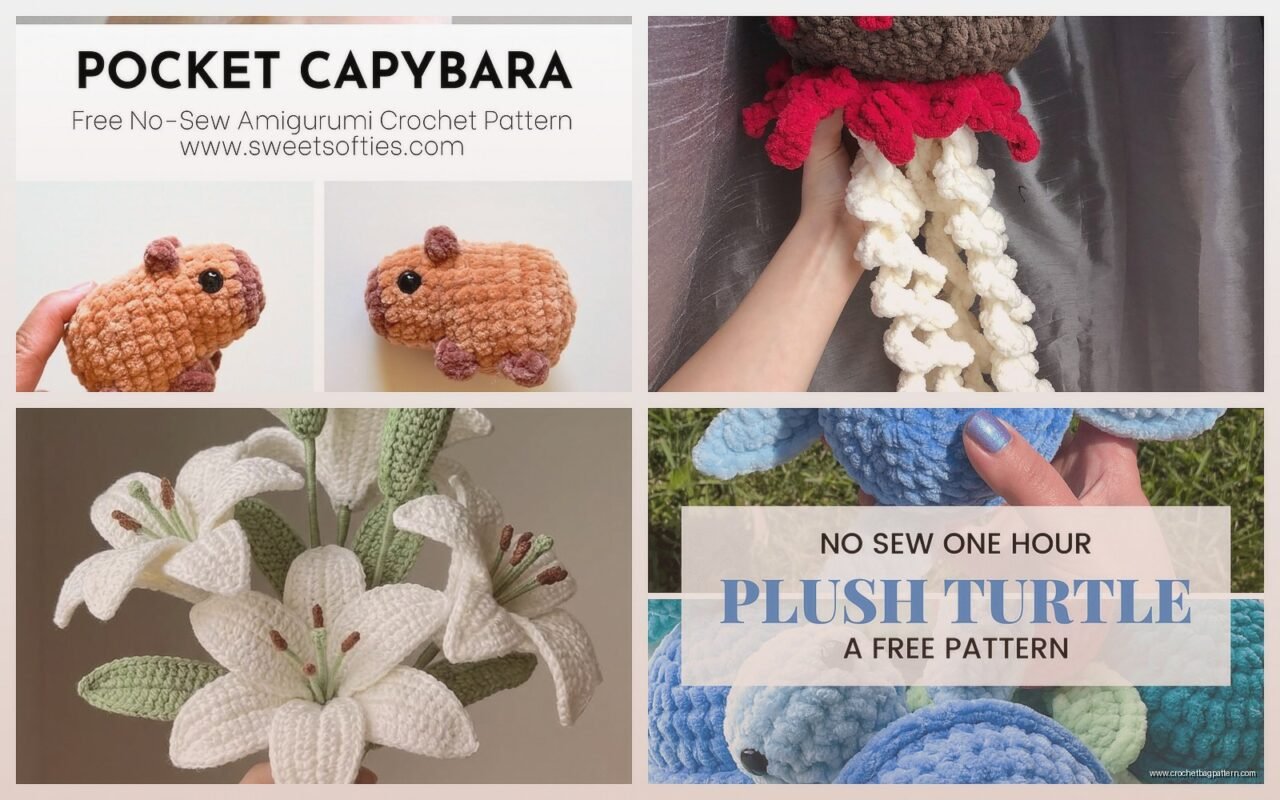
Beginner patterns are usually things like dishcloths, basic scarves, simple blankets with just single crochet or double crochet. They’ll say “easy” or “beginner” but sometimes what they really mean is “easy if you already know how to read patterns” which is annoying. I tried making this supposedly beginner-friendly amigurumi turtle and it was a disaster because I didn’t realize you had to crochet in a spiral and count your stitches obsessively.
Intermediate is where you get into stuff like garments with shaping, amigurumi with multiple pieces, blankets with color changes or texture stitches. This is where I live mostly. You need to know increases and decreases, how to follow a pattern that’s more than just “chain 100 and then double crochet forever.”
Advanced patterns involve lace weight yarn, complicated stitch patterns, detailed garment construction, or those insane mandala designs with like 40 rounds. I don’t really mess with advanced stuff because my attention span isn’t there and also I crochet while watching TV so I need to be able to look away from my work.
Where to Actually Find These Patterns
Ravelry has probably 100,000+ free crochet patterns if not more. You make an account, search for what you want, click the “free” and “online available” filters. Done. The nice thing is people leave notes on patterns telling you if the pattern has errors or if the sizing is off or whatever. Read those before you start.
Blogger patterns are hit or miss. Some bloggers are really good at writing clear instructions and some are just trying to get ad revenue and don’t really care if the pattern works. I like Mama In A Stitch, Make and Do Crew, and there’s this one called Rescued Paw Designs that has good animal patterns. The annoying thing about blog patterns is you gotta scroll through 900 words about their inspiration and their kids before you get to the actual pattern.
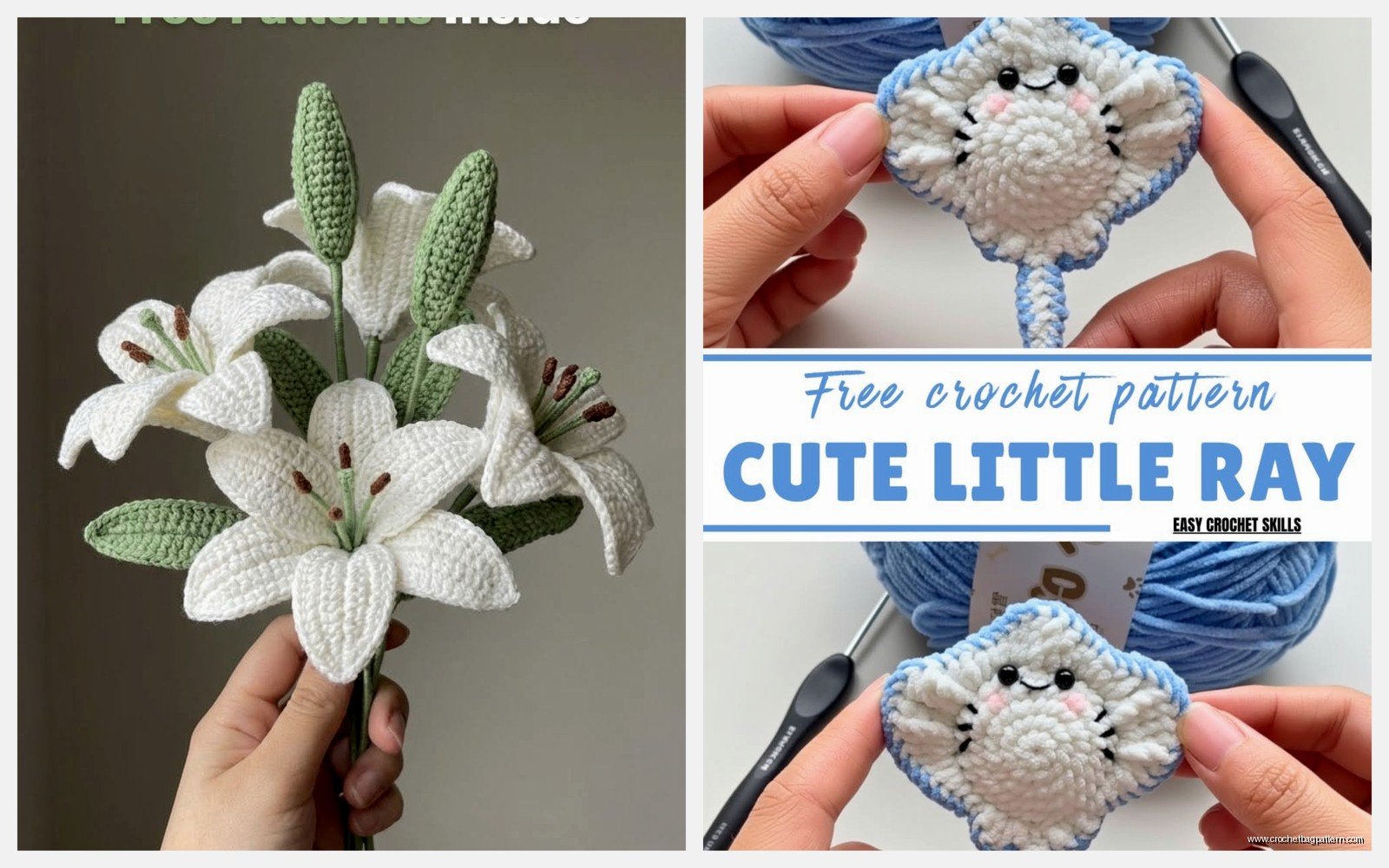
YouTube is better if you’re like me and kinda taught yourself weird. Watching someone’s hands do the thing is way more helpful than trying to figure out what “sc2tog in next st” means. Bella Coco has a ton of free patterns with videos. So does Hooked by Robin.
Yarn Weight and Why It Matters More Than You Think
Patterns will specify yarn weight – that’s the thickness of the yarn basically. It goes from 0 (lace) to 7 (jumbo) with the most common being 3 (DK/light worsted) and 4 (worsted/medium). If a pattern calls for worsted weight and you use chunky yarn, your thing will come out huge and weird. If you go thinner, it’ll be too small and take forever.
I usually use Red Heart Super Saver because it’s cheap and I can get it anywhere and it comes in a million colors. Yeah it’s acrylic and kinda squeaky but whatever it’s fine for most things. For wearables I’ll sometimes use Caron Simply Soft which is nicer but still affordable. I made a baby blanket in summer 2024 using Bernat Blanket yarn which is that super chunky soft stuff and it worked up so fast, like I finished it in two evenings while binge-watching The Bear.
The pattern will tell you what weight to use and usually suggest specific yarns but you don’t have to use exactly what they say. Just match the weight and check your gauge if it matters for sizing.
Gauge is Annoying But Sometimes Necessary
Speaking of gauge – this is the thing that annoyed me most about making that cardigan in 2022. You’re supposed to make a little test square to see if your stitches match the pattern’s measurements. If the pattern says “16 stitches = 4 inches” and yours is 18 stitches = 4 inches, your finished thing will be too small. So you either need to go up a hook size or just accept that you crochet tighter than the designer.
For blankets and scarves and stuff that doesn’t need to fit, I don’t bother with gauge. For sweaters and hats you kinda gotta do it or you’ll end up with something that doesn’t fit. I’ve made crop tops that turned into regular tops and beanies that were too loose because I skipped the gauge swatch.
Types of Patterns You’ll Find
Blankets are probably the most common free patterns out there. Granny square blankets, ripple blankets, C2C (corner to corner), moss stitch, you name it. They’re good for using up yarn scraps or learning new stitches. The basic pattern is usually just repeating the same row over and over until it’s the size you want.
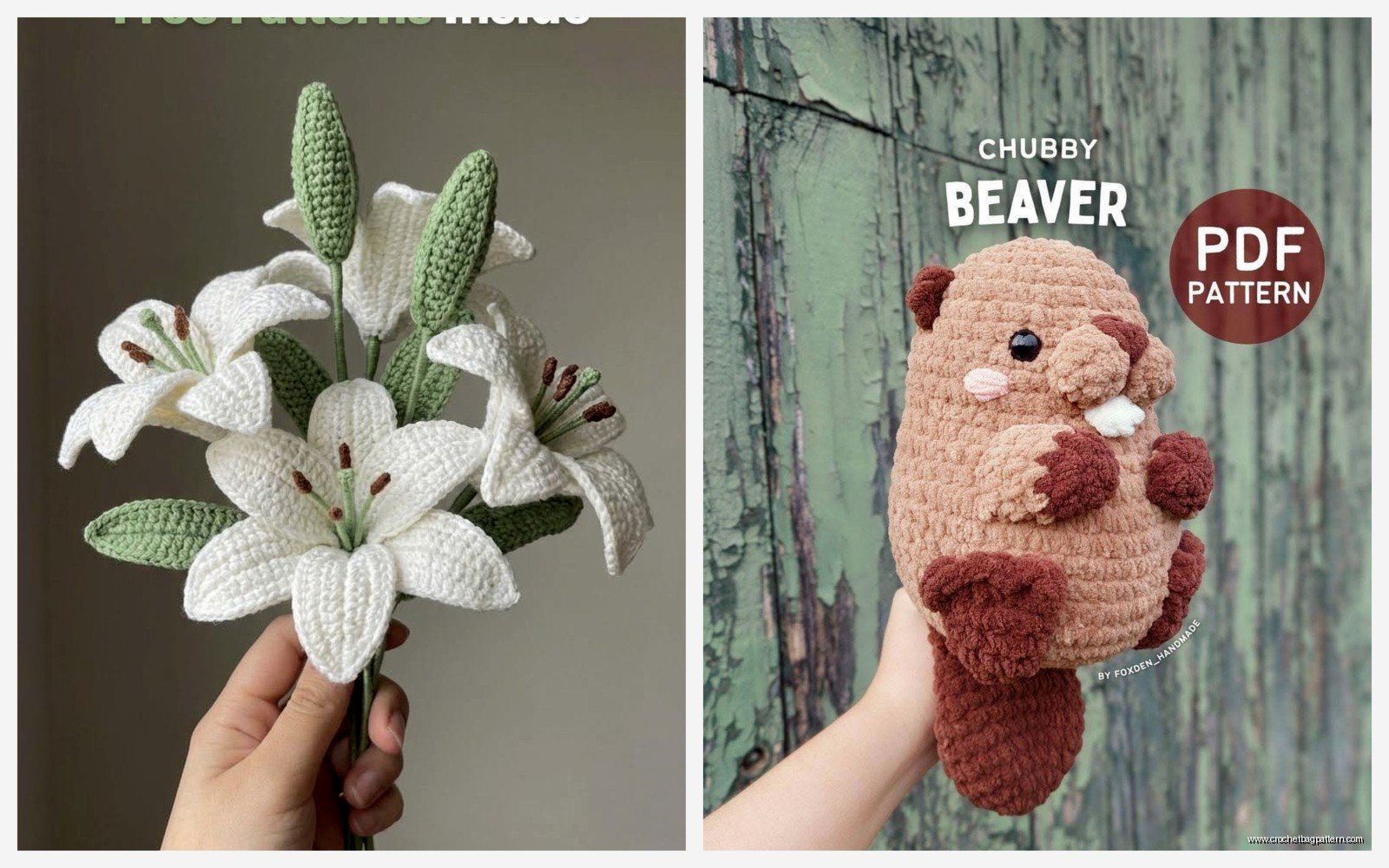
Amigurumi is those little stuffed animals and dolls. They’re cute but they require a lot of focus because you’re working in rounds and stuffing as you go and if you lose count of your stitches the whole thing gets wonky. I tried making a frog once and one leg ended up way bigger than the other and I still don’t know what I did wrong.
Wearables are trickier because of sizing and shaping. Cardigans, sweaters, tank tops, shawls. You need to actually follow the pattern pretty carefully and pick the right size. Most patterns will have a schematic showing measurements. I’m between sizes usually so I pick the bigger one and just accept it’ll be a bit oversized.
Accessories like hats, bags, scarves, mittens. These are good intermediate projects. A basic beanie pattern is pretty forgiving – you make a circle for the crown then stop increasing and work straight until it’s long enough. I made probably 15 beanies before I moved on to other stuff.
Home Decor Things
Baskets, coasters, placemats, wall hangings. I don’t make these much because where am I gonna put another decorative basket but patterns are out there. They usually use cotton yarn which has no stretch so it holds its shape better. Lily Sugar’n Cream is the standard cotton yarn everyone uses for dishcloths and that kind of thing.
Market bags are actually useful if you need a reusable shopping bag. They work up quick with chunky yarn and a big hook.
Reading Patterns When You’re Self-Taught
This is where it gets confusing because patterns assume you know what all the abbreviations mean. SC is single crochet, DC is double crochet, but then you get into stuff like FPdc (front post double crochet) and bobbles and puff stitches and it’s like… okay I guess I’m YouTubing this.
Most patterns have an abbreviation key at the top but sometimes they don’t and you just have to guess or Google it. I keep a list in my phone of common abbreviations because I can never remember what HDC means (it’s half double crochet).
Patterns are written in rows or rounds. Rows go back and forth like you’re making a rectangle. Rounds are circular, you join at the end of each round or work in a spiral. The pattern will say “Ch 2, turn” if you’re working in rows or “join with sl st” if you’re doing joined rounds.
Parentheses and asterisks mean you repeat that section. Like “*(DC, ch 1) 3 times*” means you do that whole thing three times. Brackets sometimes mean the same thing depending on who wrote the pattern. It’s not standardized which is annoying.
UK vs US Terms Will Mess You Up
UK double crochet is US single crochet. UK treble is US double crochet. Everything is shifted by one. If you learn a pattern in UK terms and don’t realize it, your project will be totally wrong. Most patterns on American sites use US terms but if you’re looking at international designers check which system they’re using.
Actual Specific Patterns I’ve Used
The granny square cardigan I mentioned was from Make and Do Crew. It’s called the Granny Square Cardigan (real creative name) and it’s actually pretty straightforward once you get past making like 50 individual squares. You make squares, sew them together in a specific layout, add sleeves and edging. Took me maybe three weeks of casual evening crocheting. I used Red Heart Super Saver in like four different colors.
For blankets I’ve done the Virus Blanket pattern which is free on Ravelry and looks way more complicated than it is. It’s just repeating the same round over and over with increases. Very mindless. Good for watching TV. My cat kept laying on it while I was trying to work on it which was cute but also annoying because cat hair.
The Velvet Acorn has a bunch of free wearable patterns. I made one of her tank tops in summer 2024 right before a trip and it actually turned out wearable in public which was surprising. Used Caron Simply Soft in a light blue color.
Hooked by Robin’s moss stitch blanket tutorial on YouTube is good for beginners. It’s literally just alternating single crochet and chain stitches. Very simple, looks textured and nice, works up relatively fast.
Yarn Amounts and Why Patterns Lie
Patterns will tell you how many yards or meters of yarn you need. They’re usually pretty close but I always buy extra because running out of yarn 90% through a project is the worst. If a pattern says 1000 yards I get 1200 just to be safe.
Your tension affects how much yarn you use. If you crochet tight you’ll use more yarn than the pattern estimates. If you’re loose you’ll use less. This is another reason gauge matters but like… I still don’t do gauge swatches unless I absolutely have to.
For blankets I just buy a bunch of yarn in colors I like and work until I run out or it’s big enough. Most blanket patterns are flexible on size anyway.
Free vs Paid Patterns
There are plenty of free patterns that are just as good as paid ones. Sometimes paid patterns have better photos or more size options or more detailed instructions but you don’t need to spend money to find good patterns. I’ve bought maybe five patterns total and three of them weren’t any better than free ones I’ve used.
The main advantage of paid patterns is you’re supporting designers and they’re usually better tested for errors. Free patterns sometimes have mistakes that nobody caught until 50 people made the project and left comments about it.
Troubleshooting When Patterns Don’t Work
Check the pattern notes and comments on Ravelry first. Someone else probably had the same problem you’re having. Common issues are stitch counts being off, unclear instructions, or errors in the pattern itself.
If your thing is the wrong size, it’s probably a gauge issue or you misread the pattern. I made a beanie once that was big enough for a watermelon because I didn’t realize the pattern was in UK terms and I used the wrong stitches for like 15 rounds before I noticed.
If it’s curling or ruffling, you probably have too few or too many stitches. For flat circles you need to increase at specific intervals. For wearables it might be a tension issue.
Sometimes you just gotta frog it (rip it out) and start over. It sucks but it’s part of the process. I’ve frogged entire projects multiple times before getting them right or before deciding the pattern just wasn’t gonna work for me and moving on to something else.
The cardigan from 2022 I actually frogged twice because I kept messing up the square count and they weren’t laying out right. Eventually I just… made it work even though the proportions are slightly off and honestly nobody notices when I wear it.
Anyway that’s basically how to navigate the whole free pattern situation. Start with simple stuff, work your way up, don’t be afraid to abandon a pattern if it’s not working, and keep a YouTube tab open for when the instructions don’t make sense.
