
Mar
The Single Stitch Blanket Thing I Made Last Spring
So I made one of these in spring 2022 right after my sister had her baby and honestly it was the most boring thing I’ve ever crocheted but also kinda meditative? Like you just do the same stitch over and over and your brain can completely zone out which was actually perfect timing because I was going through this weird breakup situation and needed something to do with my hands that wasn’t texting him back.
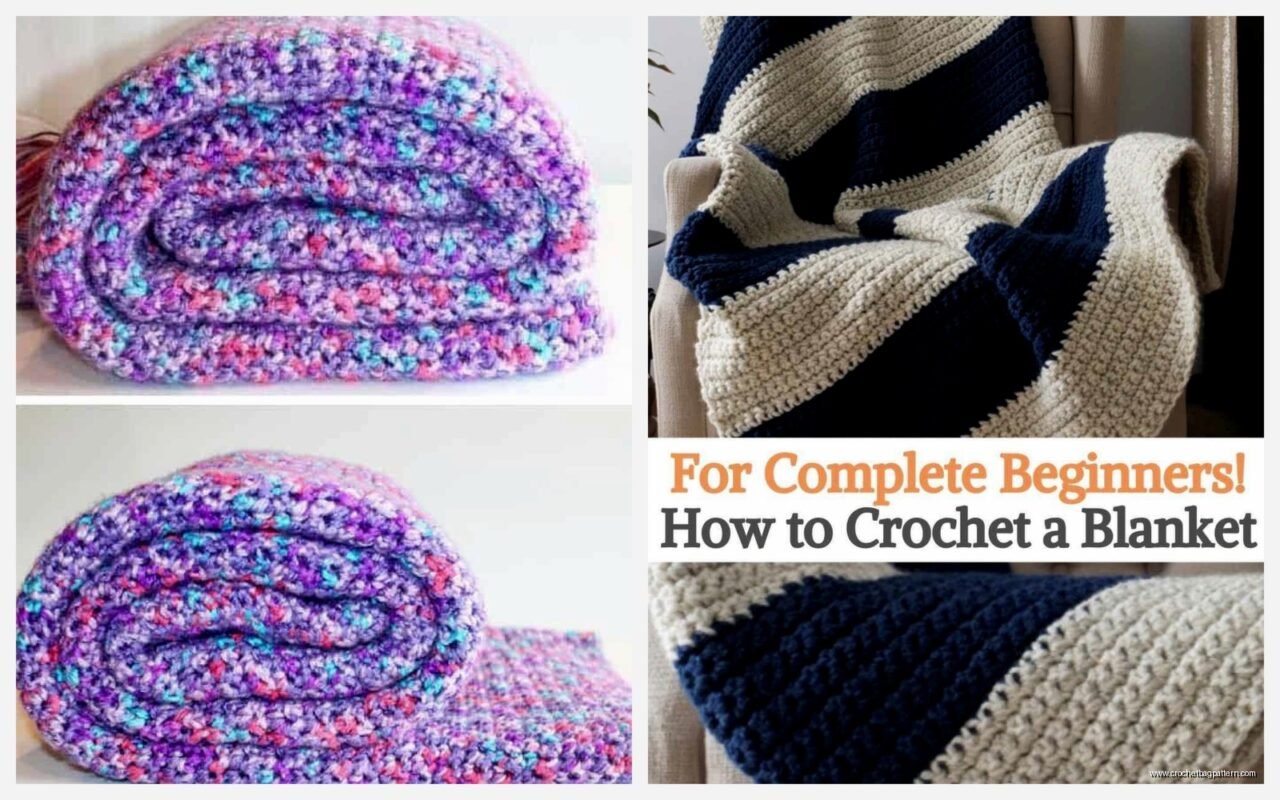
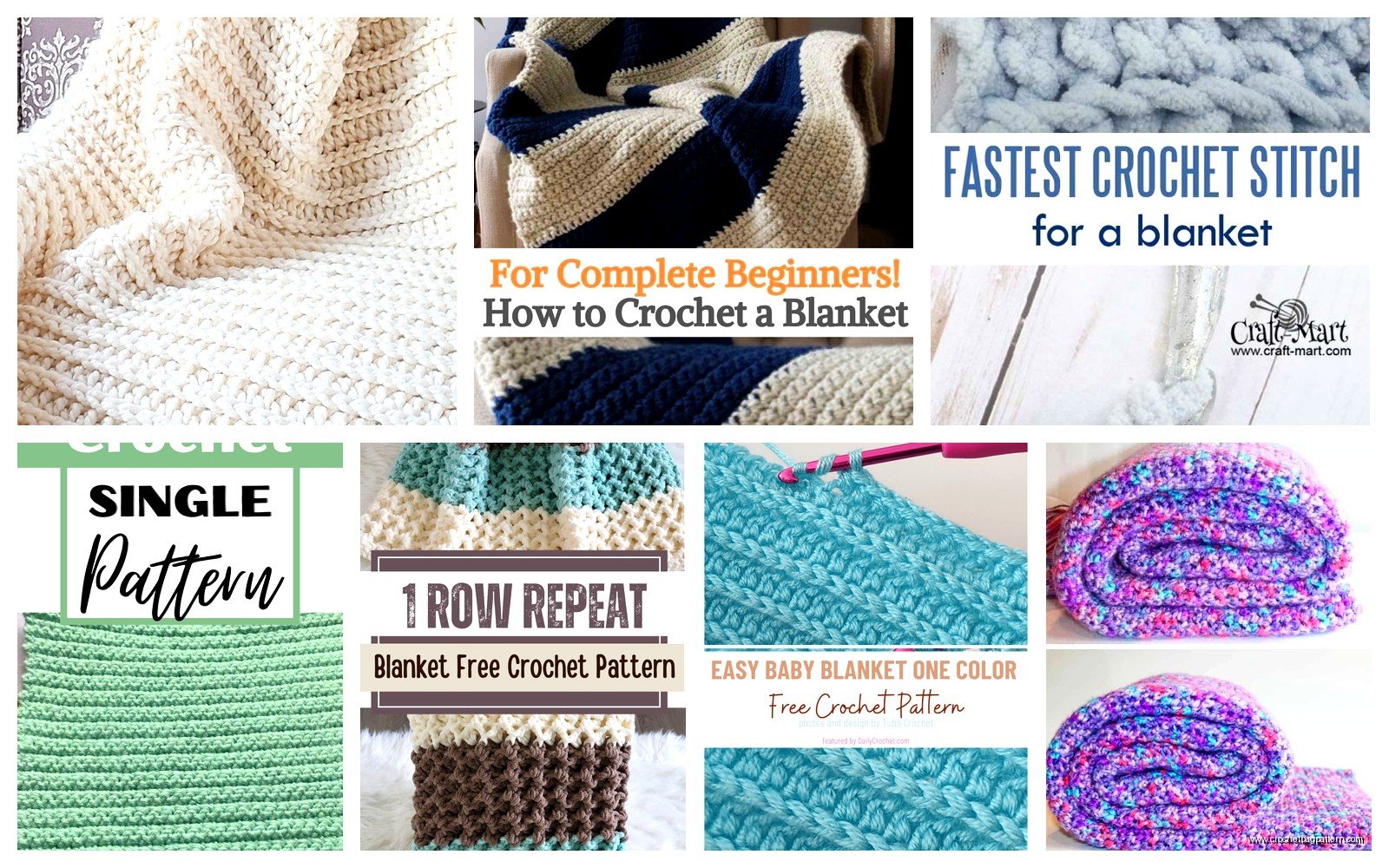
The basic idea is you’re literally just doing single crochet stitches back and forth. That’s it. No pattern to follow really, no counting except at the very beginning. You make a foundation chain as wide as you want the blanket, then you just single crochet into each stitch across, chain one, turn, and repeat until you run out of yarn or patience.
What You Actually Need
I used Red Heart Super Saver because I’m not made of money and honestly for a blanket that’s just gonna sit on a couch and get dog hair all over it (my dog Luna sheds like crazy), there’s no point spending $15 per skein on fancy merino. I think I bought like 8 skeins in this gray color called Pewter. Each skein is 364 yards and they were on sale at Michaels for like $3.50 each.
You need a hook size that matches your yarn weight. For worsted weight like Red Heart Super Saver, I used a 5.5mm hook. Some people go up to 6mm if they crochet tight but I don’t really, so 5.5mm worked fine. You also need scissors and a yarn needle for weaving in ends but that’s obvious.
Starting Chain
This is gonna sound weird but I never actually measure the starting chain. I just make it approximately the width I want by holding it up against my couch or bed or whatever. For a throw blanket I usually chain around 150 stitches, for a bigger blanket maybe 200. The thing that annoyed me SO MUCH about this project was that I didn’t count my starting chain properly the first time and had to rip it all out after like 10 rows because one side was weirdly shorter than the other and it looked dumb.
So yeah, make your foundation chain. Just chain stitch until it’s as wide as you want. Keep it loose enough that you can easily insert your hook into each chain on the first row because if your foundation chain is too tight the whole bottom edge of your blanket will be puckered and weird.
Actually Making The Rows
Once you have your chain, you’re gonna start in the second chain from your hook. Skip that first chain right next to your hook and insert into the next one. Pull up a loop, yarn over, pull through both loops. That’s a single crochet. Do that in every single chain across.
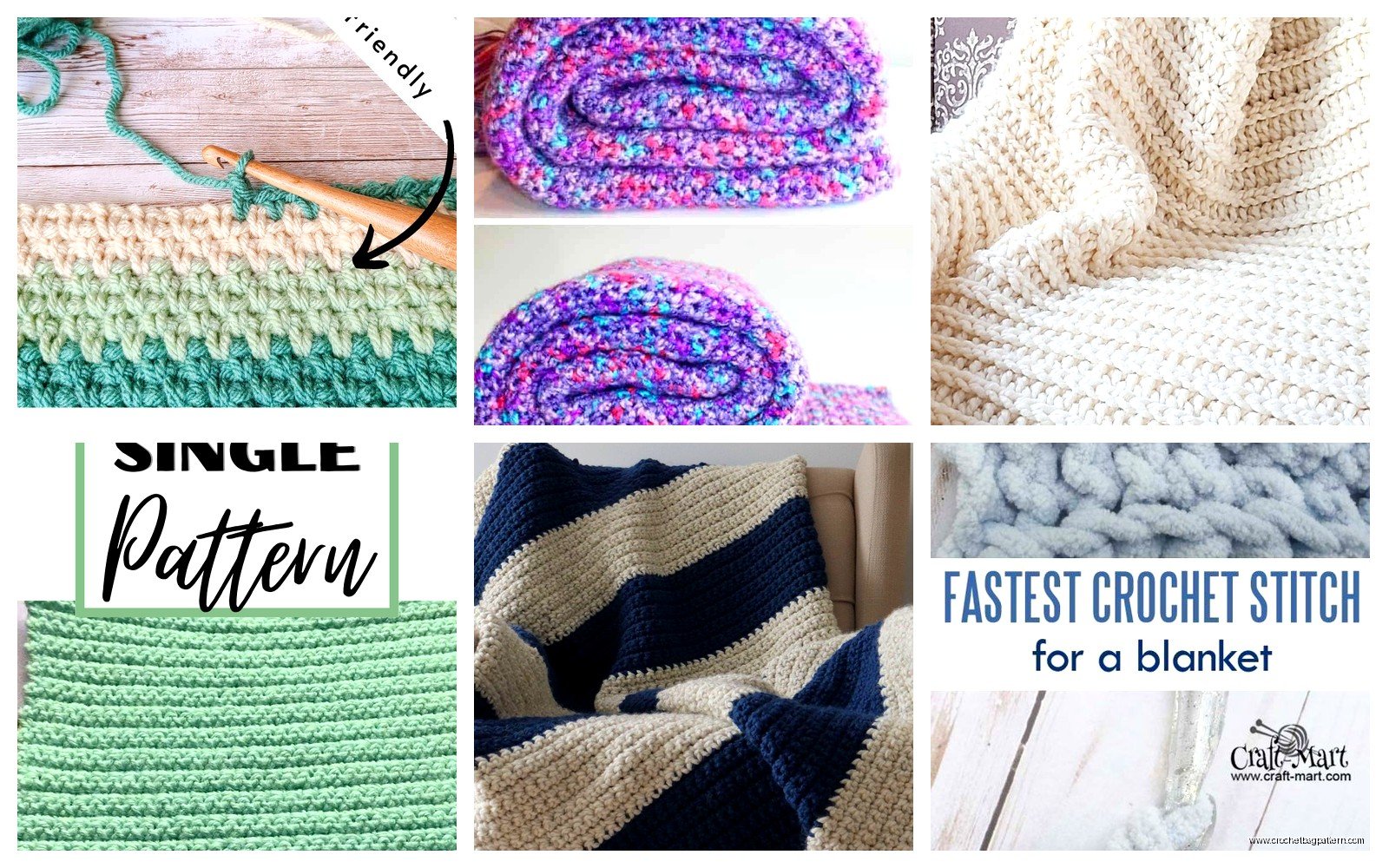
When you get to the end of the row, chain one and turn your work. Now you’re looking at the back of what you just made. For the next row, you insert your hook under both loops of the V at the top of each stitch from the previous row. Single crochet in each stitch across. Chain one, turn. Repeat forever.
That’s literally the whole pattern. Row after row of single crochet. I did this while watching The Great British Baking Show and honestly it was perfect because I didn’t have to look down at my hands at all except when I was turning at the end of rows.
The Rhythm You Get Into
After like the first 20 rows you don’t even think about it anymore. Insert hook, yarn over, pull through, yarn over, pull through both loops. Insert, wrap, pull, wrap, pull. Your hands just know what to do. I could do probably 5 or 6 rows in an episode of TV which doesn’t sound like much but it adds up.
The blanket I made was approximately 45 inches by 60 inches and it took me like three weeks of working on it most evenings. I wasn’t in a rush though because the baby wasn’t due until June and I started in March.
Joining New Yarn
You’re definitely gonna run out of yarn before the blanket is done unless you’re making something tiny. When you get close to the end of a skein, try to finish at the end of a row. Leave like a 6 inch tail. Start your new skein at the beginning of the next row, also leaving a 6 inch tail. Later you’ll weave both those tails in with your yarn needle.
Some people do this fancy Russian join thing or they tie knots but honestly I just start the new yarn and weave in the ends later. It’s worked fine for every blanket I’ve made and I’ve never had one come apart.
Keeping Track Of Your Stitch Count
Here’s the thing about single crochet blankets, you gotta make sure you’re not accidentally increasing or decreasing stitches as you go. It’s really easy to miss the last stitch of a row because it’s kind of hiding there at the edge, or to accidentally crochet into the turning chain which adds an extra stitch.
I count my stitches every few rows just to make sure I still have the same number I started with. If you notice you have more or fewer stitches, you need to figure out where you’re adding or losing them. Usually it’s at the edges. Make sure you’re working into that last stitch of each row even though it’s annoying to find, and make sure you’re NOT working into the turning chain because that’s not counted as a stitch.
Tension And Why It Matters
Try to keep your tension consistent throughout the whole blanket. If you crochet really tight some days and really loose other days, you’ll end up with weird wavy edges or sections that look different. I tend to crochet tighter when I’m stressed so during the worst part of the breakup stuff my rows were noticeably tighter and the blanket got a little narrower for like 15 rows until I realized what was happening.
If you notice your tension changing, just try to relax your grip on the yarn a bit. Or take a break if you’re getting frustrated because frustrated crocheting always looks bad.
Edge Stitches
The edges are honestly the hardest part of a single crochet blanket even though that sounds ridiculous. You have to really make sure that first and last stitch of every row are actually stitches and not loose chains or missed stitches or whatever.
For the first stitch of each row, I always insert my hook into the very first V right there at the edge. Some people skip it thinking it’s part of the turning chain but it’s not, it’s a real stitch.
For the last stitch, you have to look for that last V which is kind of tucked against the turning chain from the previous row. It’s there, I promise. Sometimes I have to like… pull the work apart a little bit to see it clearly. If you keep missing it your blanket will get narrower and narrower and look like a trapezoid which is not cute.
What Yarn Actually Works Best
I’ve made these blankets with a few different yarns. Red Heart Super Saver is fine, it’s cheap and durable and comes in a million colors. It’s acrylic so you can throw it in the washing machine which is important for baby blankets or anything that’s actually gonna get used.
I also tried one with Caron Simply Soft which is a nicer acrylic, softer and less squeaky than Red Heart. That one turned out really nice actually. I used the color Heather Grey for a blanket I made for myself that I still use on my couch.
Bernat Blanket yarn is too thick for single crochet in my opinion. I tried it once and it made this super stiff heavy thing that wasn’t drapey at all. Stick with worsted weight or maybe aran weight at the heaviest.
Color Changes If You Want Stripes
You can make stripes by just switching colors whenever you want. Finish a row with one color, start the next row with a different color. The color change will happen right at the edge which looks fine, or you can do the last yarn over of the last stitch in the new color for a slightly cleaner transition but honestly I never bother.
I made one blanket with random stripes, like I’d do 8 rows of gray, then 5 rows of white, then 12 rows of gray, then 3 rows of white. No pattern to it, just whatever felt right. It actually looked pretty good, very modern or whatever.
How Long This Actually Takes
A throw blanket size with worsted weight yarn probably takes 25-35 hours of actual crocheting depending on how fast you work. That was spread over three weeks for me but if you’re doing it every day for hours you could finish in a week I guess.
Single crochet is the slowest crochet stitch because you’re making the most stitches per inch. Double crochet would be way faster but it makes a more holey fabric that’s not as warm. That’s why I stick with single crochet for blankets even though it takes forever, because the finished fabric is thick and warm and actually functional.
Finishing The Blanket
When your blanket is as long as you want it, just fasten off. Cut your yarn leaving like a 6 inch tail, pull it through the last loop, done. Then you gotta weave in all your ends with the yarn needle. Thread the tail through the needle and weave it through the backs of stitches for a few inches, then trim it close.
Some people add a border around the whole blanket with single crochet or something fancier but I never do because I’m lazy and also I think the simple rectangle shape looks better without a border. But you could if you wanted to.
Problems You Might Run Into
If your edges are wavy, you’re probably adding stitches somehow. Count your stitches and figure out where the extras are coming from.
If your edges are pulling in and the blanket is getting narrower, you’re missing stitches at the ends of rows. Really focus on getting that first and last stitch every single row.
If the blanket is twisting or curling, your tension might be uneven or you might be working into the wrong loops. Make sure you’re going under both loops of each stitch, not just the front loop or back loop.
If you’re getting bored out of your mind, welcome to single crochet blankets. They’re boring. Put on a podcast or TV show or audiobook. I listened to like an entire true crime podcast series while making mine.
Washing The Finished Blanket
If you used acrylic yarn, just throw it in the washing machine on cold or warm, then either tumble dry low or lay flat to dry. It’ll be fine. Acrylic is basically indestructible.
The blanket might be a little stiff when you first finish it but after you wash it once it softens up and gets more drapey. That’s normal.
Why You’d Make This Instead Of Something Else
Single crochet blankets are good for beginners because there’s no pattern to follow or confuse you. It’s also good if you want something mindless to work on, or if you want a really solid thick blanket that’s gonna be warm.
The downside is it takes forever and uses a ton of yarn and is boring as hell. But sometimes boring is exactly what you need? Like I said, making mine during that breakup spring was actually perfect because I needed something repetitive and calming that made me feel like I was accomplishing something even though my life felt like a mess.
Plus at the end you have a whole blanket which is pretty satisfying. My sister still uses the one I made for her baby, it’s held up great through like two years of spit-up and dog hair and whatever else.
