
Crochet
How to Read a Crochet Bag Pattern: A Complete Beginner’s Guide
Sep
Understanding Crochet Patterns
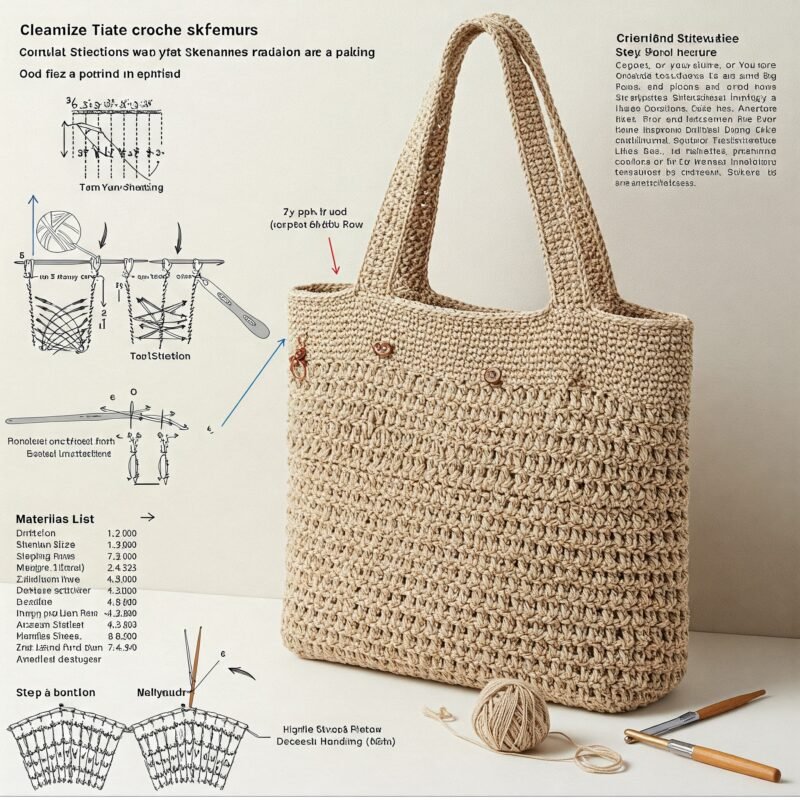
For those new to crochet, understanding crochet patterns is essential for successfully creating items such as bags. A crochet pattern typically includes several components that help guide the crocheter through the process. These components can consist of abbreviations, symbols, and the overall structure of the pattern.
Abbreviations are commonly used in crochet patterns to save space and simplify the text. Familiarizing oneself with standard abbreviations like “ch” for chain, “sc” for single crochet, and “dc” for double crochet is crucial. Additionally, many patterns may employ specific symbols to represent stitches in chart formats, which can provide a visual representation of the instructions and simplify navigation through the pattern.
The structure of crochet patterns often follows a logical sequence, usually starting with the materials needed—such as yarn weight, hook size, and gauge—and proceeding with step-by-step instructions on how to complete the project. Gauge is particularly important in crochet, as it refers to the number of stitches and rows per unit of measurement. Achieving the correct gauge ensures that the finished item will match the intended size outlined in the pattern.
Yarn weight plays a significant role as well, since different weights correspond to varying thicknesses of yarn that can affect the outcome of the project. Each crochet pattern will typically specify the recommended yarn weight to achieve the desired results. Beginners may find themselves faced with patterns that offer both written instructions and charts. Understanding both formats can greatly enhance a crocheter’s ability to follow the pattern accurately and confidently. Written instructions provide detailed step-by-step guidance, while charts can present the same information in a more visual format, making it easier for some to grasp the overall design.
Essential Crochet Techniques for Bag Patterns
To successfully create a crochet bag, mastering some essential crochet techniques is crucial. Beginners should focus on foundational skills such as basic stitches, which include chain stitches, single crochet, and double crochet. Each of these stitches forms the basis for more complex patterns and designs. The chain stitch is typically the first stitch learned, used to create the initial foundation row. Following this, the single crochet stitch provides a tighter fabric, making it ideal for the body of the bag, while the double crochet offers a looser, more airy finish suitable for decorative elements.
In addition to basic stitches, understanding how to perform increases and decreases is vital for shaping your bag. Increases allow you to widen your work, creating a more expansive area, while decreases can be used to taper and define specific sections of the bag. For instance, creating a rounded bottom or a structured top edge often requires these manipulations. Practicing these techniques will not only enhance your skill set but also increase your confidence in crocheting more intricate designs.
Working in rounds is another fundamental technique applicable to bag patterns. This involves crocheting continuously in a circular manner, which is essential for creating seamless and structured bags. Beginners may find it helpful to use a stitch marker to keep track of their rounds, ensuring a consistent stitch count throughout their project. For visual learners, several video tutorials are available online that demonstrate these techniques step-by-step, providing clear guidance for each stitch and method.
As with all new skills, practice is key. Start with simple projects that incorporate these essential techniques before progressing to more complex bag patterns. As your abilities grow, so too will your confidence in tackling larger projects.
Choosing the Right Materials
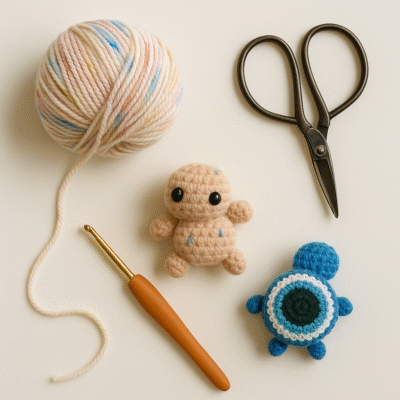
Selecting the appropriate materials is a crucial step when embarking on a crochet bag project. The two primary components to consider are yarn and crochet hooks. Different yarn types and fibers can lead to vastly different results, influencing the durability, appearance, and functionality of the finished bag.
When it comes to yarn, various materials are available, including cotton, acrylic, wool, and blends. Cotton yarn is often favored for bag-making due to its strength and washability, making it an excellent choice for everyday use. Acrylic yarn, on the other hand, is lighter and budget-friendly but may not offer the same durability. Wool can provide a beautiful texture and warmth, but it may not be the best choice for bags meant to endure daily wear and tear. Therefore, it’s essential to weigh the benefits and drawbacks of each fiber type to select the one that best meets your needs.
Understanding yarn labels is paramount in this selection process. Each label typically provides important information such as fiber content, washing instructions, and recommended hook sizes. Pay attention to the yarn weight indicated on the label, as this will directly influence the thickness of your bag and its overall sturdiness.
Equally important is selecting the right crochet hook. The hook size should correlate with the yarn weight you’ve chosen. Using a hook that is too small may result in a tight, rigid bag, whereas a larger hook may yield a loose and floppy structure. A general guideline includes using the hook size recommended on the yarn label, but small adjustments may be necessary based on the desired fit.
Finally, the concept of gauge must not be overlooked. Gauge refers to the number of stitches per inch and can significantly affect the final dimensions of your bag. It is highly recommended to create a gauge swatch before starting the actual project to ensure that your work matches the intended size. By taking these factors into account, you can choose the materials that will yield a successful and satisfying crochet bag.
Step-by-Step Process to Follow a Crochet Bag Pattern
Reading a crochet bag pattern can seem daunting for beginners, but with a structured approach, it becomes a manageable task. Start by gathering all necessary materials; this typically includes yarn, a crochet hook of appropriate size, scissors, and a yarn needle. Consulting the pattern, you will notice specific recommendations for yarn weight and hook size, which are crucial for achieving the intended design. Having everything at hand will make the crocheting process smoother.
Once your materials are prepared, take time to read through the entire pattern carefully before starting your project. Familiarize yourself with the abbreviations used and the stitch types required. Often, patterns will include a stitch guide or chart, which can be incredibly useful. After you have a clear understanding of the overall structure, consider breaking the pattern down into smaller, manageable sections. This approach can help prevent feeling overwhelmed and allows you to focus on one part at a time.
As you work through the pattern, remember that mistakes are a natural part of the learning process. If you encounter an issue, such as miscounting stitches or skipping a step, try not to be discouraged. Many experienced crocheters faced similar challenges when they first started. Instead, look at those setbacks as valuable learning opportunities. Websites and crochet communities often offer troubleshooting advice, encouraging you to seek help when needed.
Finally, after completing your crochet bag, consider sharing your finished project within the crochet community. Not only will this instill a sense of achievement, but it can also provide inspiration to others and allow you to receive constructive feedback. Engaging with fellow crocheters can further enhance your skills and motivate you to tackle new patterns in the future.
