
Feb
Size Matters More Than You Think
Okay so the first thing you gotta know is that hook sizes are weird and confusing. I was sitting there last winter trying to make a scarf during that whole mess with Jordan and I grabbed whatever hook was in my basket. Turned out it was like a 3.5mm and I was using this chunky Red Heart Super Saver and the fabric came out so stiff and tight it could’ve stood up on its own. Not what you want for a scarf trust me.
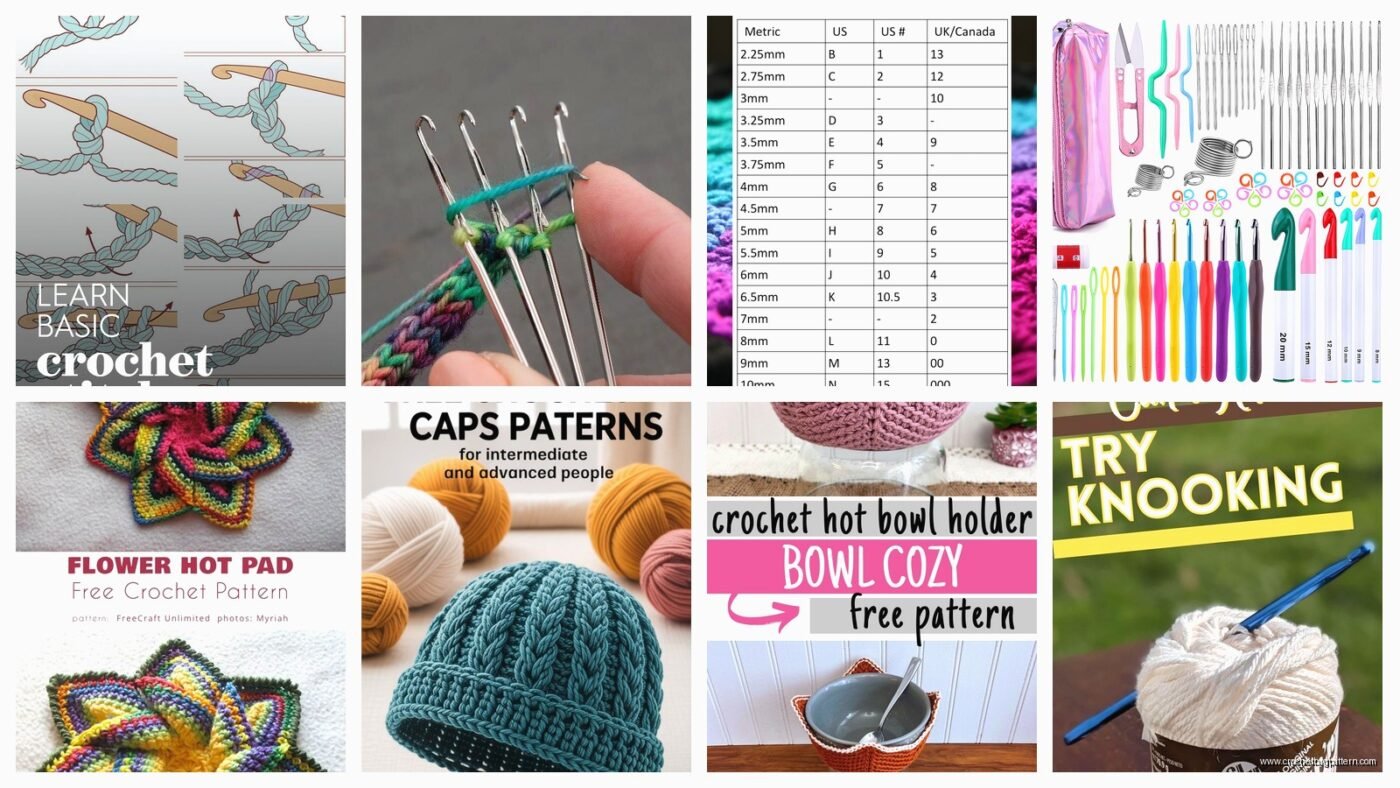
The sizes go by millimeters mostly but also sometimes letters and numbers depending where the hook was made. A B hook is 2.25mm, a G is 4mm, a J is 6mm. It’s completely arbitrary and annoying. I usually just look at the millimeter number now because that’s consistent.
For worsted weight yarn which is like your standard medium yarn you want something around 5mm to 5.5mm. That’s an H or I hook. If you’re using thinner yarn go smaller, chunky yarn go bigger. The yarn label will tell you what size they recommend but honestly I ignore that half the time and just go with what feels right.
Material Changes Everything
So hooks come in aluminum, steel, plastic, wood, ergonomic handles with rubber grips, and probably other stuff I’m forgetting. Each one feels completely different in your hand.
Aluminum hooks are the classic ones. Boye and Susan Bates both make them and they’re cheap. I started with a set of Boye hooks from Walmart for like twelve dollars. They’re fine. They work. The thing that annoyed me so much about them though is that the yarn catches on the hook throat sometimes, especially if you’re using something splitty like Lion Brand Homespun which I used for a blanket once and never again.

Susan Bates hooks have an inline head which means the hook part is more pointy and narrow. Boye has a tapered head that’s rounder. People have strong opinions about this but I honestly can’t tell that much difference anymore. When you’re starting out the Boye ones might be easier because they’re more forgiving.
Steel hooks are tiny and used for thread crochet. I don’t mess with those much because my eyes aren’t great and I just—yeah no thanks.
The Ergonomic Thing
If you’re gonna be crocheting for more than like thirty minutes at a time your hand will cramp. This is just a fact. Regular aluminum hooks are skinny and hard and your fingers will hate you.
I got a set of Clover Amour hooks after my wrist started hurting and they’re so much better. They have these rubber grip handles that are wider and easier to hold. They’re not cheap though, like fifteen dollars for one hook sometimes. But if you crochet a lot it’s worth it I think.
There’s also the Furls hooks which are wooden and shaped all fancy and cost like forty dollars EACH which is insane. I’ve never tried them because I can’t justify spending that much but people online swear by them. Maybe if I ever have extra money or…
The cheap alternative is to get those rubber grip things you can slide onto regular hooks. They sell them at craft stores and they work okay. Not as good as hooks designed to be ergonomic but better than nothing.
How to Actually Pick One
When you’re at the store or looking online think about what you’re making. A tight, structured project like amigurumi needs a smaller hook than what the yarn recommends so the stuffing doesn’t show through. I usually go down a size or two for that.
Garments and blankets you want to match the yarn recommendation or go up a size for a drapier fabric. Nobody wants a stiff sweater.
The hook throat is something nobody talks about but it matters. That’s the curved part under the actual hook point. If it’s too shallow the yarn slips off. Too deep and it catches. You kinda have to try different brands to see what works for you.
Testing It Out
Before you commit to a whole project make a swatch. I know everyone says this and nobody does it but seriously just crochet like a 4×4 inch square with the hook and yarn you’re planning to use. See if the fabric feels right. If it’s too loose go down a hook size. Too tight go up.
I learned this the hard way making a baby blanket with Bernat Baby Blanket yarn and a 9mm hook when I should’ve used a 6.5mm. The thing had holes big enough for a baby to get their fingers stuck in. Had to start completely over and I’d already done like twenty rows.
Inline vs Tapered Deep Dive
Okay so coming back to this because it actually does matter even though I said it didn’t really. Susan Bates inline hooks are better if you crochet tight because they make slightly bigger stitches. The pointy head is also easier to get into tight spaces.
Boye tapered hooks are better if you crochet loose because they make slightly smaller stitches. The rounded head is gentler on your yarn so less splitting.
I use both depending on the project but mostly I grab whatever’s closer honestly.
The Tunisian Situation
Tunisian crochet hooks are long like knitting needles because you keep all the stitches on the hook. They come in different lengths and you need to match the length to your project width. I have a couple of these but don’t use them much because my cat Miso keeps trying to attack them when I’m working. She doesn’t bother regular hooks as much but something about the long ones makes her think they’re toys.
You can get Tunisian hooks with a cord attached like circular knitting needles which is good for bigger projects. Clover makes these and so does Knitter’s Pride.
When to Spend Money vs When to Cheap Out
If you’re just starting out get a cheap set. The Boye or Susan Bates aluminum sets with like eight or ten hooks in different sizes cost under twenty dollars usually. Use those until you know what sizes you actually use.

For me I use 5mm and 4mm like ninety percent of the time. Those are the ones I upgraded to Clover Amour. The rest are still cheap aluminum because I barely touch them.
If you have hand pain or arthritis or just crochet for hours at a time invest in ergonomic hooks right away. Don’t suffer through it like I did because your hands will get worse.
Wooden hooks are kind of a luxury item but they’re nice if you use natural fibers a lot. The wood grips wool and cotton differently than metal. Smoother I guess? I have one 6mm birch hook I got as a gift and it’s nice for working with Wool-Ease or other wool blends.
The Lighted Hook Gimmick
They sell hooks with little LED lights in them now for working with dark yarn. I tried one once while watching The Great British Baking Show and using this dark purple Caron Simply Soft and honestly the light was too dim to help much. Maybe newer versions are better but mine just made the hook heavier and awkward to hold. Save your money.
Storage and Organization
This isn’t really about choosing hooks but once you have a bunch you need somewhere to put them. I use a zippered pencil case which works fine. Some people get those fancy leather rolls or wooden cases but that seems excessive.
Keep your hooks clean especially if you eat while crocheting. Yarn picks up oils and dirt from the hook and it shows on light colored projects. Just wipe them with a cloth sometimes.
What About Adjustable Hooks
There are hooks where you can swap out different sized heads onto one handle. I haven’t tried these because they seem like the kind of thing that would be finicky and the heads would get lost. But if you travel a lot maybe they’re good for saving space? I dunno.
Brand Recommendations That Actually Matter
Clover Amour hooks are the best mid-range option. Comfortable, smooth, good quality.
Tulip Etimo hooks are similar to Clover but with a different grip style. Some people prefer them.
Boye and Susan Bates for budget aluminum hooks. Both fine.
Knitter’s Pride makes good wooden hooks that aren’t stupidly expensive.
Furls if you have money to burn and want something pretty.
Don’t bother with the super cheap no-name hooks from Amazon. I ordered a set once that was like five dollars for twenty hooks and they had rough spots that snagged yarn and one actually broke while I was using it.
Size Conversion Headaches
UK and US hook sizes are different which is annoying if you’re following a pattern from someone in another country. A UK size 9 is 5.5mm but a US size 9 is also 5.5mm so that one matches but other sizes don’t. Always check the millimeter measurement to be sure.
Japanese hooks use a completely different numbering system. A Japanese 7/0 is about 4.5mm. It’s confusing and I try to avoid patterns that only list Japanese sizes without mm conversions.
The Comfort Factor You Don’t Think About
How you hold your hook matters for which style is comfortable. I hold mine like a pencil which is apparently called the knife grip? Or maybe that’s the other way. Anyway if you hold it in your fist the wider ergonomic handles are harder to grip.
The weight of the hook matters too for long sessions. Aluminum is lighter than wood which is lighter than those chunky ergonomic ones with big rubber handles. But lighter isn’t always better because sometimes a little weight gives you more control.
You just gotta try stuff and see what doesn’t make your hand tired.
