
Feb
Starting With Something That Won’t Make You Want to Quit
Okay so the first thing you gotta know is that dishcloths are honestly your best friend when you’re starting out. I made my first one in summer 2022 when I was house-sitting for my sister and got bored watching her cats destroy her curtains. I grabbed some cotton yarn she had lying around – I think it was Lily Sugar’n Cream in that bright yellow color – and just started messing around with a hook I found in a drawer.
The thing about dishcloths is they’re supposed to look kinda rustic anyway so if you mess up nobody can really tell. You’re literally making a square. That’s it. Just a square that you’ll use to wash dishes.
What You Actually Need to Buy
Don’t go crazy at the craft store because I did that and ended up with like fifteen skeins of yarn I still haven’t touched. For your first project grab:
- One skein of cotton yarn (Lily Sugar’n Cream or Peaches & Creme are like $2-3 each)
- A size H/8 (5mm) crochet hook – the metal ones with the rubber grip are easier on your hands
- Scissors
- That’s literally it
I see people recommending stitch markers and yarn needles and whatever but honestly for a dishcloth you can just tie off the end and call it done.
The Basic Chain Stitch Thing
So you make a slipknot first which sounds fancy but it’s just a loop that you can tighten. I watched probably six different YouTube videos before one finally made sense – the one where the person had really close-up shots of their hands. I can’t remember what channel it was but it had terrible background music.
Once you have the slipknot on your hook you’re gonna make a chain. Just yarn over (wrap the yarn over your hook) and pull it through the loop. Do that like 25 times or until you have a chain that’s about 8-9 inches long. The chain is gonna twist and look weird and that’s normal – mine always look like they’re trying to escape.
One thing that really annoyed me about learning this was that everyone says “keep your tension even” but nobody tells you what even tension actually FEELS like when you’re doing it. Your hands are gonna be awkward and crampy at first. I held the hook like a pencil for weeks before I realized most people hold it more like a knife, but honestly just hold it however feels less stupid.
Single Crochet Is Your Whole Life Now
The single crochet stitch is all you need for a dishcloth. Once you have your chain you’re going to insert your hook into the second chain from the hook (not the first one, which messed me up for like an hour), yarn over, pull through – now you have two loops on your hook – yarn over again and pull through both loops.
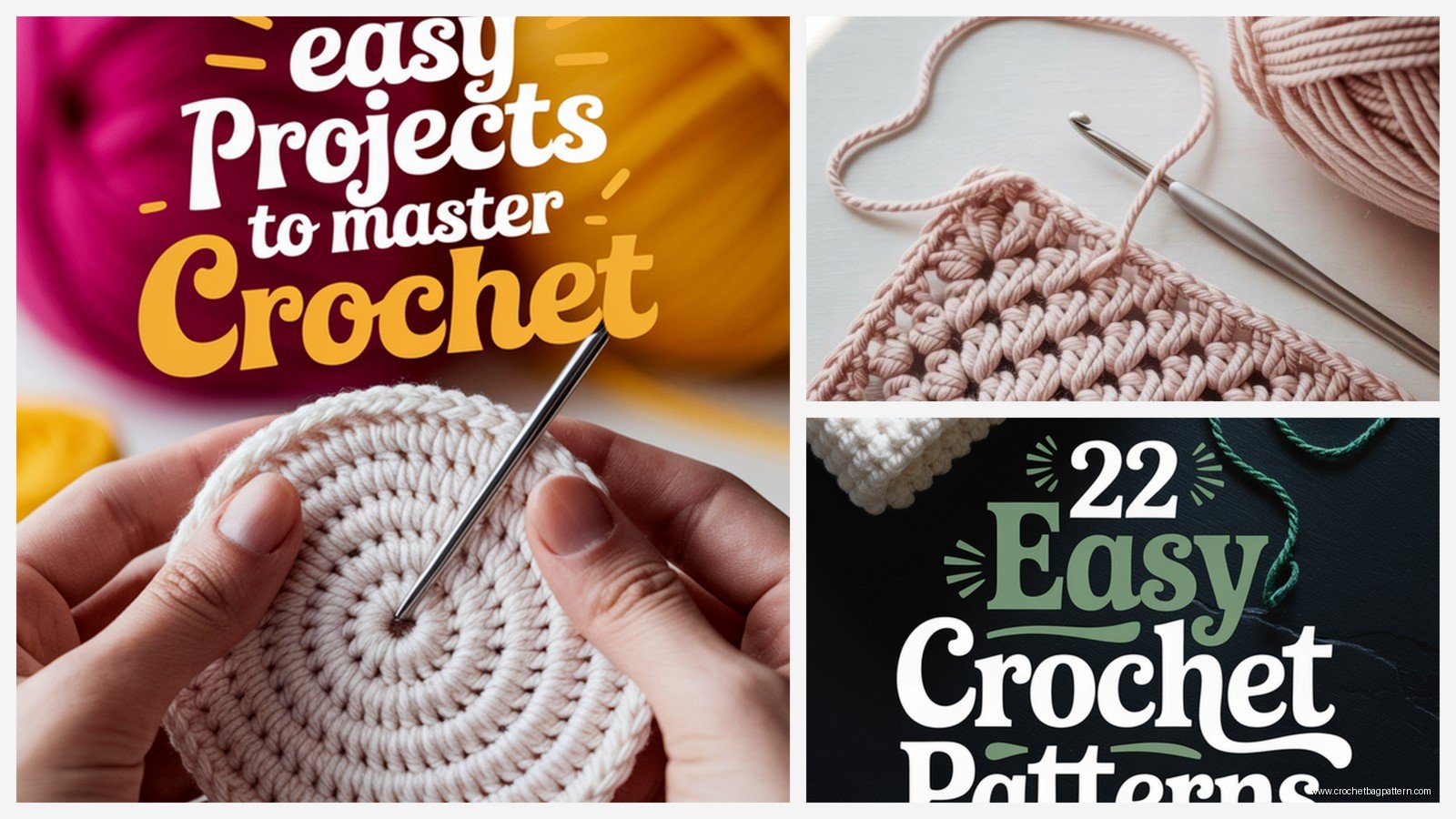
That’s one single crochet. You’re gonna do that across the entire chain.
When you get to the end of the row you chain one (just one chain stitch) and turn your work around. Then you start single crocheting back across. The thing is you’re supposed to go under both loops at the top of each stitch but sometimes I only caught one loop and the dishcloth turned out fine anyway so don’t stress too much about it.
The Part Where I Almost Quit
Around row five or six your dishcloth might start getting wider or narrower than when you started. This happens because you’re either adding stitches accidentally or missing the last stitch of each row. I made a dishcloth in spring 2023 that looked like a sad trapezoid because I kept missing that last stitch – you’re supposed to make sure you crochet into that very last stitch even though it’s hiding and looks like it doesn’t want to be included.
Count your stitches for the first few rows if you’re getting frustrated. If you started with 25 chains you should have 24 single crochets in each row (you lose one because of how the turning chain works or something, I don’t actually understand the math).
When to Stop and How to Finish
Just keep making rows until the thing looks squarish. Hold it up every few rows and eyeball it. When it looks about right – like 8 or 9 inches tall – you’re done with the main part.
To finish you cut the yarn leaving like a 6 inch tail, yarn over one more time, and pull that tail all the way through the loop on your hook. Pull it tight. You can weave the end in with a needle if you have one or just tie it in a knot on the back corner. I usually tie it because I’m lazy and it works fine.
What to Make After Dishcloths
Once you’ve made two or three dishcloths (because the first one will be weird, the second one will be better, and the third one you’ll actually be okay with) you can move on to other stuff that’s still pretty simple.
Scarves Are Just Long Dishcloths
Honestly a scarf is the same process but you make it longer and use softer yarn. I made one during a breakup in winter 2024 using Red Heart Super Saver in grey – it’s acrylic and kinda squeaky but it’s cheap and comes in huge skeins. I just chained like 20 stitches to make it about 6 inches wide and then single crocheted until my arms hurt. Ended up being like 5 feet long.
The annoying thing about scarves is they take forever. I was watching The Bear while making mine and got through like eight episodes. My dog kept trying to steal the yarn ball which added another layer of difficulty I wasn’t prepared for.
Granny Squares If You Want to Feel Accomplished
Granny squares sound old-fashioned but they’re actually really satisfying once you figure them out. You make a circle (kind of) and then it becomes a square (somehow). They use double crochet stitches instead of single crochet which means they work up faster.

For double crochet you yarn over BEFORE you insert the hook into the stitch, then yarn over and pull through – now you have three loops on your hook – yarn over and pull through two loops, yarn over again and pull through the last two loops. It feels like a lot of steps but your hands figure it out after a while.
I made my first granny square in fall 2023 using some Caron Simply Soft I found on sale. The colors were this weird ombre situation that I didn’t love but it was $3 so whatever. The first square took me like 45 minutes and looked wonky. Made another one that took 20 minutes and looked better. Now I can bang one out in 15 minutes while barely paying attention.
The benefit of granny squares is you can make a bunch of them and then… well you’re supposed to attach them together to make a blanket or something but I have like thirty loose granny squares in a bag in my closet because I haven’t figured out how I want to join them yet. That’s a future problem.
Actual Practical Tips Nobody Tells You
Your hands will hurt at first. Take breaks. I gave myself a weird repetitive strain thing in my right thumb when I first started because I was gripping the hook too tight for like three hours straight.
Cotton yarn is better for learning than acrylic because you can actually see the stitches. Acrylic is fuzzy and hides your mistakes which sounds good but makes it harder to figure out where to put your hook.
Cheap hooks are fine. I used a no-name aluminum hook from a multipack for months before I tried a fancy ergonomic one. The fancy one is slightly more comfortable but the cheap one worked perfectly fine.
YouTube is better than written patterns when you’re starting out. I cannot read a pattern to save my life – all those abbreviations and parentheses make no sense. Watching someone’s hands do the thing is way easier.
You’re gonna drop stitches and have to pull everything out sometimes. I had to unravel like eight rows of a scarf once because I somehow added five extra stitches and it was getting progressively wider. It’s annoying but the yarn doesn’t care, you just start over.
Why This Is Actually Useful to Learn
I mean you can make dishcloths for like $2 each instead of buying those overpriced ones at Target. That’s practical I guess. Also you can make gifts that people pretend to appreciate even if they never actually use them.
But really it’s just something to do with your hands while watching TV or sitting outside or waiting for literally anything. I bring a project to my kid’s soccer practices now because standing around for an hour is boring but I can knock out half a scarf or whatever.
Common Mistakes That I Still Make Sometimes
Splitting the yarn – this is when your hook goes through the actual yarn strand instead of into the stitch. Makes a mess and looks bad. Happens less as you get better but still happens.
Losing count of rows – I never remember if I’m on row twelve or row twenty. Doesn’t really matter for most projects but if you’re trying to make two sleeves the same length or something it can be a problem.
Buying yarn because it’s pretty even though you have no plan for it – this isn’t really a mistake I guess but my yarn stash is getting out of control. I saw this beautiful variegated yarn at Michaels last month (I think it was Lion Brand Mandala) and bought three cakes of it even though I don’t have a project in mind. It’s just sitting there judging me.
Moving Beyond the Super Basic Stuff
After dishcloths and scarves you can try simple hats. Hats are worked in a circle which is different from flat projects but not actually that hard. You start with a magic circle (which has the dumbest name but it’s just a way to start a circle without a hole in the middle) and increase stitches as you go around.
I haven’t made a successful hat yet because I always make them too small or too big but that’s more of a me problem than a crochet problem. Need to actually measure my head or something instead of just guessing.
Amigurumi is those little stuffed animals and characters you see everywhere now. They’re cute but require more precision than I currently have patience for – you have to increase and decrease in specific patterns and count everything carefully. Maybe someday but not yet.
Where to Find Patterns That Don’t Suck
Ravelry is a website that’s free and has like a million patterns. The interface looks like it hasn’t been updated since 2008 but the search function is good. You can filter by skill level so you’re not accidentally clicking on something that requires advanced techniques.
YouTube channels I’ve found helpful: Bella Coco has clear instructions and doesn’t talk too much. TL Yarn Crafts is good for specific stitches. There’s another one called Jayda InStitches that does beginner projects but sometimes her lighting is weird so it’s hard to see what she’s doing.
Pinterest patterns are hit or miss – a lot of them link to blogs that have seventeen paragraphs about someone’s childhood before they get to the actual instructions which is annoying when you just want to know how many chains to start with.
Yarn Weight and What It Actually Means
Yarn comes in different thicknesses called weights which is confusing because it has nothing to do with how much it weighs. The numbers go from 0 (super thin) to 7 (super bulky).
For beginners stick with weight 4 (medium/worsted weight) because it’s easy to see your stitches and works up at a decent pace. Weight 3 (DK/light) is also okay but takes longer. Weight 5 (bulky) seems like it would be easier because it’s thicker but actually I find it harder to see where to put my hook.
The yarn label tells you what size hook to use with it. Usually weight 4 yarn uses an H/8 (5mm) or I/9 (5.5mm) hook. You don’t have to follow it exactly but it’s a good starting point.
When You Mess Up Really Bad
Sometimes you’ll be like ten rows into something and realize you messed up way back at row three. You have three options: ignore it and keep going (works more often than you’d think), carefully unravel back to the mistake and fix it (tedious but possible), or rip the whole thing out and start over (sometimes this is actually the faster option).
I’ve done all three depending on my mood and how bad the mistake is. Made a washcloth once where I accidentally skipped like four stitches in one spot and it created this weird puckered area. Just kept going and used it anyway. It still washes dishes fine.
The frog stitch is when you rip everything out – ribbit ribbit, rip it rip it, get it? Crochet humor is extremely lame but everyone uses these terms anyway. Sometimes frogging a project feels terrible and sometimes it’s actually satisfying to wind the yarn back into a ball and know you can start fresh.
