
Feb
Getting Started With Your Crochet Wedding Dress
Okay so you’re gonna need way more yarn than you think. Like when I made mine for my cousin Sarah in winter 2023, I thought six skeins would be enough and I ended up using seventeen. Seventeen! I was working on it while binge-watching The Crown and my cat kept sitting on the bodice pieces which didn’t help.
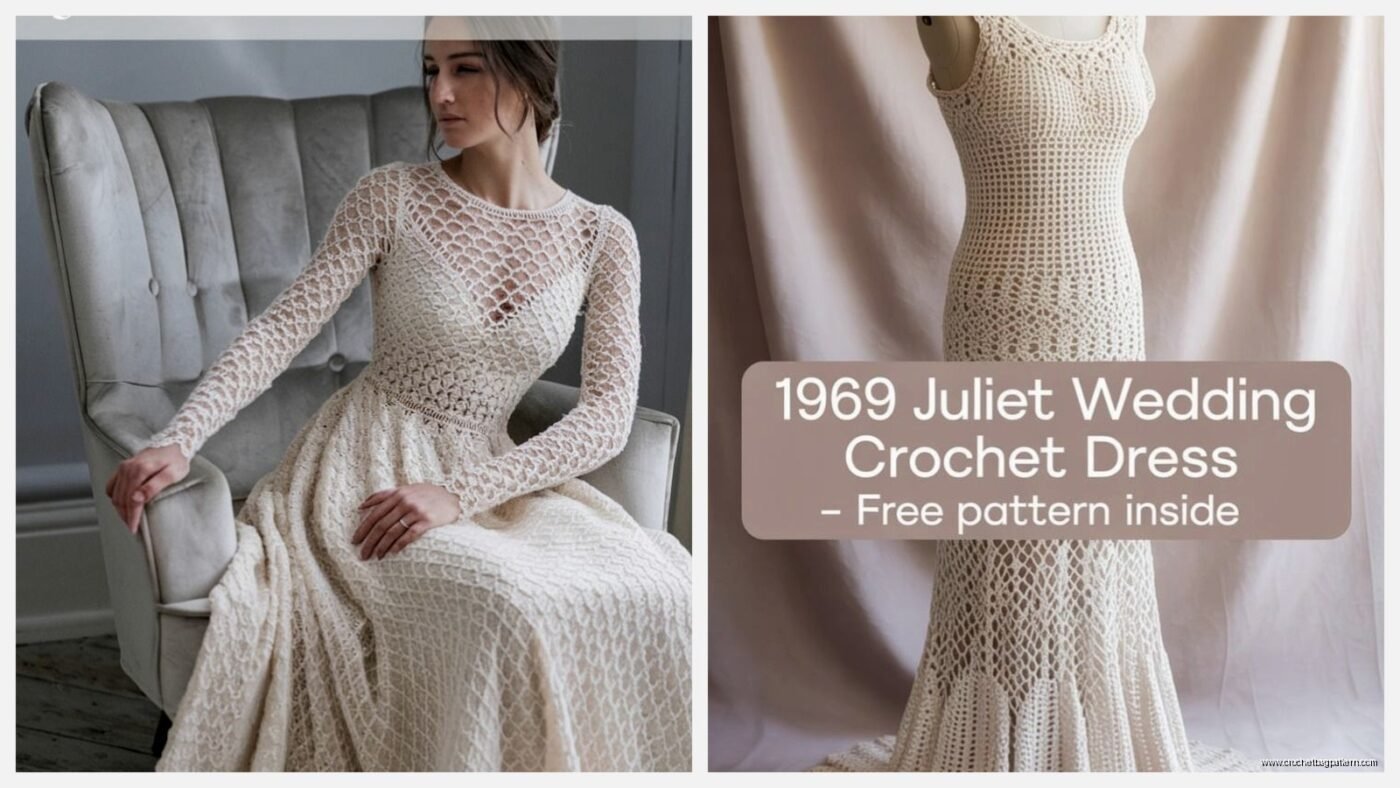
First thing you gotta figure out is what style dress you even want. Are we talking full ballgown, fitted mermaid, bohemian flowy thing? Because each one needs completely different techniques and honestly different skill levels. I went with a fitted bodice and then a flowy A-line skirt because that seemed most forgiving if I messed up measurements.
Yarn Choices That Actually Matter
Don’t use acrylic for a wedding dress. Just don’t. I know it’s cheaper but it looks cheap and you’ll regret it in photos. I used Knit Picks Comfy Sport weight for the main dress body – it’s a cotton-acrylic blend that has nice drape but still holds structure. The bodice I actually did with Lion Brand 24/7 Cotton in white because it needed more structure and that yarn is surprisingly sturdy.
For lacy details I switched to Aunt Lydia’s Crochet Thread size 10. Yeah it’s annoying to work with something that thin but the detail you get is actually worth it. My hands cramped up so bad though, like I had to take breaks every twenty minutes or I couldn’t feel my fingers.
Actually Making The Thing
Bodice Construction
You need to start with the bodice because that’s where fit matters most. I worked mine from the bottom up in rows, not in the round. Measured my cousin’s bust, waist, and the length from underbust to waist. Added two inches to bust measurement for ease because crochet fabric has stretch but not THAT much stretch.
I used half double crochet for the main bodice structure. It’s tight enough to be supportive but not so tight it’s stiff like single crochet can get. Started with a foundation chain that matched the bust measurement, worked in rows, decreased for the waist shaping by skipping stitches at regular intervals.
The thing that really annoyed me was the bust shaping. Like you need to do short rows to create cups basically, and every tutorial I found online assumed you already knew how to do short rows in crochet which… I didn’t? So I had to figure that out separately and it involved a lot of frogging and redoing.

Adding Structure and Boning
You can’t just crochet a bodice and expect it to stay up. That’s not how gravity works. I created channels by working rows of single crochet on the wrong side of the bodice in vertical lines, then threaded plastic boning through them. You can get the boning at any fabric store – Dritz is the brand I used I think.
Put boning at the side seams definitely, and then I added three more channels in the front and two in the back. It made the bodice way more stable and meant it could actually support the weight of the skirt.
The Skirt Part
So for the skirt I worked in the round, starting from where the bodice ended. Just picked up stitches all around the bottom edge of the bodice and started working down. I increased every fourth row to get that A-line flare – just worked two stitches in the same stitch at regular intervals around.
I alternated between rows of half double crochet and rows of a simple shell stitch to add texture. The shell stitch was just (skip 2 sts, 5 dc in next st, skip 2 sts, sc in next st) repeated. Made it look more interesting than just solid stitches and honestly worked up faster too.
Length Considerations
Measure from waist to floor while wearing the shoes that’ll be worn with the dress. I made the skirt about an inch off the ground because a full floor-length crochet dress is gonna be SO heavy and drag on everything. Plus you don’t want it getting dirty dragging on the ground.
The skirt took forever. Like weeks. I was working on it every evening and it still took probably three weeks just for the skirt portion because there’s so much surface area to cover.
Lace and Detail Work
This is where you can get fancy or keep it simple depending on your patience level. I added a lace overlay to the skirt using that Aunt Lydia’s thread I mentioned. Worked it as a separate piece in a pineapple stitch pattern – you know those traditional doily patterns? Yeah, that but shaped for a skirt.
The lace overlay was worked in panels actually, not in the round. I made six panels and then seamed them together and attached to the skirt. This was way easier than trying to work lace in the round on something so big.
For the neckline I did a simple V-neck with a row of single crochet and then a row of picots around the edge. Sleeves… we decided no sleeves because I was already behind schedule and also it was gonna be a summer wedding so—wait actually you could do detachable sleeves pretty easily. Just make them separately and sew in snaps at the shoulder. That way you get the look for photos but can take them off for dancing.
Fitting and Adjustments
You HAVE to do multiple fittings. I had Sarah come over like five times during the process. After the bodice was done, after the skirt was halfway, when I added the lace, before final finishing. Each time we found stuff that needed adjusting.
The back closure was probably the trickiest part. I ended up doing a corset-style lacing because it’s most forgiving for fit and also looks intentional and pretty. Just worked eyelets into the back edges of the bodice using chain spaces, then laced it with satin ribbon from the fabric store.
That One Thing That Really Bugged Me
Okay so the most annoying part of this entire project was blocking. You have to block a wedding dress. There’s no way around it. But it’s HUGE and wet and heavy and I don’t have blocking mats big enough for a whole dress. I ended up spreading clean bedsheets on my living room floor, pinning the dress out on those, and just… hoping for the best. It took three days to dry completely and my living room was unusable that whole time.

Also my cat thought the wet dress was a new bed for her which, no.
Practical Pattern Notes
If you’re looking for actual patterns to follow, the “Vintage Victorian Gown” pattern on Etsy by someone… I forget the shop name but it has Victorian in the title, that’s a good starting framework. I modified it heavily but it gave me the basic construction method.
Gauge matters SO MUCH for this project. Swatch. Even though I know swatching is boring and feels like a waste of time. But being off by even half a stitch per inch means your dress will be way too big or way too small and you won’t realize until you’re done.
I worked at a gauge of 16 stitches and 12 rows per 4 inches with the Comfy Sport yarn and a 4.5mm hook. Your gauge might be different depending on tension.
Yarn Amounts
For a size 8 dress I used:
- 12 skeins of Knit Picks Comfy Sport for the main dress body
- 3 skeins of Lion Brand 24/7 Cotton for bodice structure
- 2 balls of Aunt Lydia’s size 10 thread for lace details
Add more if you’re making a larger size or want a fuller skirt or train. Seriously buy extra. You can always use leftover yarn for other stuff but running out partway through and having the dye lot discontinued is a nightmare.
Timeline Expectations
This is not a quick project. I spent about 200 hours total on Sarah’s dress over the course of two months. If you’re a faster crocheter or doing a simpler style maybe less, but probably not by much. A wedding dress is just a lot of fabric to create.
Start at least six months before the wedding date. That gives you time to work without panicking, do multiple fittings, fix mistakes, and not hate your life.
Undergarments Matter
Make sure you know what’s being worn under the dress before you finalize sizing. A regular bra versus a strapless versus a corset all change how the bodice needs to fit. I had to adjust Sarah’s bodice after she got her actual wedding undergarments because they were more structured than what she wore to early fittings.
Finishing Touches
Weave in all your ends as you go. Do not save this for the end. I made that mistake on another project and it took hours of just weaving in ends which is the most boring part of crochet.
I added a satin ribbon at the waist seam to cover where bodice met skirt and give a clean finish. Just hand-stitched it on. You could also do a crocheted band but I was tired and the ribbon looked good.
For lining, you kinda need it for the bodice at least. I bought white cotton fabric and hand-sewed a simple lining inside the bodice. It makes it more comfortable to wear and you don’t see through to skin/undergarments. The skirt we left unlined because it was already pretty opaque with the lace overlay.
Oh and make sure to give care instructions to whoever’s wearing it. Handwash cold, lay flat to dry, don’t hang it because crochet stretches when hung wet. Store it flat or rolled, not on a hanger.
