
Mar
The Actual Blanket I Made Last Summer
So I made this big outdoor blanket in June 2024 because I kept going to the park and sitting on this terrible thin beach towel that would bunch up and get grass all over everything. Figured a thick crochet blanket would work better and honestly it does but there’s stuff you gotta know first.
I used Red Heart Super Saver in like four different colors – the darker ones hide stains way better than light colors which I learned the hard way. Got this sage green, a navy, some gray, and then one skein of cream that I honestly regret because it shows every single blade of grass that touches it. Each skein was maybe $4 at Walmart so the whole thing cost around $45 which isn’t bad for something that’s like 4 feet by 5 feet.
Yarn Choice Actually Matters Here
You want acrylic. I know people get all precious about cotton or wool but for outdoor stuff acrylic is the only thing that makes sense. It dries fast if it gets wet, it’s machine washable, and bugs don’t eat it. I tried making one corner with Caron Simply Soft because I had extra and that section feels nicer but it’s also way more likely to snag on grass and sticks.
The weight matters too – go with worsted weight or bulky. I used worsted (the Red Heart is worsted) with a 6mm hook and it worked fine but took forever. If I did it again I’d probably use bulky yarn with an 8mm or 9mm hook just to finish faster. My dog kept laying on it while I was working and stretching out the stitches which was super annoying.
The Pattern That Actually Works
Forget complicated stitches. For real. I did the whole thing in half double crochet because it’s thick, it’s flat enough to sit on, and it works up faster than single crochet. The texture is tight so stuff doesn’t poke through from underneath.
Here’s what you do: chain like 150 stitches for a blanket about 4 feet wide. That’s approximate obviously depends on your tension and yarn. Then just hdc across every row. I did mine in stripes – 15 rows of each color – because carrying yarn or doing granny squares seemed like it would make a blanket that’s too holey for outdoor use.
The foundation chain took me like 20 minutes and I had to restart twice because I miscounted. Pro tip that I wish someone told me: use a stitch marker every 25 chains so you can count easier. I was watching that show The Bear while doing this and kept losing count during the stressful scenes.
What Actually Annoyed Me
The weaving in ends. Oh my god the ends. Every time you change colors you have two ends to weave in and I did like 12 color changes so that’s 24 ends minimum plus the starting and ending ones. It took almost as long to weave in all those ends as it did to crochet like three full stripes. I got sloppy toward the end and just tied some off and trimmed them short which… you’re not supposed to do that but whatever it’s a picnic blanket not a wedding gift.
Also my hands cramped up a lot because this is a BIG project. I’m talking like 30+ hours of actual crochet time spread over two weeks. I could only do maybe an hour or two at a time before my wrist started hurting.
Making It Actually Outdoor-Worthy
The thing nobody tells you is that a regular crochet blanket is gonna let moisture seep through from the ground. So you need to either make it really thick or accept that you’re gonna feel damp grass after a while. I didn’t figure this out until the first time I actually used it and sat there for like an hour and stood up with a wet butt.
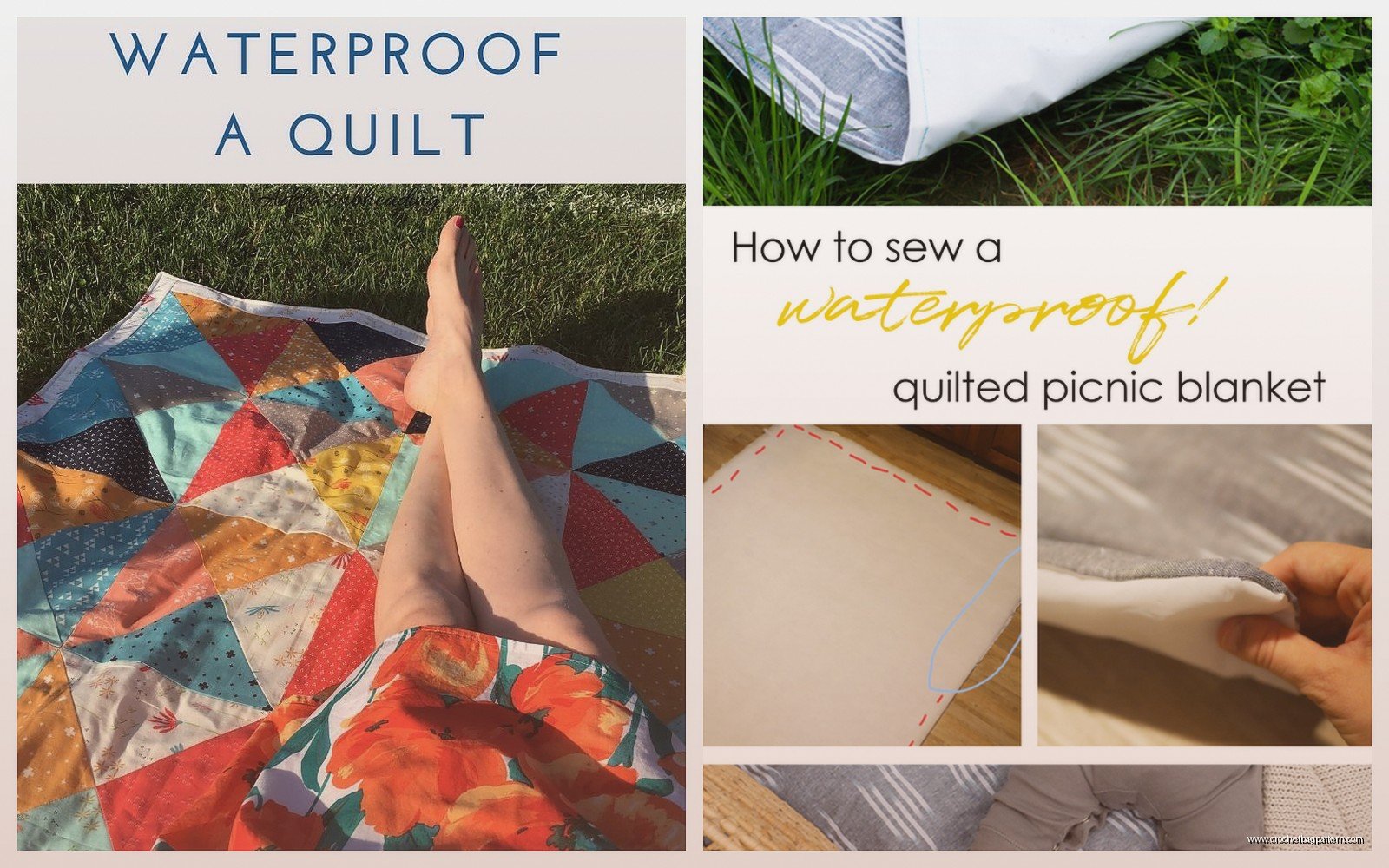
Some people back their outdoor blankets with fabric – like they’ll sew or even just safety pin a layer of canvas or outdoor fabric to the bottom. I haven’t done this yet but probably should. For now I just bring a cheap plastic tablecloth to put under it which works but feels like cheating.
Another option is to double up the blanket – like make it twice as thick. You could do this by literally making two blankets and whipstitching them together or by using a thicker stitch. I’ve seen people do moss stitch or even puff stitch for outdoor blankets but that seems like overkill to me when you could just… use bulkier yarn.
Size Stuff
Mine ended up being about 4 feet by 5 feet which fits two people if you’re friendly or one person plus a whole picnic spread. If you’re making it for a family you probably want bigger – like 5 feet by 6 feet minimum. But here’s the thing: bigger means heavier and this blanket already weighs like 6 or 7 pounds. It’s not light. You’re not gonna want to carry it plus a picnic basket plus anything else very far.
I bring mine to the park that’s like a five minute walk from my apartment and that’s fine but I wouldn’t want to hike with this thing. If you want something portable maybe make it smaller like 3 feet by 4 feet and just accept it’s more of a sitting pad than a full blanket.
Washing This Thing
It’s gonna get dirty that’s just how it is. Grass stains, dirt, probably some food if you’re actually using it for picnics. I throw mine in the washing machine on cold with regular detergent and it’s been fine. The Red Heart Super Saver holds up really well – hasn’t shrunk or faded or anything after like four washes.
I dry it on low heat in the dryer which maybe you’re not supposed to do but it works and air drying would take literally forever. The blanket is so thick it holds a ton of water. First time I washed it I tried to air dry and it was still damp two days later and starting to smell weird.
Color Planning or Whatever
I did stripes because that’s easy but you could do blocks or diagonal stripes or even just one solid color. The advantage of multiple colors is you can use up random yarn you already have. I actually had the navy and gray already from other projects so I only bought two new skeins.
Dark colors are more practical but they also get hot in the sun. The navy sections of my blanket get noticeably warmer than the lighter sections when it’s sitting in direct sunlight. If you live somewhere really hot maybe stick to lighter colors even though they show stains more. Or do like a medium tone – the sage green I used is probably the best compromise.
You could also do a variegated yarn and just work in one color the whole time which would eliminate most of those annoying ends to weave in. Lion Brand Mandala comes in outdoor-looking colors and it’s acrylic so it would probably work fine but I haven’t tried it myself.
Edge Treatment
I just did a simple single crochet border around the whole thing in the last color I used. Nothing fancy. Some people do shell edges or picot edges but for something that’s gonna be sitting on the ground and getting folded up and shoved in a bag that seems unnecessary. The border mostly just keeps the edges from curling.
You could skip the border entirely honestly – just make sure your last row is neat and weave in those ends good. The hdc stitch doesn’t curl as bad as some other stitches so it might be fine.
What I’d Do Different
Use bulkier yarn definitely. Maybe Bernat Blanket or Lion Brand Hometown USA – both are super bulky acrylic and would work up so much faster. The blanket would be thicker too which would help with the moisture seeping through problem.
I’d also maybe do a different stitch pattern just for visual interest. Like alternating rows of hdc and double crochet to make subtle stripes or doing clusters or something. The all-hdc thing works but it’s kind of boring to look at even with the color changes.
Oh and I’d definitely get a fabric backing sorted out from the start instead of using that plastic tablecloth. There’s this outdoor fabric at Joann’s that’s water resistant and you could probably just use fabric glue to attach it to the crochet which would be way easier than sewing.
Time Investment Real Talk
This took me about two weeks of working on it most evenings for an hour or two. If you sat down and marathon-crocheted you could probably finish in a weekend but your hands would hate you. It’s repetitive work – same stitch over and over for like thousands of stitches. I found it pretty meditative once I got into a rhythm but some people would find it boring.
The foundation chain and first few rows are the worst because the blanket isn’t big enough yet to rest on your lap comfortably so you’re holding up all this weight. Once it gets bigger you can drape it over your legs and it’s easier.
Is It Worth It
I mean I use mine pretty regularly from like May through September so yeah for me it was worth it. It’s held up well and it’s way better than sitting on a towel or one of those thin polyester picnic blankets from Target that rip if you look at them wrong. Plus you can customize the size and colors exactly how you want.
But if you don’t go on picnics or to outdoor concerts or whatever then maybe just buy a blanket? There are decent outdoor blankets you can get for like $30-40 and they’d have waterproof backing already. The main reason to make one is if you want specific colors or a specific size or you just enjoy the process of making stuff.
I gave away the first outdoor blanket I made – well not the one from last summer but I made another smaller one in spring 2023 – and that person uses it at their kids’ soccer games apparently. So there’s lots of uses if you think about it. Beach blanket, concert blanket, camping blanket, backyard blanket for when you’re pulling weeds or whatever.
Random Tips
Keep your tension consistent. This matters more on a big project because if your tension changes halfway through you’ll end up with a wonky shaped blanket. Mine is slightly wider at one end than the other because I started crocheting tighter when my hands got tired.
Count your stitches at the end of each row at least for the first several rows. It’s easy to accidentally increase or decrease and you won’t notice until way later when suddenly your blanket isn’t rectangular anymore.
Use a yarn needle for weaving in ends not your crochet hook. I tried using my hook at first and it just doesn’t work as well – the ends come loose easier and it’s harder to split the yarn plies properly.
If you’re doing stripes carry the yarn up the side instead of cutting it every time if your stripes repeat. Like I did 15 rows of green then 15 rows of navy then back to green – I could have carried the green up the side instead of cutting it and having more ends to deal with but I didn’t think of that until too late.
