

Feb
The Basic Mitten Thing That Actually Works
Okay so last winter around January 2023 I was sitting there watching my neighbor’s kids wait for the bus and their hands looked freezing and I just thought you know what, I’m gonna make mittens. Not the fancy kind with individual fingers because honestly who has time for that, just the basic warm ones that actually keep your hands from falling off in the cold.
I used Red Heart Super Saver in that grey color because it was what I had laying around from another project. The thing about mitten patterns is most of them make it seem super complicated but really you’re just making a tube with a thumb hole. That’s it. People get all worked up about gauge and sizing charts but I just measured my hand and winged it.
Starting With The Cuff
You wanna start with a chain that fits around your wrist. For me that was like 32 stitches but your hands might be bigger or smaller. I did single crochet in the back loop only for about 10 rows because that ribbing look is nice and it actually stretches better. Then you join it into a circle and start working in the round.
The annoying part and this drove me absolutely crazy was keeping track of where the round started. I kept losing my stitch marker and having to use a random piece of different colored yarn which looked messy. Just get like five stitch markers and keep them somewhere you won’t lose them, not that I’ve figured out where that is yet.
Working Up The Hand Part
So once you’ve got your cuff you just keep going in single crochet or half double crochet depending on how thick you want it. I prefer half double because it works up faster and still looks decent. You’re basically making a tube that goes from your wrist to like halfway up your fingers. Measure on your actual hand every few rows instead of trusting you counted right because I guarantee you didn’t count right.
I made probably 15 rows of half double crochet using Caron Simply Soft on a second pair I made in March that same year. That yarn is nicer feeling than Red Heart but it’s not as warm somehow? Like it’s softer against your skin but doesn’t trap heat the same way. Trade-offs.
The Thumb Situation
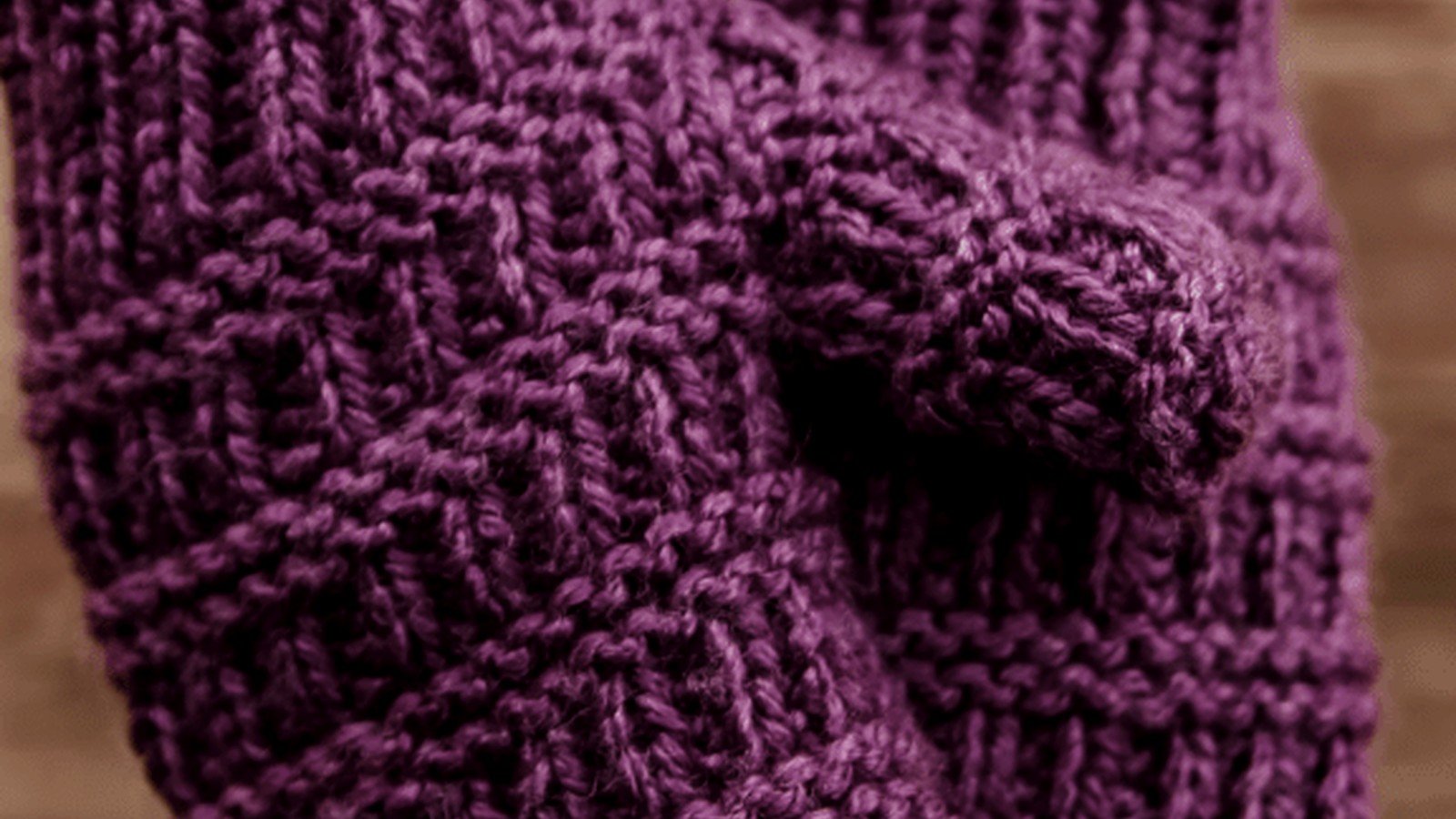
This is where people panic but don’t. When you get to about where your thumb starts on your hand, you’re gonna chain like 6-8 stitches and skip the same number of stitches in your tube. Then just keep going around like nothing happened. Those skipped stitches are gonna be your thumb hole.
Keep working in rounds until the mitten is long enough to cover most of your fingers. Try it on a bunch of times even though it’s annoying because better to fix it now than finish the whole thing and realize it’s too short.
Closing The Top
When you’re ready to close the top you can either just do decreases every few stitches until it closes up, or you can do that flat top thing where you fold it in half and single crochet the edges together. I did the decrease method because my cat was sitting on my pattern book and I couldn’t remember the other way.
For decreases I just did sc2tog evenly spaced around each row until I had like 6 stitches left then pulled the yarn through all of them and cinched it tight. Weave in that end really well because it’s gonna get tugged on when people put the mittens on.
Going Back For The Thumb
Now you gotta go back to that thumb hole you made. Attach your yarn anywhere around the hole and single crochet around the entire opening including into those chain stitches you made. This is fiddly and kind of annoying because the angles are weird but just get stitches in there even if they’re not perfectly even.
Work in rounds on the thumb for like 8-10 rows depending on how long your thumb is. Then do the same decrease thing you did for the top of the mitten. The thumb goes faster at least since it’s smaller.
Making The Second One
Here’s the thing nobody tells you – the second mitten is gonna look different from the first one. I don’t care how careful you are or how many notes you take. It just happens. They’ll be close enough that nobody notices when you’re wearing them but if you put them side by side you’ll see one is slightly bigger or the thumb is in a different spot or whatever.
I used Lion Brand Wool-Ease for a pair I made in February 2023 for my sister and those actually turned out pretty similar to each other. That yarn has good stitch definition so it’s easier to see what you’re doing. Also it’s got some acrylic in it so it’s not gonna shrink in the wash like pure wool might.
Sizing For Different People
If you’re making these for someone else you gotta either measure their hand or just guess based on if they’re bigger or smaller than you. Kids mittens are easier because you can make them a bit big and they’ll grow into them. I made some for my nephew using Bernat Softee Chunky and only did like 24 chain stitches for the cuff and maybe 8 rows before the thumb.
For bigger hands add more chains at the start. The thumb hole might need to be bigger too so chain 8-10 instead of 6. It’s all just proportional basically.
Different Stitch Options
You don’t have to stick with half double crochet for the whole thing. I’ve done some with a shell stitch pattern on the back of the hand which looks nice but doesn’t make them any warmer. Honestly for warmth you want tight stitches that don’t have gaps so single crochet or half double are your best bet.
One time I tried doing a granny square pattern on mittens and it looked terrible plus the wind went right through them so don’t do that unless you’re making them for decoration I guess.
Yarn Weight And Hook Size
I usually use worsted weight yarn with a 5mm or 5.5mm hook. If you use chunky yarn they work up faster but they’re bulkier to wear and harder to do stuff with your hands. Fingering weight yarn makes nice thin mittens but takes forever and honestly if you want thin gloves just buy some.
The hook size matters for how tight your stitches are. Tighter is warmer but harder on your hands if you’re making multiple pairs. I have to take breaks every few rows now because my wrist starts hurting if I crochet too tight for too long.
Adding Stuff To Make Them Better
You can add a longer cuff if you want them to go up your forearm more. Just do more rows of that ribbed back loop only single crochet at the beginning. Some people like adding a folded over cuff which looks nice but uses more yarn.
I tried adding fleece lining to a pair once by basically making two mittens and sewing fleece inside them but it made them stiff and weird. If you want lining maybe just wear thin gloves underneath or something.
Pom poms on top are cute if you’re making them for kids. Just make a yarn pom pom and sew it on at the top before you weave in the end. String connecting the two mittens is actually practical for kids too so they don’t lose them, even though it looks kind of babyish.
What Usually Goes Wrong
The most common problem is the thumb hole ending up in the wrong place. You think you know where your thumb starts but then you try the mitten on and it’s too far forward or too far back. That’s why you gotta try it on before you make the thumb hole, mark it with a stitch marker, then make the hole there.
Also sometimes the top gets too pointy if you decrease too fast, or too flat if you don’t decrease enough. You want kind of a rounded shape. If it’s looking wrong just rip out a few rows and try different decrease spacing.
Running out of yarn partway through the second mitten is incredibly annoying and has happened to me twice. Buy an extra skein if you’re not sure you have enough. You can always use leftover yarn for something else.
Washing And Care
Acrylic yarn you can just throw in the washing machine which is why I use it for things people actually wear. Wool needs to be hand washed or it’ll felt up and shrink. I made that mistake with a pair using Patons Classic Wool and they came out of the dryer sized for a toddler.
The mittens will stretch out a bit with wear which is fine, they’ll still work. If they get really stretched you can try washing them in hot water to shrink them back but that’s hit or miss.
That’s basically everything I know about making mittens. They’re not complicated once you’ve made one pair and figured out the thumb situation. The rest is just adjusting sizes and picking yarn colors you don’t hate looking at.
