
Apr
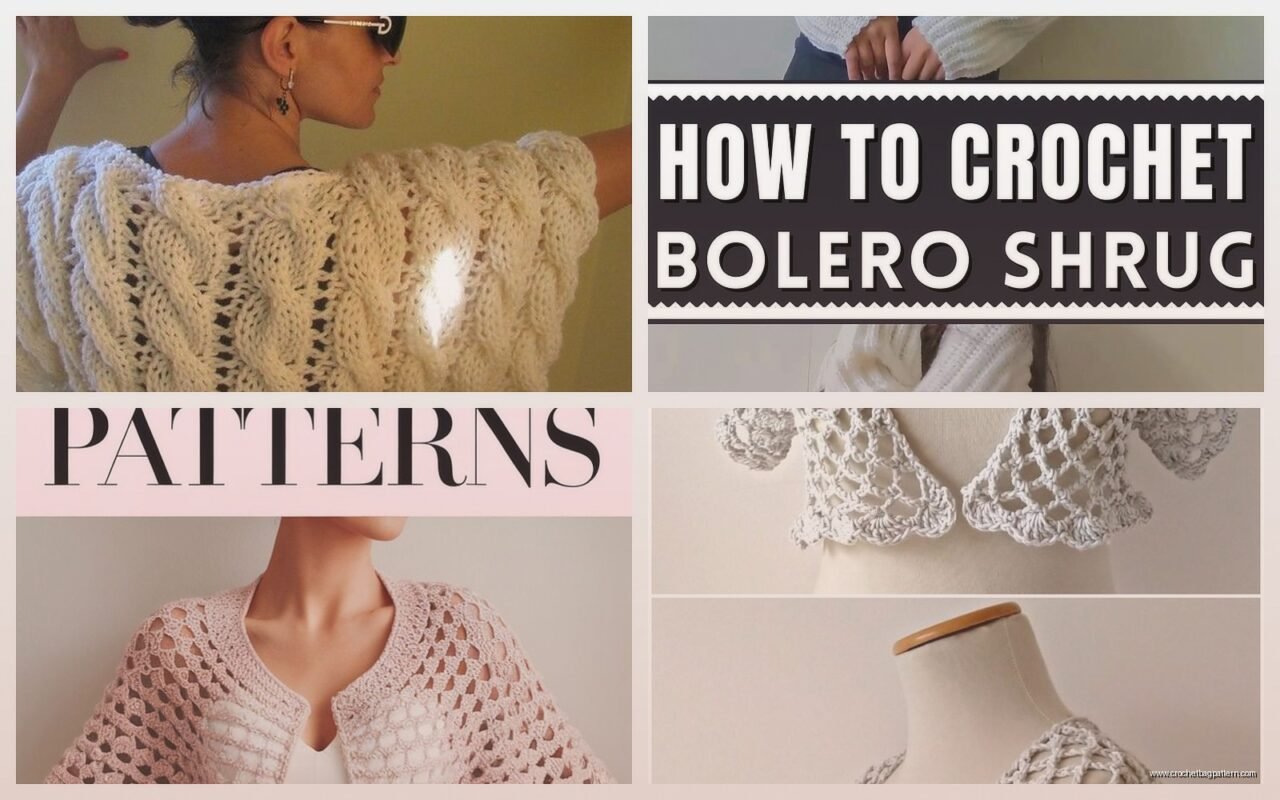
okay so bolero shrugs
I made my first one back in spring 2022 and honestly it was because I had this dress that needed something over it for a wedding but I didn’t want a full cardigan. Boleros are basically those cropped jacket things that hit right at your ribs or just below your bust depending on the pattern. They’re super practical if you think about it because you get arm coverage without adding bulk around your waist.
The thing with bolero patterns is they’re way less complicated than you’d think. Most of them are just rectangles or worked in pieces that you seam together. I’ve done both styles and honestly the rectangle method is faster but seaming gives you more shape options.
Rectangle Style Boleros
So this is where you literally crochet a big rectangle and then fold it and seam the sides to create armholes. I used Red Heart Soft yarn for my first one because it was on sale at Michaels and I needed like 4 skeins in this dusty rose color. The pattern I sorta made up as I went but the basic idea is you chain enough to get the width you want from wrist to wrist when your arms are stretched out.
For me that was like 180 chains or something ridiculous. Then you just work back and forth in whatever stitch you want. I did half double crochet because it works up faster than single but isn’t as holey as double crochet. You work until the rectangle is long enough to cover from your neck to wherever you want it to end.
The annoying part and this drove me absolutely crazy was figuring out where to seam for the armholes. Because you fold the rectangle in half lengthwise and then you gotta measure from the fold to mark where your armholes start. If you measure wrong the whole thing sits weird on your shoulders. I had to rip out my seaming twice because the first time the armholes were too small and I couldn’t get my arms through without stretching everything out of shape.
What worked for me was measuring an existing jacket I owned. I laid it flat and measured from the shoulder seam down to where the armhole ended and used that measurement. Then I marked it with stitch markers on my rectangle before seaming.
Worked In Pieces Method
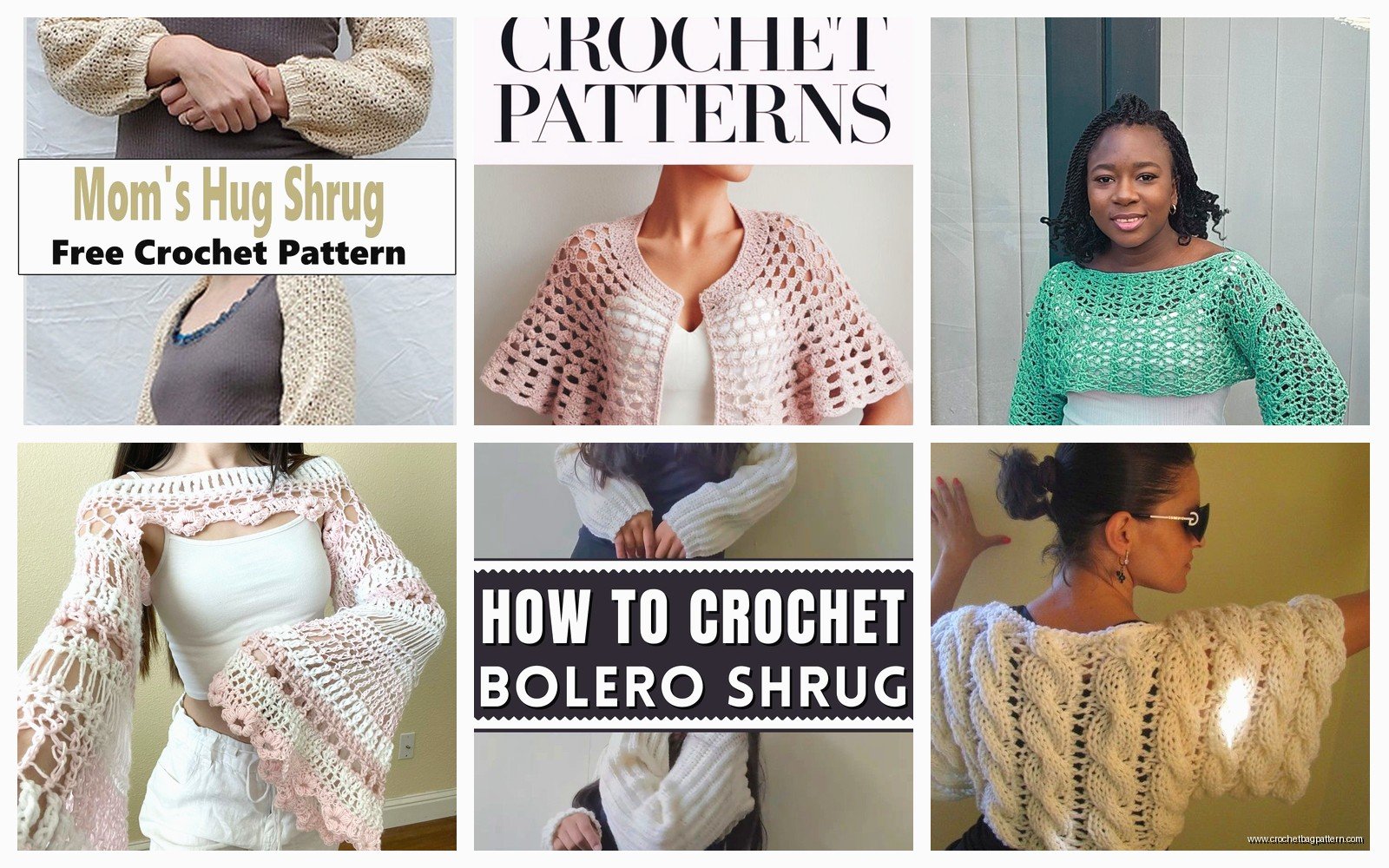
This one takes longer but you get better shaping. You make a back panel and two front panels separately then seam them together at the shoulders and sides. The back panel is usually just a rectangle again but smaller. The front panels are where you can get creative with shaping.
I made one of these in summer 2024 using Caron Simply Soft in like this cream color called Off White I think? My cat kept trying to lay on it while I was working which was… unhelpful. Anyway for the front panels you can work them straight or add decreases at the neckline to create a more fitted look.
The pattern I followed had you start at the bottom edge and work up toward the shoulder. You’d chain maybe 40 or 50 stitches depending on how wide you want the front panel and then work in rows. Every few rows at the neck edge you’d decrease a stitch or two to create that angled neckline.
For sleeves you can either leave it sleeveless or add short sleeves or three quarter sleeves. Short sleeves are just picking up stitches around the armhole and working in rounds for a few inches. I did three quarter length sleeves on the summer 2024 one and used about 40 stitches picked up around each armhole then worked in rounds of half double crochet for like 10 inches.
Yarn Choices That Actually Matter
Okay so yarn weight makes a huge difference with boleros. I’ve used worsted weight mostly because that’s what I have laying around but sport weight or DK weight actually drapes better for this kind of project. The Red Heart Soft I mentioned earlier is worsted and it worked fine but it’s a bit stiff.
When I made one with Lion Brand Wool-Ease in fall 2023 it had more drape because even though it’s also worsted weight the fiber content is different. It’s got some acrylic and some wool so it’s softer and moves better on your body.
For summer versions you want cotton or bamboo blend. I used Lily Sugar’n Cream once which is 100% cotton and it was nice and breathable but it has zero stretch so you gotta make sure your sizing is accurate. Cotton doesn’t forgive if you make it too small because it won’t stretch to fit like acrylic will.
The other thing about yarn is color because boleros are meant to go over other clothes usually. Neutral colors are more versatile obviously but I made a black one with Bernat Super Value that I wear over basically everything. Black hides mistakes too which is nice when you’re learning or if you’re like me and don’t really follow patterns exactly.
Sizing Issues Nobody Talks About
Here’s what bugs me about most bolero patterns you find online or in books. They give you measurements but they don’t really explain how boleros are supposed to fit. Like is it supposed to be tight across your back or loose? Should the front panels meet in the middle or just hang open?
From making several of these I figured out that you want it fitted across the shoulders but not tight. If it’s too loose it slides off backwards. If it’s too tight you get pulling across your shoulder blades and it’s uncomfortable. The front panels are personal preference but I like when they just barely meet in the center when I’m standing normally.
To get the right fit you need accurate measurements. Measure across your back from shoulder to shoulder not including your arms. That’s your back panel width. Then measure from the base of your neck down to where you want the bolero to end. That’s your length. For the front panels measure from your shoulder to where you want it to end at the front which is usually shorter than the back measurement.
Most patterns are written for like a medium size which might not be your size. I had to adjust every pattern I tried because my shoulders are broader than average I guess. Don’t be afraid to add stitches to the width if you need to. It’s better to make it slightly too big than too small because you can always take it in but letting it out is harder.
Edging and Finishing
So once you’ve got all your pieces made and seamed together you probably want to add edging. This isn’t required but it makes it look more finished and professional. Single crochet edging around all the edges is the simplest option. You just work one round of single crochet all the way around the front edges, neckline, and bottom hem.
I usually do this in the same color as the body but you could use a contrasting color if you want. On my cream colored one from summer 2024 I added a round of single crochet and then a round of picot edging which is just chain 3, slip stitch back into the first chain, skip a stitch, single crochet in the next stitch, repeat. It adds a little decorative touch without being too fussy.
The thing that annoyed me most about edging was keeping the tension even especially around curves like the neckline. If you crochet too tight the edge will pucker and if you crochet too loose it’ll be wavy and look sloppy. I found that using a hook one size larger than what I used for the body helps keep the edging from getting too tight.
Stitch Patterns To Try
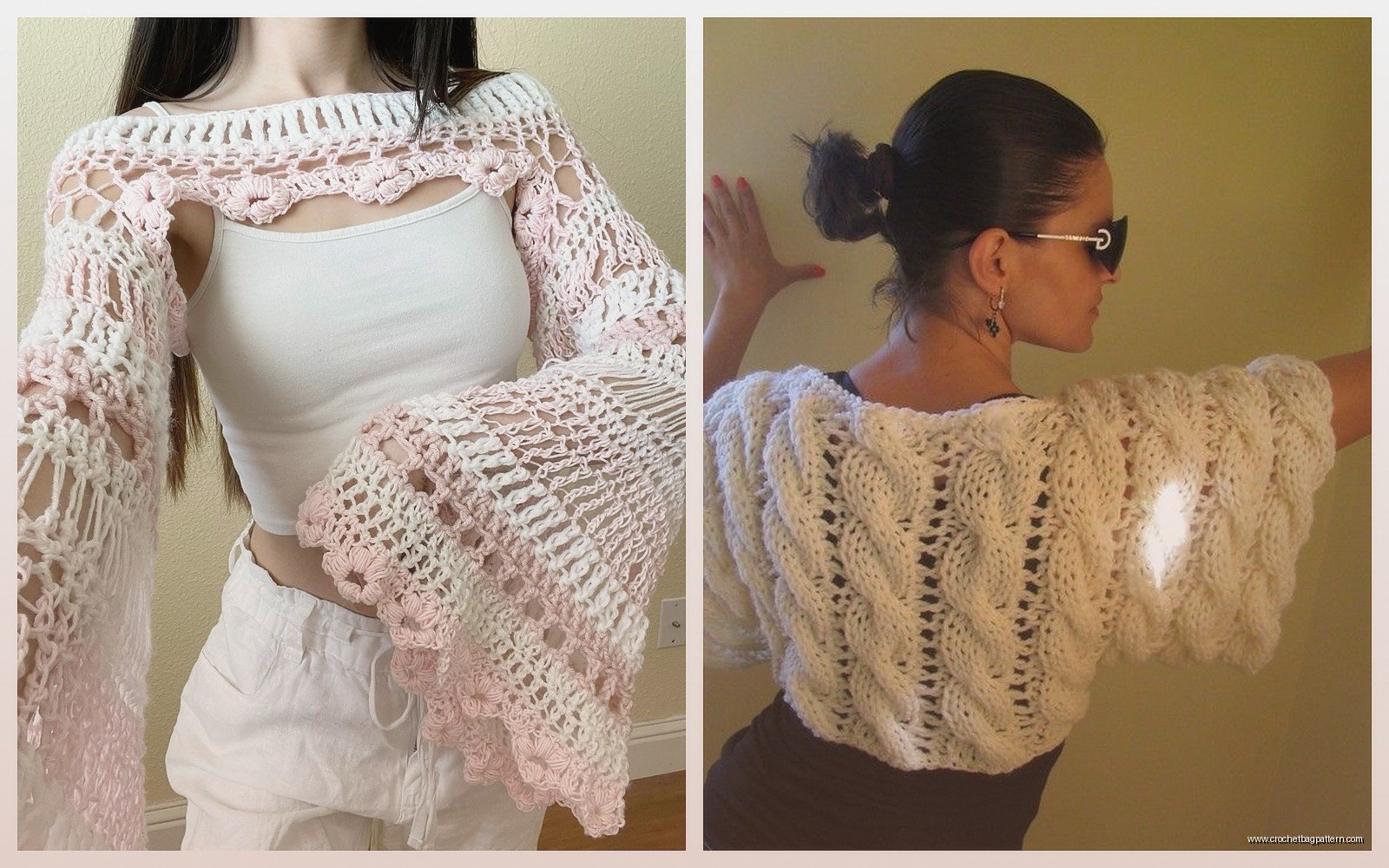
You don’t have to stick with basic stitches for boleros. I mean you can and it’ll look fine but if you want something more interesting there are options. Granny squares work surprisingly well for boleros. You make a bunch of squares and join them together to form the shape you want then add edging.
I started a granny square bolero in winter 2023 but never finished it because I got distracted watching The Bear and started a different project instead. But from what I did make it was gonna look really cool. Each square was like 4 inches and I was using Paintbox Yarns Cotton DK in multiple colors.
Shell stitch is another good option and it creates a nice textured fabric that’s still lightweight. You work clusters of double crochets separated by chain spaces. It looks fancy but it’s not actually that hard once you get the rhythm down. The only issue is it uses more yarn than basic stitches so factor that into your planning.
Lace patterns can work too if you’re making a bolero for warmer weather or for a dressy occasion. I haven’t done a full lace bolero yet but I did one with a lace panel down the back and solid front panels using a pattern from a book I got at the library. It used fingering weight yarn and a 3.5mm hook and took forever but it turned out really delicate and pretty.
Practical Wearing Situations
Okay so when would you actually wear a bolero shrug in real life. I wear mine over sleeveless dresses mostly. It’s perfect for situations where the dress code is kinda formal but you also might be cold. Like weddings or dinner parties or church if you go to church.
Office wear is another use if your office is business casual. A bolero over a sleeveless blouse or dress looks put together but not stuffy. The black one I made gets worn to work probably once a week during cooler months.
For casual wear I’ll throw one over a tank top and jeans. It adds a layer without adding too much warmth which is good for spring or fall when the temperature is unpredictable. Summer evenings too when you’re outside and it cools down but you don’t want a full sweater.
The cream one from summer 2024 I made specifically for a beach vacation because I wanted something to wear over my bathing suit that wasn’t a full coverup. It worked perfectly for walking from the beach to a restaurant or shop without having to change completely.
What Doesn’t Work
I tried making a bolero with really bulky yarn once thinking it would be cozy for winter. It was not good. Too thick and stiff and it added so much bulk under a coat that I never wore it. Stick with worsted weight or lighter for boleros unless you’re specifically making it as outerwear to wear without a coat over it.
Also avoid super fuzzy or hairy yarns. I used some Lion Brand Homespun years ago for a different project and hated working with it so I wouldn’t use it for a bolero either. You can’t see your stitches and it splits constantly and the finished fabric is just kind of blobby looking.
Really drapey yarns like rayon or silk blends might be too drapey for a bolero. You want some structure so it holds its shape on your body. I haven’t tried these myself but I imagine they’d just kind of collapse and slide around.
Time Investment
How long does it take to make a bolero? Depends on the style and your speed obviously. The rectangle method can be done in a weekend if you’re motivated. I made the Red Heart Soft one in probably 8 hours total spread over three days.
The worked in pieces method takes longer because of all the seaming. Maybe 12-15 hours for a simple version. The granny square one I started would have taken even longer because each square takes time and then you have to join them all.
Lace patterns are the slowest because you’re working with smaller yarn and more intricate stitches. Budget at least 20 hours for a lace bolero maybe more if you’re not experienced with lace.
If you’re making it for a specific event give yourself way more time than you think you need. I made one for my sister’s graduation and thought I had plenty of time but then I had to rip out a bunch of rows because I messed up the armhole placement and barely finished it the night before.
Pattern Resources
You can find free bolero patterns on Ravelry if you search for bolero or shrug. There are thousands of options in different styles and skill levels. I’ve downloaded probably 20 different patterns over the years and actually made like 5 of them.
YouTube has video tutorials too which are helpful if you’re a visual learner. I usually watch a video first to understand the construction method then wing it with my own measurements and yarn choices.
Crochet magazines sometimes have bolero patterns especially in spring issues when everyone’s thinking about layering pieces. I got a pattern from Crochet World magazine once that was pretty straightforward.
Or you can just make up your own pattern like I usually do. Once you understand the basic construction it’s not hard to customize. Just sketch out what you want, take your measurements, make a gauge swatch to figure out your stitch count, and start crocheting.
The gauge swatch is important even though it’s tempting to skip it. I’ve skipped it before and ended up with boleros that were way too big or too small. Takes like 15 minutes to make a 4 inch square and count your stitches and rows so just do it.
