
May
okay so hdc2tog is basically just making two stitches into one
You know how regular half double crochet is yarn over, insert hook, pull up a loop, yarn over and pull through all three? Well hdc2tog is like doing that but you’re grabbing from two different stitches before you finish it off. It’s honestly not that complicated once you do it like three times.
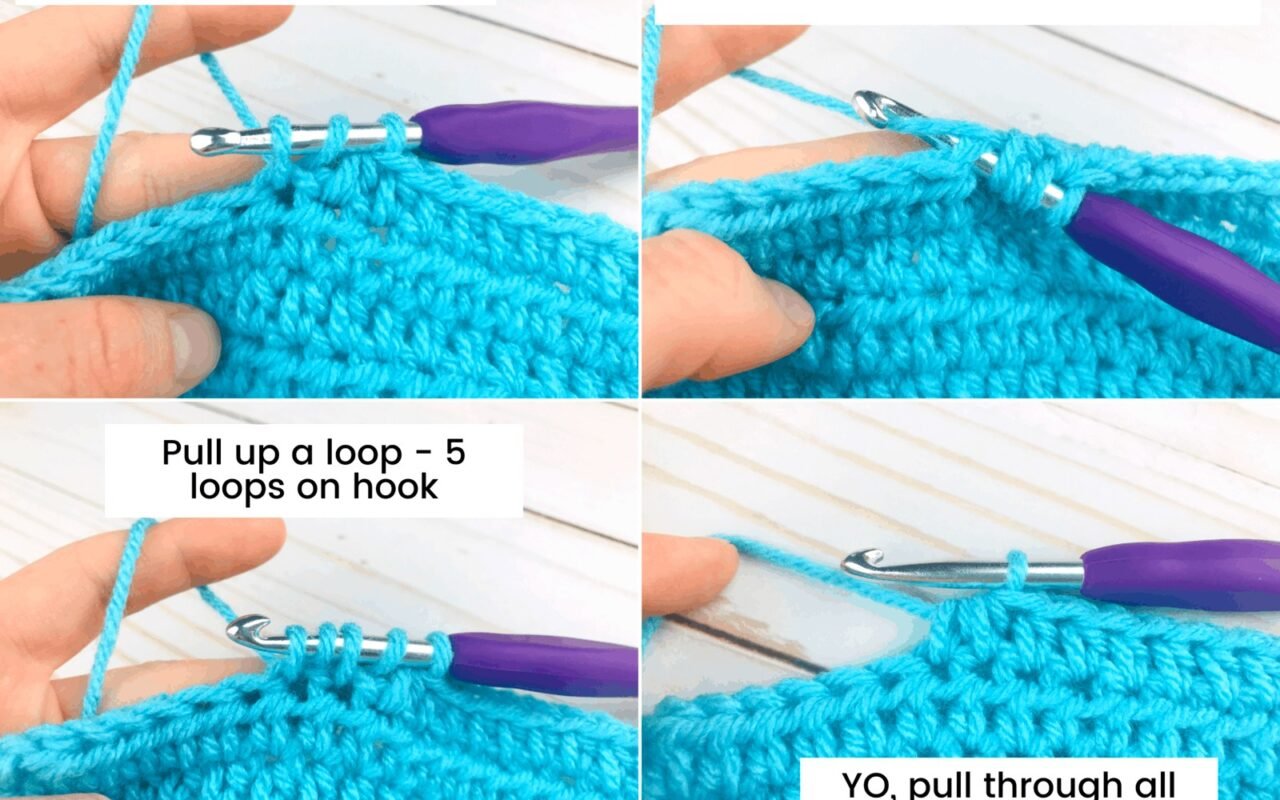
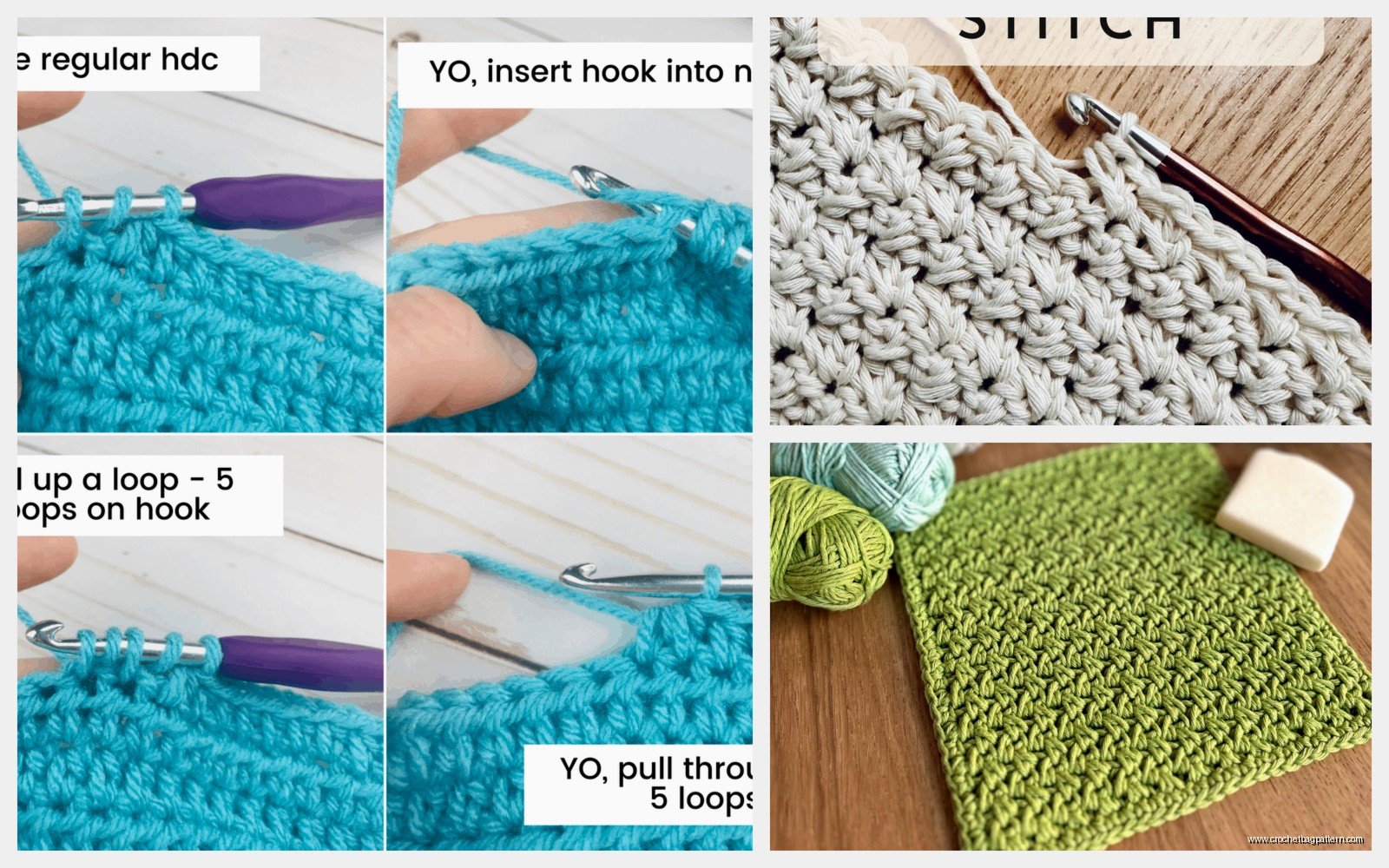
So the way I usually do it – and I learned this back in spring 2022 when I was making this stupid hat that I never actually finished because the gauge was all wrong – you start with a yarn over. Then you insert your hook into the first stitch, yarn over again, and pull up a loop. Now you’ve got three loops on your hook. Don’t pull through anything yet, that’s the part that trips people up.
Then you do it again in the NEXT stitch. Yarn over, insert hook into the second stitch, yarn over, pull up a loop. Now you should have five loops total on your hook. Then yarn over one more time and pull through all five loops at once. That’s it. That’s the whole decrease.
what it actually looks like when you’re doing it
The thing that annoyed me SO much when I was learning this was that every tutorial made it seem like the loops would just sit there perfectly on your hook waiting for you. But if you’re using like Red Heart Super Saver or something with a bit of grip, those loops want to slide around and get twisted. I was using some Lion Brand Wool-Ease for a blanket last summer and it was way easier because the yarn had better stitch definition.
When you’ve got all five loops on there, your hook is gonna feel crowded. That’s normal. Just make sure you yarn over and grab ALL of them when you pull through. Sometimes I miss one loop and then the whole thing looks wonky and you gotta pull it out.
The decreased stitch should look like an upside down V kind of? Like it’s pulling two stitches together at the top. If it doesn’t look like that and instead looks like two separate stitches, you probably pulled through too early or didn’t grab all the loops.
when you’d actually use this thing
Decreases are for shaping stuff. Like if you’re making a hat and you need it to get smaller at the top, or if you’re doing amigurumi and need to close up a sphere shape. I use hdc2tog more than I probably should because I like how half double crochet looks better than single crochet – it’s got more texture but isn’t as chunky as double crochet.
Summer 2024 I made this tote bag with Bernat Blanket yarn (the dark grey color, I think it was called Shadow?) and I used hdc2tog at the bottom corners to shape it. Worked pretty well even though that yarn is SO thick that counting loops was basically impossible. I just had to feel it.
You can also use it to fix mistakes kind of? Like if you accidentally added a stitch somewhere and your count is off, you can decrease to get back to the right number. Not the most elegant solution but it works.
the actual step by step because I got sidetracked
Okay here’s the clear version without me rambling:
- Yarn over
- Insert hook into first stitch
- Yarn over and pull up a loop (3 loops on hook)
- Yarn over
- Insert hook into next stitch
- Yarn over and pull up a loop (5 loops on hook)
- Yarn over and pull through all 5 loops
That’s the standard way. Some people do it slightly different like they don’t yarn over before the first insertion or whatever, but this way works and it’s consistent with how most patterns write it.
common problems I’ve run into
The first time I tried this I kept pulling through three loops after the first stitch, like my muscle memory from regular hdc just took over. Then I’d be confused why I had two separate stitches instead of a decrease. You gotta resist that urge to finish the first stitch. Just leave those three loops hanging there.
Another thing is tension. If you pull too tight when you’re gathering up those five loops, the decrease is gonna pucker and look really obvious. If you’re too loose, it won’t actually decrease properly and you’ll have a gap. You want it snug but not strangling the yarn.
Also sometimes patterns will say “hdc2tog over next 2 sts” and that’s the same thing. Or they might write it as “hdc decrease” because apparently there are multiple names for everything in crochet and nobody decided on a standard.
what hooks work best
I usually use whatever hook the yarn calls for, but I’ve noticed that if you go down a hook size it’s easier to keep all those loops on there without them sliding off. Like if you’re using worsted weight and it says use a H hook, maybe try a G. The stitches will be tighter but for decreases that’s not always a bad thing.
Clover Amour hooks are good for this because they’ve got that little dip in the throat that kind of holds the loops. I have some cheap aluminum hooks from Michaels and they’re so slippery that I’ve literally had all five loops just slide right off while I was trying to yarn over. So annoying.
My cat knocked over my whole hook case the other day and I’m still finding them under furniture but that’s not really relevant here.
variations that exist I guess
You can do hdc3tog which is the same concept but you’re working into three stitches instead of two. So you’d end up with seven loops on your hook before pulling through. I’ve only used that a few times, usually for amigurumi when you need a more dramatic decrease.
There’s also invisible decrease but that’s more of a single crochet thing. For half double crochet the decrease is always gonna be a little bit visible, that’s just how it is. You can minimize it by working loosely or by placing your decreases strategically so they’re on the inside or back of your project.
Some people do a “spike stitch decrease” where you insert the hook into a stitch from like two rows below but honestly that seems complicated and I’ve never bothered to learn it properly.
reading patterns that use this
When you see hdc2tog in a pattern, it counts as ONE stitch in your total count. So if a pattern says “hdc in next 5 sts, hdc2tog, hdc in next 5 sts” you’re working into 12 stitches total but you’ll end up with 11 stitches when you’re done. That confused me for like six months when I first started following patterns.
Sometimes patterns will specify where to work the decrease like “hdc2tog over next 2 sts” or they’ll say “hdc2tog using next st and st 3 rows below” or something weird. Just follow whatever it says even if it seems odd.
The abbreviation is usually hdc2tog but I’ve seen it written as hdcdec or hdc dec or even just “decrease in hdc” which isn’t helpful at all because there are multiple ways to decrease.
practicing this stitch
Honestly just make a swatch. Chain like 20, do a few rows of regular hdc, then do a row where you alternate regular hdc and hdc2tog. You’ll be able to see exactly what the decrease looks like and how it affects the fabric.
I practiced while watching Love Island which probably wasn’t the best idea because I kept losing count, but eventually it became automatic. Now I don’t even think about it, my hands just know what to do.
If you’re having trouble seeing your stitches, use a lighter colored yarn. I tried learning with this dark burgundy Caron Simply Soft and I literally could not see where to insert my hook. Switched to cream colored Red Heart and it was immediately easier.
what yarn actually works well for learning
Like I mentioned, Caron Simply Soft is decent. It’s smooth and the stitches are really clear. Red Heart Super Saver is cheaper but it’s got more texture so it’s a bit harder to see individual loops. Lion Brand Vanna’s Choice is middle ground – not too expensive, decent stitch definition.
Avoid fuzzy yarn or yarn with a halo when you’re learning. I tried to practice with some Lion Brand Homespun once and I wanted to throw it across the room. You can’t see anything with that stuff.
Acrylic is fine for practicing. You don’t need fancy merino wool to learn a decrease. Save your money.
troubleshooting when it goes wrong
If your decrease has a big hole under it, you probably didn’t pull tight enough when you went through all five loops. Or maybe you accidentally did a yarn over in there somewhere that you weren’t supposed to.
If it looks lumpy and thick, you might be pulling TOO tight. Or you’re working into the wrong part of the stitch – you should go under both loops at the top of the stitch, not just one loop or through the back loop only.
If you somehow end up with six or seven loops on your hook before the final pull-through, you did an extra yarn over somewhere. Just pull them out and try again. It happens.
Sometimes the decrease leans to one side and I’ve never totally figured out why that happens. I think it has to do with tension or maybe which direction you’re working. It doesn’t really matter unless you’re doing something that needs to be perfectly symmetrical.
combining with other stitches
You can do a row that mixes regular hdc and hdc2tog to create texture. Like “hdc 3, hdc2tog” repeated across will give you a slightly gathered effect. I used that on the yoke of a sweater I made – well, started making – in spring 2022 with some Knit Picks yarn that I can’t remember the name of now.
You can also work hdc2tog and then do a chain stitch or two to create a different kind of texture. Or work hdc2tog in a stripe pattern with different colors. The decrease itself is just a tool, you can use it however you want.
Some people do hdc2tog in the round differently than in rows but I’ve never noticed a difference. You just keep going around and decrease where the pattern tells you to.
why this decrease instead of others
Single crochet decrease (sc2tog or invisible decrease) is shorter and tighter. Double crochet decrease (dc2tog) is taller and more dramatic. Half double is right in the middle – it’s got some height but it’s not super obvious.
I use hdc2tog when I want the fabric to stay relatively smooth but still need to shape it. Like for a beanie or a bag or whatever. If I was doing a really tight amigurumi I’d probably use sc2tog instead because it closes up gaps better.
There’s no wrong choice really, it just depends on what look you’re going for and what the rest of your project is using. If you’re working entirely in half double crochet then obviously you’d use hdc2tog for decreases to keep everything consistent.
getting the tension right
This is gonna sound unhelpful but you just gotta do it a bunch of times until you get a feel for it. Everyone’s tension is different. Mine is pretty loose naturally so I have to consciously pull a bit tighter when I’m doing decreases or they get sloppy.
If you’re someone who crochets really tight, you might need to actually loosen up a bit for hdc2tog because getting five loops through at once is harder when everything is strangled.
Watch your hands while you work. Are you pulling the working yarn super tight? Are you letting loops get huge before you pull through? Just notice what you’re doing and adjust.
I’ve been crocheting for years and my tension still changes depending on what I’m watching on TV or if I’m tired or whatever, so don’t expect it to be perfect every time.
