
Apr
Finding Patterns That Actually Work
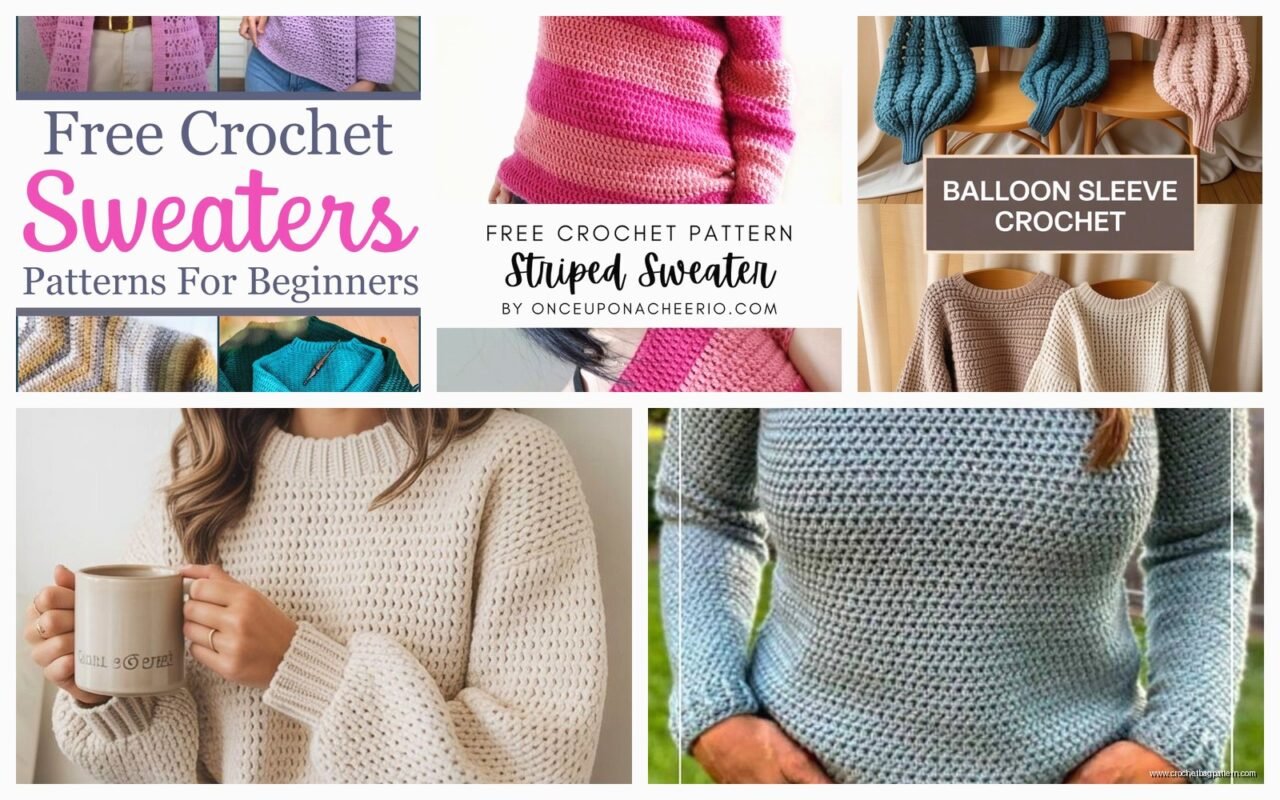
So the thing about free crochet sweater patterns is that like 60% of them are total garbage. I started making this oversized cardigan thing in spring 2022 and the pattern was just… it had these weird increases that made no sense and suddenly you’re supposed to just “shape armhole” with zero instructions. I ended up frogging the whole thing after working on it for three weeks.
What you gotta do is look for patterns that have actual stitch counts written out. Not just “work even until piece measures 14 inches” because everyone’s gauge is different and you’ll end up with something that fits weird. Ravelry is honestly still the best place even though the interface looks like it’s from 2007. You can filter by actual user projects and see if people had problems.
Size Ranges Are Lying To You
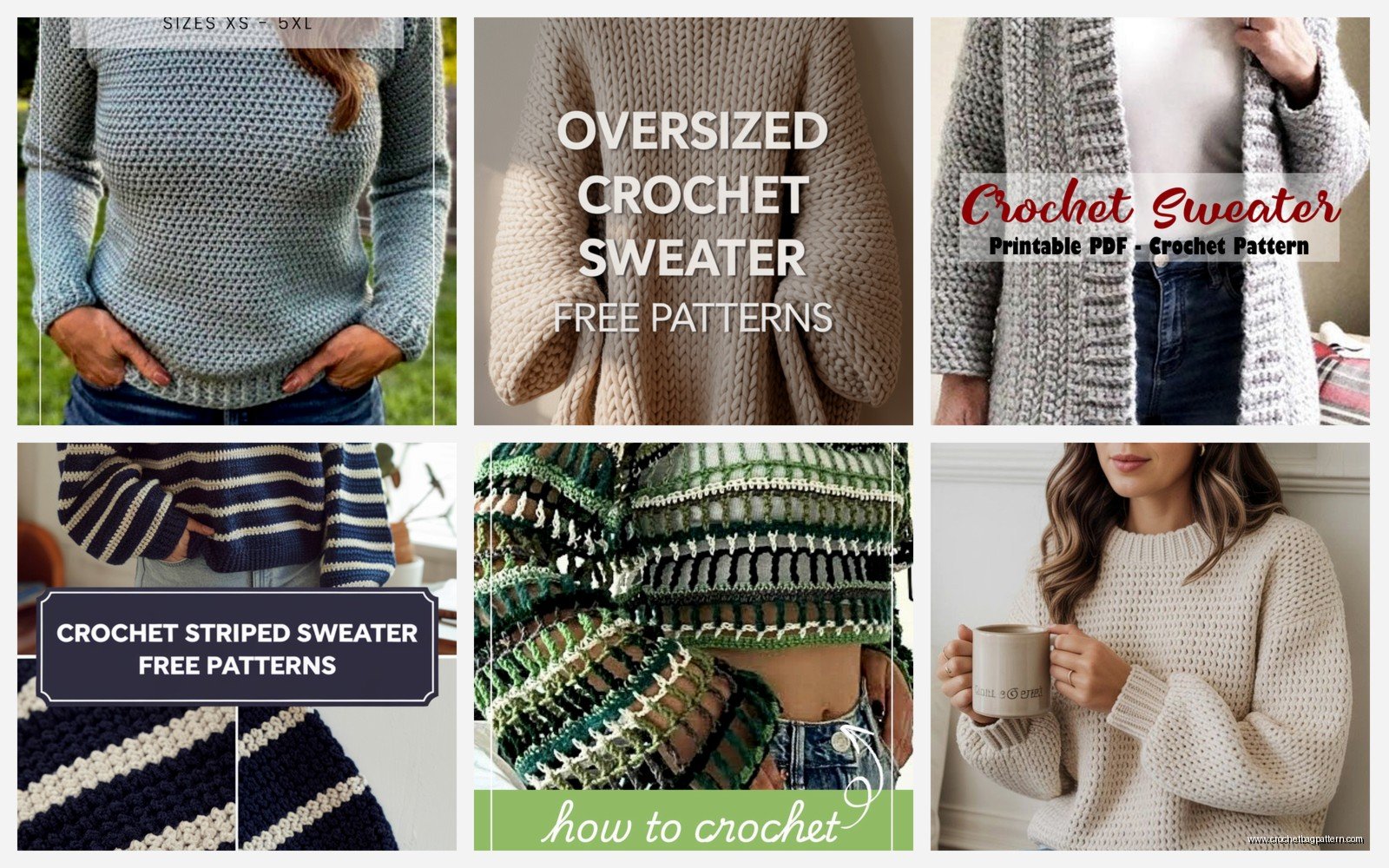
Most patterns say they go up to like 5XL but then you look at the finished measurements and the largest size has 42 inches of bust ease which is… not how plus size bodies work? I made a pullover last summer, August 2024 actually, using Lion Brand Wool-Ease because it was on sale at Michaels and I had a coupon. The pattern said it went up to my size but I had to add an entire repeat of the stitch pattern to make it actually fit across my shoulders.
Here’s what I do now: I find a pattern I like, then I completely ignore the size chart. I measure a sweater I already own that fits how I want, then I calculate how many stitches I need based on my gauge swatch. Yeah you actually have to make the gauge swatch, I know it’s annoying but I learned this the hard way.
Construction Methods Matter More Than You Think
Top-down raglan sweaters are everywhere right now and honestly they’re popular for a reason. You can try it on as you go and adjust if something’s not working. I was making one while binge-watching The Bear and my cat kept attacking the working yarn but whatever, the point is you can actually see the sweater taking shape instead of making a bunch of flat pieces and hoping they work together.
Bottom-up patterns are more traditional and sometimes they look better because the decreases sit differently, but you’re committed to your size choices from the beginning. If you mess up the body width you don’t find out until you’ve already made the whole body and both sleeves and you’re seaming it together and it doesn’t fit.
Seaming is the thing that annoyed me the most honestly. I made this beautiful piece with Caron Simply Soft in like this deep burgundy color, all the panels looked great, and then I had to mattress stitch everything together and it took FOREVER. My tension was inconsistent so you could see where the seams were. Some patterns now are written seamless or with minimal seaming and those are worth their weight in gold.
Yarn Weight And Why Everyone Lies About It
Patterns will say “worsted weight” but worsted weight ranges from like 16 stitches per 4 inches to 20 stitches per 4 inches depending on the brand. I used Red Heart Super Saver for a practice sweater once and it worked up so much stiffer than the pattern showed because the designer used some fancy indie-dyed merino that cost $30 a skein.
For modern sweater patterns, most designers are using either:
- Bulky or super bulky weight for those chunky oversized cardigans that are all over Instagram – these work up fast but you need like 1200-1800 yards usually
- DK or light worsted for fitted pullovers – takes longer but drapes better and doesn’t add bulk
- Fingering weight if they hate you and want you to crochet forever
I made a chunky cardigan with Wool and the Gang Crazy Sexy Wool in winter 2023 during a really bad breakup actually, and it only took me like two weeks because the yarn was so thick. Used a 10mm hook. It pills like crazy now but it was good therapy at the time.
Modern Design Elements To Look For
Okay so if you want something that looks current and not like your grandma’s afghans (no offense to grandma), look for patterns with:
Clean lines without a bunch of fussy stitch patterns. Simple single crochet or half double crochet in basic shapes reads as modern. Those complicated shell stitches or pineapple patterns scream 1970s.
Oversized fit is still in but it’s starting to shift a bit toward more structured shapes. Cropped lengths are everywhere. Boxy silhouettes without waist shaping. Drop shoulders or raglan sleeves instead of set-in sleeves which are a pain anyway.
Color blocking is huge right now. You can take a basic pattern and make it modern just by using two or three colors in blocks instead of one solid color. I saw this pattern that was just rectangles in different colors seamed together and it looked so expensive and designer but it was literally just single crochet rectangles.
Granny Square Sweaters Are Having A Moment
These are actually great for beginners because you can make a bunch of squares whenever and then assemble them later. The tricky part is making sure all your squares are actually the same size. I made one with Paintbox Yarns Cotton DK and even though I was trying to keep them consistent, some squares were like a quarter inch bigger than others and it was noticeable in the final sweater.
Pro tip for granny square sweaters: block your squares before you seam them. I know everyone says this but I didn’t do it the first time and regretted it. Just pin them to a foam mat, spray with water, let them dry. They’ll be way more uniform.
Actually Finding Good Free Patterns
Ravelry like I said, but also a bunch of yarn companies put out free patterns to sell their yarn. Lion Brand has a ton of free sweater patterns and they’re usually pretty well-tested. Yarnspirations (that’s the Bernat, Caron, Red Heart parent company) has free patterns too but the PDFs are sometimes formatted weird.
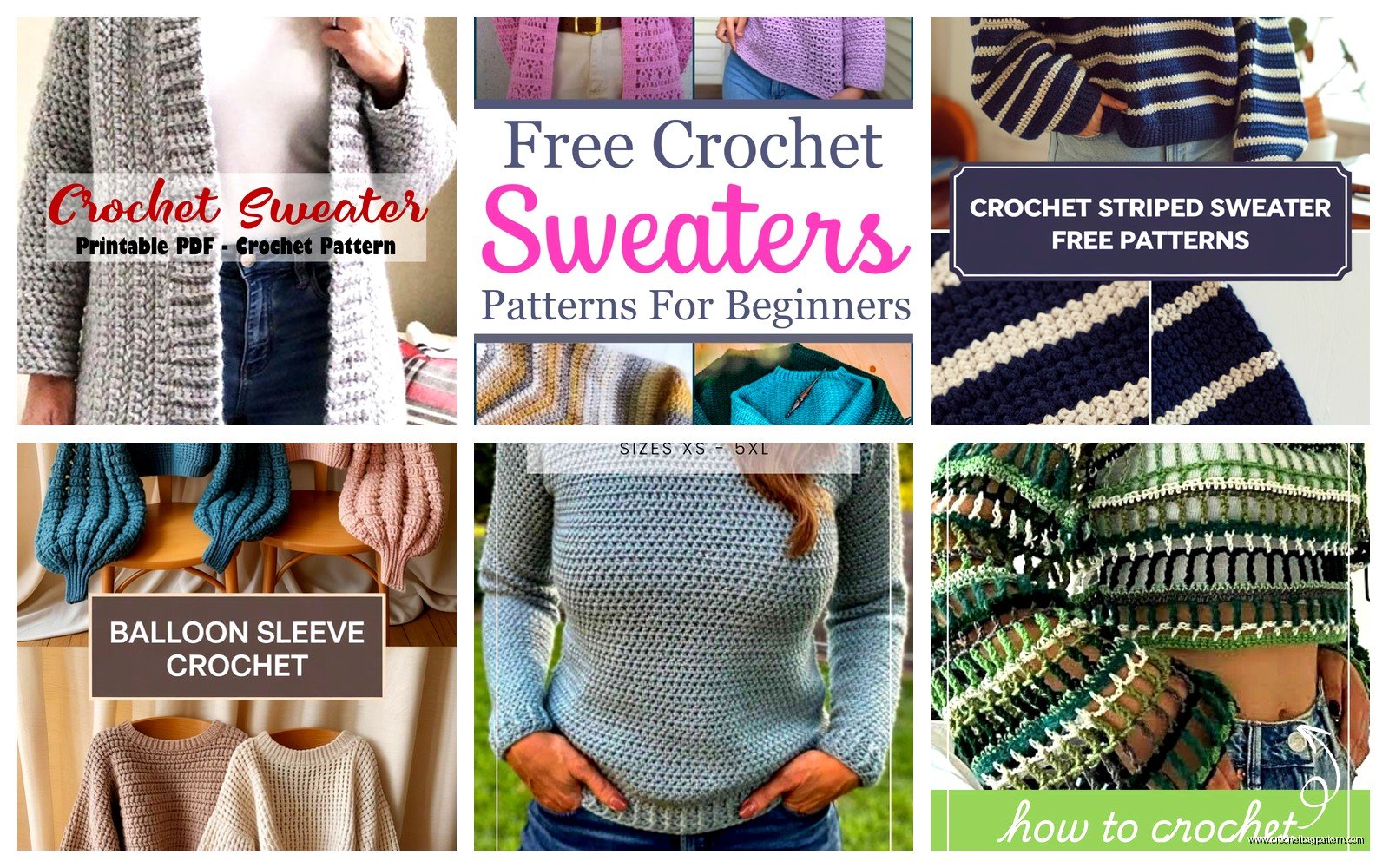
Independent designers on Instagram will sometimes release free patterns to build their following. These can be really trendy and modern but they’re not always well-edited. You might find errors or unclear instructions. There’s usually a hashtag where people post their finished projects and you can see if others had issues.
YouTube designers are putting out free patterns now too. Bella Coco has some good basic sweater tutorials that come with free written patterns. They’re not super fashion-forward but they’re solid construction and good for learning.
The Gauge Swatch Thing Again
I know I mentioned it before but like… you really do have to make one. I wasted so much yarn before I accepted this. Make a swatch that’s at least 6 inches square, bigger is better. Work it in the actual stitch pattern the sweater uses because your gauge in single crochet is different from your gauge in moss stitch or whatever.
Then wash it the way you’re gonna wash the sweater. This is especially important with acrylic yarn because it relaxes and grows when you wash it. I made a whole sweater with Big Twist Value yarn from Joann (it was like $2 a skein on clearance) and after I washed it the first time it grew two inches in length and got all stretched out.
Adapting Patterns For Your Body
Most free patterns are written for pretty standard body proportions but like… not everyone has those. I have broad shoulders and short arms so I always have to adjust. For sleeves, I measure from my shoulder to where I want the cuff to hit, then I work to that measurement instead of what the pattern says. Easy fix.
For body length, same thing. Measure a sweater you like, add or subtract rows as needed. The math gets trickier if you’re doing something with a stitch pattern that has a specific repeat but you can usually add or subtract whole repeats.
Width is harder because you’re dealing with the actual construction. This is where understanding how the pattern is built helps. If it’s worked side to side, you can adjust length by working more or fewer rows. If it’s worked bottom up, you need to calculate different stitch counts which means actually doing math with your gauge.
Sleeves Are The Worst Part
I don’t care what anyone says, sleeves are tedious. You make the body and you’re all excited and then you have to make two entire sleeves which are basically just long tubes with shaping. Some patterns have you pick up stitches around the armhole and work the sleeve down from there, which is better than making separate sleeves and seaming them but it’s still boring.
I started making a lot of sleeveless patterns or vest-style sweaters because honestly, who has time for sleeves. You can layer them over long sleeve shirts anyway. There’s this one pattern for a cropped vest that uses moss stitch and it’s all over Pinterest right now, super simple, no sleeves to worry about.
Yarn Shopping On A Budget
Free patterns are great but then you gotta buy like 1000-2000 yards of yarn which isn’t free. Here’s what works: wait for Michaels or Joann to have their 50% off sales, then stock up. Sign up for their email lists, you’ll get coupons constantly.
Big Twist Value and Paintbox Yarns are cheap but actually decent quality. I’ve made wearable sweaters with both. Red Heart Super Saver gets a bad rap but the newer colors are actually pretty nice and it’s indestructible if you’re making something you’re gonna wash a lot.
If you want nicer yarn, wait for Black Friday sales or check out Webs (yarn.com) clearance section. Sometimes you can get really good deals on discontinued colors. Just make sure you buy enough for your whole project because dye lots matter and if you run out you might not be able to get more of that exact color.
How Much Yarn You Actually Need
Patterns tell you yardage but it’s usually for the smallest size or they underestimate. I always buy at least one extra skein, sometimes two if I’m making a larger size or if I think I might want to make the body longer. You can always use leftover yarn for a hat or something but you can’t finish a sweater if you run out 50 yards short of the end.
Keep your receipt and don’t throw away the ball bands until the project is done. Most craft stores will take back unused skeins if you have the receipt and the ball band. I’ve definitely returned extra skeins to Michaels after finishing projects.
Common Problems And How To Fix Them
Sweater curling at the edges: this happens with single crochet a lot. Add a border of slip stitches or reverse single crochet around all the edges after you finish. Or block it aggressively.
Armholes too tight: this is really hard to fix after the fact. You can try working fewer stitches when you seam them, leaving the seam a bit looser, or honestly just accept it and wear it over thin shirts only. Or frog it and start over with a bigger size, which is what I had to do with that spring 2022 disaster I mentioned earlier.
Sweater twisting or looking wonky: probably a tension issue or you accidentally worked in a spiral without realizing it. Make sure you’re joining rounds properly and not just spiraling endlessly. Also check that you’re not pulling your stitches tighter on one side than the other.
Neckline gaping or too tight: you can add or remove stitches when you work the neckline edging. Most patterns have you work a round of single crochet around the neck, and you can skip stitches if it’s too loose or add extra stitches if it’s too tight. Just keep trying it on as you go.
When To Give Up On A Pattern
Sometimes a pattern just isn’t gonna work and that’s okay. If you’ve frogged the same section three times, maybe it’s the pattern and not you. If the instructions are so unclear that you’re spending more time trying to figure out what the designer meant than actually crocheting, find a different pattern.
I spent like two months trying to make this one pattern work because the finished sweater in the photos looked so good, but the instructions were incomplete and the designer never responded to questions in the Ravelry forum. Eventually I gave up and found a similar pattern from a different designer and made it in three weeks.
Life’s too short to struggle with bad patterns when there are literally thousands of other options out there. This isn’t like… giving up on your dreams or whatever, it’s just being practical about your time and sanity.
