
Apr
Finding the Free Patterns on Yarnspirations
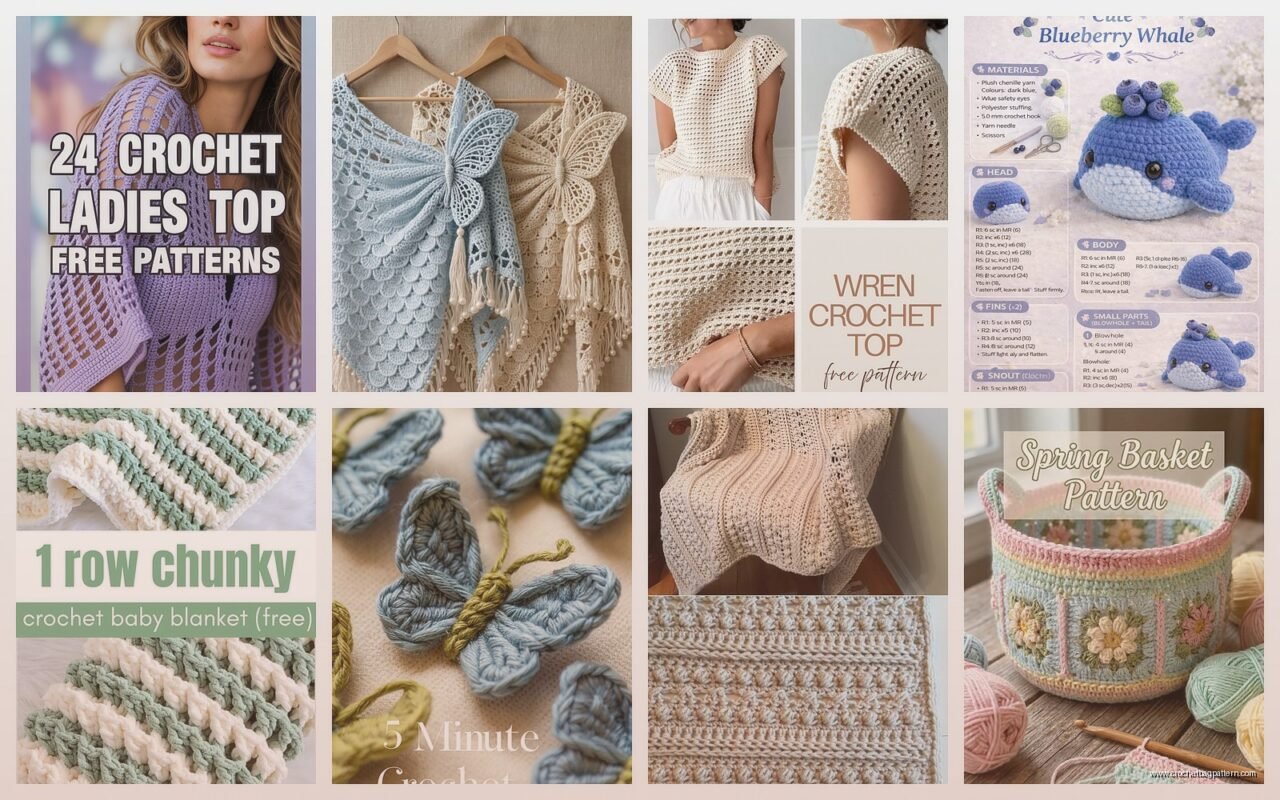
So Yarnspirations has this massive collection of free patterns and honestly it’s kinda overwhelming at first but once you figure out how their site works it’s actually pretty useful. I made this baby blanket back in spring 2022 when my cousin was pregnant and I basically lived on their website for like three weeks trying to find the right pattern.
The main thing is you gotta go to yarnspirations.com and there’s a patterns tab at the top. Click that and then you’ll see filters on the left side – this is where it gets important because without using filters you’re just scrolling through literally thousands of patterns and you’ll lose your mind. I usually filter by craft type first (crochet obviously), then skill level because some of their “easy” patterns are… not that easy if we’re being honest.
The Filter System Actually Matters
You can filter by yarn weight which is super helpful. Like if you’ve already got a stash of worsted weight yarn you don’t wanna be looking at patterns that need bulky or lace weight. The category filters are broken down into stuff like blankets, garments, accessories, home decor, amigurumi – pretty standard stuff.
One thing that annoyed me SO much is that their search function isn’t great for finding specific techniques. Like if you want to search for “granny square blanket” you’ll get results but you’ll also get a bunch of random stuff that just mentions granny squares in the description somewhere. It’s not super precise I guess is what I’m saying.
Downloading and Reading the Patterns
The patterns are all PDF downloads which is fine but you need to make an account to download them. It’s free but still kinda annoying when you just wanna grab a pattern real quick. Once you’re logged in though you can save patterns to your favorites which I actually use a lot now.
Their pattern format is pretty consistent – they always list the materials first with specific yarn recommendations. This is where it gets interesting because Yarnspirations is owned by the same company that makes Bernat, Caron, Patons, Red Heart, and Lily Sugar’n Cream. So like… every pattern is gonna recommend one of those brands specifically.
For that baby blanket I mentioned I used Bernat Baby Blanket yarn in the color Sailor Boy because the pattern called for it and honestly that yarn is really nice for baby stuff. Super soft and it’s chenille so it works up fast with a bigger hook. The pattern was called Sweet Dreams Crochet Blanket or something like that.
Understanding the Yarn Substitutions
Here’s the thing though – you don’t have to use their recommended yarns. I mean the patterns are designed with those specific yarns in mind but as long as you match the weight and get the right gauge you can substitute whatever. I’ve used Hobby Lobby’s I Love This Yarn for patterns that called for Caron Simply Soft and it worked fine.
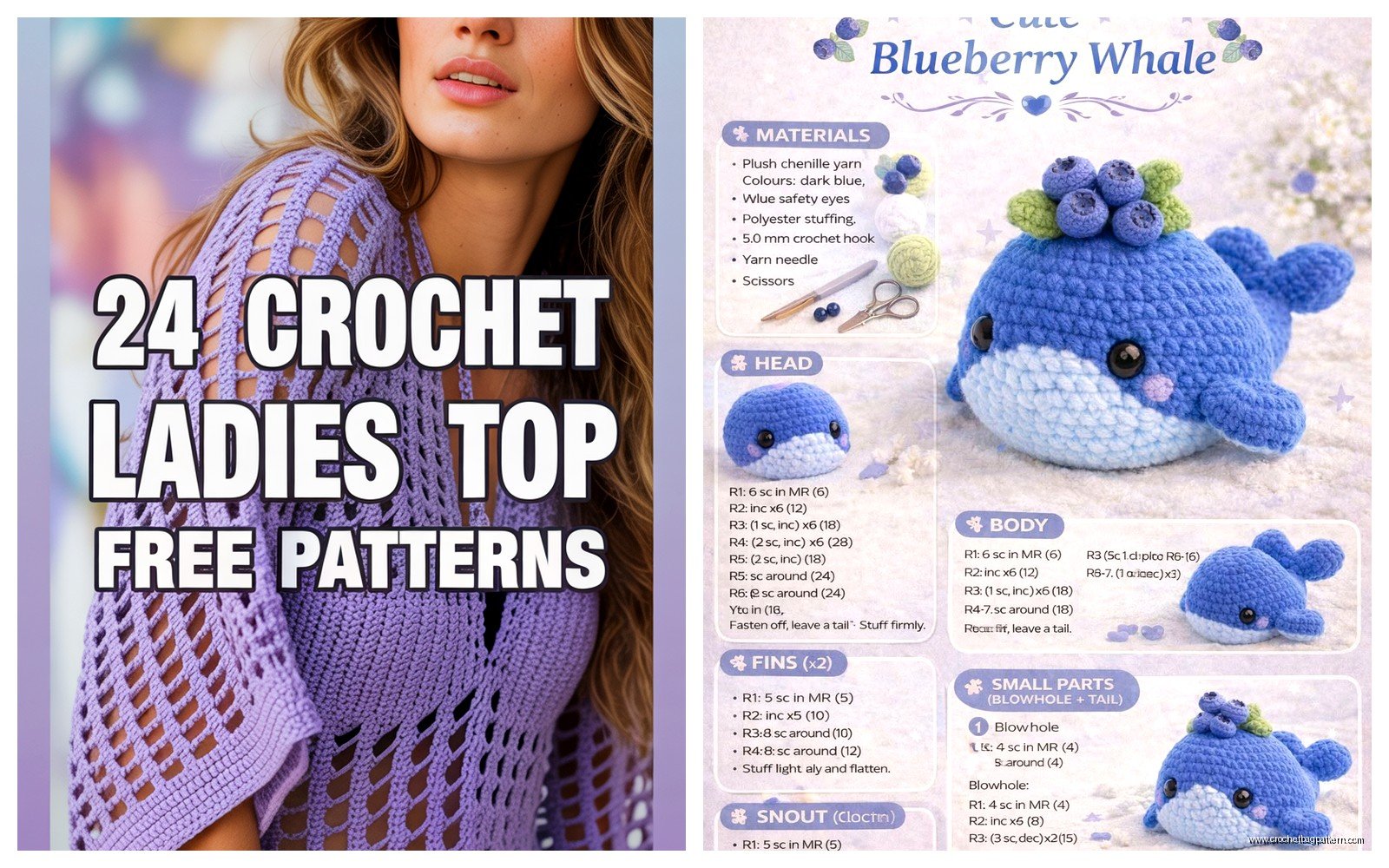
The pattern will tell you the yarn weight, how many yards/meters you need, and what hook size they used. Just match those specs with whatever yarn you want. During summer 2024 I made this market bag pattern and substituted the recommended Lily Sugar’n Cream with some cotton yarn from Paintbox that I got on sale and nobody could tell the difference.
Skill Levels Are Kinda Subjective
They rate patterns as beginner, easy, intermediate, or advanced but take that with a grain of salt. I’ve seen “intermediate” patterns that were basically just single crochet in rows with some color changes – like that’s not really intermediate that’s pretty basic. And then some “easy” patterns involve reading charts or working in rounds with increases and decreases which can trip people up if they’re actually beginners.
My dog was barking at the mailman the entire time I was trying to figure out this one “easy” cardigan pattern and I swear the combination of her losing her mind and me trying to understand the armhole shaping almost made me quit the whole project.
The best approach is to actually read through the whole pattern before you start. I know that sounds obvious but like… you’d be surprised how many times I’ve gotten halfway through something and realized there’s a technique I don’t know how to do.
Video Tutorials Exist But They’re Separate
Yarnspirations has video tutorials for some patterns on their YouTube channel but they’re not linked directly in the PDF patterns which seems like a weird choice. You have to search for them separately. The videos are helpful though especially for garment construction stuff where the written instructions get confusing.
I watched probably four different videos trying to understand how to attach sleeves on this pullover I made and even then I kinda just winged it based on what made sense to me. It turned out fine but the pattern instructions were not clear about whether to seam or crochet them together and the stitch counts seemed off or maybe I just can’t count properly.
The Actual Categories Worth Checking Out
Their blanket section is huge – probably the biggest category. Lots of granny square variations, chevron patterns, textured stitches, graphghans with charts. If you want a blanket pattern you’ll definitely find something. I tend to gravitate toward the ones that use bulky yarn because I don’t have the patience for fingering weight blankets that take six months.
The garment patterns are hit or miss. Some of them are really cute and modern looking, others are very… 2015 craft blog aesthetic if that makes sense. Boxy cardigans with no shaping, oversized cowl necks, that sort of thing. The sizing can be weird too – I made a cardigan that was supposed to be a medium and it fit like an extra large even though I matched the gauge exactly.
Home Decor and Seasonal Stuff
They have a ton of seasonal patterns – like every holiday has dedicated patterns for it. Halloween amigurumi, Christmas stockings, Easter baskets, all that. Some of it’s cute, some of it’s kinda tacky but in an endearing way I guess?
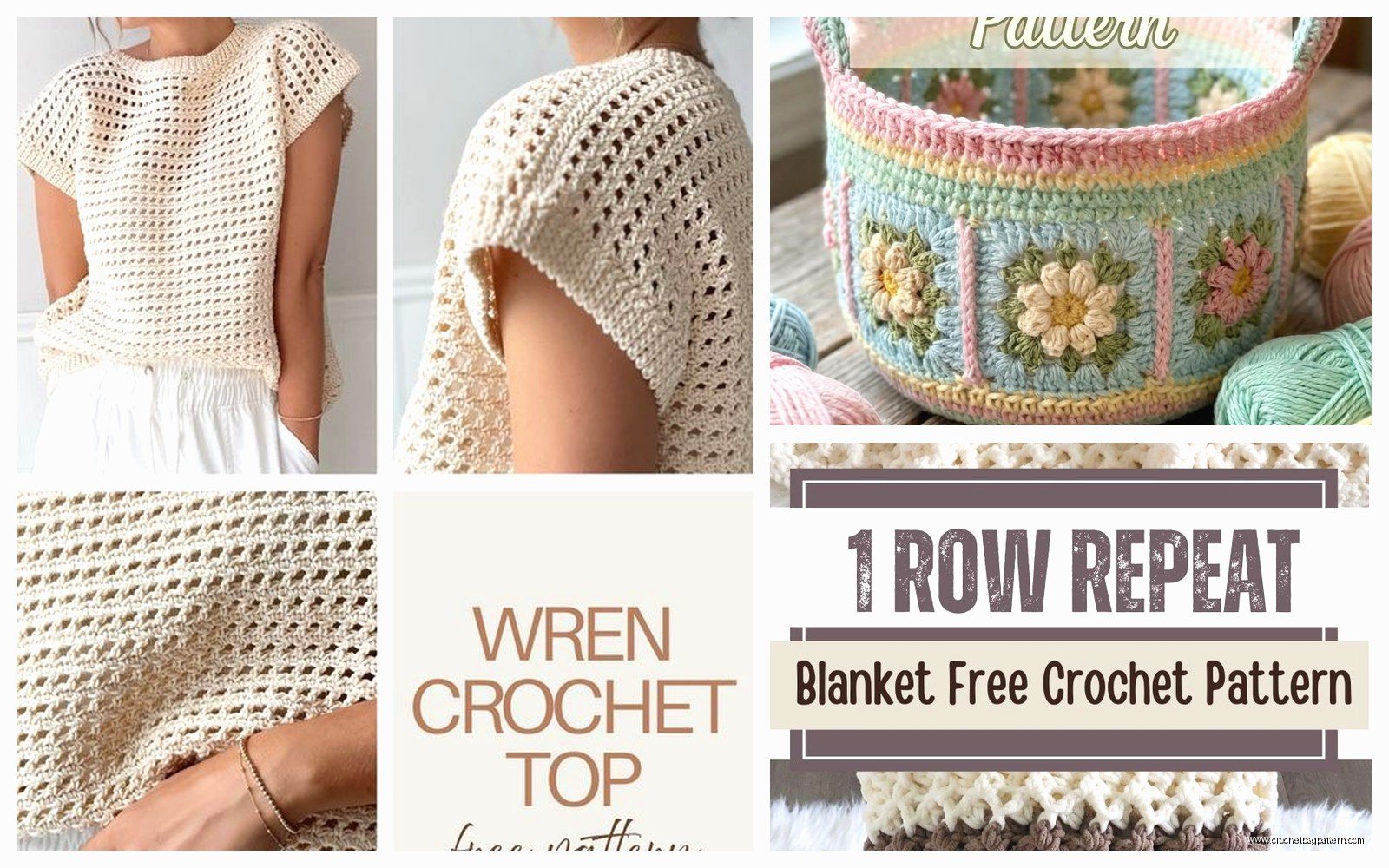
The home decor section has things like pillows, baskets, wall hangings. I made a basket using Bernat Blanket yarn and it’s actually really sturdy and useful. Holds all my smaller yarn balls now. That pattern was straightforward – just worked in continuous rounds with increases to make the base wider.
Gauge and Yarn Amount Issues
Okay so this is important – their yarn amount estimates are usually pretty accurate but not always. I’ve had patterns where I needed like half a skein more than they said and I’ve had others where I had way too much leftover. Part of that is probably my tension being different than whoever designed it but still.
Always buy extra yarn if you can. Especially if it’s a color that might get discontinued or if you’re using something from their older lines. I learned this the hard way with a Caron Cakes project where I ran out and that specific colorway was gone everywhere. Had to finish it with a different color and pretend it was intentional.
The gauge thing is real too – like you really do need to check your gauge for garments at least. For blankets or bags or whatever I usually don’t bother because exact measurements don’t matter as much. But for sweaters and stuff if your gauge is off even a little bit you’re gonna end up with something that doesn’t fit right.
Chart Reading Requirements
Some patterns use charts especially for colorwork or lace stitches. If you’re not comfortable reading charts this might be frustrating because they don’t always include written instructions as an alternative. The charts themselves are usually clear enough with a symbol key but if you’ve never worked from a chart before there’s gonna be a learning curve.
I still prefer written instructions honestly even though I can read charts now. My brain just processes the written stuff easier. But for fair isle type colorwork the charts are actually better because you can see the picture you’re making.
The Community and Ravelry Connection
A lot of these patterns are also on Ravelry which is useful because you can see project photos from other people who made them. This helps you figure out if the pattern has issues or if the sizing runs weird or whatever. Yarnspirations’ own website has a project gallery for some patterns but it’s not as comprehensive as Ravelry.
Reading through other people’s project notes has saved me so many times. Like someone will mention “hey the stitch count is wrong in row 23” or “I had to go up a hook size to get the right drape” and that’s super valuable information.
Printing vs Digital Patterns
I usually print patterns out because I like to mark them up as I go – cross off rows, circle the size I’m making, write notes in the margins. But some of these patterns are like 15 pages long which is a lot of paper and ink. The digital version works fine on a tablet if you have one.
The patterns are formatted pretty well for printing at least. Clear fonts, good spacing, not a ton of unnecessary images taking up space. Some indie designers make patterns that are like 60% photos and it’s just wasteful when you’re printing.
Pattern Organization Tips
If you download a bunch of patterns they all save with these long filenames that include the pattern name and code number. I usually rename them to something shorter that makes sense to me. And I keep them in folders organized by category because otherwise you end up with like 200 PDF files in your downloads folder and you can’t find anything.
I also screenshot or write down which patterns I used which yarn for because six months later I’ll see a finished project and think “wait what yarn did I use for that” and have no idea. Keeping notes is helpful even though it feels unnecessary in the moment.
Free vs Paid Patterns Elsewhere
The nice thing about Yarnspirations being free is you can try patterns without any financial risk. If you start something and hate it you’re only out the yarn cost not the pattern cost too. Independent designers on Etsy or Ravelry usually charge $5-8 for patterns and sometimes their patterns are better written or more creative but sometimes they’re not.
I’ve bought patterns that were way more confusing than Yarnspirations free ones. The quality really varies with indie designers – some are amazing and some clearly didn’t have their pattern tested properly before selling it.
That said, Yarnspirations patterns can feel a bit corporate sometimes? Like they’re designed to sell their yarn brands which makes sense but it means they’re not always the most innovative or unique designs. You’ll see a lot of variations on the same basic concepts.
Mobile App Situation
They don’t have a dedicated app which would actually be useful. You can access the website on your phone but it’s not optimized great for mobile. The filters work okay but scrolling through patterns on a small screen isn’t ideal. I usually browse on my laptop and then download patterns to my tablet for actual crocheting.
There are third party apps that let you store PDF patterns and some have row counters built in which is handy. I use one called something like Pattern Keeper or… actually I forget the exact name but it lets you highlight rows as you complete them.
Troubleshooting Common Pattern Issues
Sometimes the stitch counts are wrong in patterns – just happens sometimes with mass produced free patterns I think. If you’re counting your stitches and it’s not matching what the pattern says, check the project notes on Ravelry or the comments on the Yarnspirations website because someone else probably noticed it too.
Abbreviations can be confusing if you’re used to UK terms and the pattern uses US terms or vice versa. Yarnspirations uses US terminology which means single crochet is the shortest stitch, double crochet is taller, etc. In UK terms those would be different stitches entirely.
The special stitches section at the beginning of patterns is actually important to read. I used to skip it and then get confused when the pattern said “work shell stitch” and I had to scroll back up to figure out what that meant for this specific pattern.
If the pattern says “work even” that just means keep working in the established pattern without increasing or decreasing. Took me longer than I’d like to admit to figure that one out back when I was first learning from written patterns instead of just making stuff up as I went.
