
Apr
okay so stephen west patterns
Right so you’re looking at Stephen West patterns and honestly they’re kinda different from what most crochet people do because he’s actually primarily a knitter? But he has this whole aesthetic that translates really well and I got into his stuff back in spring 2022 when I was basically living on my couch watching The Great British Baking Show on repeat and needed something to do with my hands that wasn’t doomscrolling.
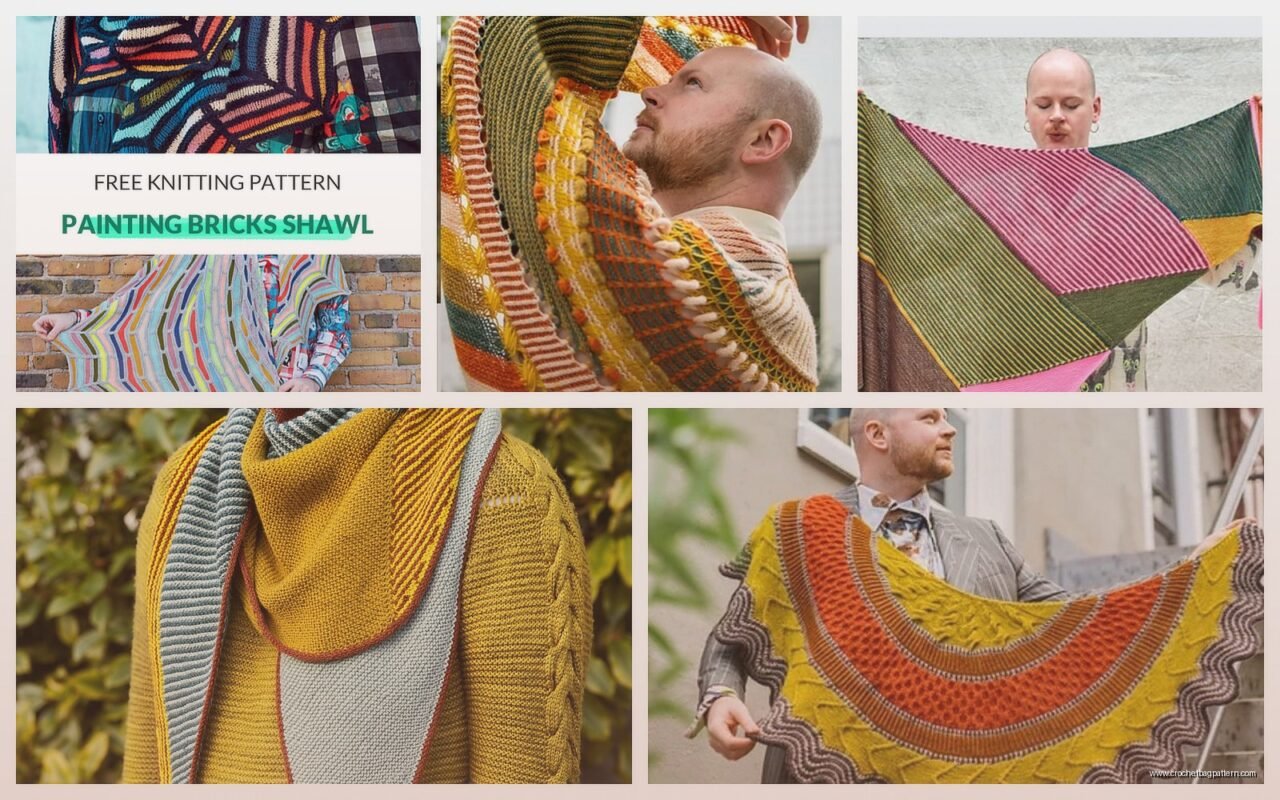
The thing about his patterns is they’re very geometric and color-focused. Like he’s all about these bold stripe combinations and unexpected color placements that shouldn’t work but totally do. His actual crochet pattern collection isn’t huge compared to his knitting stuff but the ones that exist are pretty distinctive.
what you’re actually getting into
So his crochet patterns tend to be shawls, wraps, and blankets mostly. The construction is usually modular or uses interesting stitch combinations that create texture without being super complicated. I made his Exploration Station pattern which is technically a knit pattern but I converted it to crochet because I’m stubborn like that and it was… an experience.
What I learned is that his patterns assume you kinda know what you’re doing. There’s not a ton of hand-holding. He’ll tell you the stitch pattern and the color sequence but you gotta figure out tension and gauge yourself. Which is fine if you’ve made a few things before but might be frustrating if you’re newer to this.
the actual process I went through
Spring 2022 I picked up what I thought would be a quick project. Spoiler: it wasn’t. I used Knit Picks Brava Worsted because it was cheap and I wasn’t sure if I’d even finish the thing. Got like 8 colors because Stephen West designs are ALL about the color shifts. Teal, mustard yellow, this weird dusty purple, coral, navy, cream, and two others I’m forgetting now.
His patterns usually start with a center point or a corner and then you build out from there. The one I made started as a small square and then you pick up stitches along the edges to add strips in different directions. It creates this cool asymmetrical look that’s very… I dunno, modern? Not your grandma’s granny square situation.
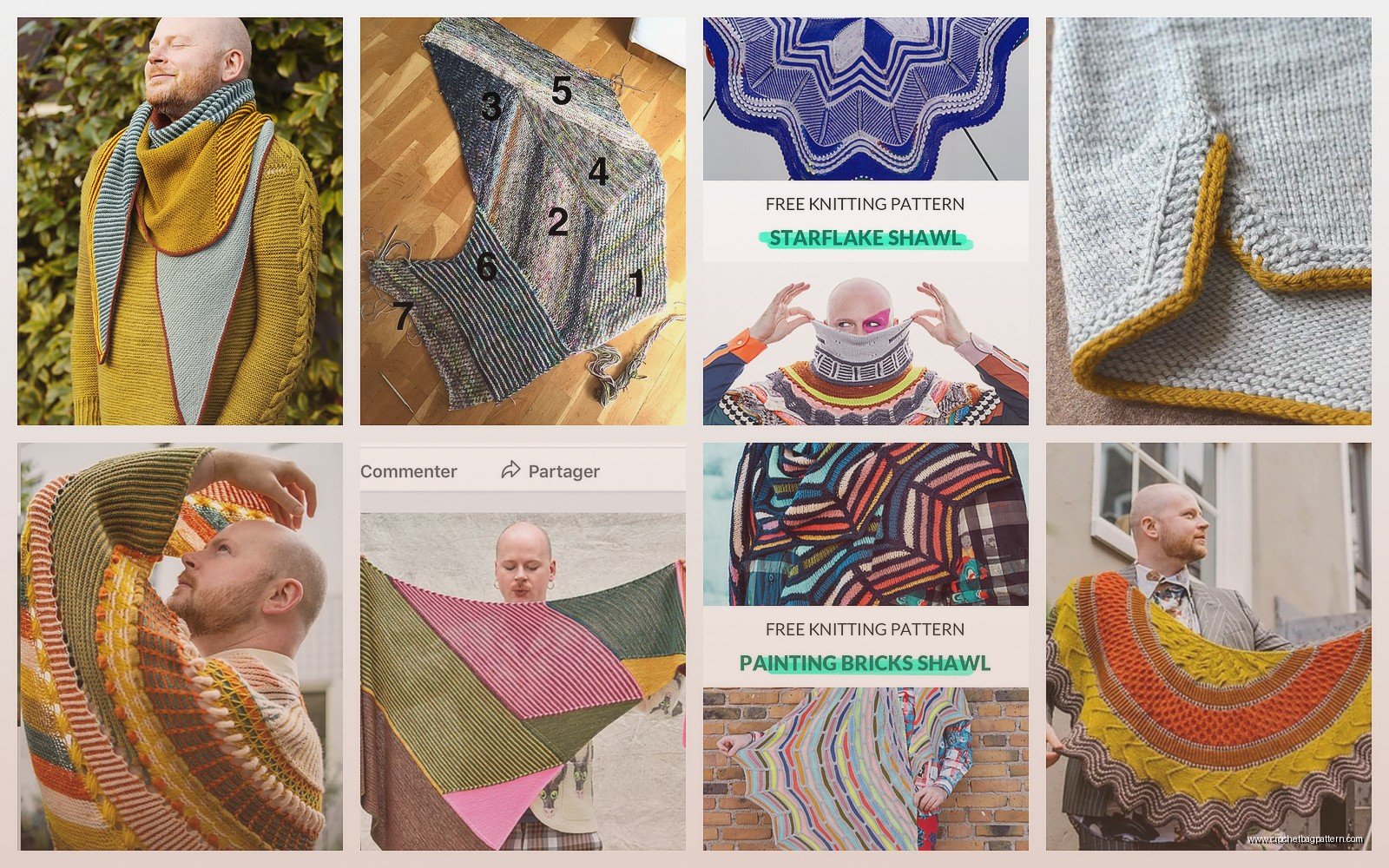
The stitch patterns he uses aren’t that complex usually. Lots of double crochet, half double crochet, some texture stitches thrown in. But the MAGIC is in how he tells you to place the colors. Like you’ll do 4 rows of color A, then 2 rows of color B, then back to A for 6 rows, then introduce color C. It builds up this rhythm that’s really satisfying once you get into it.
yarn choices matter way more than usual
Okay so here’s something I didn’t expect. Because his whole thing is about color interaction, the yarn you pick matters SO much more than with other patterns. I initially tried to use some Red Heart Super Saver I had in my stash and it just looked flat and sad. The colors didn’t pop against each other the way they needed to.
Ended up going with the Knit Picks stuff like I said, but I’ve also seen people use Scheepjes Catona for smaller projects and that looks amazing. Wool of the Andes is another good option if you want something warmer. The key is getting yarns that have good color saturation and a slight sheen helps too.
My cat kept trying to sleep on whatever section I was working on which made the whole thing take longer but also I get it, it was basically a growing blanket situation.
the annoying parts nobody tells you
The thing that REALLY annoyed me was the yarn ends. Oh my god the yarn ends. Because you’re switching colors constantly, you end up with like a million ends to weave in. And Stephen West patterns don’t really address this much. The pattern is just like “change to color B” and you’re left with two ends dangling and by the end of the project you’ve got what looks like a yarn explosion on the wrong side.
I tried weaving them in as I went but honestly I’m not that organized so I ended up with like 60+ ends to deal with at the finish. Took me almost as long to weave in ends as it did to make some of the sections. Super tedious. Would I do it again? Yeah probably but I’d be smarter about the Russian join method or something.
gauge is weird with his stuff
Another thing is that gauge matters but also kinda doesn’t? Like his patterns are often one-size-fits-all shawls or blankets where being exact isn’t critical. But if you’re off significantly you’ll run out of yarn or end up with something way bigger than expected. I didn’t swatch because I never swatch let’s be real, and my finished piece ended up being like 20% larger than the pattern suggested.
Which was fine for a shawl actually it just meant I needed an extra skein of the main color. But it could’ve been annoying if I was trying to match specific dimensions or had budgeted my yarn exactly.
where to find his actual crochet stuff
His patterns are mostly on Ravelry and his own website. The crochet-specific ones are clearly labeled. Some of his popular ones that translate well or are actually written for crochet include things with lots of mosaic elements or geometric shapes. He also does these mystery KALs (knit-alongs) sometimes and occasionally there’s a crochet version or people adapt them.
The patterns aren’t free usually, they’re like $6-8 which is pretty standard for designer patterns. You’re paying for the unique construction and the color guidance which is honestly where the value is. Anyone can write a basic shawl pattern but the way he maps out color placement is what makes it special.
skill level real talk
I’d say you need to be comfortable with basic stitches and reading patterns that aren’t super detailed. If you need lots of pictures and step-by-step guidance for every single row, these might frustrate you. But if you’re okay with figuring some stuff out as you go, they’re actually pretty accessible.
The techniques aren’t advanced. It’s more about following the construction logic and trusting the color process. I’m totally self-taught and figured it out so like, it’s doable. Just maybe don’t make one of his patterns your first-ever project.
color selection is its own skill
This deserves its own section because it’s honestly the hardest part. Stephen West is known for his color sense and when you’re making one of his patterns you’re trying to either follow his suggested colors exactly or adapt them to your own palette. Both are challenging in different ways.
If you follow his exact color suggestions you gotta find yarns that match which can be annoying if he used some indie dyed yarn that’s not available anymore. If you adapt, you need to understand WHY his color choices work. Like he’ll put a warm orange next to a cool teal and it creates this vibration that’s really eye-catching. Or he’ll use a neutral to separate two colors that might clash if they were directly next to each other.
I spent probably three hours in the yarn store just holding different colors next to each other trying to recreate the vibe of his sample. The staff definitely thought I was weird but whatever it mattered for the final result.
the construction techniques he uses
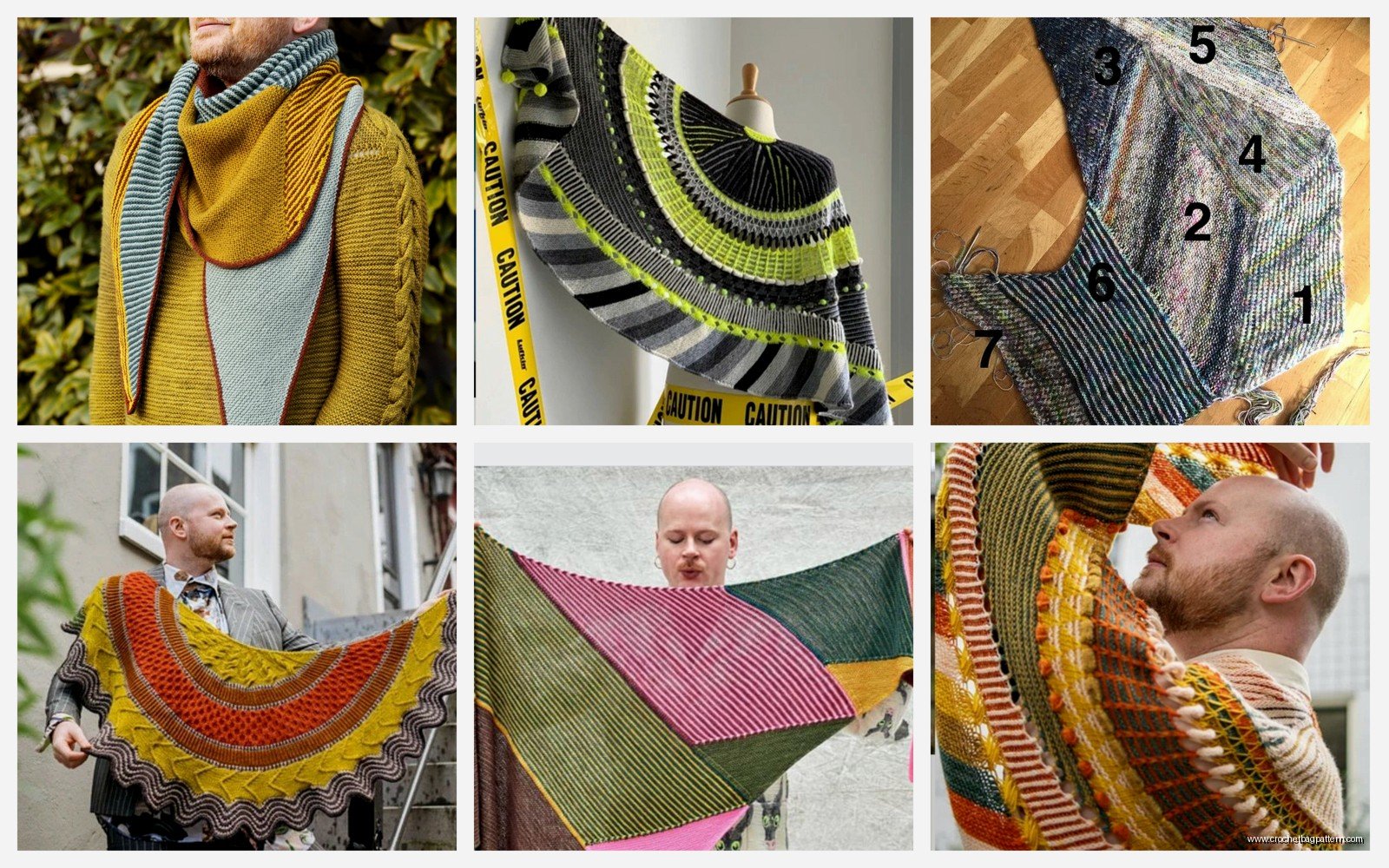
Most of his crochet patterns use modular construction or work from one corner/edge outward. This means you’re not just making a rectangle row by row. You might make a triangle, then pick up stitches along one edge to make a rectangle section, then pick up along another edge for a different triangle.
It sounds complicated but it’s actually pretty intuitive once you start. The benefit is you can try it on as you go and see how the shape is developing. With a shawl especially this is great because you can see if it’s gonna drape the way you want.
He also uses a lot of slip stitch details and texture variations. Like you’ll do several rows of hdc, then a row where you’re working into the back loop only, then back to regular stitches. These little changes create ridges and texture that break up the color blocks in interesting ways.
adapting his knit patterns to crochet
Okay so this is where I maybe went off the rails but several of his knit patterns can be adapted to crochet if you’re willing to do some math and experimentation. The Exploration Station one I mentioned earlier is a knit pattern but the concept is just strips of different widths in different colors arranged in a specific way.
I basically looked at the finished object photos, figured out the proportions, and recreated it in crochet using half double crochet for most of it. Worked pretty well honestly. The texture is different obviously—crochet is thicker and less drapey than knit—but the color impact was still there.
If you’re gonna do this you need to be comfortable with substituting stitch patterns and figuring out your own construction. But it opens up way more of his designs for crochet people. His Leftie pattern could totally be done in crochet. Same with Vertices Unite which is just a bunch of triangles sewn together basically.
yarn amounts are tricky
One thing that’s annoying is yarn estimation. His patterns will say like “200 yards of MC and 50 yards each of 6 contrast colors” but if your gauge is different or you make modifications you can easily run short. And because you’re using specific colors running out halfway through means trying to match a dye lot which is a nightmare.
I always buy an extra skein of the main color now and at least one extra of the contrast colors if I can afford it. You can always use leftovers for other projects but running out when you’re 90% done is the worst feeling. Learned that the hard way on my first attempt when I ran out of the navy blue with like 10 rows left and had to wait a week for shipping.
the social media aspect
Stephen West has a pretty active Instagram and there’s a whole community of people making his patterns. Hashtags like #stephenwest and #westknitscrochet (even though most of it is knitting) show tons of finished projects. This is actually super helpful because you can see how different color combinations look in real life.
I spent way too much time scrolling through project photos before I even bought a pattern. It helped me understand what was possible and what colors worked well together. Also you can see common modifications people make or problems they ran into.
The community is pretty supportive too if you post your own progress. People will give color advice or help troubleshoot if you’re stuck on a construction element. Very different from some craft communities that can be kinda judge-y about technique or whatever.
is it worth the hype
I mean yeah kinda? If you like modern looking colorful pieces that don’t look like typical crochet projects, his patterns are great. They’re recognizable too—like people who know fiber arts will see you wearing one of his designs and know what it is. That might matter to you or it might not.
The patterns aren’t revolutionary in terms of technique but the color guidance and construction methods are solid. You’re definitely paying for his design sense and the way he’s figured out interesting ways to combine simple elements.
For me it was worth it because I learned a lot about color theory and modular construction that I’ve used in other projects since. Even if you only make one Stephen West pattern, the skills transfer. You start seeing color combinations differently and thinking about construction in a more flexible way instead of just working rows back and forth.
The finished piece from spring 2022 is still one of my favorite things I’ve made even though it took forever and those yarn ends almost broke me. I wear it constantly in fall and get compliments pretty regularly. So like, the effort paid off even if there were frustrating moments during the process.
practical tips if you’re gonna try one
Buy more yarn than you think you need especially of the main color. Get good quality yarn that shows color well—this isn’t the project for cheap acrylic unless you’re just testing the pattern. Take photos as you go because the color progression is cool to document and also helpful if you need to ask for help.
Weave in ends as you go or at least every few color changes. Don’t be like me and leave them all for the end. Use stitch markers if the pattern suggests it because the construction can get confusing. Join a Ravelry group or follow the hashtags so you can see other people’s versions and get inspired or troubleshoot.
Don’t stress too much about perfection. His aesthetic is kinda loose and organic anyway so minor tension variations or slight wonkiness in shaping usually just adds to the handmade charm. The color is doing most of the work so even if your stitches aren’t perfect the overall effect will still be striking.
And maybe don’t start with his most complex pattern right away. Try something smaller like a cowl or a baby blanket before committing to a giant shawl that’ll take 40 hours. You wanna make sure you vibe with his pattern writing style and the whole color-switching situation before you’re in too deep.
