
Apr
Just Pick Your Yarn and Chain a Bunch
So I made this basic blanket back in spring 2022 when I was stuck at home with a sprained ankle and honestly it saved me from going completely insane watching the same Netflix shows on repeat. The pattern is stupidly simple but you gotta actually commit to finishing it which is harder than it sounds.
First thing is yarn. I used Red Heart Super Saver because it was like $4 a skein at Walmart and I needed probably 8 skeins for a decent lap blanket size. The color was called “Medium Grey Heather” which sounds fancier than it looked but whatever. Some people say acrylic yarn is scratchy or cheap-feeling but honestly after you wash it a few times it gets softer and also it’s a BLANKET not a wedding dress so I don’t really care if yarn snobs judge me for it.
You could also use Bernat Blanket yarn which is that super chunky stuff that works up faster but it’s more expensive and also it’s SO thick that if you mess up a stitch you can see it from across the room. Lion Brand Wool-Ease is another option if you want something that feels a bit nicer but still doesn’t cost a million dollars. I’ve used all three at different points and they all work fine.
The Actual Pattern Part
Okay so the most basic blanket is literally just rows of single crochet back and forth. That’s it. You chain like 150 stitches to start or however wide you want your blanket and then you just single crochet into each chain and turn and do another row and keep going until it’s long enough. I’m not even kidding that’s the whole pattern.
The chain at the beginning is gonna take forever and your hands will cramp up and this was the most annoying part for me honestly. Like I’d lose count around stitch 87 and have to start over or I’d just guess and end up with uneven edges later. My cat kept trying to attack the yarn ball while I was chaining which didn’t help. Pro tip is to use a stitch marker every 20 chains or something so you can count in chunks instead of trying to remember if you’re at 104 or 114.
Hook Size Matters But Also Doesn’t
For Red Heart Super Saver I used a 5.5mm hook which is like an I/9 in US sizes. The yarn label will tell you what hook size to use but you can go up or down depending on if you want a tighter or looser fabric. Tighter means warmer and heavier, looser means more drape and it works up faster but you can see through it a bit.
I tried making one section with a 6.5mm hook just to see the difference and yeah it was faster but looked kinda holey so I frogged it and started over. Frogging is when you rip out your work which you’ll probably do at least once because you’ll notice three rows later that you accidentally skipped a stitch somewhere.
The Actual Process of Making Rows
So after your foundation chain you’re gonna single crochet across. Insert hook in second chain from hook, yarn over, pull through, yarn over, pull through both loops. That’s one single crochet. Do that like 149 more times if you chained 150.
At the end of the row you chain one and turn your work. The chain one doesn’t count as a stitch which is important to remember. Then you single crochet into the first stitch of the previous row and work your way back across. The edges can get wonky if you’re not careful about working into that very first and very last stitch of each row.
One thing I learned the hard way is that your tension changes when you’re tired or watching something intense on TV. I was watching Severance while crocheting and during the scary parts my stitches got way tighter without me realizing and then I had this weird puckered section in the middle of my blanket that looked stupid. Had to rip out like 15 rows which was soul-crushing.
Counting Stitches Will Save Your Life
Every few rows count your stitches to make sure you still have the same number. It’s boring and tedious but otherwise you’ll end up with a blanket that’s wider at one end than the other. I usually counted every 5 rows at first and then got lazy and only counted every 10 rows and surprise surprise the blanket started looking trapezoid-shaped.
If you find you’ve lost a stitch somewhere you can fudge it by doing two single crochets in one stitch to get back to the right count. If you have too many stitches you can skip one. This isn’t like structural engineering, nobody’s gonna inspect your blanket with calipers or whatever.
How Long This Actually Takes
I’m gonna be real with you it takes forever. I worked on mine for like 3 weeks doing maybe an hour or two most evenings and ended up with something roughly 40 inches by 50 inches. If you’re a faster crocheter or have more free time obviously it’ll go quicker but don’t expect to finish this in a weekend unless you’re making a baby blanket.
The repetitive nature is either meditative or mind-numbing depending on your mood. Sometimes I’d put on a podcast and just zone out and make good progress. Other times I’d get bored after 20 minutes and abandon it for three days. The key is to just pick it back up and keep going even when it feels like you’re never gonna finish.
Stripe Variations If You Get Bored
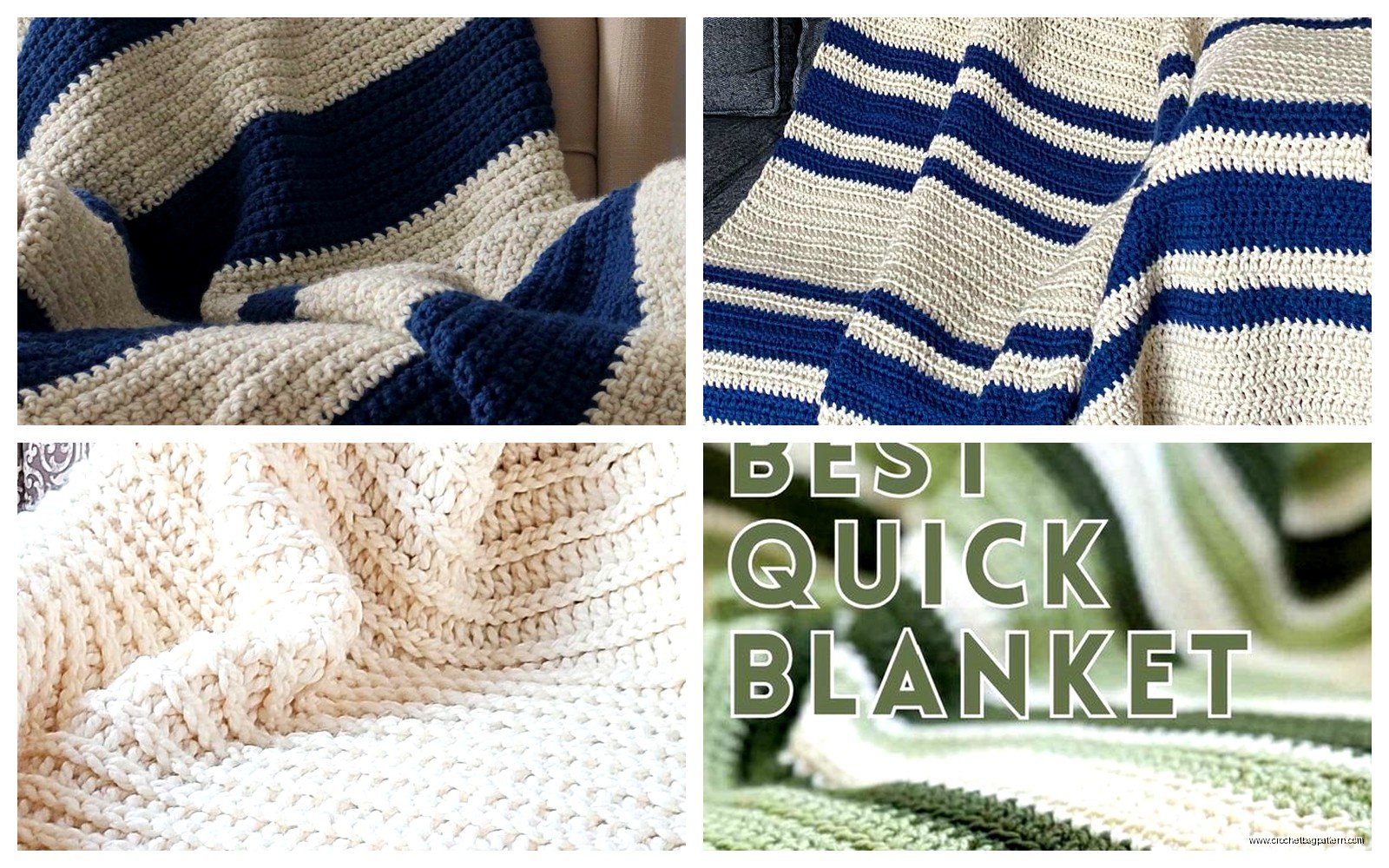
If solid color makes you want to scream you can do stripes. Just crochet like 10 rows in one color, then switch to a new color for another 10 rows, and keep alternating. When you change colors you basically just drop the old yarn and start the new row with the new color. You can carry the old yarn up the side or cut it and weave in ends later.
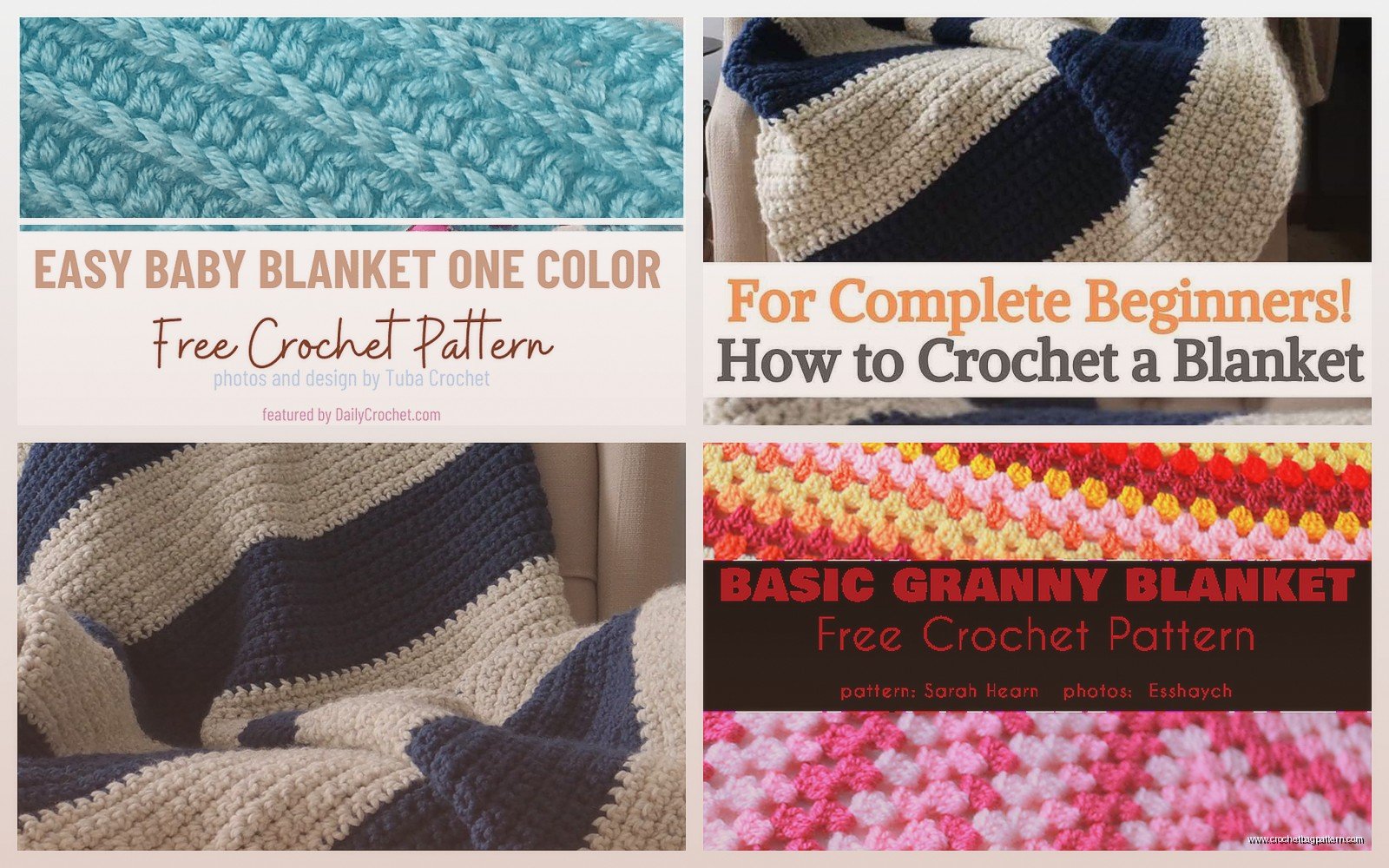
I did a striped one using Caron Simply Soft in like four different colors after my solid grey blanket and it was more interesting to work on but also you have a million ends to weave in at the finish which is its own special kind of torture. The colors were Persimmon, Autumn Red, Pumpkin, and Bone I think? Or maybe one was called Harvest or something I don’t totally remember.
You could also do random color changes whenever you feel like it for a scrappy look. Just use up whatever yarn you have lying around and switch colors whenever a skein runs out.
Tension and Hand Pain
Your hands are probably gonna hurt especially at first. Take breaks. Stretch your fingers. Don’t try to power through and finish a whole blanket in one sitting because you’ll regret it the next day when you can barely hold a coffee mug.
Everyone holds their hook and yarn differently and there’s no one right way despite what YouTube tutorials might suggest. I hold my hook like a pencil and wrap the yarn around my left pinky and over my index finger. Some people hold the hook like a knife. Whatever works for you is fine as long as you’re not death-gripping everything.
If your stitches are super tight and hard to work into you’re probably tensioning too hard. If they’re so loose the blanket looks like a fishing net you need to tension more. It takes practice to find the middle ground.
Fixing Mistakes Without Starting Over
When you spot a mistake you have options. Small mistake a few stitches back? Just carefully rip out those stitches and redo them. Mistake 20 rows ago that you just noticed? Honestly consider just leaving it. Nobody else will notice and you’ll forget about it once the blanket is done.
I had this one section where I accidentally did half double crochet instead of single crochet for like 6 stitches because I wasn’t paying attention and I just… left it. You literally cannot tell unless you’re specifically looking for it. Perfectionism is the enemy of actually finishing projects.
Finishing the Thing
When your blanket is long enough just fasten off. Cut the yarn leaving like a 6 inch tail, pull it through the last loop, done. Then you gotta weave in all your ends using a yarn needle which is annoying but necessary unless you want your blanket to unravel.
Thread the tail onto the yarn needle and weave it through the back of stitches for a few inches in one direction then double back in another direction. This locks it in. Trim the excess. Do this for every single yarn tail which if you did stripes is gonna be like 30+ ends and you’ll want to quit halfway through but don’t.
Some people add a border to make it look more finished. I did a simple single crochet border around all four edges which helps even out any wonkiness. You just single crochet along the sides working into the ends of rows which is a little awkward but you figure it out. In the corners do three single crochets in the same stitch so it lays flat.
Washing and Blocking
Throw that thing in the washing machine on gentle cycle with cold water and regular detergent. Tumble dry low. This is the magic step where acrylic yarn gets softer and the whole blanket evens out and looks more cohesive. The first time I washed mine I was nervous it would fall apart or shrink or something but it was totally fine.
You can block it before washing if you want by pinning it out to the right dimensions and spraying it with water but honestly for a basic blanket I don’t think it’s necessary. Blocking is more for fancy lace doilies and stuff where the pattern needs to be visible.
What I’d Do Different Next Time
I’d probably use a slightly bigger hook to make it work up faster even if the fabric is a bit looser. The grey blanket took SO LONG and I got bored of it multiple times. A 6mm hook instead of 5.5mm would’ve saved me probably a week of work.
Also I’d count stitches more consistently because fixing the trapezoid shape issue was annoying. And maybe I’d pick a more interesting color? Grey is fine but it’s not exactly exciting to look at for 20+ hours of crocheting.
One more thing is I wish I’d joined a crochet group or something for accountability because there were definitely stretches where the blanket sat untouched for days and I lost momentum. Having people to share progress with might’ve helped me stay motivated.
Yarn Amount Math
For a lap blanket around 40×50 inches I used about 1800 yards of worsted weight yarn which was roughly 8 skeins of Red Heart Super Saver. For a bigger throw blanket like 50×60 inches you’d need maybe 2500-3000 yards. Baby blankets obviously need less, maybe 1000 yards for a 30×30 inch size.
Buy an extra skein beyond what you think you need because running out of yarn when you’re 90% done is the worst and you might not be able to find the same dye lot later. I learned this lesson making a different project and it sucked.
You can use an online calculator to estimate yardage based on your gauge and dimensions but honestly I just buy a bunch of yarn and return what I don’t use or save it for another project. Math is hard and I’d rather have too much than too little.
Alternatives to Single Crochet
If single crochet is too boring you can do half double crochet which is slightly taller and works up a bit faster. Or double crochet which is even faster but makes a less dense fabric. I haven’t tried a whole blanket in double crochet because I feel like it’d be too holey but people do it.
There’s also the moss stitch which alternates single crochet and chain one across the row and it creates a nice texture. Or the linen stitch which is similar. These are still beginner-friendly but look fancier than plain single crochet rows.
Granny square blankets are another option where you make a bunch of squares and sew them together but that’s a different process entirely and honestly joining squares is tedious so I’ve only done that once and probably won’t again unless I feel like torturing myself.
The basic concept is the same though: pick a simple stitch, make a rectangle, finish it. You can’t really mess it up too badly and even if it’s not perfect it’ll still be a functional blanket at the end and that’s what matters I guess.
