
Apr
Starting With The Simplest Pattern That Actually Works
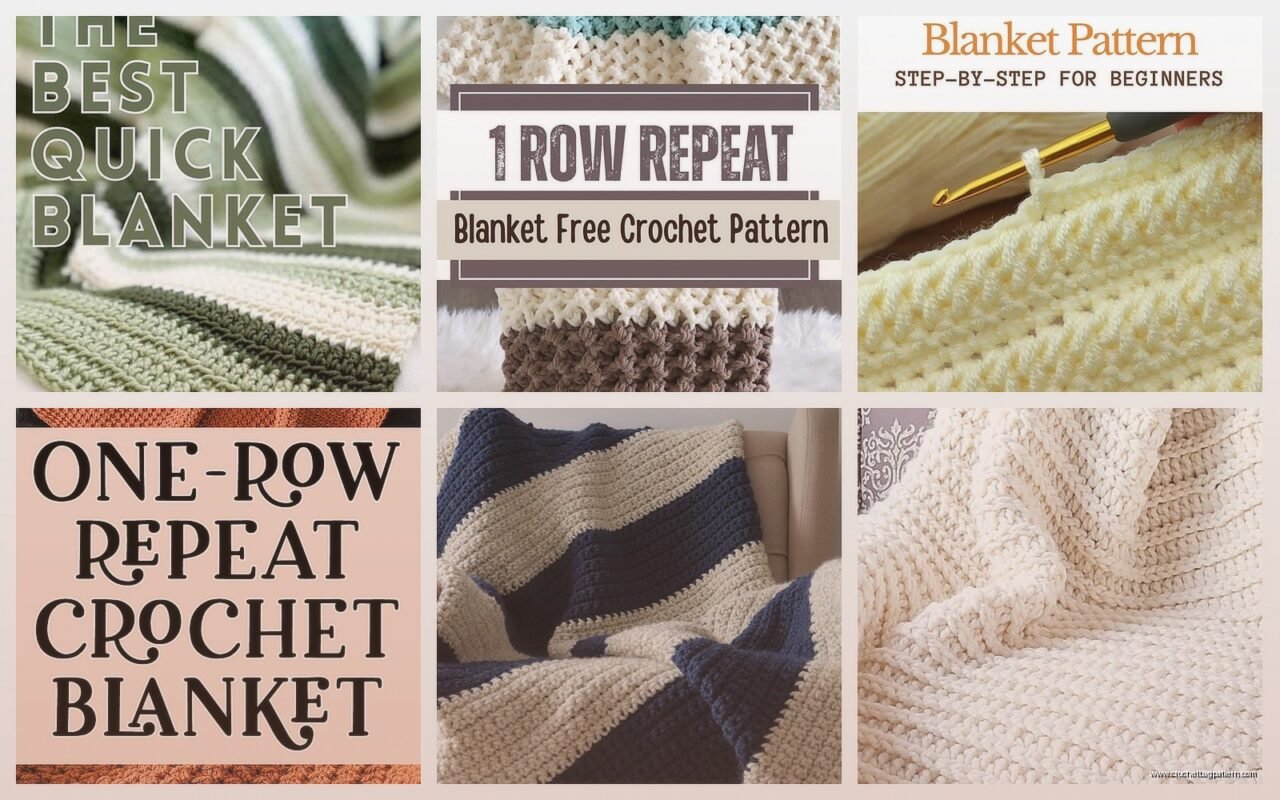
So the first blanket I made was back in spring 2022 when I was basically living on my couch and needed something to do with my hands while binge-watching that show Severance. I picked the absolute easiest pattern which is basically just single crochet rows back and forth until you have a rectangle big enough to cover yourself.
You need a J hook or K hook depending on how loose you crochet naturally. I used a K because my tension was super tight back then from gripping the hook weird. Get like 6 or 7 skeins of Bernat Blanket yarn in whatever color doesn’t make you want to throw it across the room after staring at it for 20 hours. The Bernat stuff is chunky chenille and it works up fast which is the whole point when you’re starting out.
The Chain Stitch Foundation Thing
Chain like 80 stitches for a lap blanket size. Don’t count them obsessively just get close enough. If you end up with 76 or 84 nobody’s gonna measure your blanket with a ruler. The chain needs to be loose or your whole edge will pucker and look stupid.
First row you skip the first chain from your hook then single crochet into each chain across. This took me like an hour for that first row because I kept losing track of which loop to go into. Just aim for the bump on the back of the chain or go under two loops whatever makes sense to your brain.
The Actual Repetitive Part
After that first row you chain 1 and turn your work around. Single crochet in each stitch across. Chain 1 turn. Single crochet across. Chain 1 turn. You’re gonna do this like 200 times or until the blanket is long enough.
I know that sounds boring and it is boring but that’s also why it works for beginners because you’re literally doing the same stitch over and over until muscle memory kicks in and you can do it while watching TV or listening to podcasts or whatever.
The thing that annoyed me SO MUCH about this process was that the Bernat Blanket yarn sheds these little fibers everywhere and my cat kept trying to eat them off the floor. Also the chenille texture means if you mess up and need to rip back a few rows the yarn gets all stretched out and fuzzy looking in a bad way.
Granny Square Blanket For When You Want Squares
Summer 2024 I made one of those classic granny square blankets because I wanted something more colorful and I was sick of just rows. Granny squares are actually easier than they look once you get the pattern in your head.
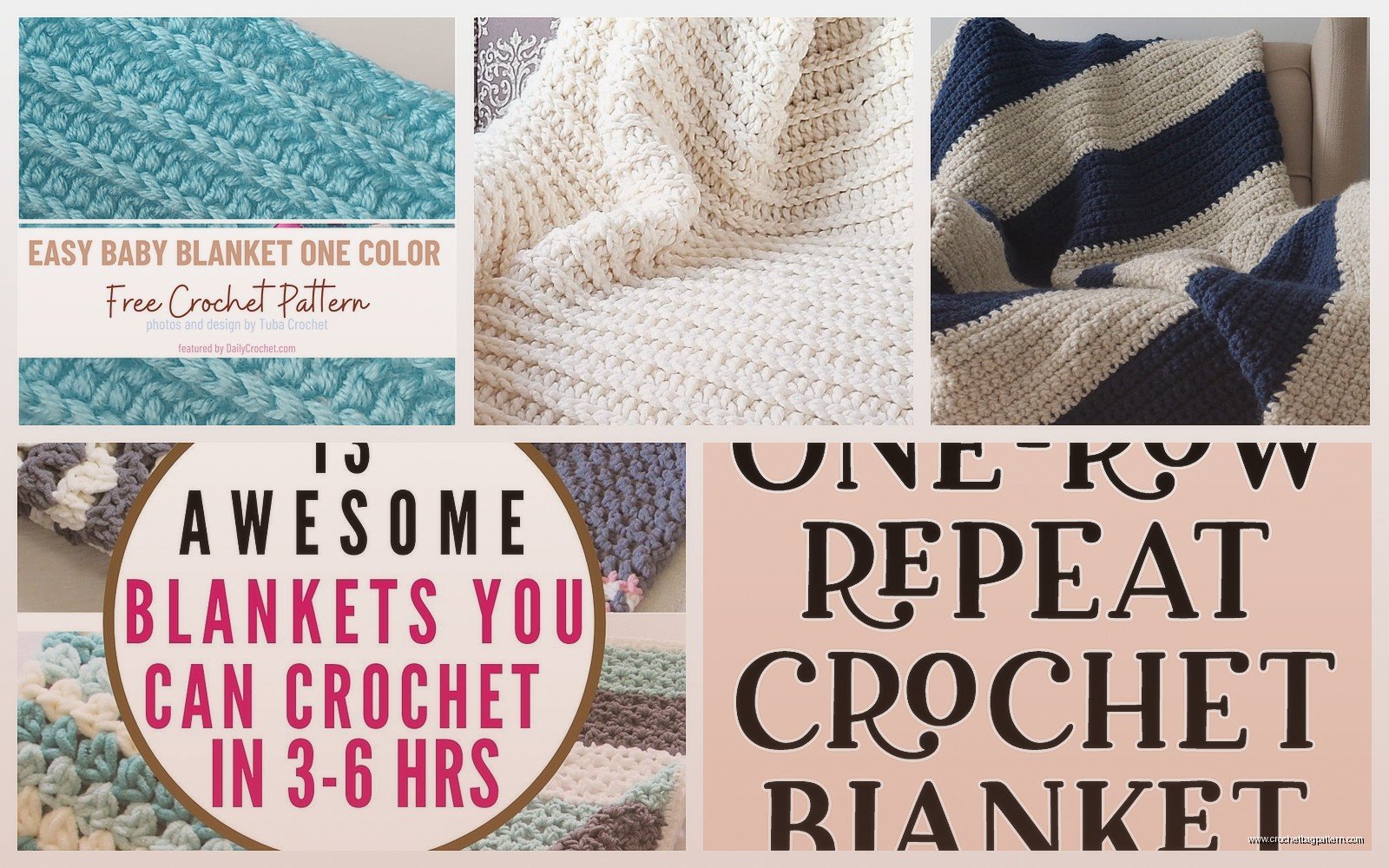
You start with a magic ring or just chain 4 and connect it into a circle. Then you do rounds of double crochet clusters with chain spaces between them. Each round you’re basically making little groups of 3 double crochets with 2 chains in between and in the corners you do 3dc 2chain 3dc.
I used Red Heart Super Saver for this one because I needed like 15 different colors and that yarn is cheap. Got the colors Bright Yellow, Turqua (the teal one), Perfect Pink, and a bunch of others I don’t remember. Made like 48 squares that were each about 6 inches across.
Joining The Squares Without Losing Your Mind
Joining granny squares is where people usually quit the project and shove it in a closet for three years. I used the join-as-you-go method where you connect each square to the previous one during the last round instead of sewing them all together at the end.
Basically when you’re doing the last round of a square you work three sides normal but on the fourth side when you get to a corner you do 3dc then 1 chain then slip stitch into the corner of the adjacent square then 1 more chain then 3dc in your current square. Continue attaching along that whole edge by slip stitching into the chain spaces of the other square.
This sounds confusing written out but once you do it twice you’ll get it. Way better than trying to whipstitch 48 squares together with a yarn needle which is actual torture.
The Striped V-Stitch Blanket
V-stitch is just double crochet double crochet in the same stitch with a chain space between them. Makes a nice textured pattern that’s still simple. You chain an even number like 120 or whatever width you want.
Row 1 you do 1dc in the 4th chain from hook then chain 1 and another dc in that same chain. Skip 2 chains then do dc chain1 dc in the next chain. Keep going with that pattern across.
Row 2 you chain 3 turn and then do your v-stitches into the chain-1 spaces from the previous row. That’s the whole pattern you just keep doing v-stitches into the spaces.
I made this one using Lion Brand Wool-Ease in like 4 different colors and switched colors every 3 rows to make stripes. Wool-Ease is acrylic and wool blend so it’s warmer than straight acrylic but still machine washable which matters if you’re actually gonna use the blanket instead of just looking at it.
Changing Colors Without Knots
When you want to change colors don’t tie knots just work the last stitch of the old color until you have 2 loops on your hook then pull through with the new color. Leave like 6 inch tails and weave them in later with a needle.
Some people cut the old color and carry it up the side but I always cut it because carrying colors up looks messy to me and also I can never remember which side I’m supposed to— anyway just cut it and deal with more ends to weave in.
Corner To Corner Blanket Pattern
C2C blankets work up in a diagonal way that’s kinda satisfying. You start in one corner and increase on every row until you hit your max width then you start decreasing until you reach the opposite corner.
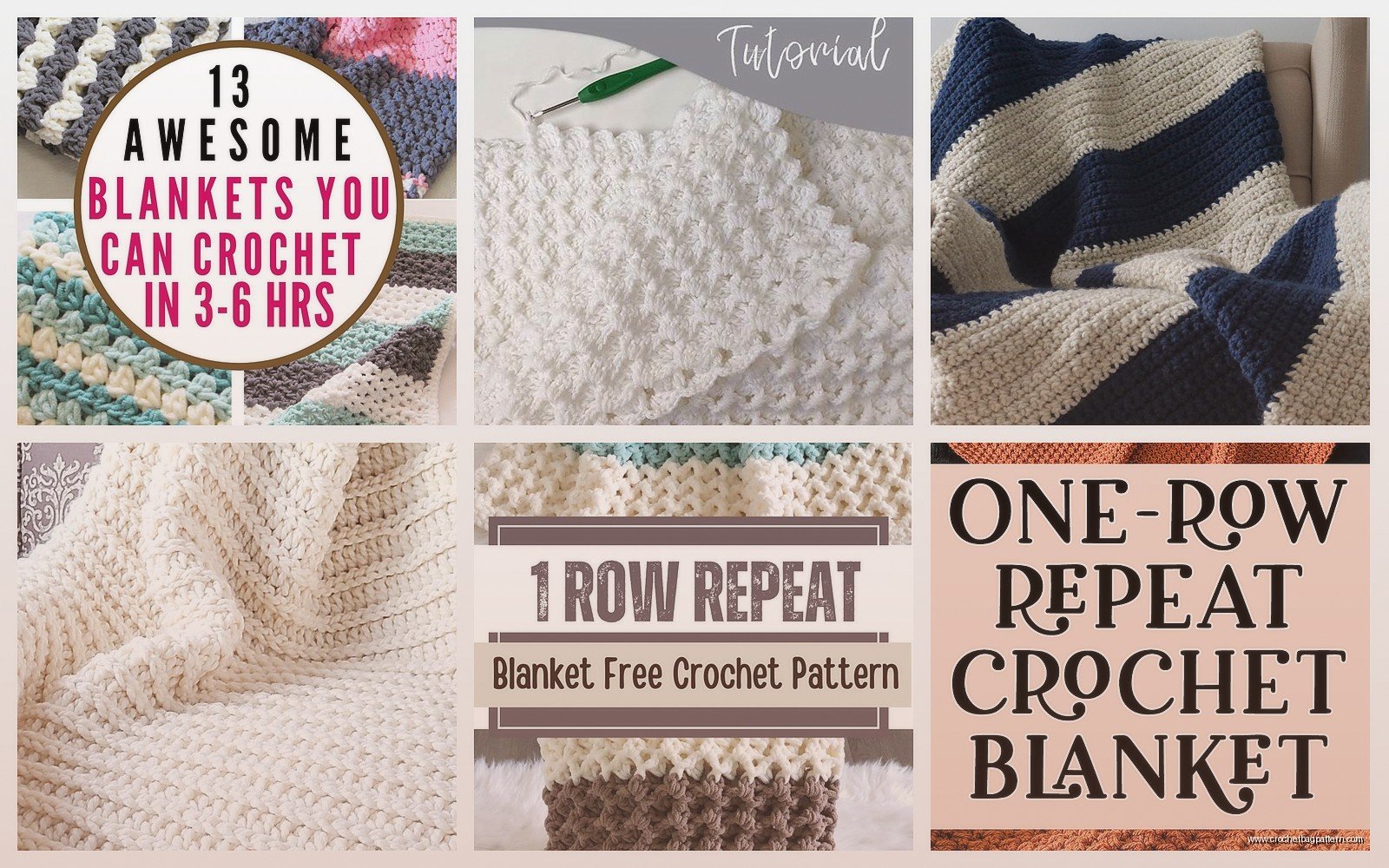
The stitch is basically little blocks of 3 double crochets. First block you chain 6 then 3dc in the 4th chain from hook. That’s your first block.
Next row you chain 6 turn slip stitch into the chain space of the previous block then 3dc in that same space. Chain 3 then 3dc in the starting chain space. Now you have 2 blocks.
Keep increasing by one block each row until the diagonal measurement is as wide as you want your blanket. Then you start decreasing by slip stitching to the next block instead of chaining 6 at the start of the row.
I made a small C2C baby blanket using Caron Simply Soft which is nice and drapey but honestly I found the whole diagonal thing annoying because you can’t really see how big it’s getting until you’re like halfway through. Also the chain spaces can look gappy if your tension is inconsistent.
Actual Practical Stuff About Yarn Amounts
For a throw blanket that’s like 40×60 inches you need roughly 1200-1500 yards of worsted weight yarn. Chunky yarn like Bernat Blanket you need less yardage maybe 600-800 yards because it works up bigger.
Buy an extra skein beyond what the pattern says because dye lots exist and if you run out halfway through you might not find the exact same color again. I learned this the hard way with a grey blanket where I had to use a slightly different grey for the last 15 rows and you can totally see the difference.
Hook Sizes Actually Matter
The yarn label tells you a recommended hook size but you might need to go up or down depending on your tension. If your fabric is coming out stiff and hard go up a hook size. If it’s too loose and floppy go down.
For blankets I usually go up one hook size from what’s recommended because I want a softer drape not a stiff rectangle. Like if the yarn says H hook I’ll use an I or J.
Border Options When You Finish
A simple single crochet border around the whole blanket makes it look more finished. Work sc evenly along each side putting 3sc in each corner so it lays flat.
You can also do a shell border which is 5dc in one stitch skip 2 stitches then single crochet skip 2 stitches then 5dc in next stitch. Repeat around. Makes a wavy decorative edge.
Or just leave it with no border if you don’t care. My first blanket from 2022 still doesn’t have a border and it’s fine.
What Yarn To Actually Buy
Red Heart Super Saver is the cheapest and comes in a million colors but it’s scratchy until you wash it a few times. Good for practice blankets or stuff that needs to be indestructible.
Bernat Blanket is soft and fast but expensive and sheds and splits. The velvet version is even worse for splitting.
Lion Brand Wool-Ease is my go-to for blankets I actually want to keep because it’s soft has good stitch definition and holds up in the wash.
Caron Simply Soft is nice for lighter blankets and has good color options but it can squeak when you’re working with it which drives me crazy.
Big Twist from Joann is surprisingly decent for the price if you catch it on sale.
Washing Your Finished Blanket
Acrylic yarn you can just throw in the washing machine on cold and tumble dry low. Makes it softer usually.
Wool blends check the label but usually cold wash and lay flat to dry or low tumble.
That first blanket I made got washed like 50 times by now and it’s holding up fine except the edges are a little wavy because I didn’t keep consistent tension.
Common Problems And How To Fix Them
If your blanket is getting wider as you go you’re probably adding stitches accidentally. Count your stitches every few rows to catch it early.
If the edges are pulling in you’re crocheting too tight or skipping the first/last stitch. Make sure you work into that very first stitch of each row.
If you hate your color choice after 10 rows just rip it out and start over. I know it feels wasteful but better to restart than finish something you’re gonna hate looking at.
Twisted stitches usually mean you’re not inserting your hook under both loops of the stitch. Go under both the front and back loop unless the pattern specifically says otherwise.
How Long This Actually Takes
A simple single crochet lap blanket with chunky yarn takes maybe 15-20 hours of actual crochet time. Spread that over weeks or months depending on how much you’re watching TV.
Granny square blankets take longer because of all the ends to weave in and joining. Maybe 30+ hours total.
I’m a slow crocheter though so if you’re fast you might finish way quicker. Don’t compare yourself to those people on Instagram who finish a queen size blanket in 3 days they’re either lying or crocheting 12 hours a day.
The main thing is just keeping the project somewhere visible so you remember to work on it. I kept mine in a tote bag next to the couch and would do a few rows every night. Finished that first blanket in about 6 weeks working maybe 30 minutes a day.
