
Mar
okay so spiral granny squares
I made my first real spiral granny square in spring 2022 when I was supposed to be doing literally anything else productive. Had a bunch of Red Heart Super Saver in my stash because it was on sale at Michaels and I figured why not try this continuous round thing everyone kept posting about on Instagram.
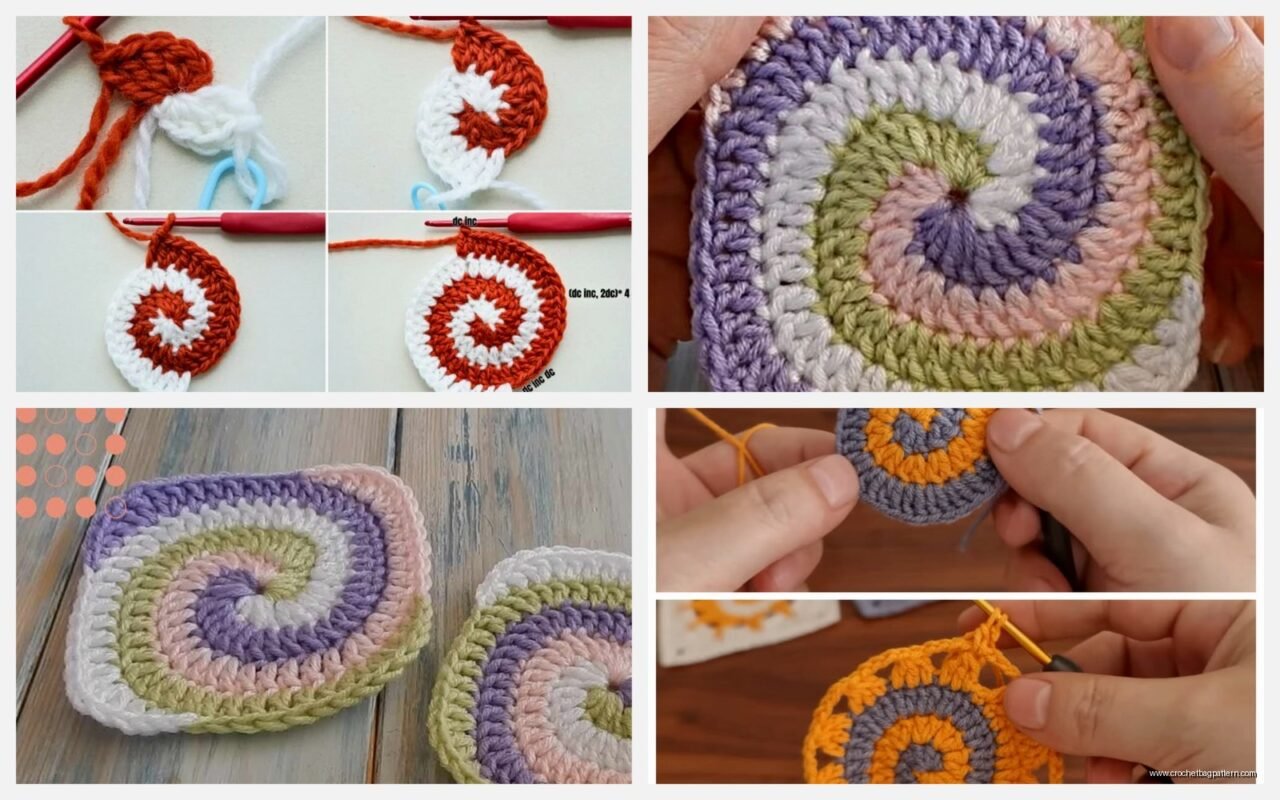
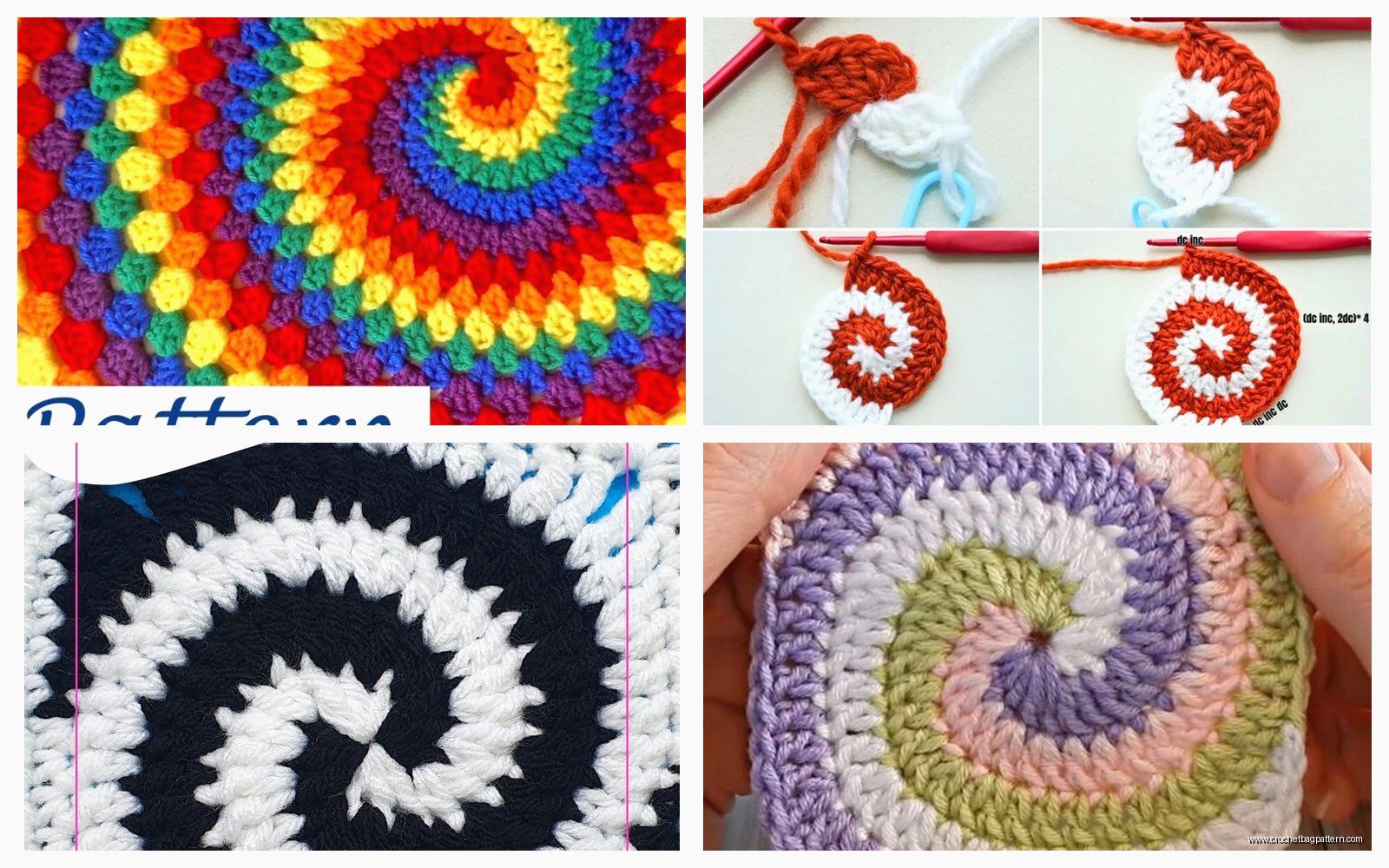
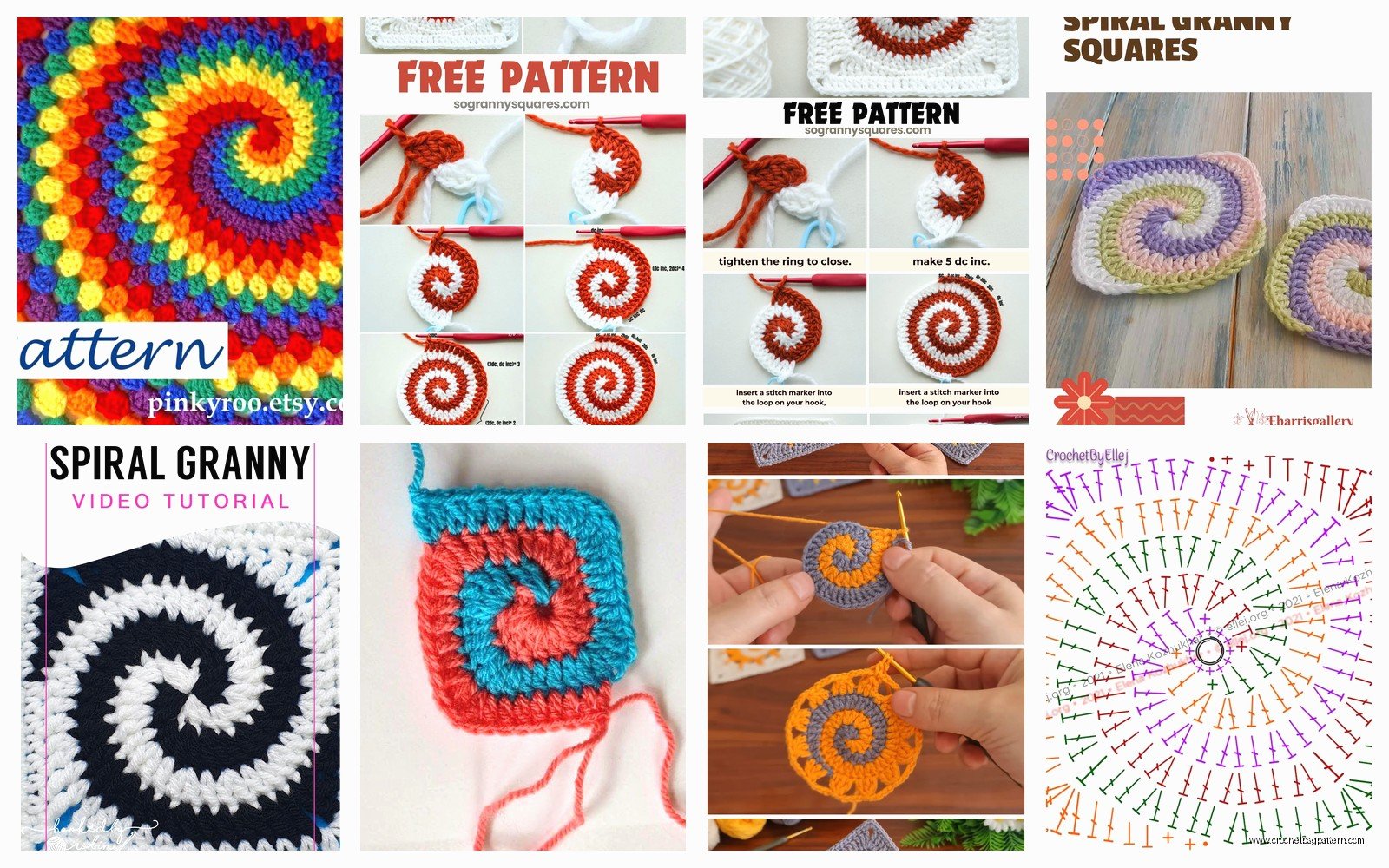
The whole point is you don’t join rounds. You just keep going in a spiral which sounds simple but your brain has to like, recalibrate how you think about granny squares. Instead of slip stitching to join and chaining up for each new round, you’re literally spiraling upward. It creates this cool visual effect where the color changes look like they’re twisting around the square instead of having that obvious seam line.
starting the thing
So you’re gonna start with a magic ring or chain 4 and join if you’re old school about it. I do magic ring because it’s cleaner but whatever works. Into that ring you’re doing: chain 3 (counts as first dc), 2 dc, chain 2, then *3 dc, chain 2* three more times. That gives you four corner spaces with three double crochets between each corner. Pretty standard granny square start.
Here’s where it gets different. You do NOT slip stitch to join. You do NOT pull tight and admire your little flower shape. You just keep going. Your next stitch goes right into the space before the first corner chain-2 space. This felt so wrong the first time I did it. Like I was breaking crochet rules or something.
the continuous part
For the next round you’re working: 3 dc in the space before the corner, then (3 dc, chain 2, 3 dc) in the corner chain-2 space, then 3 dc in the next space. Keep going around. The pattern is basically the same as a regular granny square – clusters of 3 dc in spaces, and (3 dc, chain 2, 3 dc) in corners – but you never stop to join.
I used Caron Simply Soft for one of these in summer 2024 and the color pooling was actually really nice with the spiral effect. It was this variegated blue-green colorway, can’t remember the exact name but it had “ocean” in it maybe? My cat kept trying to sit on it while I worked which was annoying but also she’s old so I let her.
One thing that REALLY annoyed me about this process is tracking where your rounds actually start and end. With a regular granny square you have that clear join point. With spiral you’re just going and going and it’s easy to lose count of how many rounds you’ve done. I started using a stitch marker in the first stitch of each round but even then I’d forget to move it and have to count back.
the marker situation
Put a stitch marker in the first dc of your round. Not the chain-3 if you’re counting that as a dc, but the actual first stitch cluster. Every time you come back around to it, move it up to the new round. Sounds simple. You will forget to do this approximately 40% of the time and have to frog back or just guess.
Some people use a different colored yarn as a marker. Like they lay a piece of contrasting yarn across their work at the start of a round and crochet over it, then pull it out later. I tried this once with some white yarn while using Bernat Blanket in that really dark gray color and it worked okay but felt like extra steps.
changing colors
This is where spiral granny squares actually shine. When you change colors you get this diagonal stripe effect instead of the stacked blocks you get with joined rounds. It looks more dynamic or whatever. Less boxy.
To change colors: work your last stitch before you want to change until you have two loops on the hook, then yarn over with the NEW color and pull through. Drop the old color (don’t cut it if you’re gonna use it again) and keep going with the new one. The color change happens mid-stitch which is normal for crochet but feels extra weird when you’re not joining rounds.
I made a baby blanket with this method using like four different colors of Lion Brand Pound of Love because I had a bunch left over from other projects. The spiral color changes looked intentional and planned even though I was literally just using up scraps. Worked on it while watching The Bear season 2 and got way too invested in both the show and the blanket at the same time.
keeping it square
Here’s the annoying part nobody tells you: spiral granny squares want to twist. The continuous rounds create this natural twist in the fabric because you’re always working in the same direction. It’s not a huge twist but it’s there.
To minimize this you gotta be really consistent with your tension and make sure you’re actually working into the right spaces. The corners need to have that chain-2 space clearly defined. If your corners start getting sloppy the whole thing will warp.
Also blocking helps. Like aggressive blocking. I use those foam tiles from the craft store and pin the living daylights out of each corner. Spray with water or use steam depending on your yarn (check the label, acrylic melts if you get too aggressive with heat, learned that the hard way with some Red Heart).
counting spaces vs counting stitches
With regular granny squares I count spaces between clusters. With spiral ones I… still do that but it’s harder because the rounds blend together. You’re looking for the chain-2 corners as your anchor points. Between each corner you should have a certain number of 3-dc clusters depending on what round you’re on.
Round 2 has one cluster between corners. Round 3 has two clusters between corners. Round 4 has three. You see the pattern. Add one cluster per side per round. Sounds simple but when you’re on round 12 and can’t remember if you did seven or eight clusters on this side it gets frustrating.
I started keeping a tally on my phone. Just open notes app and make a mark every time I complete a round. Low tech but it works better than trying to count back through spiraled stitches.
ending the square
When you want to stop you have to actually think about it because there’s no natural join point. I usually work until I’m right before a corner, then slip stitch into the next space and fasten off. This creates a tiny jog but it’s less noticeable than stopping mid-side.
Some people do this whole invisible join technique where they carefully work partial stitches to blend the end into the beginning but honestly I tried it once and it was too fussy for me. The slip stitch method works fine and you can barely see it especially if you’re gonna seam squares together anyway.
weaving in ends
You’ll have ends. Probably a lot of ends if you changed colors. I weave them in as I go now because I learned my lesson after making a whole blanket of these squares and having like 80 ends to weave in at once. Never again.
Use a yarn needle and weave through the back of stitches in the same color. Go one direction for a few stitches, then back the other way. I usually do like 2-3 inches total of weaving. Some people say that’s overkill but I’ve had ends come loose before and it’s the worst so I’d rather be safe.
what I actually use these for
Made a set of coasters with tiny spiral granny squares using Lily Sugar’n Cream because cotton works better for coasters than acrylic. Did like 4 rounds each which made them about 4 inches square. They looked way cuter than regular granny square coasters because of the spiral effect.
Also made a pillow cover with one giant spiral granny square. Used Wool-Ease in a bunch of earth tones and just kept going until it was big enough to fit a 16-inch pillow form. That one actually laid flat really nicely, maybe because the yarn was heavier? Or maybe I was just more consistent with tension by that point.
The baby blanket I mentioned earlier was like 30 squares sewn together. Mix of regular joined granny squares and spiral ones because I got bored doing all spirals. The texture difference between the two types was actually kinda cool. Not intentional but it worked out.
tension stuff
Your tension matters more with spiral squares than regular ones because any inconsistency shows up as wonky edges. If you crochet tight in the morning and loose in the evening (which I definitely do), your square will reflect that.
I try to be aware of how I’m holding the yarn. Some days I wrap it around my pinky twice, some days once. That changes tension even if I don’t mean it to. For a project where squares need to match I try to work on it at the same time of day with the same coffee or whatever so my body is in the same mode.
That sounds overly precise but it actually makes a difference. The squares I made at night while tired were noticeably looser than morning ones.
joining squares together
If you make multiple spiral granny squares and want to join them you can use any normal joining method. I like the flat slip stitch join where you put wrong sides together and slip stitch through both loops. Creates a little ridge on the right side that I actually think looks nice.
Some people do whip stitch seaming with a yarn needle. That works too. I’m impatient so slip stitching with a hook is faster for me.
The join-as-you-go method where you connect squares as you make them is possible but honestly it’s confusing enough keeping track of spiral rounds without trying to also join to another square. I’d rather make all squares first then join.
yarn weight considerations
I’ve done these with worsted weight (Red Heart Super Saver, Caron Simply Soft, Wool-Ease), bulky weight (Bernat Blanket), and cotton (Lily Sugar’n Cream). They all work but the look is different.
Bulky weight grows fast which is satisfying but the spiral twist is more pronounced. You really gotta block those. Worsted is the sweet spot for me – grows at a decent pace and the twist is manageable. Cotton has barely any twist at all, probably because it doesn’t have the bounce that acrylic or wool does.
Never tried it with fingering weight or lace because that sounds like it would take approximately forever and I don’t have that kind of patience.
random tips
Keep your starting chain loose. If you start too tight the whole center will pucker.
The chain-2 corners need to actually be chain-2. Not chain-1.5, not chain-3. Chain-2. This keeps corners at 90 degrees instead of pointy or rounded.
If you lose your place and can’t figure out what round you’re on, count the number of 3-dc clusters between corners. That number plus one equals your round number. So if there are 4 clusters between corners you’re on round 5.
Don’t pull your work apart to count stitches while it’s still on your hook. I do this all the time and it messes up tension. Take the hook out if you need to examine your work closely.
The spiral works the same whether you’re right-handed or left-handed, it’ll just spiral in the opposite direction. Found this out when my friend who’s left-handed made one and hers twisted the other way. Both looked fine.
If you hate how the spiral looks you can always go back to regular joined granny squares. No judgment. I still make regular ones too depending on the project. Spiral is just another option not like a superior method or whatever.
