
Mar
Starting With The Actual Pattern
So I made my first real dishcloth in spring 2022 when I was stuck at home with a twisted ankle and couldn’t do much except sit on the couch. I used Red Heart Super Saver in that really basic white color because that’s what was in my stash and honestly dishcloths get gross anyway so why spend money on fancy yarn right?
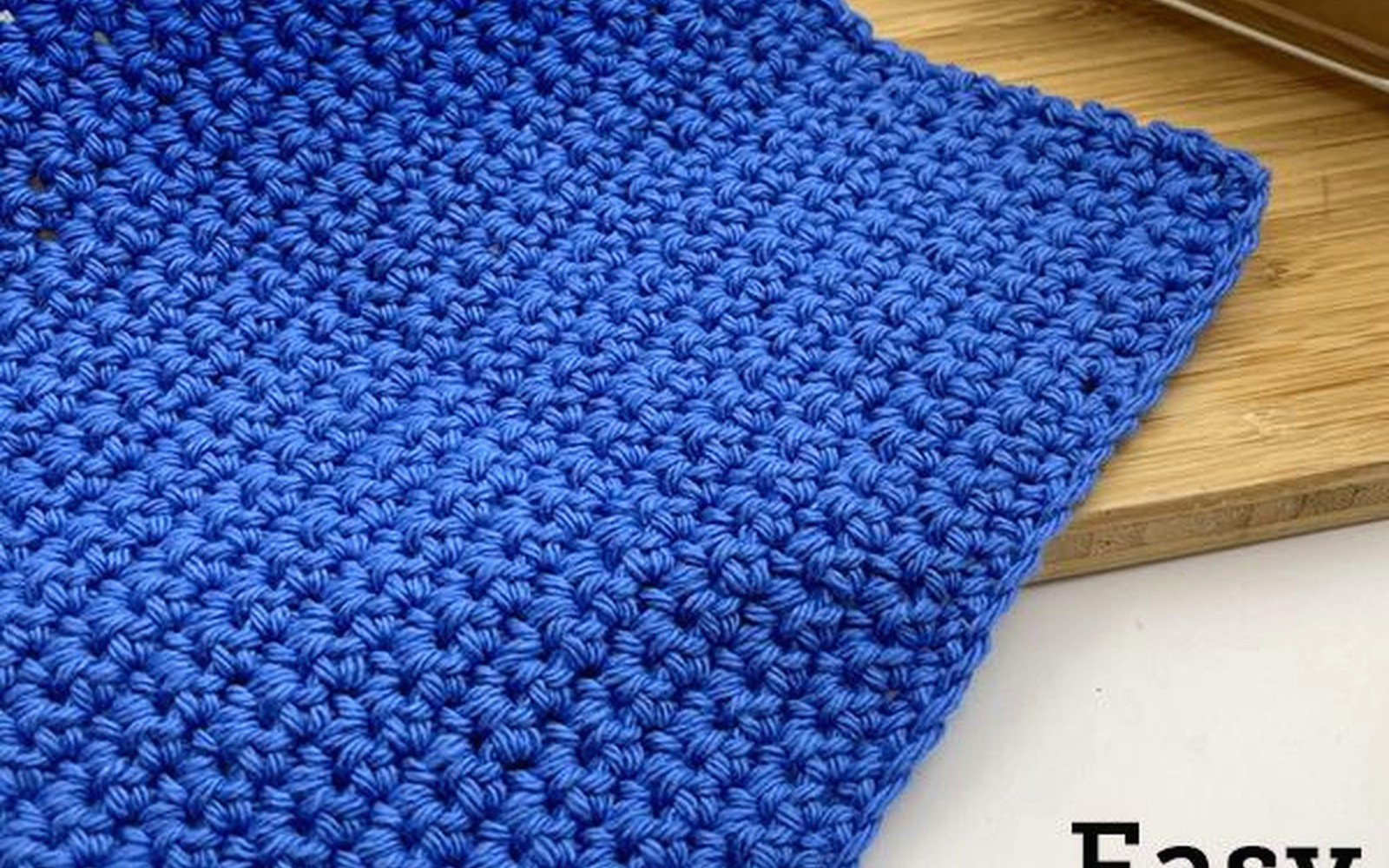
The pattern I used was literally just single crochet back and forth. Chain like 25 or 30 stitches depending on how big you want it, then single crochet across, chain one, turn, repeat until it’s square. That’s it. People overthink this stuff but a dishcloth just needs to scrub dishes and absorb water.
Why Cotton Actually Matters
Here’s the thing though – you gotta use cotton. I learned this the hard way because that first one with Red Heart Super Saver was acrylic and it just kinda pushed water around instead of soaking it up. It worked for scrubbing but for drying anything it was useless.
I switched to Lily Sugar’n Cream after that and yeah it’s scratchy on your hands while you’re crocheting but it actually works as a dishcloth. The yarn comes in those big balls for like three or four dollars and you can make probably four dishcloths from one ball depending on your size. Peaches & Creme is basically the same thing, different brand, works fine too.
The annoying part about cotton is it has zero stretch so if your tension is tight you’re gonna have sore hands after like twenty minutes. I usually crochet while watching TV and during this one show I was binging – I think it was something crime related, can’t remember – I had to keep putting it down because my fingers were cramping.
Actual Stitch Options That Work
Single crochet is the most basic but here are other stitches that people use:
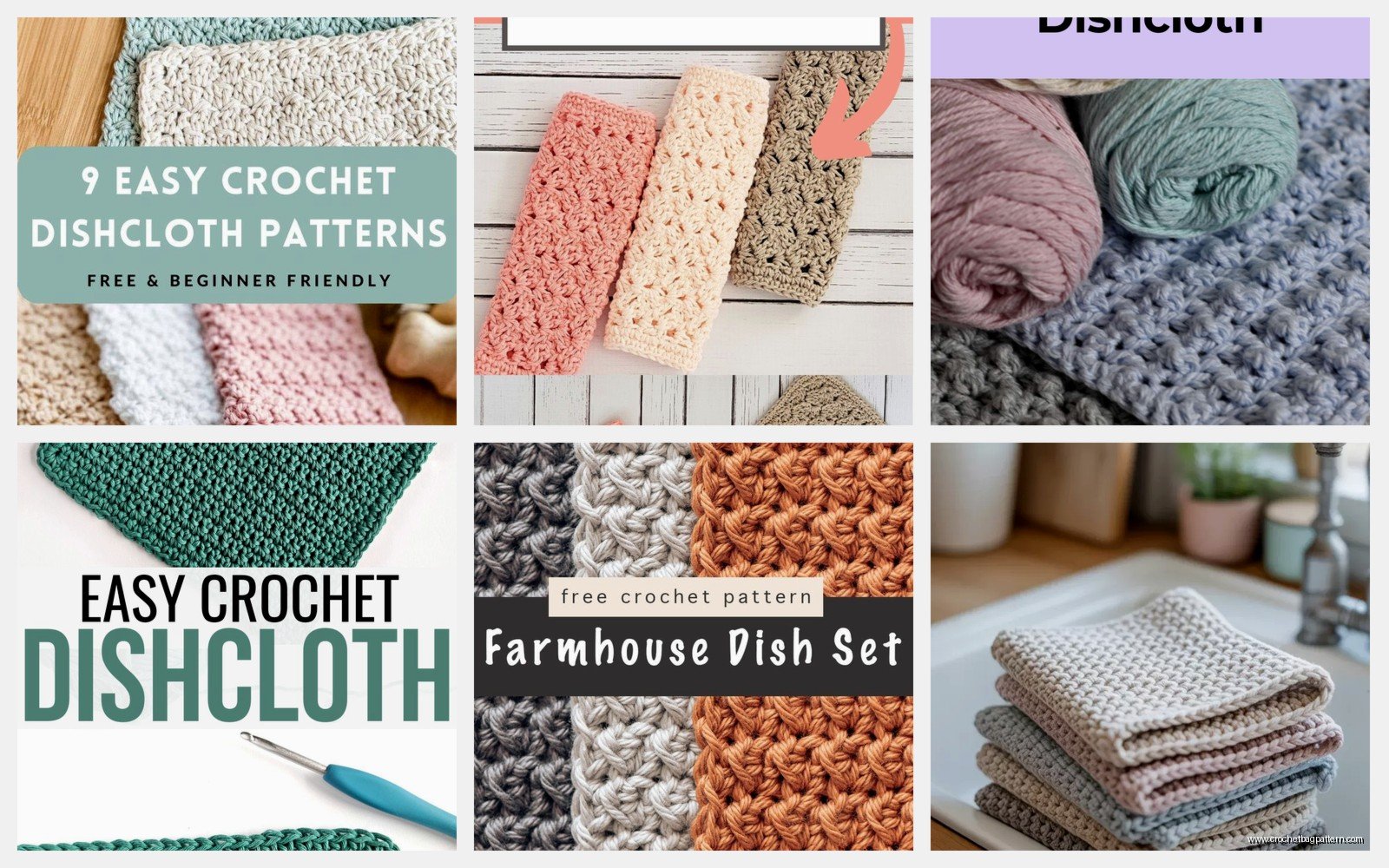
- Half double crochet – works up faster, still pretty dense
- Moss stitch – that’s single crochet and chain one alternating, makes a textured surface that’s good for scrubbing
- Waffle stitch – looks fancy but it’s just double crochets and front post double crochets, actually really good texture
- Lemon peel stitch – single crochet and double crochet alternating
I usually stick with moss stitch now because it feels like you’re making something slightly more interesting than just rows of single crochet but it’s not complicated enough that I have to pay attention. You can zone out completely and still not mess it up.
The Size Thing Nobody Tells You
Most patterns say to make them about 8×8 inches or 9×9 inches but honestly I make mine smaller now, more like 7×7. The bigger ones take forever to dry when they’re hanging by the sink and they get that mildew smell faster. Smaller ones dry quick and you can just make more of them.
To get a 7 inch square with worsted weight cotton I chain about 23 stitches. But this depends on your tension and the specific yarn brand because they’re all slightly different thickness even when they say worsted weight. Just chain something close to that, work a few rows, and measure it. If it’s way off just start over – you’re only like ten minutes in anyway.
Border or No Border
Some people do a border of single crochet or even a shell stitch around the edge. I tried this exactly once in summer 2024 when I made a set as a gift for my sister and it was so tedious I wanted to throw it across the room. Borders on dishcloths serve no actual purpose. The edges are fine without them. Anyone who tells you different is just trying to make extra work for themselves.
The one thing a border IS good for is if your edges are really wonky and uneven. Then yeah a round of single crochet around the whole thing can straighten it out and make it look less homemade in a bad way. But if your edges are decent just weave in your ends and call it done.
Colors and Bleach
I made the mistake of making dishcloths in dark colors once – navy blue and dark green. They looked nice for approximately three days and then they had permanent stains from tomato sauce and whatever else. Light colors are the way to go. White, cream, light yellow, light blue, light pink.
You can bleach white and cream ones when they get gross. Just throw them in a bucket with some bleach and water for like twenty minutes then rinse really well. The colored ones you can’t really bleach without ruining the color so they just stay stained forever or you have to throw them out sooner.
My cat knocked over my container of finished dishcloths once and I found them scattered all over the living room floor which was annoying but also kind of funny because she was sitting in the empty container looking proud of herself.
Variegated Yarn Is Actually Useful Here
Usually I think variegated yarn is kind of ugly in most projects because the color changes are random and don’t really add anything. But for dishcloths it’s actually good because it hides stains better than solid colors. Lily Sugar’n Cream has those ombre ones that fade from one color to another and those work pretty well.
The self-striping ones can look weird though if your dishcloth is small enough that the stripes don’t complete. You’ll get like half a stripe of blue then it switches to green and it just looks unfinished. Stick with solid or the subtle variegated ones.
What Actually Annoyed Me Most
The thing that annoyed me most wasn’t the scratchy cotton or the boring repetitive stitches – it was weaving in the ends. Every single dishcloth has at least two ends and if you make them in stripes or change colors you’ve got even more. And because it’s cotton the ends don’t stay woven in as well as acrylic does.
I started just leaving longer tails and tying them in actual knots before weaving them in because I had one come unraveled in the wash and the whole corner started falling apart. The knot method isn’t pretty but nobody’s looking at your dishcloth that closely and it actually stays put.
Some people crochet over their tails as they go but I can never remember to do that and when I try the tail ends up showing through the stitches in a weird way.
Washing Them Before Use
You’re supposed to wash cotton dishcloths before you use them because the yarn has some kind of coating or sizing on it from manufacturing. I’ll be honest I forget to do this half the time. When I remember I just throw them in with a load of towels.
The first wash makes them softer which is nice but they also shrink a tiny bit. Not enough to really matter but if you’re making them as a gift and you want them to be a specific size maybe account for like a quarter inch of shrinkage.
Variations I’ve Tried
I made a round dishcloth once just to see if it worked any different. Started with a magic ring, did increases like you would for a hat or a coaster, stopped when it was about 7 inches across. It worked fine as a dishcloth but it was harder to store because it didn’t stack neatly with the square ones and it took up more room in the drawer.
There’s also diagonal dishcloths where you start with a few stitches in the corner and increase until you hit the middle then decrease back down to the opposite corner. These look kinda cool because the stitches run on an angle but they’re basically the same amount of work as a regular square for no real benefit.
I tried making one with a scrubby texture using that Red Heart Scrubby yarn which is specifically for dishcloths and… I don’t know it was too rough? Like it would probably be great for really stuck on food but for everyday dishes it felt like overkill. Plus that yarn is weirdly stiff to work with.
The Pattern I Use Most Often Now
Chain 25 with Lily Sugar’n Cream in whatever light color I have.
Row 1: sc in second chain from hook, sc across, chain 1, turn
Row 2: sc in first stitch, chain 1, skip next stitch, repeat across, chain 1, turn
Row 3: sc in each chain space and each sc from previous row, chain 1, turn
Repeat rows 2 and 3 until it’s square or close enough that I don’t care anymore
That’s moss stitch basically. The chain spaces make it textured and it works up a little faster than all single crochet.
How Long Does It Actually Take
If I’m actively crocheting and not getting distracted it takes maybe 45 minutes to an hour for one dishcloth. But realistically I’m watching TV or listening to something so it’s more like an hour and a half spread out over an evening.
I made a set of six once over a weekend when I had nothing else to do. That was in spring 2022 with the twisted ankle situation – I made like twelve dishcloths in two weeks because what else was I gonna do. Most of them were fine, a couple were kind of wonky shaped because I wasn’t paying attention to keeping my stitch count consistent.
If you’re making them as gifts I’d say start at least a week before you need them just so you’re not rushing. Rushing makes your tension weird and they end up different sizes even if you use the same stitch count.
Do They Actually Work Better Than Store Bought
Eh. They work about the same as the cheap dishcloths you can buy at the store. The handmade ones might last a little longer because you can control how tight you make the stitches. Store bought ones sometimes have loose stitches that catch on things and unravel.
The real advantage is you can make them exactly the size you want and in colors that match your kitchen if you care about that kind of thing. I don’t really care but I know people who do.
They’re also good for using up yarn scraps if you have partial balls of cotton sitting around. I had like half a ball of yellow and half a ball of white so I made a striped dishcloth and it was fine. Used up the yarn and got something functional out of it.
Common Mistakes
Making them too loose – they’ll stretch out and get floppy when wet. You want fairly tight tension for dishcloths.
Using acrylic – just don’t, it doesn’t absorb water
Making them too big – they take forever to dry and get mildewy
Not fastening off properly – I’ve had the last row come undone because I didn’t secure the end well enough and then it unraveled in the wash
Trying to use them for hot pots – they’re not thick enough and you’ll burn yourself, learned that one the hard way
What To Do With All Of Them
Once you make a few dishcloths you realize you now have like eight dishcloths and you only need maybe three at a time. I keep some extras in the drawer and give the rest away. They make decent last-minute gifts if you pair them with like a bottle of dish soap or something.
You can also use them as washcloths for your face if you make them with really soft cotton but honestly the Lily Sugar’n Cream is too rough for that. There’s bamboo cotton yarn that’s softer but it’s more expensive and at that point just buy washcloths.
I’ve used old stained ones as cleaning rags for really gross stuff like cleaning the bathroom or wiping up spills in the garage. Once they’re too gross for dishes they still work fine for that.
The Pattern That’s Actually Easiest
If you want the absolute easiest pattern that still looks like you tried: just do all single crochet but use two colors and switch every two rows. You get stripes which look intentional and put together but you’re literally just doing the most basic stitch over and over.
To switch colors: finish your last stitch of the row with the new color (so pull through with new color on the last step), chain one with new color, turn, continue. Drop the old color, pick it up when you need it again. You’ll have tails hanging off the sides but just weave them in at the end or tie them together and trim them.
I made a bunch of these as holiday gifts one year – red and white stripes, green and white stripes. They looked festive and people seemed to like them or at least they said they did.
