
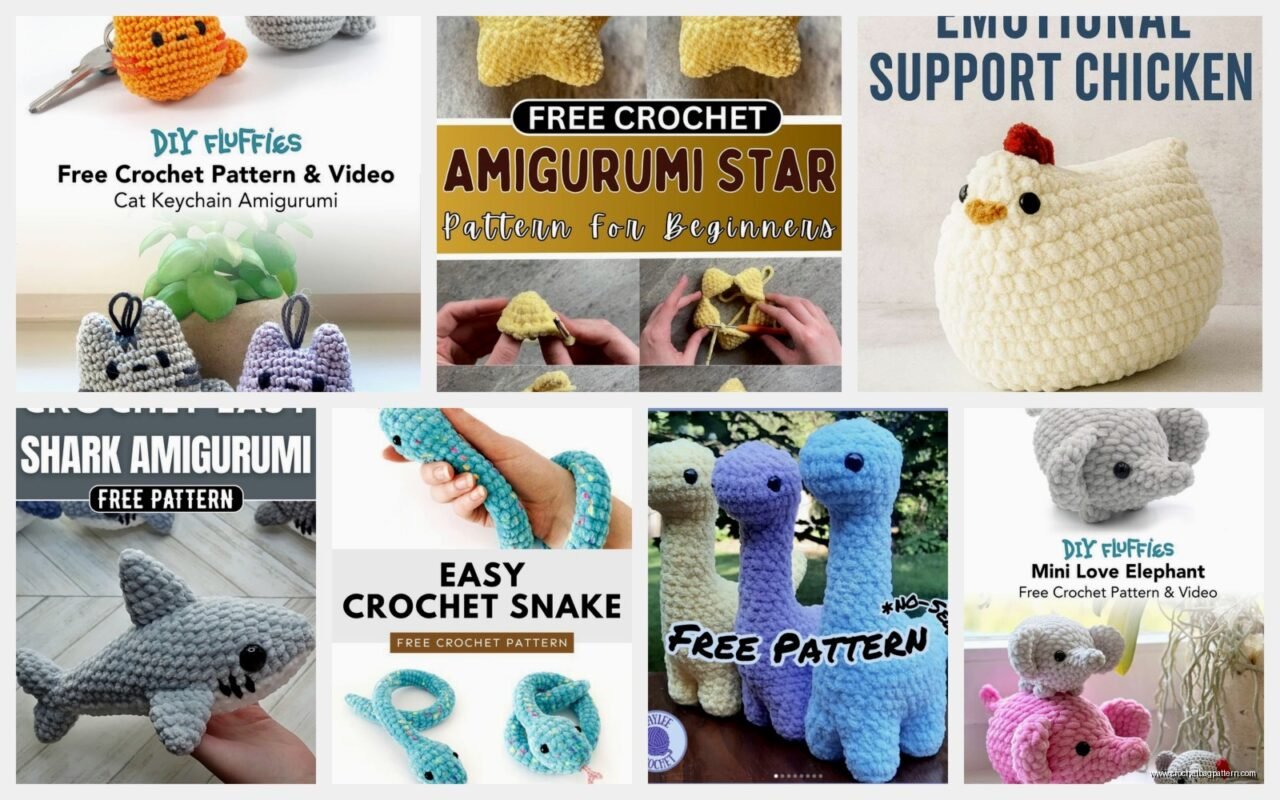
Mar
okay so amigurumi basics first
The magic ring is where you gotta start and honestly I fought with this for like three weeks back in spring 2022 when I was making my first little octopus. You make a loop with your yarn, crochet into it, then pull it tight so there’s no hole in the middle. Sounds simple but my fingers just wouldn’t cooperate at first and I kept ending up with these loose floppy centers that looked terrible.
So what you actually do is wrap the yarn around your fingers twice, insert your hook under the first loop but over the second one, grab the working yarn and pull through. Chain one. Then you crochet usually 6 single crochets into that ring before pulling the tail to close it up tight. That’s your foundation for basically every amigurumi body part.
the yarn situation
I’ve used Red Heart Super Saver a lot because it’s cheap and everywhere, but honestly it can be kinda squeaky and splitty when you’re working with it. Hobby Lobby’s I Love This Yarn is actually pretty decent for amigurumi and comes in good colors. The best I’ve tried is Paintbox Yarns Simply DK but you have to order it online usually and it’s more expensive.
For beginners you want worsted weight (that’s the medium thickness) and a 3.5mm or 4mm hook. Some people say go smaller for tighter stitches but when you’re learning you just need to see what you’re doing clearly. The tight stitch thing matters because you don’t want stuffing showing through the gaps, but you’ll naturally crochet tighter as you get better at it.
actual first project you should make
Start with a simple ball or sphere shape because that teaches you increases and decreases which is like 90% of amigurumi. I made a little round bee in summer 2024 while my cat kept trying to steal the yarn ball off my lap, super annoying but the bee turned out cute.
Here’s the basic pattern structure for a sphere:
- Round 1: 6 sc in magic ring
- Round 2: inc in each stitch (12 stitches)
- Round 3: sc, inc around (18 stitches)
- Round 4: sc 2, inc around (24 stitches)
- Round 5-8: sc in each stitch (24 stitches, no increases)
- Round 9: sc 2, dec around (18 stitches)
- Round 10: sc, dec around (12 stitches)
- Stuff it here before the hole gets too small
- Round 11: dec around (6 stitches)
- Fasten off and close the hole
The pattern of increases is always the same, you’re just adding one more single crochet between each increase as you go up. Once you understand that rhythm you can make literally any size sphere you want.
counting stitches is gonna drive you crazy
This was the thing that annoyed me SO much when I started. You lose count constantly. I still lose count honestly. Some people use stitch markers but I always forget to move them so they’re useless for me. What actually helps is putting a safety pin or paperclip in the first stitch of each round so you know where it starts and ends.
Also your rounds are gonna spiral instead of stacking perfectly on top of each other and that’s normal. Don’t try to fix it with slip stitches and chains between rounds like regular crochet, just keep going in a continuous spiral. The slight jog where rounds meet usually ends up at the back anyway.
making actual recognizable things
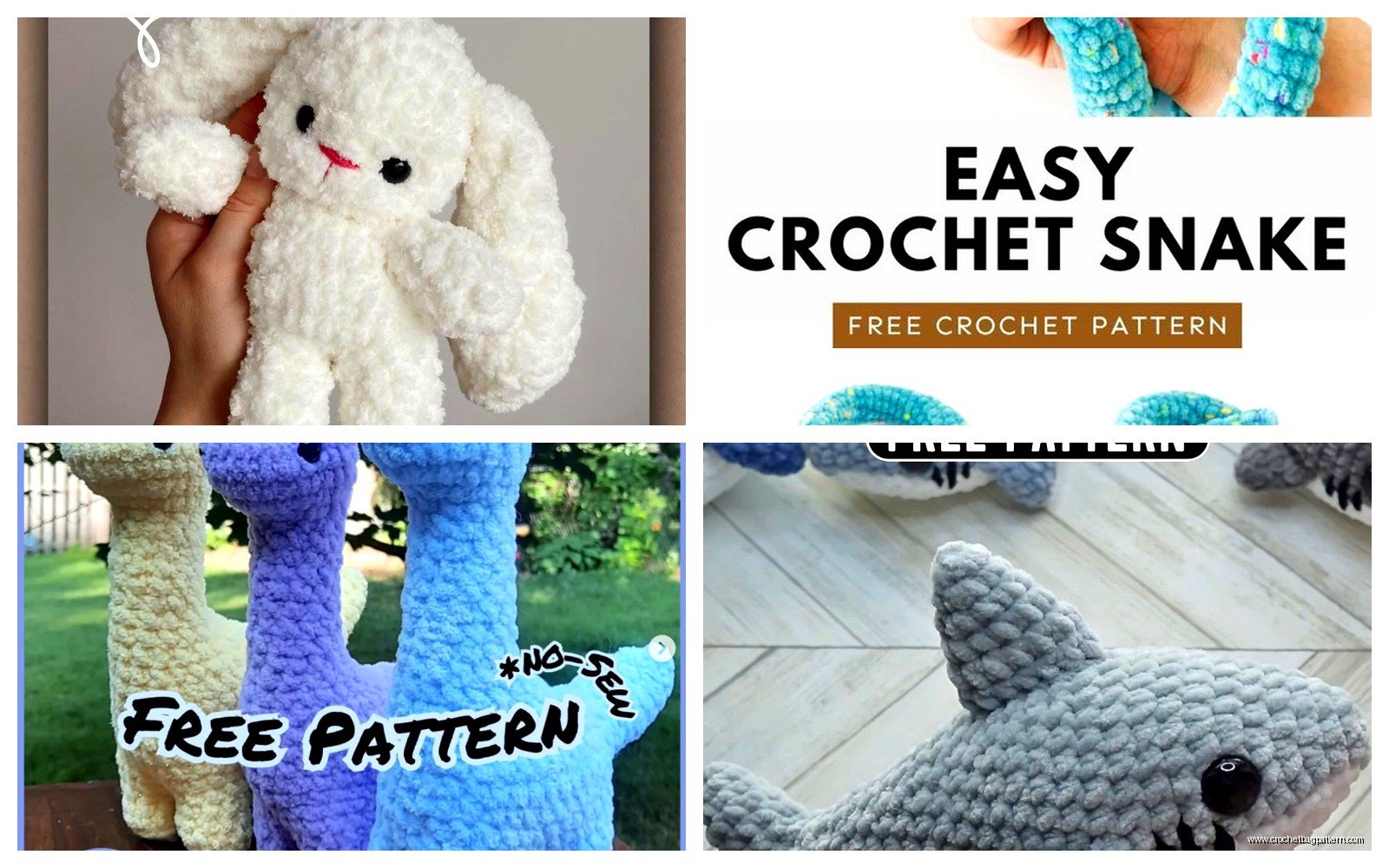
Once you can make a sphere you can make like 80% of simple animals. A bunny is just an oval body (sphere but with more middle rounds), a smaller sphere head, two long oval ears, and little ball feet. You sew them together with the same yarn using a yarn needle.
I made a really wonky bunny in April 2023 and the head was way too big for the body but my niece loved it anyway so whatever. The proportions don’t have to be perfect when you’re starting out.
the oval shape
Ovals are useful for bodies and also for things like whale shapes or fish. You start with a chain instead of a magic ring, then crochet around both sides of that chain. So like chain 6, then sc in second chain from hook and in the next 4 chains, then 3 sc in the last chain to curve around the end. Now you’re working on the other side of the chain, sc in the next 4 stitches, 2 sc in the last one to curve around. That’s your oval base.
Then you increase on the curved ends for a few rounds to make it wider, work even rounds in the middle, then decrease to close it up. Same concept as the sphere just stretched out.
stuffing and closing up
Use polyfil stuffing, the cheap stuff from walmart works fine. Don’t overstuff or it’ll stretch your stitches and look lumpy. Don’t understuff or it’ll be floppy and sad. You want it firm but still squishable.
When you’re closing the final hole, thread your yarn tail through a yarn needle and weave through the front loops of the remaining stitches, then pull tight like a drawstring bag. Weave the end through the inside a few times to secure it and hide the tail inside.
sewing parts together
This is honestly harder than the actual crocheting sometimes. I use pins to position everything first before sewing. Like if you’re attaching arms to a body, pin them on, look at it from all angles, make sure they’re even, THEN sew.
Use the same color yarn as the piece you’re attaching and use a whip stitch or ladder stitch around the edge where the parts meet. Go around twice for security. The stitches should be invisible if you’re careful but honestly on small projects a few visible stitches don’t matter that much.
easy beginner patterns to actually try
Okay so here’s what worked for me starting out:
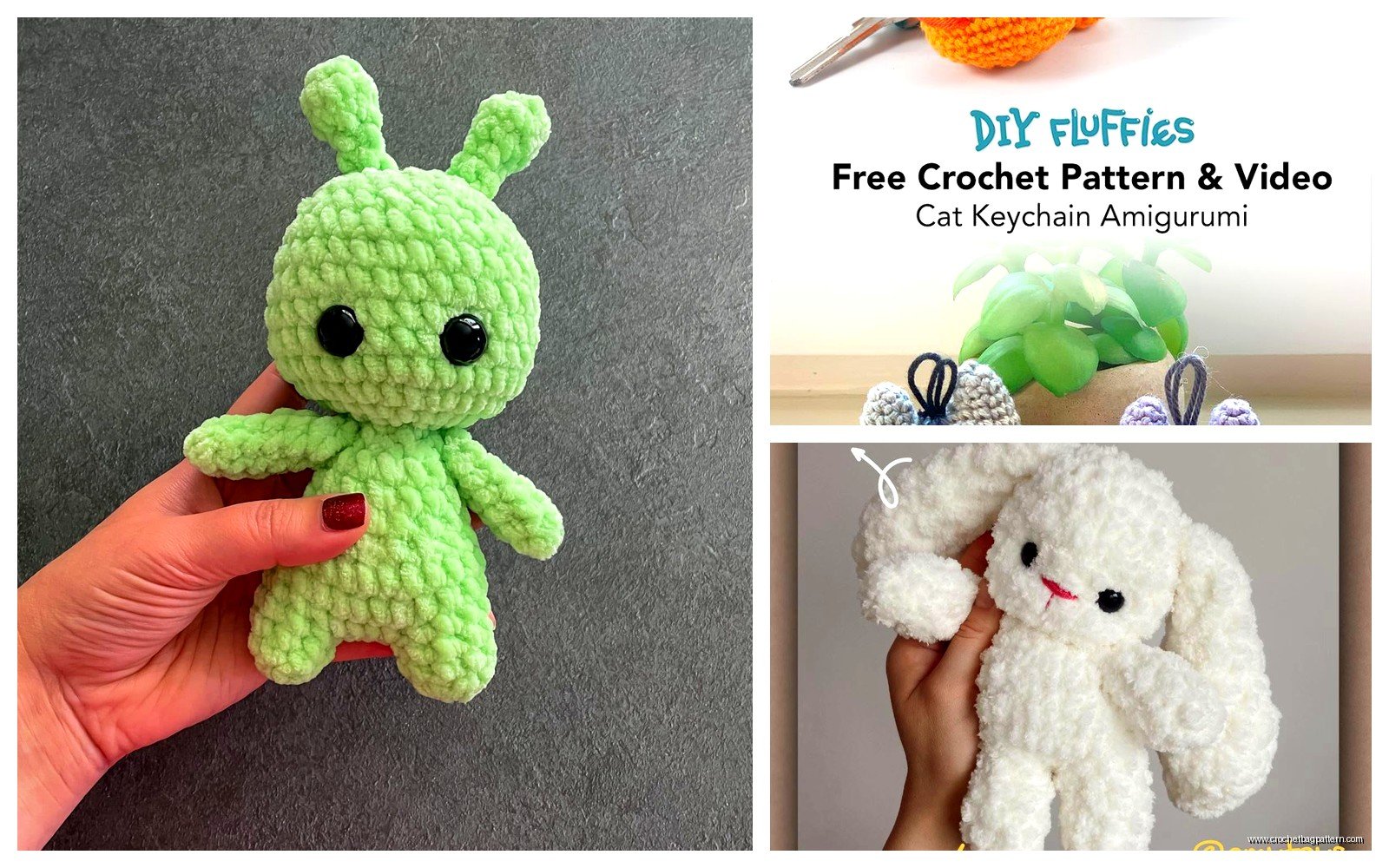
Simple blob creatures: Just a sphere with little arms and legs attached. You can make the arms and legs by chaining 6-8, then slip stitching back down the chain. Super easy, takes like 20 minutes per limb. Add safety eyes (buy those online, like 100 pairs for $10) and you’ve got a weird little guy.
I made like fifteen of these blob things in different colors back when I was binging that show Severance and needed something to do with my hands. They’re not fancy but they’re cute in a lumpy sort of way.
Mushrooms: A flat circle for the base (just keep increasing until it’s the size you want, then work a few rounds even), then a sphere for the cap, then a cylinder for the stem. The cylinder is just chain in a circle to make a ring, join, then sc around and around without increasing or decreasing. Three simple shapes, sew them together, done.
Cacti: Literally just an oval that you don’t close at the bottom. Work it in green yarn, maybe add some stripes in a different shade. The thing about cacti is they look good even when they’re kinda wonky because real cacti are weird shapes anyway. I made one in Caron Simply Soft in “Pistachio” and it actually looked pretty decent.
what about faces
Safety eyes are the easiest option. You poke them through the fabric where you want them, push the washer on the back BEFORE you stuff the piece. Once that washer is on, it’s permanent, so measure carefully. I usually put them about 6-8 rounds up from the bottom of a head sphere, spaced 4-6 stitches apart depending on size.
You can also embroider faces with black yarn but that requires more skill honestly. I still mess up embroidered mouths all the time, they end up crooked or uneven or just… weird.
reading patterns vs making it up
Free patterns online are great but they all assume you know abbreviations. sc = single crochet, inc = increase (two sc in same stitch), dec = decrease (sc two stitches together), sl st = slip stitch. The number in parentheses at the end of a round tells you how many stitches you should have total.
But honestly once you understand the basic increase/decrease rhythm you can just wing it. Want a bigger head? Add more increase rounds. Want longer arms? Work more even rounds in the middle. The math always works the same way.
the decrease technique that actually works
There are like three different ways to decrease and some of them leave holes or look bumpy. The invisible decrease is the best: insert hook in front loop only of next stitch, then front loop only of following stitch, yarn over and pull through both loops, yarn over and pull through both loops on hook. It’s basically a regular decrease but you’re only grabbing the front loops first which makes it neater.
Took me until like six months in to figure out this made a difference but it really does.
common problems I ran into
Your first magic ring will probably suck. Make like ten practice ones before you start an actual project. Watch a video, there are hundreds on youtube, find one where the person’s hands are clearly visible and the lighting is good.
Your stitches might be too loose or too tight at first. If they’re too loose, the stuffing shows through. If they’re too tight, your hand will cramp and the fabric won’t have any give. You want it firm but not rigid. This just comes with practice honestly, your hands figure out the right tension after you’ve made a few things.
Pieces rolling or curling. This happens when your increases aren’t distributed evenly or you’re accidentally adding stitches. Count every few rounds to make sure you have the right number.
Lopsided spheres. Usually means you’re putting all your increases in the same spot instead of spreading them around. The increases should spiral naturally as you work.
color changes
When you want to switch colors, work your last stitch in the old color until you have two loops on the hook, then pull through with the new color. Carry the old color inside if you’re coming back to it (like for stripes), or cut it and weave in the end if you’re done with it.
I made a striped snake thing that was supposed to be a worm or— actually I’m not sure what it was supposed to be but it needed color changes and this method worked fine. Red Heart Super Saver in Cherry Red and White, very dramatic worm.
where to find patterns when you want something specific
Ravelry has thousands of free amigurumi patterns, you just need to make an account. Filter by “free” and “beginner” and you’ll find tons. Some are better written than others, read through before you start to make sure it makes sense.
YouTube is honestly better for learning techniques than following full patterns. You can watch someone do a magic ring or invisible decrease in real time which helps way more than photos.
Pinterest links to patterns but half of them are dead links or redirect to paid patterns when you click through, super annoying. I usually just use it for inspiration photos then figure out how to make something similar on my own.
the tools you actually need
A hook, yarn, scissors, yarn needle, stuffing, safety eyes if you want them. That’s it. Maybe stitch markers but I’ve made probably fifty amigurumi without ever consistently using them so they’re optional.
Don’t buy a fancy expensive hook set when you’re starting. A single 4mm hook costs like $3 and that’s all you need for your first several projects. I still use the same cheap Susan Bates hook I bought in 2022.
A yarn needle needs to be blunt tipped (not sharp like a sewing needle) and have a big enough eye to thread worsted weight yarn through. They come in packs of like six for $2.
realistic timeline expectations
Your first small amigurumi (like a simple ball or mushroom) will probably take 2-3 hours. That includes ripping out mistakes and recounting stitches multiple times. Once you’re more comfortable, small projects take like 30-45 minutes.
A medium complexity animal with a body, head, and four limbs might take 4-6 hours when you’re new. Later that drops to 2-3 hours.
I made a little octopus with eight arms that took me like ten hours total in spring 2022 because I was still figuring everything out and kept messing up the arm attachment. Now I could probably make the same thing in two hours.
Don’t compare your speed to those videos where people crank out perfect amigurumi in twenty minutes. They’ve made that same pattern fifty times and they’re probably speeding up the video anyway.
when stuff goes wrong
You will absolutely crochet an entire piece, finish it, and realize it’s way too small or too big for the other parts. This happened to me with a bear where the head was enormous and the body was tiny. I tried to make it work, couldn’t, had to redo the entire body. It’s frustrating but that’s just part of learning.
Sometimes a piece will look really weird until you add the eyes and suddenly it looks cute. The eyes make such a huge difference in whether something looks like an actual creature or just a lumpy blob. Placement matters a lot, putting them slightly lower and closer together usually reads as “cute.”
If you’re really stuck or something looks wrong, take a break and come back later. I’ve had projects where I was convinced they were disasters, left them alone for two days, came back and fixed the problem in five minutes because I could see it clearly with fresh eyes.
