
Feb
The Basic Cotton Towel Thing I Made Last Spring
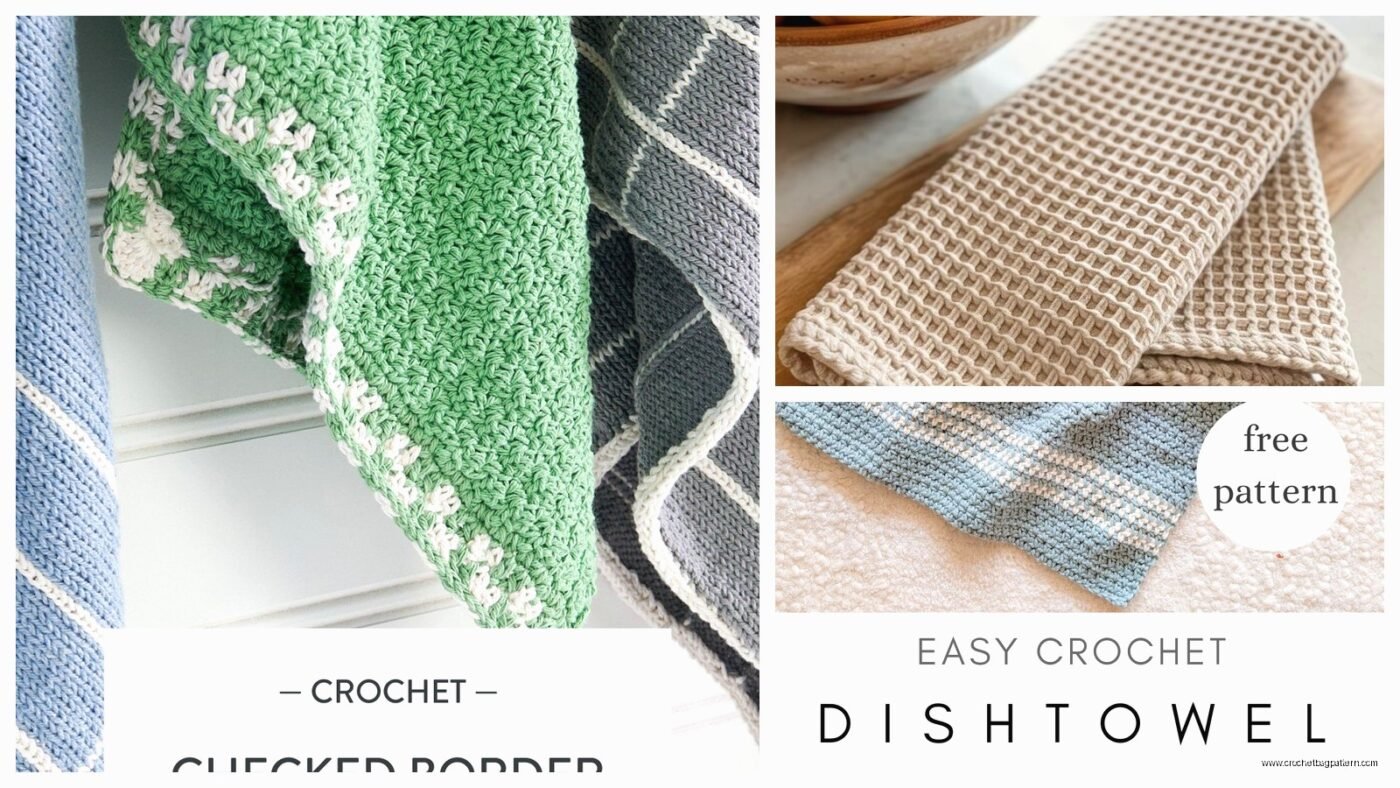
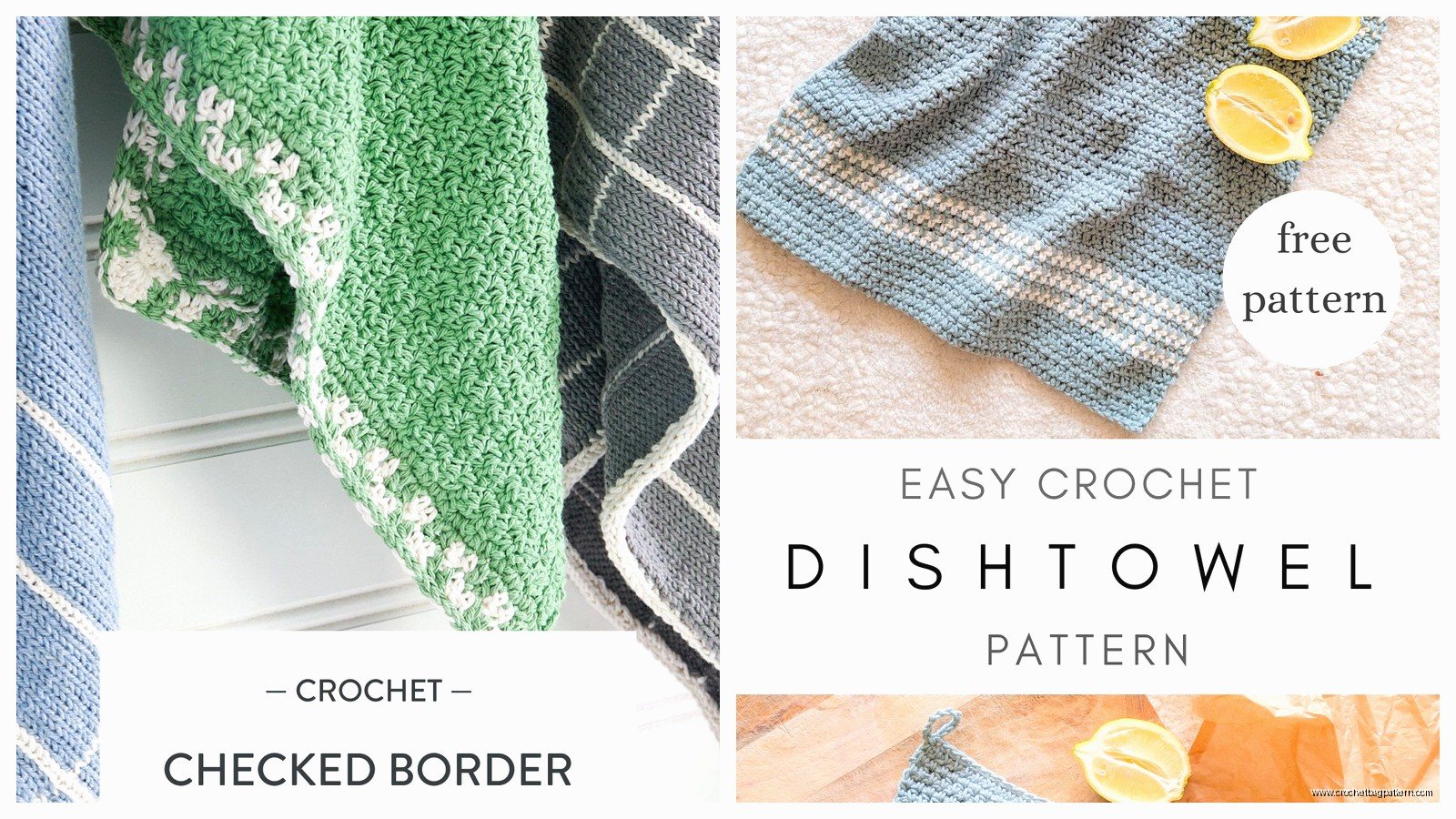
So I made this crochet dish towel in March 2023 when I was basically stress-crocheting because work was insane and I needed something mindless to do while rewatching The Office for the millionth time. The pattern itself isn’t rocket science but there’s some stuff you gotta know before you start or you’ll end up with a weird stiff rectangle that doesn’t actually dry anything.
First thing – yarn matters SO much here. I used Lily Sugar’n Cream in that light blue color, I think it was called “Bluebell” or something? It’s 100% cotton which is the only thing that makes sense for a dish towel because acrylic just pushes water around instead of absorbing it. I also tried Peaches & Creme another time and honestly they’re basically the same thing, maybe Peaches & Creme is slightly softer but we’re talking minimal difference. You want that worsted weight cotton, the kind that comes in those dense balls and feels kinda rough when it’s dry.
What Size Hook and Why It’s Annoying
Here’s the thing that annoyed me SO MUCH about making these – everyone says use a bigger hook than you normally would for cotton yarn. Like the ball band says 5mm but people will tell you to use 6mm or even 6.5mm because you want the fabric to be open and absorbent, not tight and waterproof. But then your towel looks kinda loose and sloppy? I went back and forth on this like five times before settling on a 5.5mm hook which felt like a compromise but honestly I’m still not sure I made the right call.
The problem is if you crochet too tight, water just sits on top of the towel. If you crochet too loose, the towel stretches out weird when it gets wet and doesn’t lay flat. There’s this sweet spot that’s different for everyone depending on your tension and it’s gonna take some trial and error.
The Actual Pattern Structure
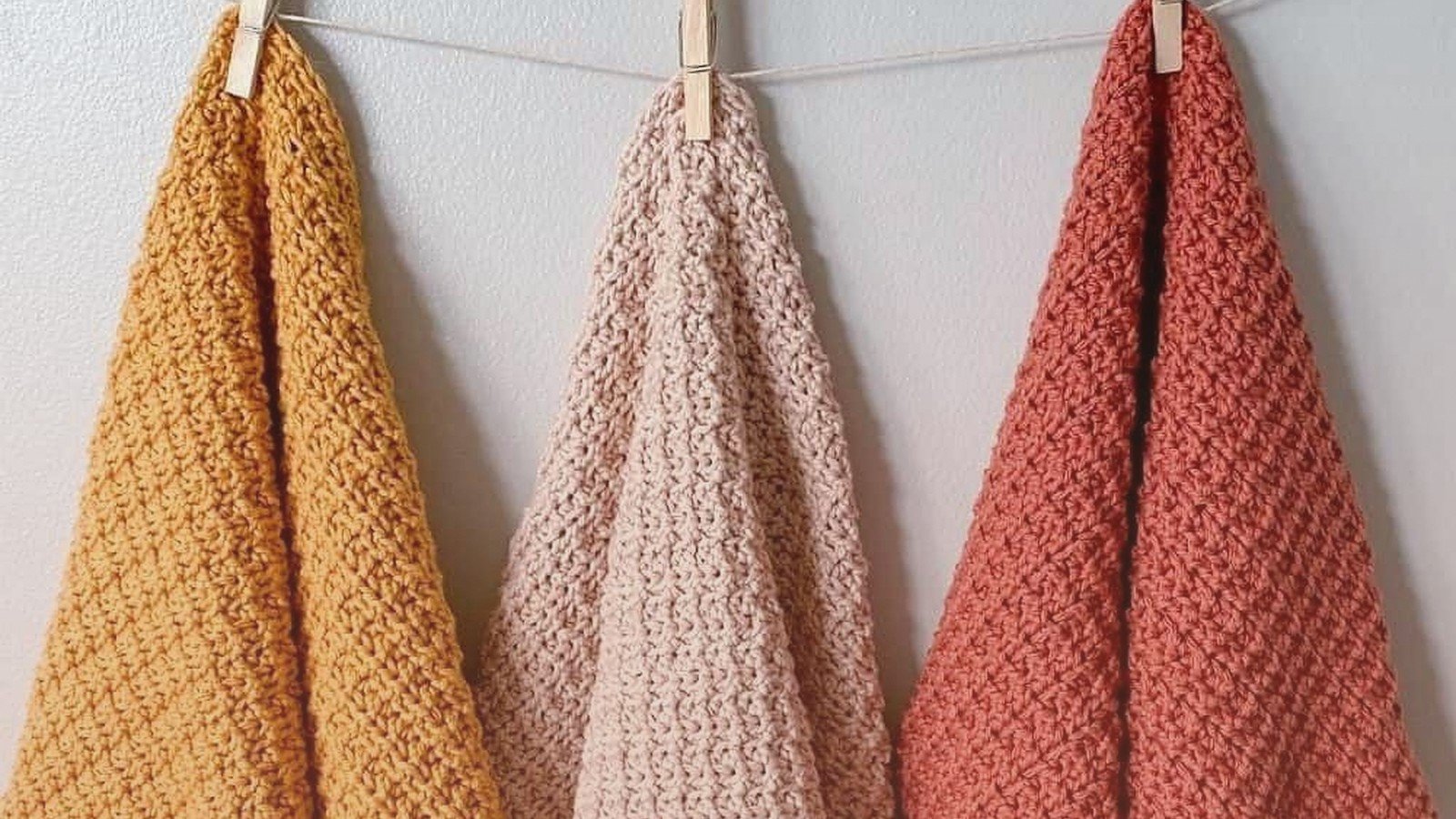
Most dish towels are just variations on a rectangle, which sounds boring but actually there’s different ways to do it. The simplest version is literally just:
- Chain like 30-35 stitches (depends how wide you want it)
- Single crochet back across
- Chain 1, turn, single crochet across again
- Repeat until it’s square or rectangular shaped
But that’s kind of boring looking even though it works fine. My dog kept trying to steal the yarn ball while I was making this first version, super annoying.
Adding Texture Without Getting Complicated
The version I actually like better uses half double crochet in the back loop only. This creates these horizontal ridges that look more interesting and I swear they dry dishes better because there’s more surface texture. You do it like this:
- Chain your starting chain, whatever width you decided
- Half double crochet across for the first row normally
- Chain 2, turn
- Half double crochet in the back loop only of each stitch across
- Keep doing that back loop only thing for every row
The back loop only technique makes it so the front loops create a ridge pattern. It’s super simple but looks like you did something fancy. I made like four of these in different colors last year and people thought I was following some complicated pattern but nope.
Size Considerations That Actually Matter
I made my first one too small – like maybe 8×8 inches – and it was basically useless. Too small to dry anything bigger than a mug. You want at least 10×12 inches, honestly bigger is better. I usually chain 35 stitches and work until it’s about 14 inches long. That gives you enough surface area to actually be functional.
The cotton yarn shrinks a tiny bit when you wash it the first time too, so factor that in. Not a lot, but like half an inch or so.
Border or No Border
Some people do a border around their dish towels with single crochet or maybe a shell stitch or whatever. I tried this once and honestly it just… I don’t know, it seemed like extra work for something that’s gonna sit in a pile with other kitchen towels? I did one round of single crochet around the edge just to clean it up and make sure the edges don’t curl, but that’s it.
For the border you just single crochet evenly around all four sides, putting 3 sc in each corner to help it lay flat. Working into the side edges of rows is always weird – I usually just eyeball it and put a stitch every other row or something like that.
The Waffle Stitch Version
Okay so there’s also this waffle stitch pattern that everyone raves about for dish towels and I made one in summer 2024 using the same Lily Sugar’n Cream yarn in white. The waffle stitch creates these pockets that supposedly absorb more water but honestly I think it’s more about the visual texture than actual function.
Waffle stitch is double crochet and front post double crochet alternating in a checkerboard pattern. The pattern goes:
- Row 1: Chain an even number, dc across
- Row 2: Chain 3, *fpdc around next stitch, dc in next stitch*, repeat across
- Row 3: Chain 3, *dc in fpdc from previous row, fpdc around dc from previous row*, repeat across
- Repeat rows 2 and 3
It looks cool and textured but takes longer because front post stitches are just slower to work. Also the edges get a bit wonky and you really need that border to even things out.
What Didn’t Work For Me
I tried making one with that dishcloth cotton from Red Heart – I think it’s called Scrubby? The stuff with the texture built in. It’s supposed to be scrubby for like washing dishes but honestly it was too rough for a towel. Better for actual scrubby cloths or maybe pot holders. The texture was too much and it didn’t drape right, it just kinda sat there all stiff.
Also tried making one in a granny square pattern because I thought it would be cute but the holes were too big and it didn’t absorb water well. Looked nice as decoration but wasn’t functional which defeats the purpose.
Color Choices and Bleach Issues
This is something I learned the hard way – if you’re gonna actually use these towels for drying dishes and cleaning up kitchen messes, stick with white or light colors that you can bleach. I made a really pretty dark teal one and then got marinara sauce on it and… yeah. Couldn’t bleach it without the color fading all weird and uneven.
Now I mostly make them in white, cream, or light gray. Boring but practical. You can throw them in with a load of whites and not worry about it.
How Many Do You Actually Need
I thought making like 2-3 would be enough but you actually need more if you’re using them daily. They need to dry completely between uses or they get that weird mildew smell, so having 5-6 in rotation makes more sense. I usually have a couple hanging to dry while using fresh ones.
The Hanging Loop Situation
You’re gonna want a loop to hang these on your oven handle or wherever. I just chain like 15 stitches and attach it to one corner by slip stitching into the corner and back along the chain. Nothing fancy. Some people do button tabs or whatever but a simple chain loop works fine and takes 30 seconds.
Make sure it’s reinforced though – I had one rip off after like a week because I didn’t secure it well enough. Now I weave the ends in really thoroughly and maybe even stitch through the loop attachment a couple extra times.
Washing and Care Reality
These things get gross because they’re dish towels, that’s just how it is. I wash mine in hot water with regular detergent and throw them in the dryer on high heat. The cotton can handle it and actually gets softer after multiple washes. That initial roughness wears off pretty quick.
They do pill a little bit after a lot of washes but not terribly. Way less than storebought towels honestly. And if one gets too gross or stained you just make another one, that’s the nice thing about making your own – they’re disposable in a way expensive towels aren’t.
Variations I’ve Seen But Haven’t Tried
People make striped ones by changing colors every few rows which looks cute. I’m too lazy to deal with all those ends to weave in though. There’s also moss stitch versions that have a nice texture – that’s single crochet and chain 1 alternating. Creates a bumpy surface that might be good for absorption but I haven’t tested it myself.
Someone told me about making them in a linen stitch pattern which is supposed to be really absorbent and also I saw something about using thinner thread and a smaller hook to make fancier guest towels but like… why would you crochet a decorative towel when you could just buy one? The whole point for me is making functional stuff.
Anyway that’s basically everything I know about crocheting dish towels. They’re not glamorous but they’re useful and quick to make when you need a brain-off project. Just use cotton yarn, don’t crochet too tight, make them bigger than you think you need, and give them a loop to hang from. That’s it really.
